
Peru Cuts Diplomatic Ties with Mexico Over Asylum for Ex-Prime Minister
In This Article
HIGHLIGHTS
- Peru has severed diplomatic ties with Mexico following Mexico's decision to grant asylum to former Peruvian Prime Minister Betssy Chávez.
- Chávez is under investigation for her alleged role in a 2022 coup attempt led by former President Pedro Castillo, who is currently in custody.
- Peru accuses Mexico of interfering in its internal affairs, while Mexico defends its actions as compliant with international law.
- The diplomatic rift adds to existing tensions between the two countries, exacerbated by Mexico's previous support for Castillo and his family.
- Prosecutors are seeking a 25-year sentence for Chávez and a 34-year sentence for Castillo over the failed coup attempt.
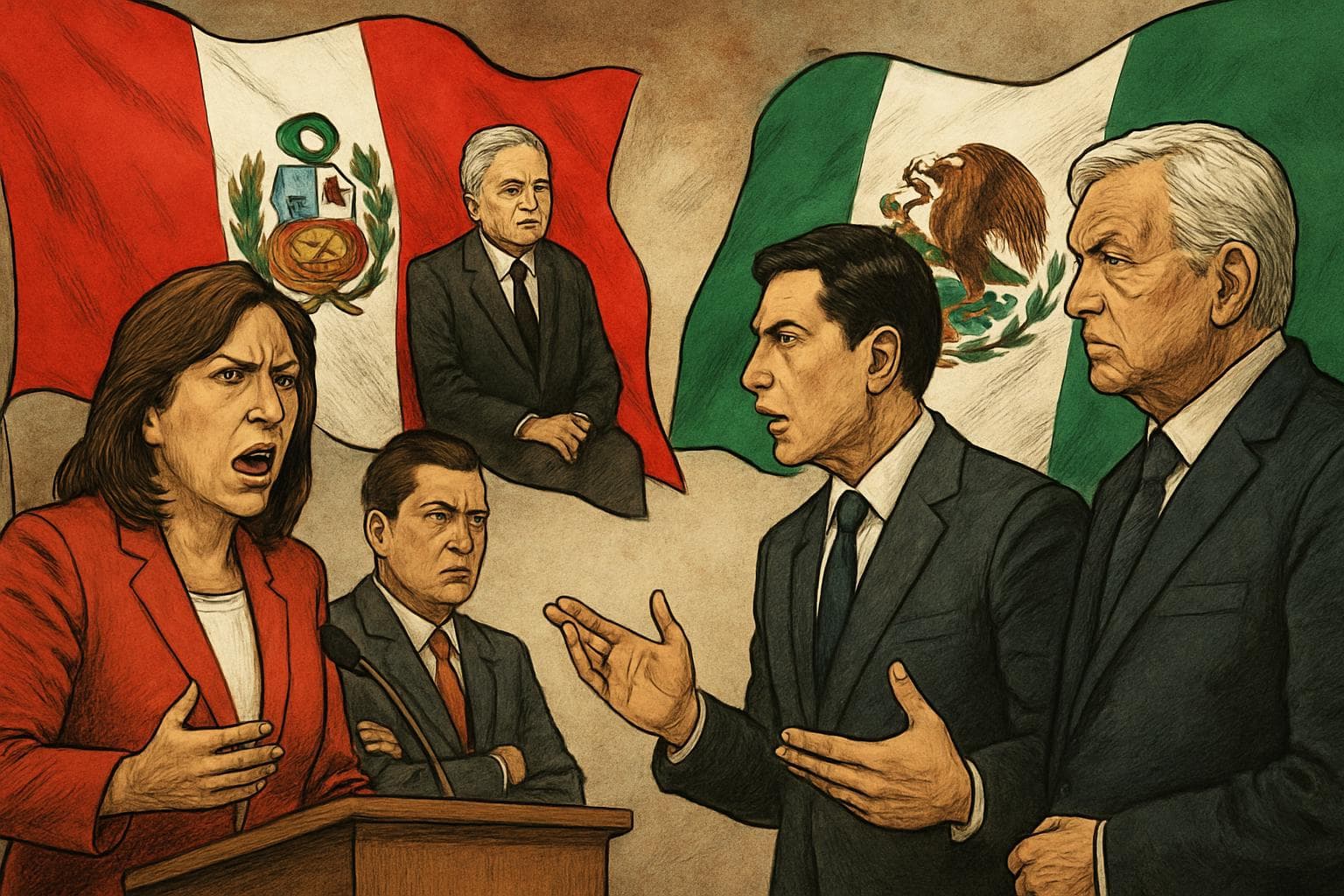
Peru has announced the severance of diplomatic relations with Mexico, escalating tensions between the two nations. This decision follows Mexico's granting of asylum to Betssy Chávez, a former Peruvian prime minister implicated in a 2022 coup attempt. Chávez, who was released on bail in September 2023, is accused of collaborating with ousted President Pedro Castillo in an effort to dissolve Peru's congress.
Diplomatic Fallout
Peruvian Foreign Minister Hugo de Zela expressed "surprise and deep regret" over Mexico's decision, labeling it an "unfriendly act." He emphasized that the move undermines Peru's sovereignty and accused Mexico of repeated interference in Peru's internal affairs. In response, Mexico's foreign ministry described Peru's reaction as "excessive and disproportionate," asserting that granting asylum was consistent with international law.
Legal Context and Charges
Chávez faces charges of rebellion, with prosecutors seeking a 25-year prison sentence. Her alleged co-conspirator, Castillo, was arrested in December 2022 after attempting to dissolve congress and establish an emergency government. Castillo, who remains in custody, faces a potential 34-year sentence. Both Chávez and Castillo have denied the charges, with Castillo arguing that he never took up arms against the state.
Historical Tensions
The diplomatic rift is the latest chapter in a series of disputes between Peru and Mexico. In 2022, Peru expelled Mexico's ambassador after Mexico granted asylum to Castillo's family. The situation further deteriorated when Mexico's then-president expressed support for Castillo, calling his ousting illegal. Mexico's current president, Claudia Sheinbaum, has reiterated support for Castillo, advocating for his release and a fair trial.
WHAT THIS MIGHT MEAN
The severance of diplomatic ties between Peru and Mexico could have significant implications for both countries. Peru may seek to strengthen alliances with other nations to counterbalance Mexico's influence. Meanwhile, Mexico's stance could bolster its image as a defender of international law and human rights, potentially attracting support from other left-leaning governments in the region.
The legal proceedings against Chávez and Castillo will likely continue to draw international attention, especially if the trials are perceived as politically motivated. The outcome of these cases could influence Peru's political landscape and its relations with neighboring countries. Experts suggest that a resolution may require diplomatic mediation to restore bilateral relations and address underlying political tensions.
Related Articles
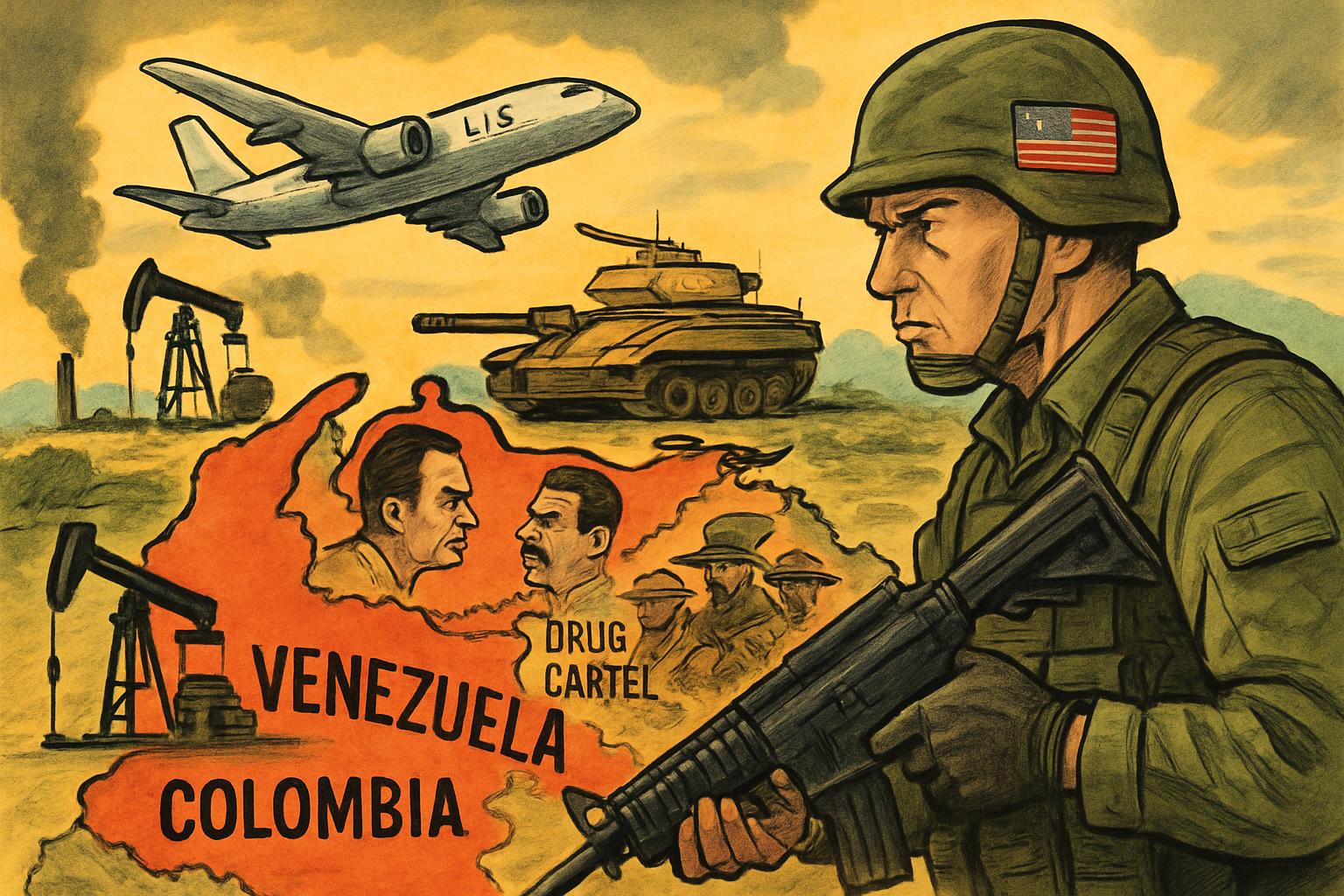
Tensions Rise as Trump Considers Military Action in Latin America Amid Venezuelan Crisis
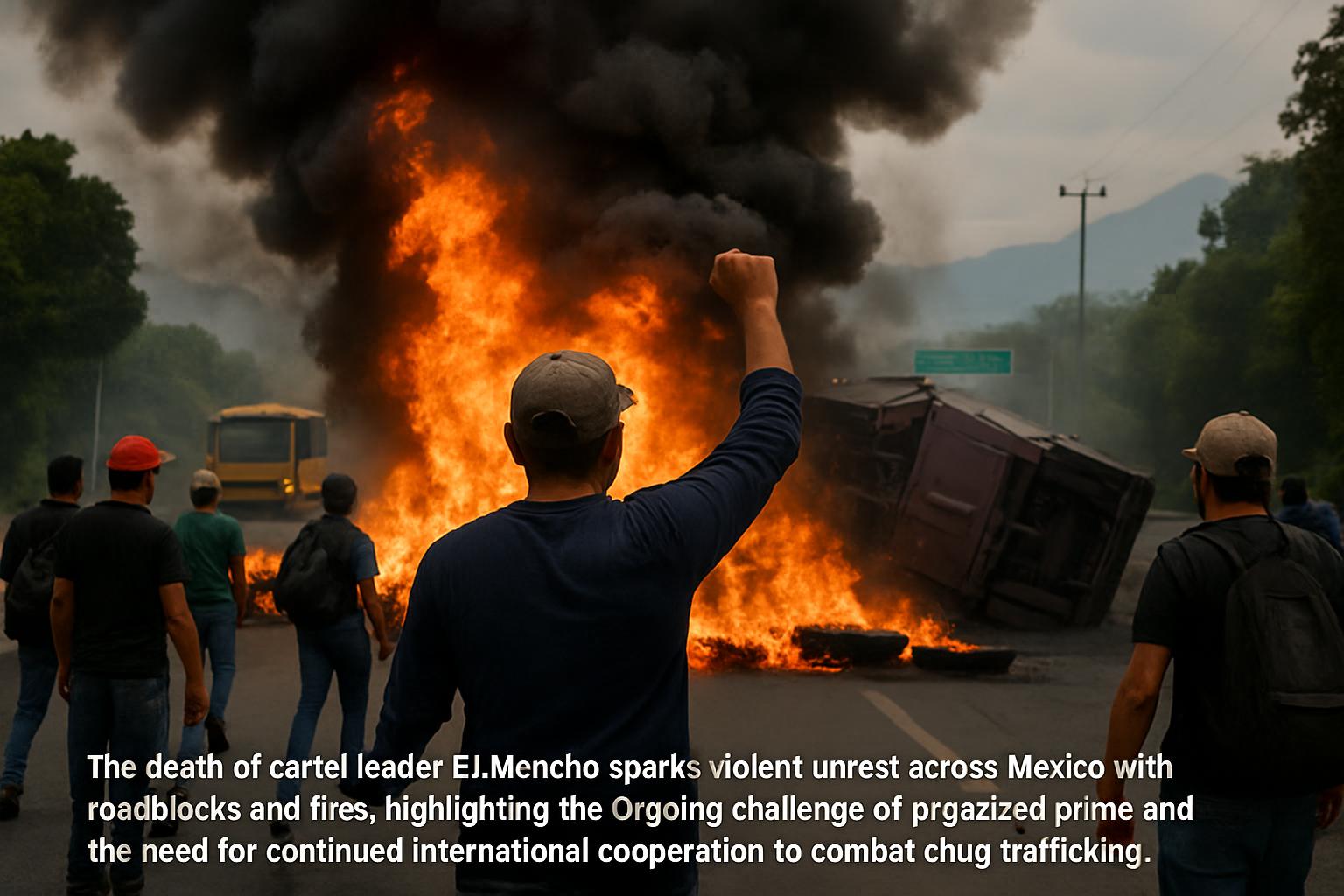
El Mencho's Death Sparks Violent Unrest Across Mexico
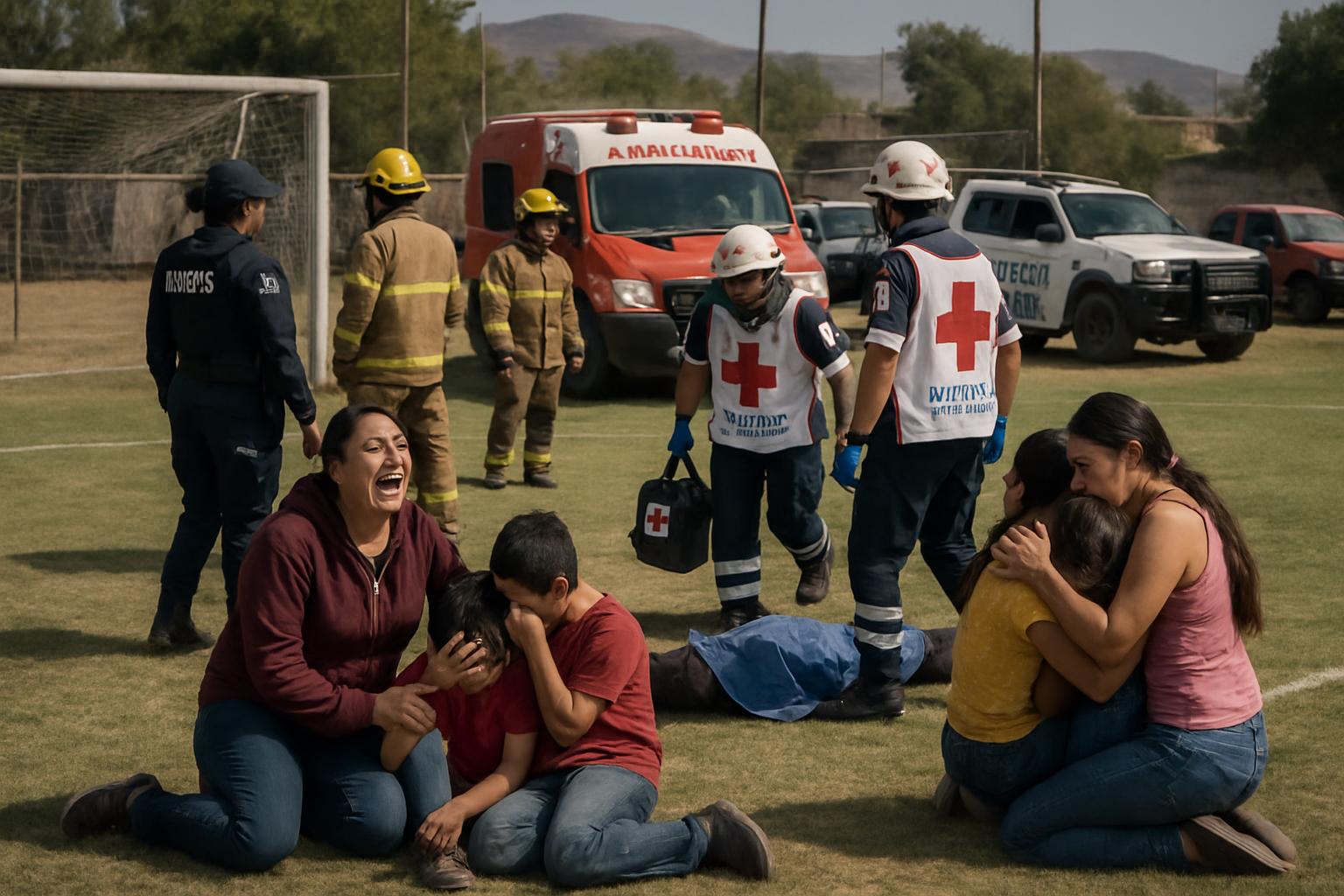
Gunmen Attack Football Match in Mexico, Killing 11 Amidst Rising Cartel Violence
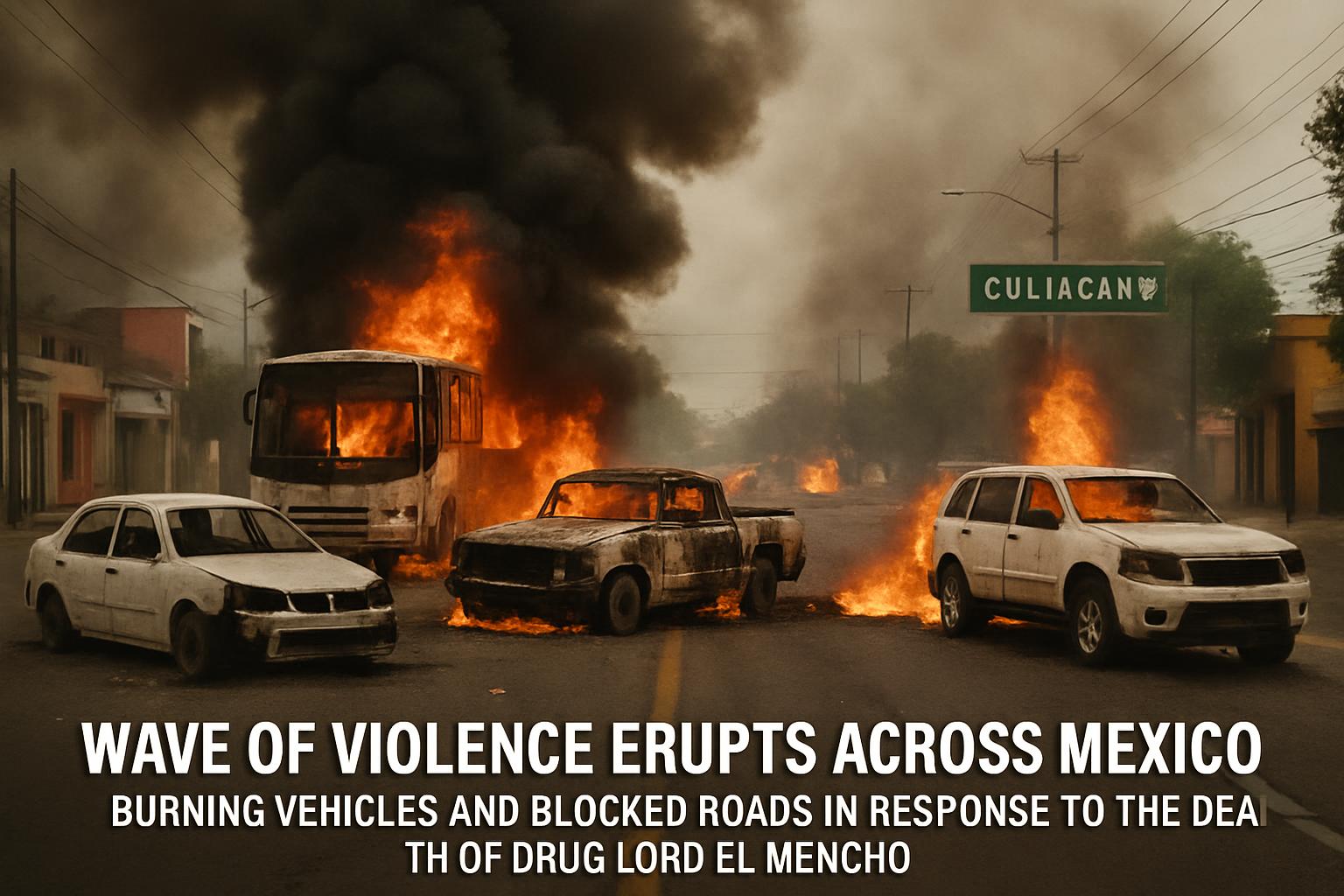
Violence Erupts Across Mexico Following Death of Drug Lord El Mencho
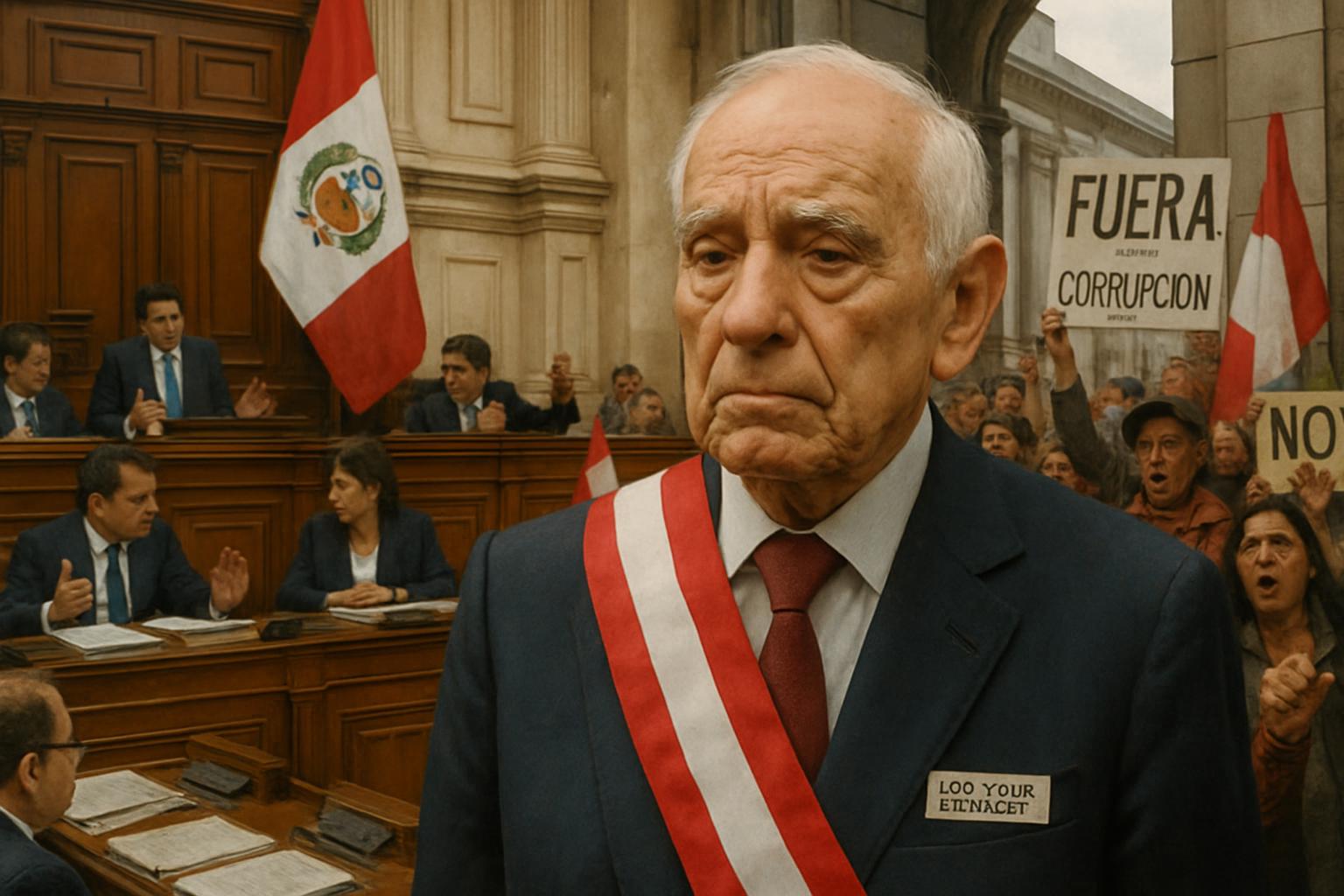
Peru's Political Turmoil Continues with New Interim President Amid Controversy
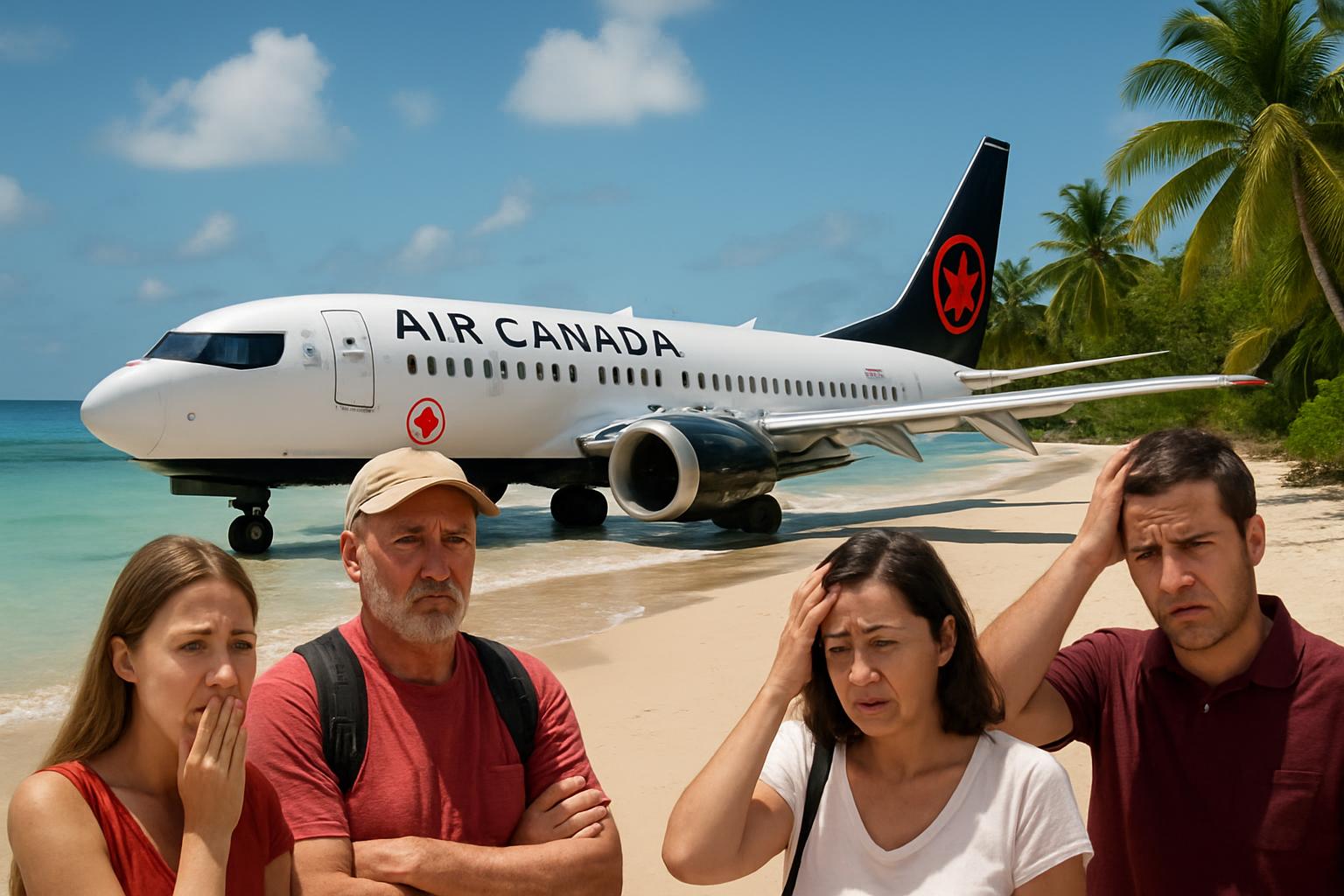
Air Canada Halts Cuba Flights Amid US-Induced Fuel Crisis
Peru Cuts Diplomatic Ties with Mexico Over Asylum for Ex-Prime Minister
In This Article
HIGHLIGHTS
- Peru has severed diplomatic ties with Mexico following Mexico's decision to grant asylum to former Peruvian Prime Minister Betssy Chávez.
- Chávez is under investigation for her alleged role in a 2022 coup attempt led by former President Pedro Castillo, who is currently in custody.
- Peru accuses Mexico of interfering in its internal affairs, while Mexico defends its actions as compliant with international law.
- The diplomatic rift adds to existing tensions between the two countries, exacerbated by Mexico's previous support for Castillo and his family.
- Prosecutors are seeking a 25-year sentence for Chávez and a 34-year sentence for Castillo over the failed coup attempt.
Peru has announced the severance of diplomatic relations with Mexico, escalating tensions between the two nations. This decision follows Mexico's granting of asylum to Betssy Chávez, a former Peruvian prime minister implicated in a 2022 coup attempt. Chávez, who was released on bail in September 2023, is accused of collaborating with ousted President Pedro Castillo in an effort to dissolve Peru's congress.
Diplomatic Fallout
Peruvian Foreign Minister Hugo de Zela expressed "surprise and deep regret" over Mexico's decision, labeling it an "unfriendly act." He emphasized that the move undermines Peru's sovereignty and accused Mexico of repeated interference in Peru's internal affairs. In response, Mexico's foreign ministry described Peru's reaction as "excessive and disproportionate," asserting that granting asylum was consistent with international law.
Legal Context and Charges
Chávez faces charges of rebellion, with prosecutors seeking a 25-year prison sentence. Her alleged co-conspirator, Castillo, was arrested in December 2022 after attempting to dissolve congress and establish an emergency government. Castillo, who remains in custody, faces a potential 34-year sentence. Both Chávez and Castillo have denied the charges, with Castillo arguing that he never took up arms against the state.
Historical Tensions
The diplomatic rift is the latest chapter in a series of disputes between Peru and Mexico. In 2022, Peru expelled Mexico's ambassador after Mexico granted asylum to Castillo's family. The situation further deteriorated when Mexico's then-president expressed support for Castillo, calling his ousting illegal. Mexico's current president, Claudia Sheinbaum, has reiterated support for Castillo, advocating for his release and a fair trial.
WHAT THIS MIGHT MEAN
The severance of diplomatic ties between Peru and Mexico could have significant implications for both countries. Peru may seek to strengthen alliances with other nations to counterbalance Mexico's influence. Meanwhile, Mexico's stance could bolster its image as a defender of international law and human rights, potentially attracting support from other left-leaning governments in the region.
The legal proceedings against Chávez and Castillo will likely continue to draw international attention, especially if the trials are perceived as politically motivated. The outcome of these cases could influence Peru's political landscape and its relations with neighboring countries. Experts suggest that a resolution may require diplomatic mediation to restore bilateral relations and address underlying political tensions.
Related Articles
Tensions Rise as Trump Considers Military Action in Latin America Amid Venezuelan Crisis
El Mencho's Death Sparks Violent Unrest Across Mexico
Gunmen Attack Football Match in Mexico, Killing 11 Amidst Rising Cartel Violence
Violence Erupts Across Mexico Following Death of Drug Lord El Mencho
Peru's Political Turmoil Continues with New Interim President Amid Controversy
Air Canada Halts Cuba Flights Amid US-Induced Fuel Crisis