
Air Canada Halts Cuba Flights Amid US-Induced Fuel Crisis
In This Article
HIGHLIGHTS
- Air Canada has suspended flights to Cuba due to a shortage of aviation fuel, affecting around 3,000 passengers.
- The fuel crisis stems from a US oil blockade on Venezuela, Cuba's primary fuel supplier, exacerbating the island's energy issues.
- Other airlines, including WestJet and Air Transat, have not yet suspended flights, while some European and Russian airlines are adapting routes.
- Mexico has criticized the US policy and sent humanitarian aid to Cuba, highlighting international tensions.
- The fuel shortage is expected to last until at least March 11, according to a Notice to Aviation (NOTAM).
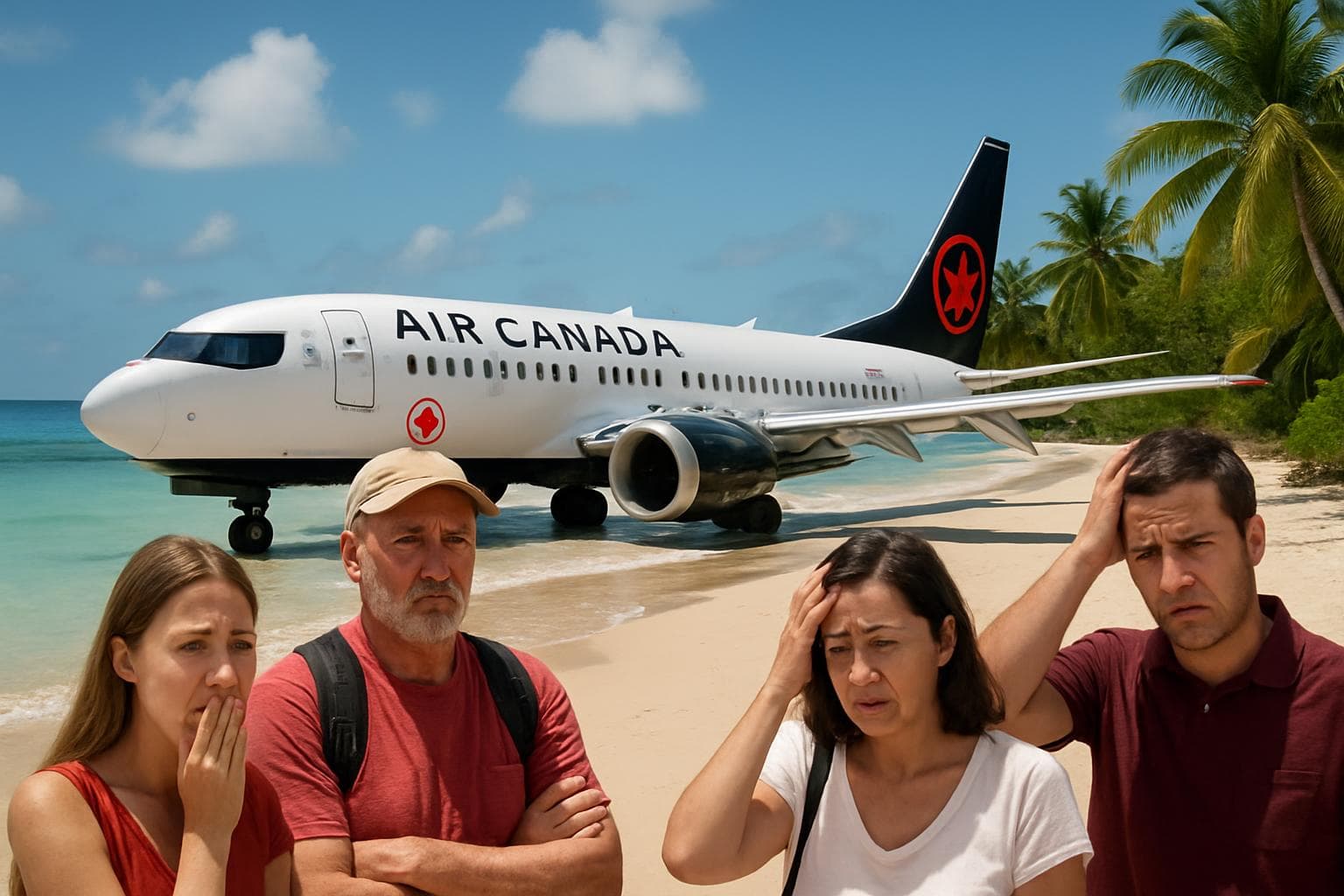
Air Canada has announced the suspension of its flights to Cuba, citing a severe shortage of aviation fuel on the island. This decision, effective from Monday, impacts approximately 3,000 Canadian tourists currently in Cuba, who will be repatriated in the coming days. The shortage, which is expected to persist until at least March 11, is a direct consequence of the US oil blockade on Venezuela, Cuba's main fuel supplier.
Impact on Canadian Airlines and Tourists
Air Canada, which operates 16 weekly flights to Cuba from Toronto and Montreal, is the first Canadian airline to halt services amid the crisis. While WestJet and Air Transat have not yet suspended their flights, the situation remains fluid. Cuba's beaches are a popular winter destination for Canadian tourists, making this disruption particularly significant for the tourism sector.
International Repercussions and Responses
The US blockade, part of a broader strategy to pressure Cuba's government, has drawn international criticism. Mexican President Claudia Sheinbaum condemned the policy as "very unjust" and announced the dispatch of 800 tons of humanitarian aid to Cuba. Meanwhile, European and Russian airlines are adjusting their routes to include refueling stops in nearby countries, ensuring continued service to the island.
Broader Context of the Fuel Crisis
The fuel shortage has intensified Cuba's existing energy challenges, with rolling blackouts affecting daily life. The Trump administration's sanctions on Venezuelan oil have further strained Cuba's resources, prompting Cuban Foreign Minister Bruno Rodríguez Parrilla to assert the nation's right to import fuel without US interference. Despite these challenges, tourists in Cuba reportedly remain in good spirits, with essential services still operational in major hotels.
WHAT THIS MIGHT MEAN
The ongoing fuel crisis in Cuba could have significant implications for the island's economy, particularly its vital tourism sector. If the situation persists beyond March 11, airlines may need to explore long-term contingency plans, potentially affecting travel patterns to the Caribbean. Politically, the US blockade may strain relations with countries like Mexico, which are actively opposing the sanctions. As the situation develops, international diplomatic efforts may intensify, seeking a resolution to the fuel crisis and its broader geopolitical ramifications.
Related Articles
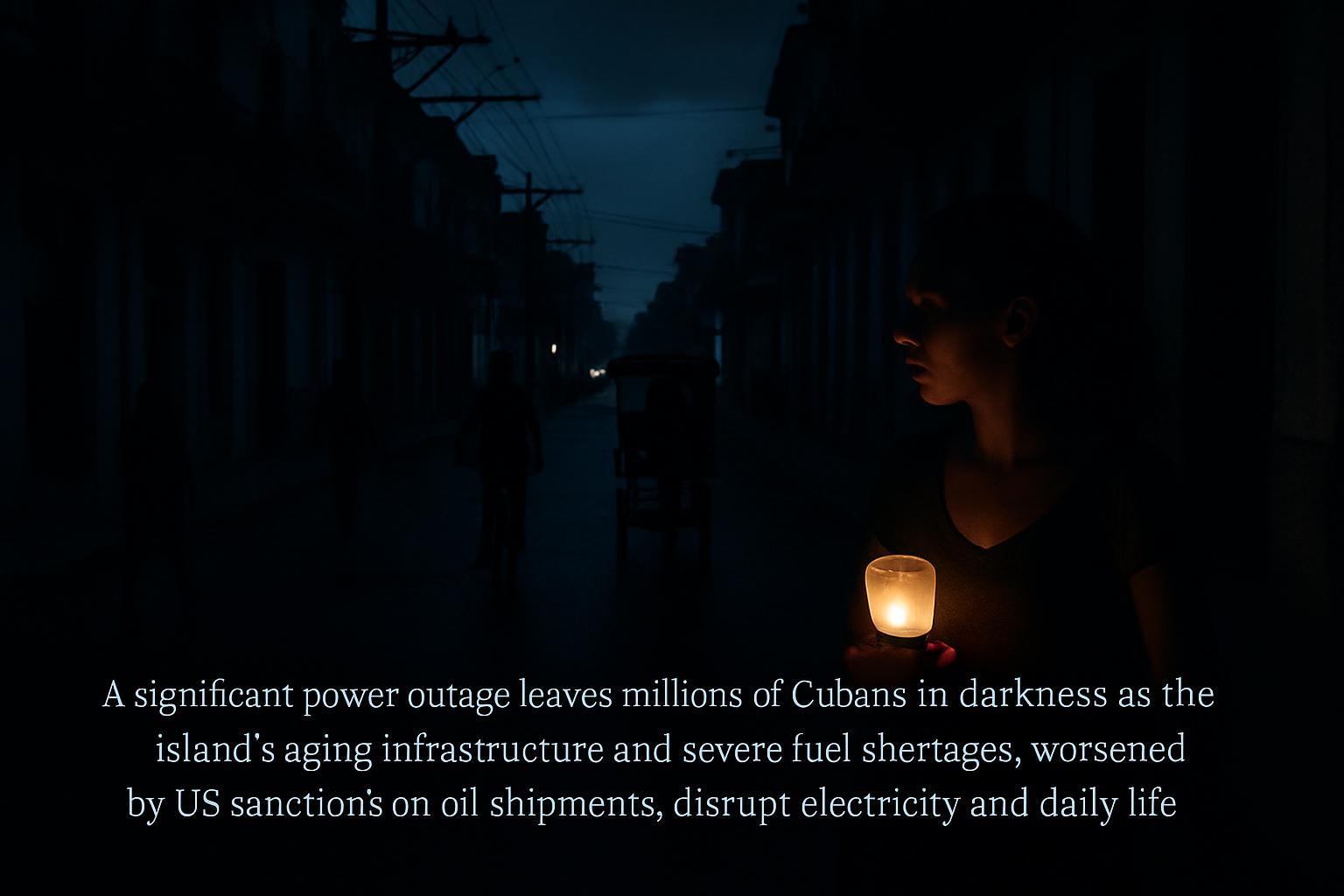
Cuba Faces Widespread Blackout Amid Deepening Fuel Crisis
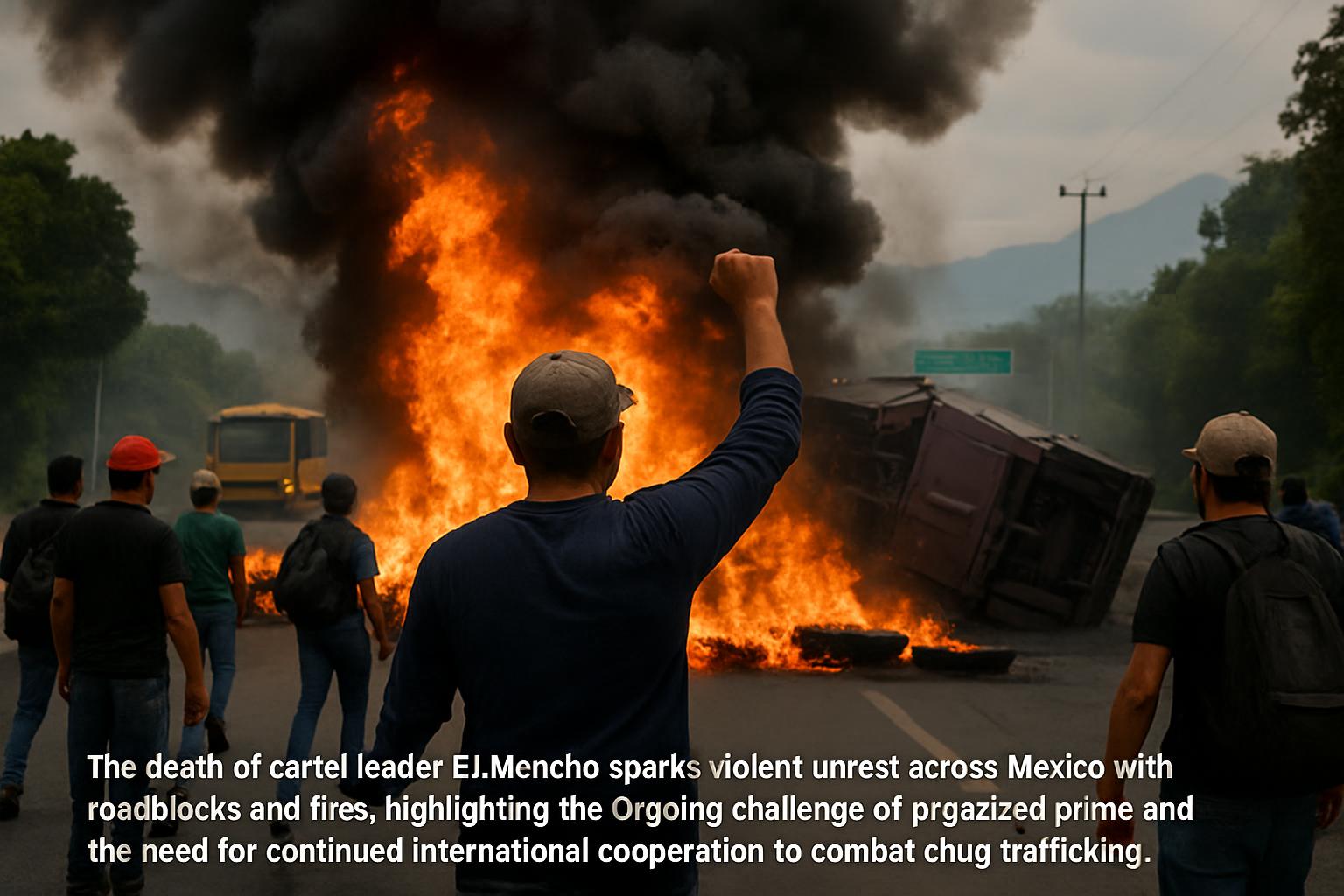
El Mencho's Death Sparks Violent Unrest Across Mexico
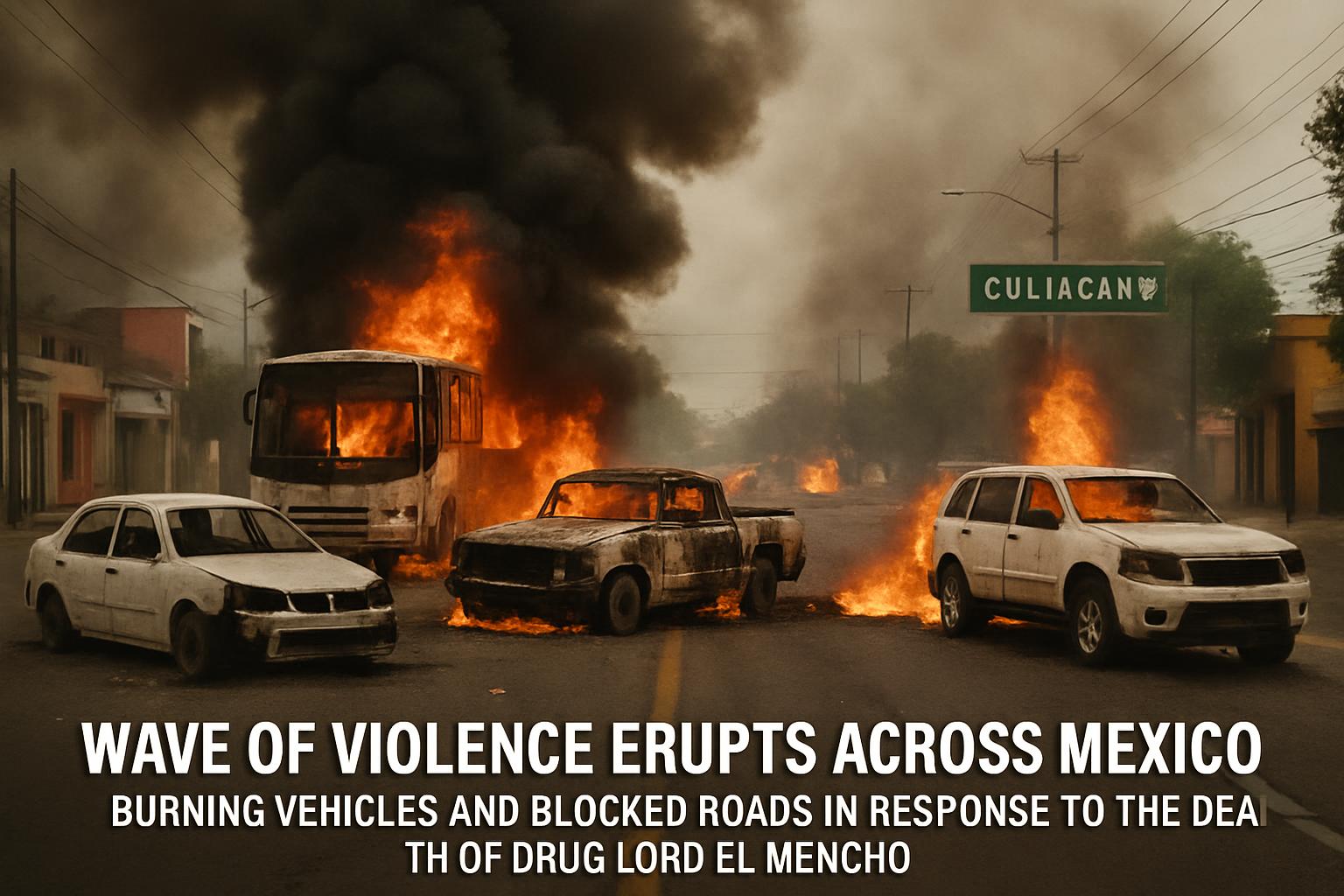
Violence Erupts Across Mexico Following Death of Drug Lord El Mencho
Venezuelan Political Prisoners Seek Amnesty Amidst Hopes for Democratic Transition

China Sets Lowest GDP Growth Target in Decades Amid Economic Challenges

Tech Giants Pledge to Cover AI Data Center Energy Costs Amid Rising Electricity Concerns
Air Canada Halts Cuba Flights Amid US-Induced Fuel Crisis
In This Article
 Leila Hassan| Published
 HIGHLIGHTS
- Air Canada has suspended flights to Cuba due to a shortage of aviation fuel, affecting around 3,000 passengers.
- The fuel crisis stems from a US oil blockade on Venezuela, Cuba's primary fuel supplier, exacerbating the island's energy issues.
- Other airlines, including WestJet and Air Transat, have not yet suspended flights, while some European and Russian airlines are adapting routes.
- Mexico has criticized the US policy and sent humanitarian aid to Cuba, highlighting international tensions.
- The fuel shortage is expected to last until at least March 11, according to a Notice to Aviation (NOTAM).
Air Canada has announced the suspension of its flights to Cuba, citing a severe shortage of aviation fuel on the island. This decision, effective from Monday, impacts approximately 3,000 Canadian tourists currently in Cuba, who will be repatriated in the coming days. The shortage, which is expected to persist until at least March 11, is a direct consequence of the US oil blockade on Venezuela, Cuba's main fuel supplier.
Impact on Canadian Airlines and Tourists
Air Canada, which operates 16 weekly flights to Cuba from Toronto and Montreal, is the first Canadian airline to halt services amid the crisis. While WestJet and Air Transat have not yet suspended their flights, the situation remains fluid. Cuba's beaches are a popular winter destination for Canadian tourists, making this disruption particularly significant for the tourism sector.
International Repercussions and Responses
The US blockade, part of a broader strategy to pressure Cuba's government, has drawn international criticism. Mexican President Claudia Sheinbaum condemned the policy as "very unjust" and announced the dispatch of 800 tons of humanitarian aid to Cuba. Meanwhile, European and Russian airlines are adjusting their routes to include refueling stops in nearby countries, ensuring continued service to the island.
Broader Context of the Fuel Crisis
The fuel shortage has intensified Cuba's existing energy challenges, with rolling blackouts affecting daily life. The Trump administration's sanctions on Venezuelan oil have further strained Cuba's resources, prompting Cuban Foreign Minister Bruno Rodríguez Parrilla to assert the nation's right to import fuel without US interference. Despite these challenges, tourists in Cuba reportedly remain in good spirits, with essential services still operational in major hotels.
WHAT THIS MIGHT MEAN
The ongoing fuel crisis in Cuba could have significant implications for the island's economy, particularly its vital tourism sector. If the situation persists beyond March 11, airlines may need to explore long-term contingency plans, potentially affecting travel patterns to the Caribbean. Politically, the US blockade may strain relations with countries like Mexico, which are actively opposing the sanctions. As the situation develops, international diplomatic efforts may intensify, seeking a resolution to the fuel crisis and its broader geopolitical ramifications.
Related Articles
Cuba Faces Widespread Blackout Amid Deepening Fuel Crisis
El Mencho's Death Sparks Violent Unrest Across Mexico
Violence Erupts Across Mexico Following Death of Drug Lord El Mencho
Venezuelan Political Prisoners Seek Amnesty Amidst Hopes for Democratic Transition
China Sets Lowest GDP Growth Target in Decades Amid Economic Challenges
Tech Giants Pledge to Cover AI Data Center Energy Costs Amid Rising Electricity Concerns