
Tensions Rise as Trump Considers Military Action in Latin America Amid Venezuelan Crisis

In This Article
HIGHLIGHTS
- Colombian President Gustavo Petro warns of a "real threat" of US military action against Colombia, following comments by President Trump.
- Trump suggests US involvement in Venezuela could last years, with control over oil sales as leverage over the interim government.
- Venezuelan opposition leader María Corina Machado is set to meet Trump, despite his skepticism about her leadership potential.
- ICE operations have intensified under Trump, with over 600,000 deportations and 1.9 million voluntary self-deportations reported.
- Trump threatens land strikes against drug cartels in Latin America, escalating US military involvement in the region.
In a series of developments that have heightened tensions across Latin America, Colombian President Gustavo Petro has expressed concerns over a "real threat" of US military action against his country. This follows comments by US President Donald Trump, who has hinted at potential military operations targeting Colombia. Petro criticized the US approach, suggesting it risks isolating itself from the international community.
US-Colombia Relations Under Strain
The relationship between the US and Colombia has been strained following Trump's remarks about military action. Petro condemned the US's aggressive immigration enforcement, likening ICE agents to "Nazi brigades." The Trump administration has significantly expanded ICE operations, resulting in over 600,000 deportations and 1.9 million voluntary self-deportations since January 2025. A recent incident in Minneapolis, where an ICE agent fatally shot a US citizen, has sparked protests and further criticism of US immigration policies.
Prolonged US Involvement in Venezuela
Meanwhile, Trump has indicated that US involvement in Venezuela could extend for years. Following the capture of Venezuelan leader Nicolás Maduro, the US has taken control of the country's oil sales, using it as leverage over the interim government led by Delcy Rodríguez. Trump has stated that the US will oversee Venezuela's oil industry, which has suffered from years of mismanagement and sanctions.
Machado's Meeting with Trump
Venezuelan opposition leader María Corina Machado is scheduled to meet with Trump, despite his doubts about her ability to lead the country. Machado, who has been a vocal critic of Maduro, has hailed the recent release of political prisoners as a positive step. However, Trump has been dismissive of her leadership potential, citing a lack of support within Venezuela.
Escalation Against Drug Cartels
In a further escalation, Trump has threatened land strikes against drug cartels in Latin America, particularly in Mexico. This follows previous US strikes on drug boats in the Pacific and Caribbean, which have resulted in over 100 casualties. Trump's proposal to deploy US troops to Mexico to combat cartels has been met with resistance from Mexican President Claudia Sheinbaum.
WHAT THIS MIGHT MEAN
The potential for US military action in Latin America, particularly against Colombia and drug cartels, could significantly alter regional dynamics. Experts warn that such actions may lead to increased anti-American sentiment and destabilize the region further. In Venezuela, the prolonged US involvement and control over oil sales could complicate efforts to establish a stable government. The upcoming meeting between Trump and Machado may offer insights into the future political landscape of Venezuela, though Trump's skepticism of her leadership suggests challenges ahead. As tensions rise, the international community will be closely watching the US's next moves in Latin America.
Related Articles
Cuba Faces Widespread Blackout Amid Deepening Fuel Crisis
El Mencho's Death Sparks Violent Unrest Across Mexico

UK Faces Dilemmas Amid Iran Conflict and China Spying Allegations
Spain's Sánchez Stands Firm Against Trump's Trade Threat Over Iran Stance
Violence Erupts Across Mexico Following Death of Drug Lord El Mencho
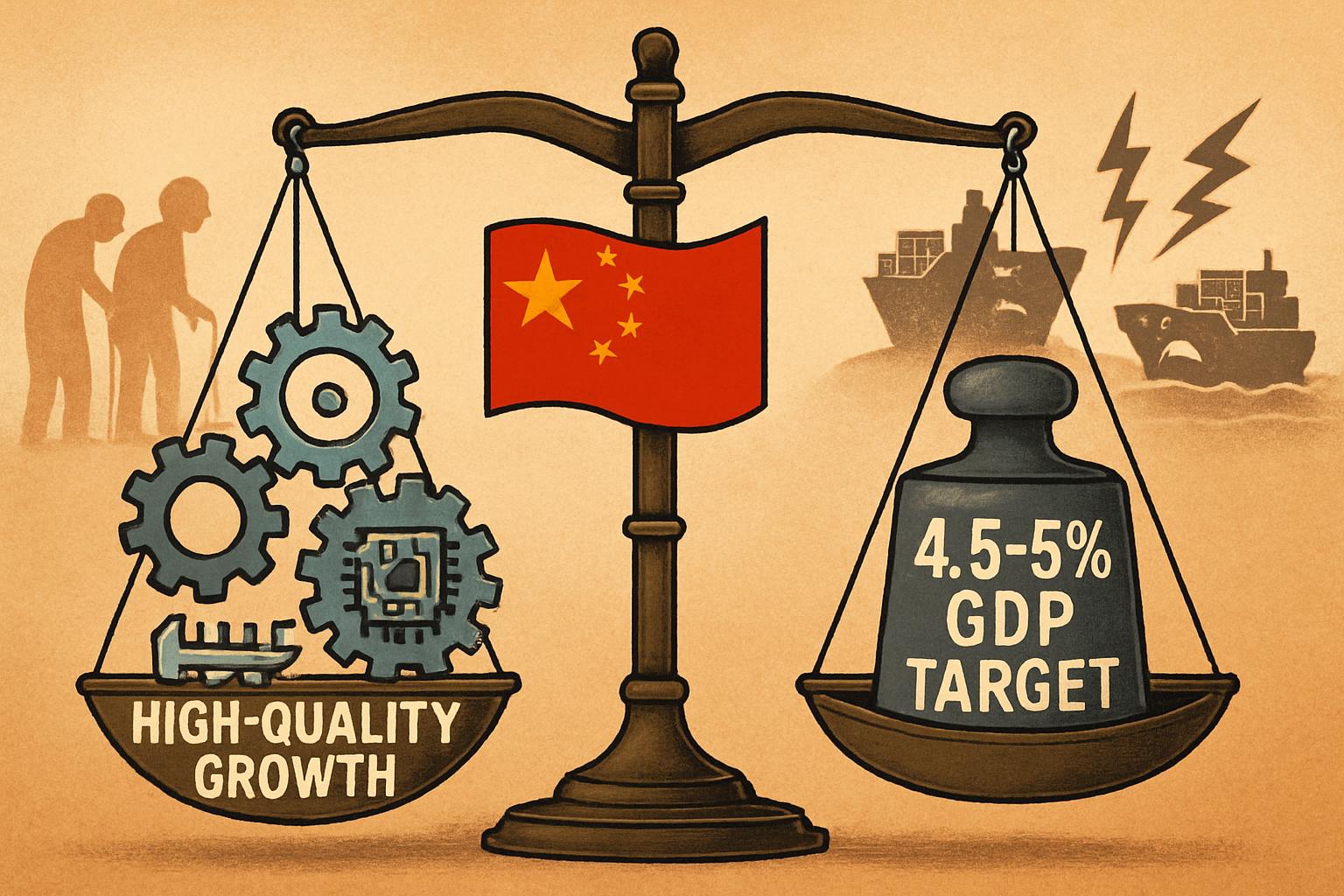
China Sets Lowest GDP Growth Target in Decades Amid Economic Challenges
Tensions Rise as Trump Considers Military Action in Latin America Amid Venezuelan Crisis
In This Article
HIGHLIGHTS
- Colombian President Gustavo Petro warns of a "real threat" of US military action against Colombia, following comments by President Trump.
- Trump suggests US involvement in Venezuela could last years, with control over oil sales as leverage over the interim government.
- Venezuelan opposition leader María Corina Machado is set to meet Trump, despite his skepticism about her leadership potential.
- ICE operations have intensified under Trump, with over 600,000 deportations and 1.9 million voluntary self-deportations reported.
- Trump threatens land strikes against drug cartels in Latin America, escalating US military involvement in the region.
In a series of developments that have heightened tensions across Latin America, Colombian President Gustavo Petro has expressed concerns over a "real threat" of US military action against his country. This follows comments by US President Donald Trump, who has hinted at potential military operations targeting Colombia. Petro criticized the US approach, suggesting it risks isolating itself from the international community.
US-Colombia Relations Under Strain
The relationship between the US and Colombia has been strained following Trump's remarks about military action. Petro condemned the US's aggressive immigration enforcement, likening ICE agents to "Nazi brigades." The Trump administration has significantly expanded ICE operations, resulting in over 600,000 deportations and 1.9 million voluntary self-deportations since January 2025. A recent incident in Minneapolis, where an ICE agent fatally shot a US citizen, has sparked protests and further criticism of US immigration policies.
Prolonged US Involvement in Venezuela
Meanwhile, Trump has indicated that US involvement in Venezuela could extend for years. Following the capture of Venezuelan leader Nicolás Maduro, the US has taken control of the country's oil sales, using it as leverage over the interim government led by Delcy Rodríguez. Trump has stated that the US will oversee Venezuela's oil industry, which has suffered from years of mismanagement and sanctions.
Machado's Meeting with Trump
Venezuelan opposition leader María Corina Machado is scheduled to meet with Trump, despite his doubts about her ability to lead the country. Machado, who has been a vocal critic of Maduro, has hailed the recent release of political prisoners as a positive step. However, Trump has been dismissive of her leadership potential, citing a lack of support within Venezuela.
Escalation Against Drug Cartels
In a further escalation, Trump has threatened land strikes against drug cartels in Latin America, particularly in Mexico. This follows previous US strikes on drug boats in the Pacific and Caribbean, which have resulted in over 100 casualties. Trump's proposal to deploy US troops to Mexico to combat cartels has been met with resistance from Mexican President Claudia Sheinbaum.
WHAT THIS MIGHT MEAN
The potential for US military action in Latin America, particularly against Colombia and drug cartels, could significantly alter regional dynamics. Experts warn that such actions may lead to increased anti-American sentiment and destabilize the region further. In Venezuela, the prolonged US involvement and control over oil sales could complicate efforts to establish a stable government. The upcoming meeting between Trump and Machado may offer insights into the future political landscape of Venezuela, though Trump's skepticism of her leadership suggests challenges ahead. As tensions rise, the international community will be closely watching the US's next moves in Latin America.
Related Articles
Cuba Faces Widespread Blackout Amid Deepening Fuel Crisis
El Mencho's Death Sparks Violent Unrest Across Mexico
UK Faces Dilemmas Amid Iran Conflict and China Spying Allegations
Spain's Sánchez Stands Firm Against Trump's Trade Threat Over Iran Stance
Violence Erupts Across Mexico Following Death of Drug Lord El Mencho
China Sets Lowest GDP Growth Target in Decades Amid Economic Challenges