
Peru's Amnesty Law Sparks Outrage Amid Human Rights Concerns
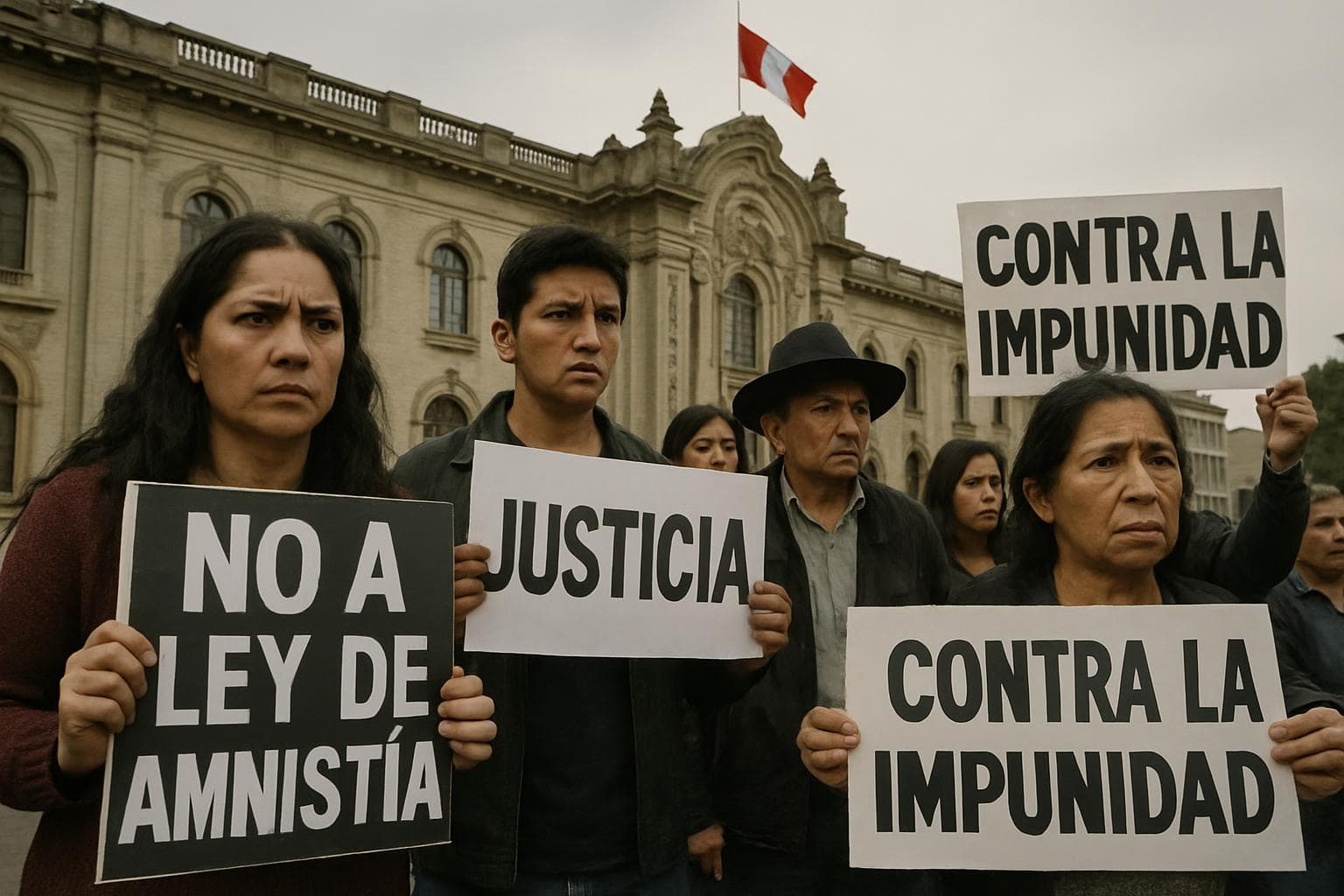
In This Article
HIGHLIGHTS
- Peru's President Dina Boluarte signed a controversial amnesty law pardoning military and police accused of human rights abuses during the 1980-2000 conflict.
- The law, passed by Congress in July, defies an order from the Inter-American Court of Human Rights to suspend it pending review.
- Human rights organizations, including Human Rights Watch and Amnesty International, have condemned the law as a betrayal of victims.
- The amnesty could affect over 600 pending trials and 156 convictions related to atrocities committed during the Shining Path conflict.
- The Truth and Reconciliation Commission reported that state agents were responsible for 83% of documented sexual violence cases during the conflict.
In a move that has ignited widespread condemnation, Peru's President Dina Boluarte has enacted a contentious amnesty law that pardons military and police personnel accused of human rights violations during the country's brutal internal conflict from 1980 to 2000. The legislation, which was approved by Congress in July, has been criticized for undermining decades of efforts to hold perpetrators accountable.
Controversial Legislation
Despite an order from the Inter-American Court of Human Rights to halt the law pending a review, Boluarte proceeded with its enactment, citing the need to honor those who fought against terrorism. The conflict, primarily against the Maoist Shining Path insurgents, resulted in nearly 70,000 deaths and 20,000 disappearances, according to the Truth and Reconciliation Commission (TRC). The TRC also found that state agents were responsible for 83% of documented sexual violence cases.
Human Rights Backlash
Human rights organizations have been vocal in their opposition. Juanita Goebertus of Human Rights Watch described the law as a "betrayal of Peruvian victims," arguing that it weakens the rule of law. The United Nations and Amnesty International have also urged the Peruvian government to reconsider, emphasizing that international standards prohibit amnesties for serious crimes such as extrajudicial killings and torture.
Legal and Political Implications
The amnesty law could potentially halt over 600 ongoing investigations and overturn 156 convictions related to the conflict. This development follows a recent statute of limitations on crimes against humanity, which has already closed numerous investigations. Critics argue that these legal changes position Peru alongside countries like Venezuela and Nicaragua, which have been criticized for disregarding international human rights rulings.
WHAT THIS MIGHT MEAN
The enactment of Peru's amnesty law could have significant legal and political repercussions. Internationally, Peru risks becoming isolated as human rights organizations and foreign governments may impose diplomatic pressures or sanctions. Domestically, the law could lead to increased social unrest, as victims' families and human rights advocates continue to demand justice. Experts suggest that Peru's commitment to international human rights standards will be closely scrutinized, potentially affecting its global standing and relations with international bodies.
Related Articles

Cuba Faces Widespread Blackout Amid Deepening Fuel Crisis
Venezuelan Political Prisoners Seek Amnesty Amidst Hopes for Democratic Transition
Peru's Political Turmoil Continues with New Interim President Amid Controversy
US Endorses UK-Mauritius Chagos Islands Agreement Amidst Chagossian Protests
Peru's Political Turmoil: President José Jerí Ousted Amid Scandal
Intensified US-Israel Strikes on Iran Spark Global Outcry
Peru's Amnesty Law Sparks Outrage Amid Human Rights Concerns
In This Article
HIGHLIGHTS
- Peru's President Dina Boluarte signed a controversial amnesty law pardoning military and police accused of human rights abuses during the 1980-2000 conflict.
- The law, passed by Congress in July, defies an order from the Inter-American Court of Human Rights to suspend it pending review.
- Human rights organizations, including Human Rights Watch and Amnesty International, have condemned the law as a betrayal of victims.
- The amnesty could affect over 600 pending trials and 156 convictions related to atrocities committed during the Shining Path conflict.
- The Truth and Reconciliation Commission reported that state agents were responsible for 83% of documented sexual violence cases during the conflict.
In a move that has ignited widespread condemnation, Peru's President Dina Boluarte has enacted a contentious amnesty law that pardons military and police personnel accused of human rights violations during the country's brutal internal conflict from 1980 to 2000. The legislation, which was approved by Congress in July, has been criticized for undermining decades of efforts to hold perpetrators accountable.
Controversial Legislation
Despite an order from the Inter-American Court of Human Rights to halt the law pending a review, Boluarte proceeded with its enactment, citing the need to honor those who fought against terrorism. The conflict, primarily against the Maoist Shining Path insurgents, resulted in nearly 70,000 deaths and 20,000 disappearances, according to the Truth and Reconciliation Commission (TRC). The TRC also found that state agents were responsible for 83% of documented sexual violence cases.
Human Rights Backlash
Human rights organizations have been vocal in their opposition. Juanita Goebertus of Human Rights Watch described the law as a "betrayal of Peruvian victims," arguing that it weakens the rule of law. The United Nations and Amnesty International have also urged the Peruvian government to reconsider, emphasizing that international standards prohibit amnesties for serious crimes such as extrajudicial killings and torture.
Legal and Political Implications
The amnesty law could potentially halt over 600 ongoing investigations and overturn 156 convictions related to the conflict. This development follows a recent statute of limitations on crimes against humanity, which has already closed numerous investigations. Critics argue that these legal changes position Peru alongside countries like Venezuela and Nicaragua, which have been criticized for disregarding international human rights rulings.
WHAT THIS MIGHT MEAN
The enactment of Peru's amnesty law could have significant legal and political repercussions. Internationally, Peru risks becoming isolated as human rights organizations and foreign governments may impose diplomatic pressures or sanctions. Domestically, the law could lead to increased social unrest, as victims' families and human rights advocates continue to demand justice. Experts suggest that Peru's commitment to international human rights standards will be closely scrutinized, potentially affecting its global standing and relations with international bodies.
Related Articles
Cuba Faces Widespread Blackout Amid Deepening Fuel Crisis
Venezuelan Political Prisoners Seek Amnesty Amidst Hopes for Democratic Transition
Peru's Political Turmoil Continues with New Interim President Amid Controversy
US Endorses UK-Mauritius Chagos Islands Agreement Amidst Chagossian Protests
Peru's Political Turmoil: President José Jerí Ousted Amid Scandal
Intensified US-Israel Strikes on Iran Spark Global Outcry