
Environmental Crisis Unfolds as Plastic Beads Pollute Sussex Coastline

In This Article
HIGHLIGHTS
- Millions of plastic beads have washed up on Camber Sands and nearby areas, causing significant environmental concern.
- Southern Water has apologized for the spill, which originated from its Eastbourne wastewater site, and is funding cleanup efforts.
- The spill has affected Rye Harbour Nature Reserve and Dungeness, raising fears of long-term ecological damage.
- Local MP Helena Dollimore has called for a full investigation and nature restoration program.
- The Environment Agency may classify this as a category 1 pollution event, the most severe level.
A significant environmental crisis is unfolding along the Sussex coastline as millions of plastic beads have washed ashore, impacting local wildlife and tourism. The spill, originating from Southern Water's Eastbourne wastewater site, has led to widespread concern and a massive cleanup operation.
Extent of the Spill
The plastic beads, initially discovered at Camber Sands, have now been found at Rye Harbour Nature Reserve and Dungeness. Southern Water has admitted responsibility, attributing the spill to a malfunction at their facility. The company has pledged to fund the cleanup and has initiated an independent investigation to understand the full impact of the spill.
Community and Environmental Impact
The spill has been described as "catastrophic" by local stakeholders, including Sarah Broadbent of the 1066 Country tourist board. The beads are believed to have spread over a wide area, with the Environment Agency considering upgrading the incident to a category 1 pollution event. This classification would mark it as one of the most severe pollution events in England.
Local Response and Cleanup Efforts
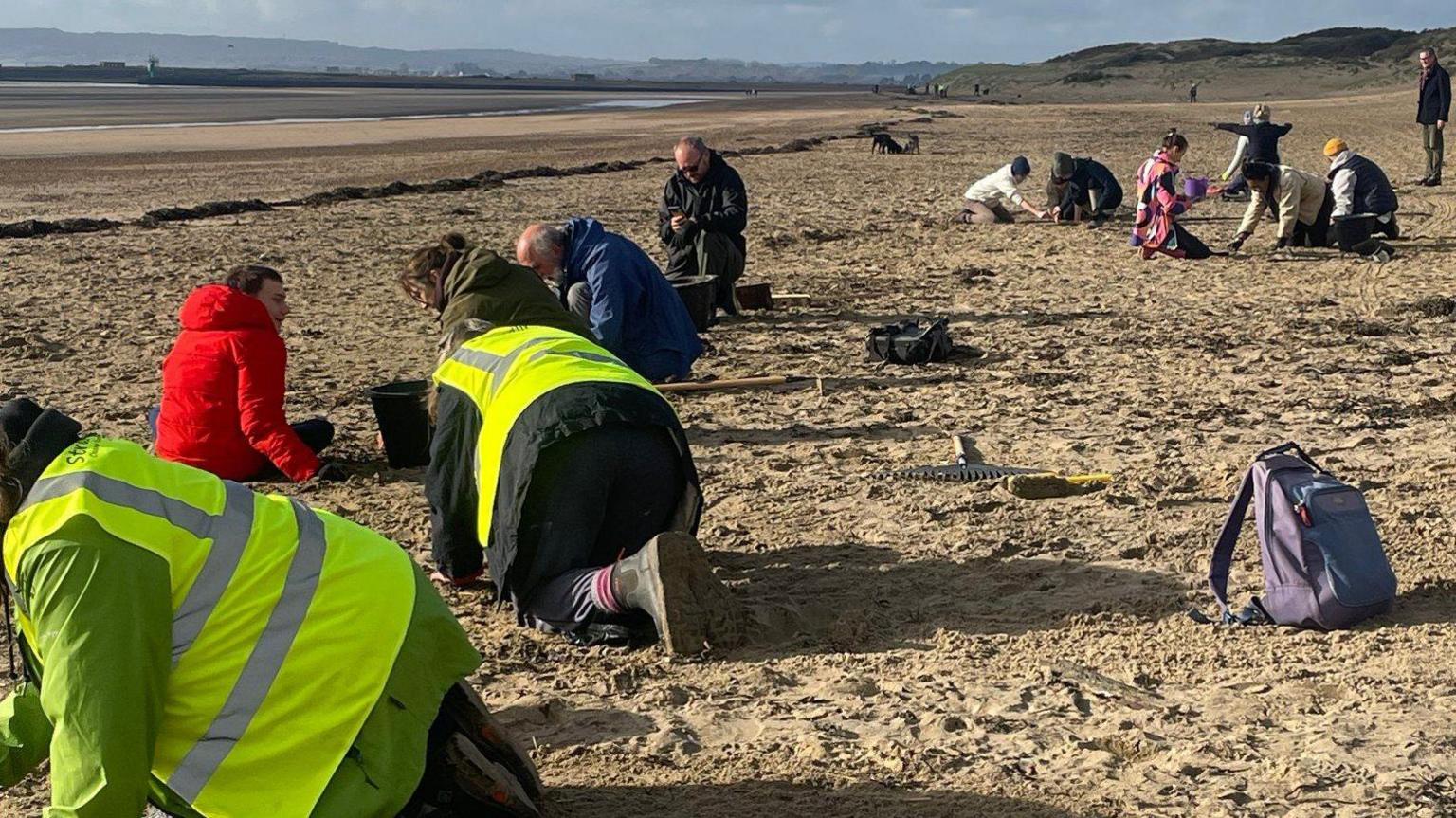
Hundreds of local residents, including Anthony Skinner, a kitesurfing business owner, have joined the cleanup efforts, using sieves and brushes to collect the beads. Despite these efforts, the task remains daunting, with the potential for long-term ecological damage to the sensitive saltmarsh habitats at Rye Harbour.
Political and Legal Reactions
Helena Dollimore, MP for Hastings and Rye, has called for a comprehensive investigation into the spill's impact on local wildlife. She has also urged Southern Water to commit to a nature restoration program. The company has acknowledged the severity of the situation, stating that less than 10 tonnes of beads entered the sea, contrary to initial estimates.
WHAT THIS MIGHT MEAN
The ongoing environmental crisis could have lasting implications for the Sussex coastline. If the Environment Agency upgrades the incident to a category 1 pollution event, it may lead to stricter regulatory scrutiny and potential legal consequences for Southern Water. The ecological impact on the Rye Harbour Nature Reserve and surrounding areas could take years to fully assess and mitigate. Experts suggest that the incident underscores the need for improved infrastructure and emergency response protocols to prevent future occurrences. As cleanup efforts continue, the focus will likely shift to long-term environmental restoration and policy reforms to protect vulnerable coastal ecosystems.
Images from the Web
Related Articles
Flood Risk and Housing Development: A Growing Concern in England
New Swimming Sites Proposed to Boost Water Quality Across England
Massive Illegal Waste Dumps in Merseyside and Wigan Spark Environmental Concerns
Storm Chandra Causes Widespread Flooding Across Southwest England
UK Government Unveils Major Reforms to Water Industry Amidst Pollution Concerns
Rising Waters in Somerset Prompt Major Incident Declaration Amidst Climate Concerns
Environmental Crisis Unfolds as Plastic Beads Pollute Sussex Coastline
In This Article
 Leila Hassan| Published
 HIGHLIGHTS
- Millions of plastic beads have washed up on Camber Sands and nearby areas, causing significant environmental concern.
- Southern Water has apologized for the spill, which originated from its Eastbourne wastewater site, and is funding cleanup efforts.
- The spill has affected Rye Harbour Nature Reserve and Dungeness, raising fears of long-term ecological damage.
- Local MP Helena Dollimore has called for a full investigation and nature restoration program.
- The Environment Agency may classify this as a category 1 pollution event, the most severe level.
A significant environmental crisis is unfolding along the Sussex coastline as millions of plastic beads have washed ashore, impacting local wildlife and tourism. The spill, originating from Southern Water's Eastbourne wastewater site, has led to widespread concern and a massive cleanup operation.
Extent of the Spill
The plastic beads, initially discovered at Camber Sands, have now been found at Rye Harbour Nature Reserve and Dungeness. Southern Water has admitted responsibility, attributing the spill to a malfunction at their facility. The company has pledged to fund the cleanup and has initiated an independent investigation to understand the full impact of the spill.
Community and Environmental Impact
The spill has been described as "catastrophic" by local stakeholders, including Sarah Broadbent of the 1066 Country tourist board. The beads are believed to have spread over a wide area, with the Environment Agency considering upgrading the incident to a category 1 pollution event. This classification would mark it as one of the most severe pollution events in England.
Local Response and Cleanup Efforts
Hundreds of local residents, including Anthony Skinner, a kitesurfing business owner, have joined the cleanup efforts, using sieves and brushes to collect the beads. Despite these efforts, the task remains daunting, with the potential for long-term ecological damage to the sensitive saltmarsh habitats at Rye Harbour.
Political and Legal Reactions
Helena Dollimore, MP for Hastings and Rye, has called for a comprehensive investigation into the spill's impact on local wildlife. She has also urged Southern Water to commit to a nature restoration program. The company has acknowledged the severity of the situation, stating that less than 10 tonnes of beads entered the sea, contrary to initial estimates.
WHAT THIS MIGHT MEAN
The ongoing environmental crisis could have lasting implications for the Sussex coastline. If the Environment Agency upgrades the incident to a category 1 pollution event, it may lead to stricter regulatory scrutiny and potential legal consequences for Southern Water. The ecological impact on the Rye Harbour Nature Reserve and surrounding areas could take years to fully assess and mitigate. Experts suggest that the incident underscores the need for improved infrastructure and emergency response protocols to prevent future occurrences. As cleanup efforts continue, the focus will likely shift to long-term environmental restoration and policy reforms to protect vulnerable coastal ecosystems.
Images from the Web
Related Articles
Flood Risk and Housing Development: A Growing Concern in England
New Swimming Sites Proposed to Boost Water Quality Across England
Massive Illegal Waste Dumps in Merseyside and Wigan Spark Environmental Concerns
Storm Chandra Causes Widespread Flooding Across Southwest England
UK Government Unveils Major Reforms to Water Industry Amidst Pollution Concerns
Rising Waters in Somerset Prompt Major Incident Declaration Amidst Climate Concerns