
Polish Rail Sabotage Linked to Ukrainian Suspects Allegedly Working for Russia
In This Article
HIGHLIGHTS
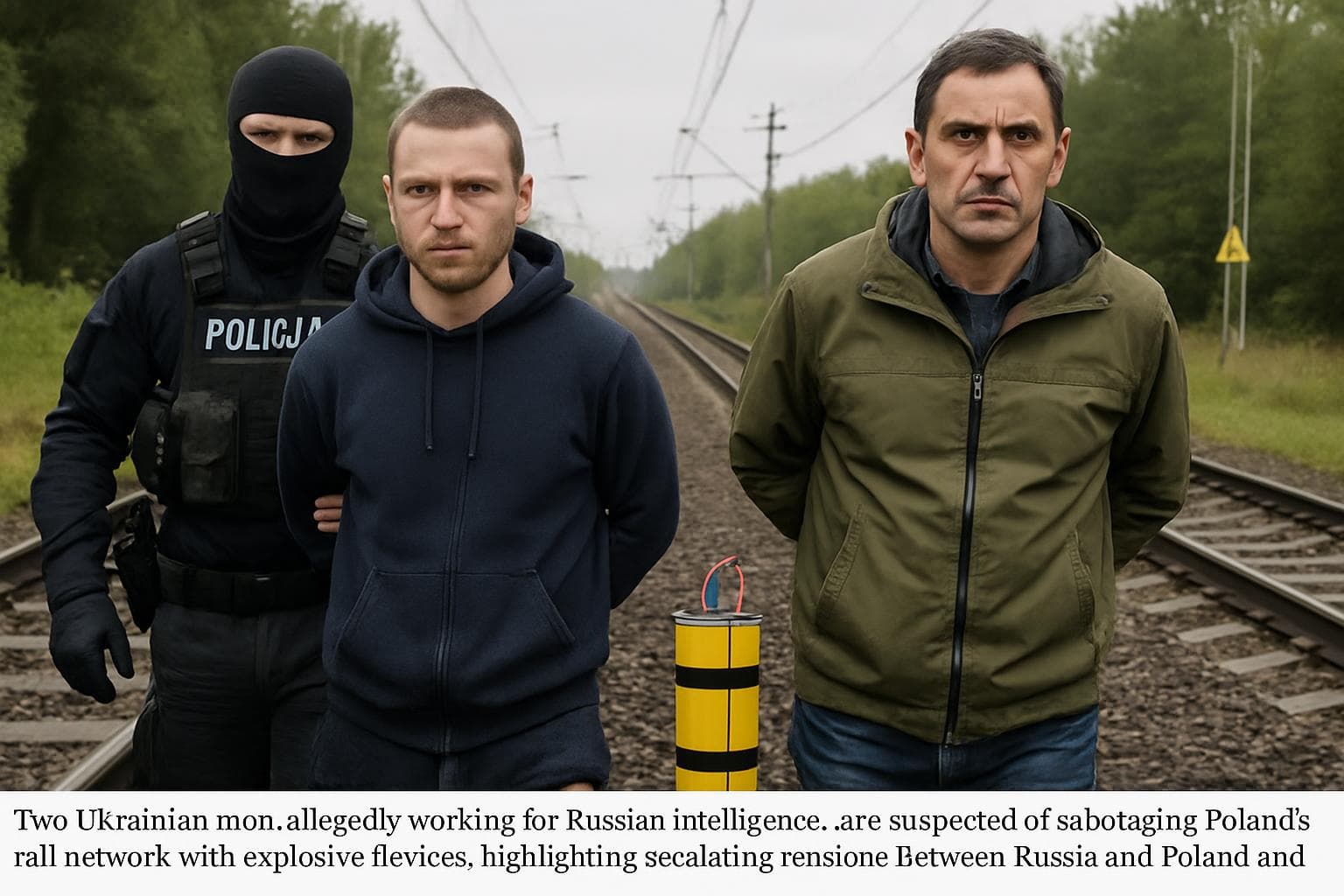
- Two Ukrainian men are suspected of sabotaging Poland's rail network, allegedly working for Russian intelligence.
- The incidents involved a military-grade explosive and damaged railway infrastructure, posing significant security threats.
- Polish Prime Minister Donald Tusk described the acts as unprecedented and part of a broader pattern of Russian sabotage in Europe.
- The suspects reportedly entered Poland from Belarus and returned there after the attacks.
- Russia dismissed the accusations, labeling them as examples of "Russophobia."
Polish authorities have identified two Ukrainian men as key suspects in a series of sabotage attacks on the country's rail network, allegedly orchestrated by Russian intelligence services. The incidents, which occurred over the weekend, have been described by Polish Prime Minister Donald Tusk as some of the most severe security threats since the onset of the full-scale invasion of Ukraine.
Explosive Devices and Infrastructure Damage
The first incident took place near the village of Mika, southeast of Warsaw, where a military-grade C4 explosive was detonated under a freight train, causing minor damage. A second act of sabotage involved the sudden braking of a passenger train due to damaged overhead cables. Both incidents targeted a strategic rail route crucial for aid deliveries to Ukraine.
Suspects and International Tensions
The suspects, whose identities remain undisclosed, are believed to have crossed into Poland from Belarus before the attacks and returned there afterward. One of the men had previously been convicted of sabotage in Ukraine. Tusk emphasized that these acts are part of a broader pattern of Russian sabotage efforts across Europe, aiming to incite anti-Ukrainian sentiment, particularly in Poland, which hosts a large Ukrainian refugee population.
Russia's Response
The Kremlin has dismissed Poland's accusations, with President Vladimir Putin's spokesman, Dmitry Peskov, calling them an example of "Russophobia." He criticized the tendency to blame Russia for various acts of hybrid warfare in Poland.
Security Measures and Arrests
In response to these incidents, Tusk announced plans to raise the alert level on certain railway lines. Since the beginning of last year, Polish authorities have detained 55 individuals on suspicion of sabotage-related activities, with 23 currently in custody.
WHAT THIS MIGHT MEAN
The recent sabotage incidents in Poland highlight the escalating tensions between Russia and its neighboring countries. If the allegations are confirmed, this could lead to increased security measures and further strain diplomatic relations between Poland and Russia. The involvement of Ukrainian nationals, allegedly recruited by Russian intelligence, may also complicate Poland's internal dynamics, given its significant Ukrainian refugee population. Experts suggest that these acts of sabotage could be part of a broader strategy by Russia to destabilize European nations and test their security resilience. As investigations continue, Poland may seek to strengthen its alliances within the European Union and NATO to counter potential threats.
Related Articles
UK PM Keir Starmer Calls for Stronger European Defence Ties at Munich Conference

Russian LNG Tanker Sinks in Mediterranean Amid Accusations of Ukrainian Drone Attack
Spain's Sánchez Stands Firm Against Trump's Trade Threat Over Iran Stance
Geneva Talks See 'Meaningful Progress' Amid Tensions Over Ukraine-Russia Conflict
UK and Allies Accuse Russia of Killing Navalny with Dart Frog Toxin
German Chancellor Warns of Eroding Global Order at Munich Security Conference
Polish Rail Sabotage Linked to Ukrainian Suspects Allegedly Working for Russia
In This Article
 Sofia Romano| Published
 HIGHLIGHTS
- Two Ukrainian men are suspected of sabotaging Poland's rail network, allegedly working for Russian intelligence.
- The incidents involved a military-grade explosive and damaged railway infrastructure, posing significant security threats.
- Polish Prime Minister Donald Tusk described the acts as unprecedented and part of a broader pattern of Russian sabotage in Europe.
- The suspects reportedly entered Poland from Belarus and returned there after the attacks.
- Russia dismissed the accusations, labeling them as examples of "Russophobia."
Polish authorities have identified two Ukrainian men as key suspects in a series of sabotage attacks on the country's rail network, allegedly orchestrated by Russian intelligence services. The incidents, which occurred over the weekend, have been described by Polish Prime Minister Donald Tusk as some of the most severe security threats since the onset of the full-scale invasion of Ukraine.
Explosive Devices and Infrastructure Damage
The first incident took place near the village of Mika, southeast of Warsaw, where a military-grade C4 explosive was detonated under a freight train, causing minor damage. A second act of sabotage involved the sudden braking of a passenger train due to damaged overhead cables. Both incidents targeted a strategic rail route crucial for aid deliveries to Ukraine.
Suspects and International Tensions
The suspects, whose identities remain undisclosed, are believed to have crossed into Poland from Belarus before the attacks and returned there afterward. One of the men had previously been convicted of sabotage in Ukraine. Tusk emphasized that these acts are part of a broader pattern of Russian sabotage efforts across Europe, aiming to incite anti-Ukrainian sentiment, particularly in Poland, which hosts a large Ukrainian refugee population.
Russia's Response
The Kremlin has dismissed Poland's accusations, with President Vladimir Putin's spokesman, Dmitry Peskov, calling them an example of "Russophobia." He criticized the tendency to blame Russia for various acts of hybrid warfare in Poland.
Security Measures and Arrests
In response to these incidents, Tusk announced plans to raise the alert level on certain railway lines. Since the beginning of last year, Polish authorities have detained 55 individuals on suspicion of sabotage-related activities, with 23 currently in custody.
WHAT THIS MIGHT MEAN
The recent sabotage incidents in Poland highlight the escalating tensions between Russia and its neighboring countries. If the allegations are confirmed, this could lead to increased security measures and further strain diplomatic relations between Poland and Russia. The involvement of Ukrainian nationals, allegedly recruited by Russian intelligence, may also complicate Poland's internal dynamics, given its significant Ukrainian refugee population. Experts suggest that these acts of sabotage could be part of a broader strategy by Russia to destabilize European nations and test their security resilience. As investigations continue, Poland may seek to strengthen its alliances within the European Union and NATO to counter potential threats.
Related Articles
UK PM Keir Starmer Calls for Stronger European Defence Ties at Munich Conference
Russian LNG Tanker Sinks in Mediterranean Amid Accusations of Ukrainian Drone Attack
Spain's Sánchez Stands Firm Against Trump's Trade Threat Over Iran Stance
Geneva Talks See 'Meaningful Progress' Amid Tensions Over Ukraine-Russia Conflict
UK and Allies Accuse Russia of Killing Navalny with Dart Frog Toxin
German Chancellor Warns of Eroding Global Order at Munich Security Conference