
Uncertainty Looms Over Potential Putin-Zelensky Peace Talks Amid Diplomatic Push

In This Article
HIGHLIGHTS
- The Kremlin has downplayed the possibility of imminent peace talks between Putin and Zelensky, despite Trump's push for direct negotiations.
- Trump suggested that a meeting between the Russian and Ukrainian leaders might be more productive without his presence, though he remains open to attending if necessary.
- NATO military leaders are set to meet virtually to discuss the ongoing conflict in Ukraine, with the UK and US exploring potential security support options.
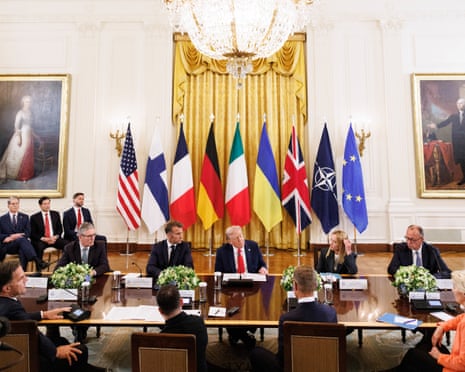
- European leaders have expressed readiness to host peace talks, with Geneva and Budapest mentioned as potential venues, though no official confirmations have been made.
- Trump has ruled out deploying US troops to Ukraine but indicated possible air support in collaboration with European allies if a peace deal is reached.
The prospect of direct peace talks between Russian President Vladimir Putin and Ukrainian President Volodymyr Zelensky remains uncertain, as the Kremlin has tempered expectations of an imminent summit. This comes amid renewed diplomatic efforts led by former US President Donald Trump, who has advocated for a meeting to address the ongoing Russia-Ukraine conflict.
Diplomatic Efforts and Challenges
During recent discussions, Trump emphasized the importance of direct negotiations between Putin and Zelensky, suggesting that such a meeting might be more effective without his direct involvement. "We're going to find out about President Putin in the next couple of weeks," Trump remarked, acknowledging the complexities of the situation. Despite expressing openness to talks, Russian Foreign Minister Sergei Lavrov has stressed the need for thorough preparation, reflecting Moscow's cautious stance.
International Involvement and Security Concerns
As diplomatic efforts continue, NATO military leaders are scheduled to convene virtually to deliberate on the situation in Ukraine. The UK's military chief, Admiral Tony Radakin, is also traveling to Washington for discussions on potential security measures, including a reassurance force in Ukraine. Meanwhile, Trump has ruled out deploying US troops but has hinted at possible air support in collaboration with European allies if a peace agreement is reached.
Potential Venues for Peace Talks
European leaders have expressed willingness to host peace talks, with Geneva and Budapest emerging as potential venues. However, no official confirmations have been made, and the logistics of such a meeting remain complex. The involvement of countries like Hungary and Switzerland, which have unique diplomatic positions, adds another layer of complexity to the negotiations.
Complexities and Strategic Narratives
The diplomatic landscape is further complicated by strategic narratives from both sides. European leaders appear to be leveraging the situation to portray Russia as the obstacle to peace, while Putin has accused Kyiv and European capitals of potentially undermining agreements through back-channel dealings. The lack of clarity surrounding Trump's discussions with Putin during their Alaska summit adds to the uncertainty.
WHAT THIS MIGHT MEAN
The coming weeks could prove pivotal in determining the trajectory of peace efforts between Russia and Ukraine. Should direct talks between Putin and Zelensky materialize, they may pave the way for a more stable resolution to the conflict. However, the success of such negotiations hinges on the willingness of both parties to compromise and the ability of international stakeholders to facilitate a conducive environment for dialogue.
The involvement of NATO and European allies in providing security guarantees to Ukraine could also influence the dynamics of the negotiations. If a peace deal is reached, the nature and extent of international support will be crucial in ensuring its implementation and sustainability.
Ultimately, the situation remains fluid, with geopolitical considerations and strategic interests shaping the course of events. As diplomatic efforts continue, the international community will be closely watching for any signs of progress or setbacks in the quest for peace in Ukraine.
Images from the Web
Related Articles
Spain's Sánchez Stands Firm Against Trump's Trade Threat Over Iran Stance
US-Iran Tensions Escalate Amid Renewed Nuclear Talks and Protests
Senate Blocks Resolution to Limit Trump's Military Actions in Iran
UK-Iran Tensions: Starmer Defends Cautious Approach Amid Trump Criticism
Greenland Politely Declines Trump's Hospital Ship Offer Amid Healthcare Debate

Congress Subpoenas Attorney General Bondi in Epstein Investigation
Uncertainty Looms Over Potential Putin-Zelensky Peace Talks Amid Diplomatic Push
In This Article
 Ethan Brooks| Published
 HIGHLIGHTS
- The Kremlin has downplayed the possibility of imminent peace talks between Putin and Zelensky, despite Trump's push for direct negotiations.
- Trump suggested that a meeting between the Russian and Ukrainian leaders might be more productive without his presence, though he remains open to attending if necessary.
- NATO military leaders are set to meet virtually to discuss the ongoing conflict in Ukraine, with the UK and US exploring potential security support options.
- European leaders have expressed readiness to host peace talks, with Geneva and Budapest mentioned as potential venues, though no official confirmations have been made.
- Trump has ruled out deploying US troops to Ukraine but indicated possible air support in collaboration with European allies if a peace deal is reached.
The prospect of direct peace talks between Russian President Vladimir Putin and Ukrainian President Volodymyr Zelensky remains uncertain, as the Kremlin has tempered expectations of an imminent summit. This comes amid renewed diplomatic efforts led by former US President Donald Trump, who has advocated for a meeting to address the ongoing Russia-Ukraine conflict.
Diplomatic Efforts and Challenges
During recent discussions, Trump emphasized the importance of direct negotiations between Putin and Zelensky, suggesting that such a meeting might be more effective without his direct involvement. "We're going to find out about President Putin in the next couple of weeks," Trump remarked, acknowledging the complexities of the situation. Despite expressing openness to talks, Russian Foreign Minister Sergei Lavrov has stressed the need for thorough preparation, reflecting Moscow's cautious stance.
International Involvement and Security Concerns
As diplomatic efforts continue, NATO military leaders are scheduled to convene virtually to deliberate on the situation in Ukraine. The UK's military chief, Admiral Tony Radakin, is also traveling to Washington for discussions on potential security measures, including a reassurance force in Ukraine. Meanwhile, Trump has ruled out deploying US troops but has hinted at possible air support in collaboration with European allies if a peace agreement is reached.
Potential Venues for Peace Talks
European leaders have expressed willingness to host peace talks, with Geneva and Budapest emerging as potential venues. However, no official confirmations have been made, and the logistics of such a meeting remain complex. The involvement of countries like Hungary and Switzerland, which have unique diplomatic positions, adds another layer of complexity to the negotiations.
Complexities and Strategic Narratives
The diplomatic landscape is further complicated by strategic narratives from both sides. European leaders appear to be leveraging the situation to portray Russia as the obstacle to peace, while Putin has accused Kyiv and European capitals of potentially undermining agreements through back-channel dealings. The lack of clarity surrounding Trump's discussions with Putin during their Alaska summit adds to the uncertainty.
WHAT THIS MIGHT MEAN
The coming weeks could prove pivotal in determining the trajectory of peace efforts between Russia and Ukraine. Should direct talks between Putin and Zelensky materialize, they may pave the way for a more stable resolution to the conflict. However, the success of such negotiations hinges on the willingness of both parties to compromise and the ability of international stakeholders to facilitate a conducive environment for dialogue.
The involvement of NATO and European allies in providing security guarantees to Ukraine could also influence the dynamics of the negotiations. If a peace deal is reached, the nature and extent of international support will be crucial in ensuring its implementation and sustainability.
Ultimately, the situation remains fluid, with geopolitical considerations and strategic interests shaping the course of events. As diplomatic efforts continue, the international community will be closely watching for any signs of progress or setbacks in the quest for peace in Ukraine.
Images from the Web
Related Articles
Spain's Sánchez Stands Firm Against Trump's Trade Threat Over Iran Stance
US-Iran Tensions Escalate Amid Renewed Nuclear Talks and Protests
Senate Blocks Resolution to Limit Trump's Military Actions in Iran
UK-Iran Tensions: Starmer Defends Cautious Approach Amid Trump Criticism
Greenland Politely Declines Trump's Hospital Ship Offer Amid Healthcare Debate
Congress Subpoenas Attorney General Bondi in Epstein Investigation