
Stalled Diplomacy: Putin-Zelensky Summit Faces Uncertainty Amidst Complex Negotiations
In This Article
HIGHLIGHTS
- Plans for a summit between Putin and Zelensky are stalling despite initial optimism from Donald Trump.
- Potential venues for the meeting include Geneva, Vienna, Budapest, and Istanbul, but no location has been finalized.
- Trump has taken a "wait-and-see approach" and is not directly involved in organizing the summit at this stage.
- Russia's security guarantees for Ukraine remain a contentious issue, with Moscow's proposals previously rejected by Kyiv.
- Both Russia and Ukraine remain firm in their positions, complicating the prospects for a successful bilateral meeting.
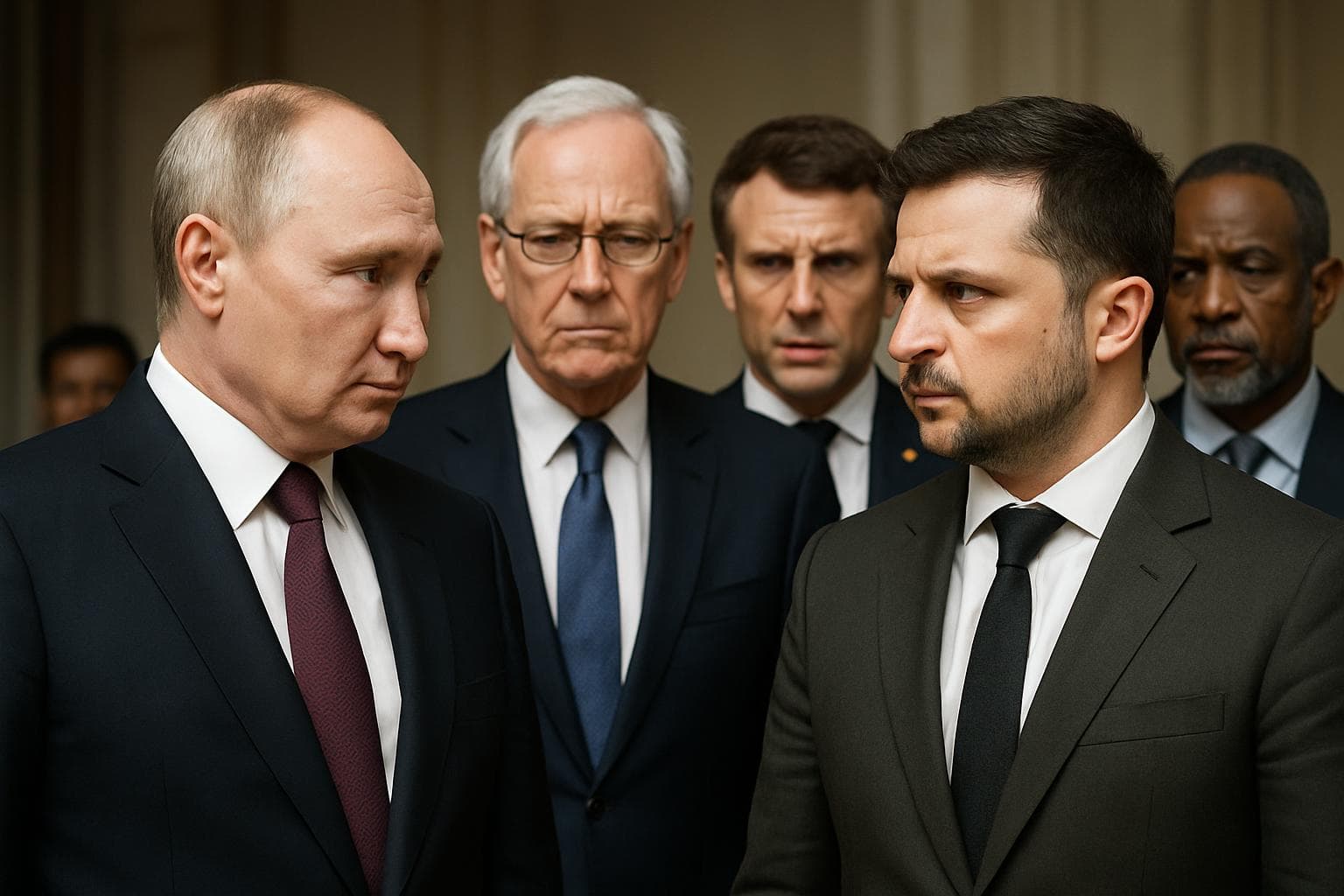
Efforts to organize a high-stakes summit between Russian President Vladimir Putin and Ukrainian President Volodymyr Zelensky have hit a roadblock, despite initial optimism from former U.S. President Donald Trump. The proposed meeting, which aims to address the ongoing conflict between Russia and Ukraine, has seen potential venues such as Geneva, Vienna, Budapest, and Istanbul suggested, yet no definitive location has been agreed upon.
Diplomatic Efforts and Challenges
Trump, who had previously expressed confidence in facilitating the summit, has now adopted a "wait-and-see approach," according to administration officials. He has indicated that he will not directly intervene in the organization of the meeting, preferring instead to observe the developments. In a recent interview, Trump stated, "I just want to see what happens at the meeting," highlighting his current stance on the matter.
The Kremlin's position remains a significant hurdle. Russian Foreign Minister Sergei Lavrov has reiterated that any meeting would require preconditions that Kyiv finds unacceptable. Moscow's proposed security guarantees for Ukraine, which include a veto power over military interventions, have been rejected by Ukraine in the past. Lavrov emphasized that alternative security frameworks would be "an absolutely futile undertaking."
Security Guarantees and Political Stalemate
The issue of security guarantees is central to the negotiations. Zelensky has insisted that any agreement must involve Western military support and exclude Russian influence, a condition that Moscow is unlikely to accept. This impasse has led to a diplomatic stalemate, with both sides accusing each other of undermining the peace process.
Despite these challenges, there remains a glimmer of hope. German Chancellor Friedrich Merz has suggested that a meeting could occur within two weeks, though he acknowledged the uncertainty surrounding Putin's willingness to participate. Meanwhile, NATO Secretary General Mark Rutte has expressed cautious optimism about the prospects for a summit.
WHAT THIS MIGHT MEAN
The future of the Putin-Zelensky summit remains uncertain, with significant diplomatic and political hurdles yet to be overcome. If the meeting does take place, it could potentially pave the way for a broader peace agreement, provided both sides are willing to compromise on key issues such as security guarantees. However, the entrenched positions of Russia and Ukraine suggest that any progress will be slow and fraught with challenges.
Experts suggest that the involvement of international mediators could be crucial in breaking the deadlock. The role of Western allies, particularly in providing security assurances to Ukraine, will also be pivotal in shaping the outcome of the negotiations. As the situation evolves, the international community will be closely watching for any signs of a breakthrough in this complex diplomatic landscape.
Related Articles
Russian LNG Tanker Sinks in Mediterranean Amid Accusations of Ukrainian Drone Attack
Spain's Sánchez Stands Firm Against Trump's Trade Threat Over Iran Stance
US-Iran Tensions Escalate Amid Renewed Nuclear Talks and Protests

Russia-Ukraine Conflict: Four Years of Unyielding Struggle and Human Resilience

Senate Blocks Resolution to Limit Trump's Military Actions in Iran
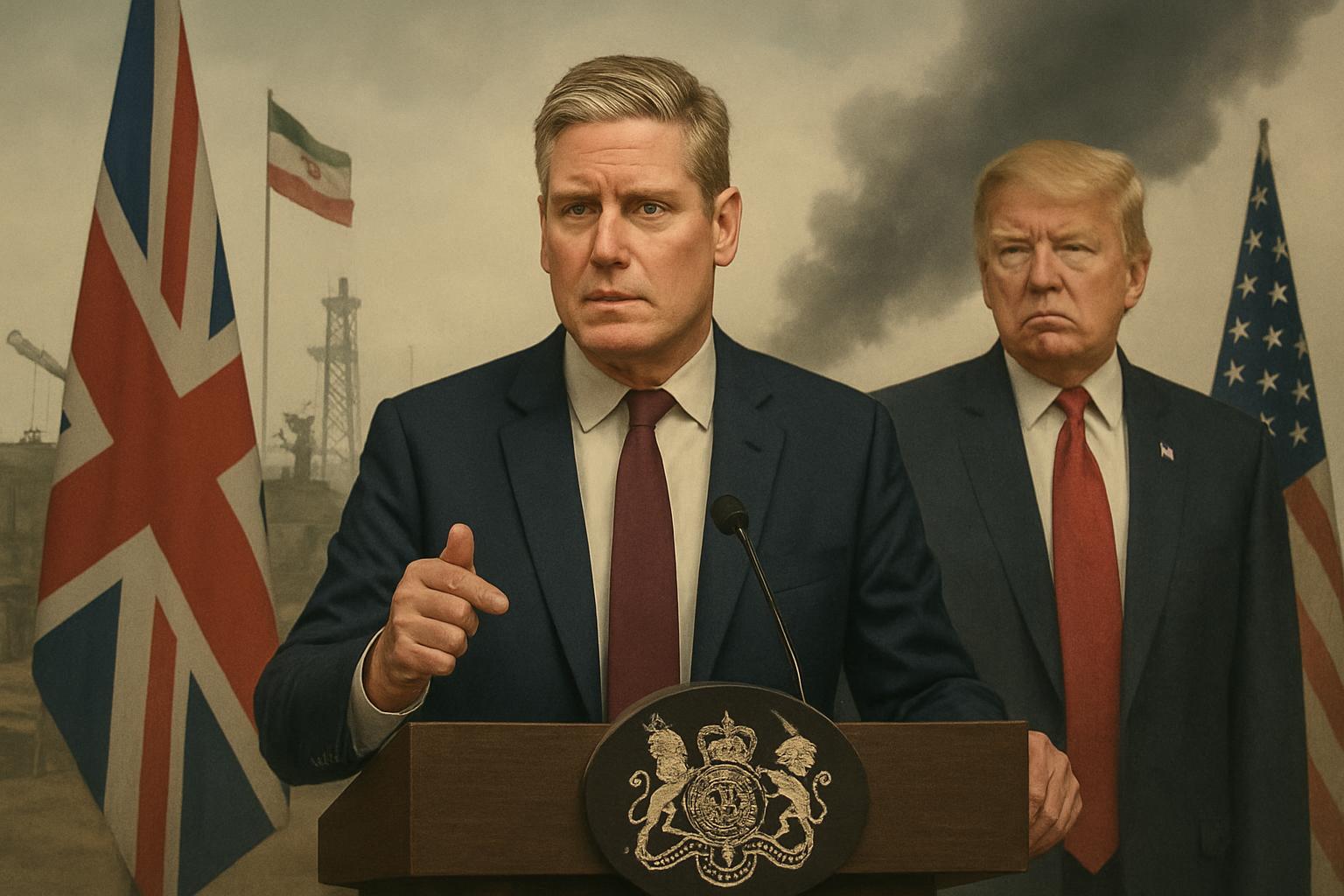
UK-Iran Tensions: Starmer Defends Cautious Approach Amid Trump Criticism
Stalled Diplomacy: Putin-Zelensky Summit Faces Uncertainty Amidst Complex Negotiations
In This Article
 Ethan Brooks| Published
 HIGHLIGHTS
- Plans for a summit between Putin and Zelensky are stalling despite initial optimism from Donald Trump.
- Potential venues for the meeting include Geneva, Vienna, Budapest, and Istanbul, but no location has been finalized.
- Trump has taken a "wait-and-see approach" and is not directly involved in organizing the summit at this stage.
- Russia's security guarantees for Ukraine remain a contentious issue, with Moscow's proposals previously rejected by Kyiv.
- Both Russia and Ukraine remain firm in their positions, complicating the prospects for a successful bilateral meeting.
Efforts to organize a high-stakes summit between Russian President Vladimir Putin and Ukrainian President Volodymyr Zelensky have hit a roadblock, despite initial optimism from former U.S. President Donald Trump. The proposed meeting, which aims to address the ongoing conflict between Russia and Ukraine, has seen potential venues such as Geneva, Vienna, Budapest, and Istanbul suggested, yet no definitive location has been agreed upon.
Diplomatic Efforts and Challenges
Trump, who had previously expressed confidence in facilitating the summit, has now adopted a "wait-and-see approach," according to administration officials. He has indicated that he will not directly intervene in the organization of the meeting, preferring instead to observe the developments. In a recent interview, Trump stated, "I just want to see what happens at the meeting," highlighting his current stance on the matter.
The Kremlin's position remains a significant hurdle. Russian Foreign Minister Sergei Lavrov has reiterated that any meeting would require preconditions that Kyiv finds unacceptable. Moscow's proposed security guarantees for Ukraine, which include a veto power over military interventions, have been rejected by Ukraine in the past. Lavrov emphasized that alternative security frameworks would be "an absolutely futile undertaking."
Security Guarantees and Political Stalemate
The issue of security guarantees is central to the negotiations. Zelensky has insisted that any agreement must involve Western military support and exclude Russian influence, a condition that Moscow is unlikely to accept. This impasse has led to a diplomatic stalemate, with both sides accusing each other of undermining the peace process.
Despite these challenges, there remains a glimmer of hope. German Chancellor Friedrich Merz has suggested that a meeting could occur within two weeks, though he acknowledged the uncertainty surrounding Putin's willingness to participate. Meanwhile, NATO Secretary General Mark Rutte has expressed cautious optimism about the prospects for a summit.
WHAT THIS MIGHT MEAN
The future of the Putin-Zelensky summit remains uncertain, with significant diplomatic and political hurdles yet to be overcome. If the meeting does take place, it could potentially pave the way for a broader peace agreement, provided both sides are willing to compromise on key issues such as security guarantees. However, the entrenched positions of Russia and Ukraine suggest that any progress will be slow and fraught with challenges.
Experts suggest that the involvement of international mediators could be crucial in breaking the deadlock. The role of Western allies, particularly in providing security assurances to Ukraine, will also be pivotal in shaping the outcome of the negotiations. As the situation evolves, the international community will be closely watching for any signs of a breakthrough in this complex diplomatic landscape.
Related Articles
Russian LNG Tanker Sinks in Mediterranean Amid Accusations of Ukrainian Drone Attack
Spain's Sánchez Stands Firm Against Trump's Trade Threat Over Iran Stance
US-Iran Tensions Escalate Amid Renewed Nuclear Talks and Protests
Russia-Ukraine Conflict: Four Years of Unyielding Struggle and Human Resilience
Senate Blocks Resolution to Limit Trump's Military Actions in Iran
UK-Iran Tensions: Starmer Defends Cautious Approach Amid Trump Criticism