
Putin's Visit to India: Strengthening Ties Amid Global Tensions
In This Article
HIGHLIGHTS
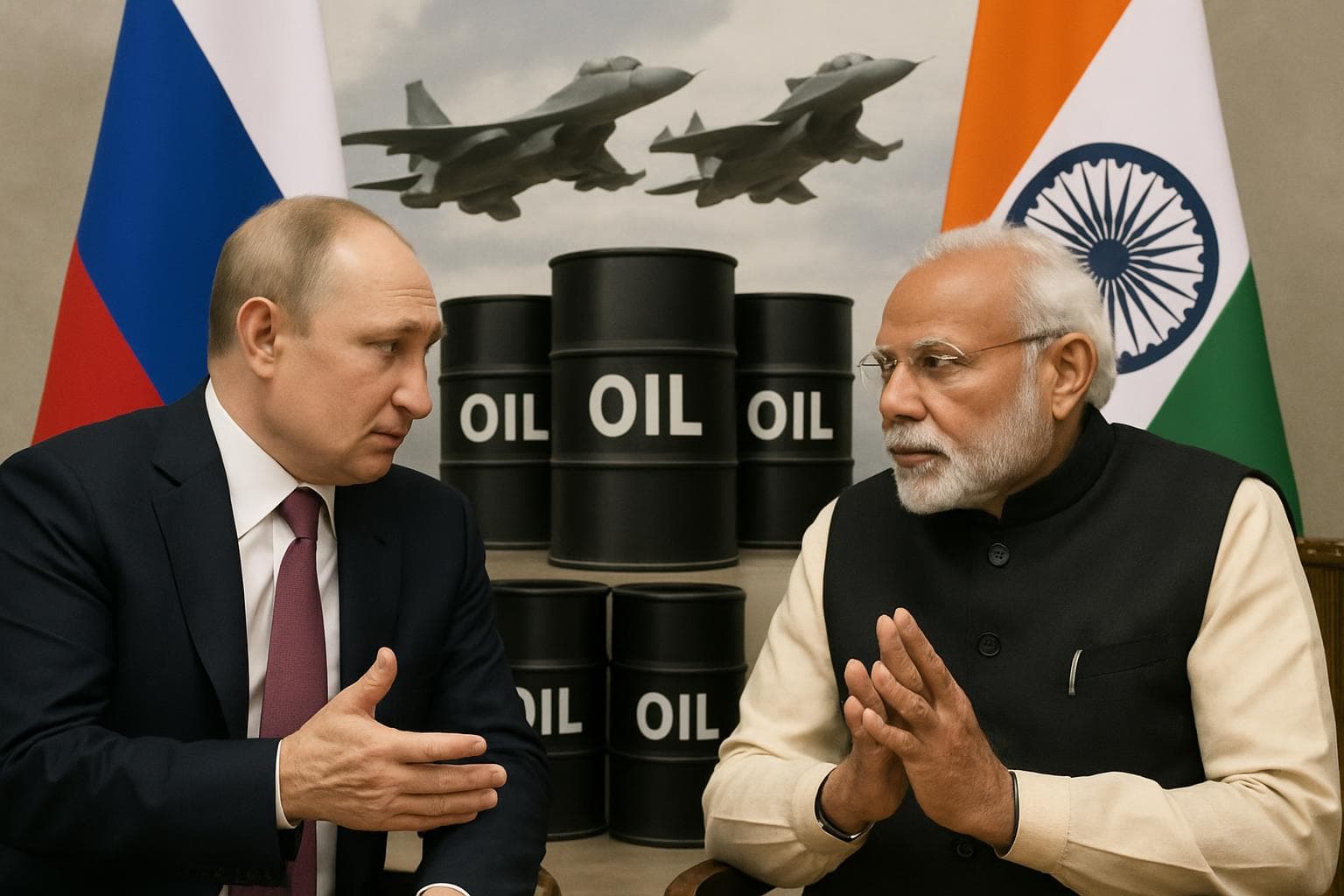
- Russian President Vladimir Putin is visiting India to meet Prime Minister Narendra Modi amid heightened geopolitical tensions.
- The visit underscores the enduring Russia-India relationship, despite Western pressure over the Ukraine conflict.
- India has significantly increased its imports of Russian oil, now accounting for 35% of its total oil imports.
- The summit is expected to result in defense deals, including potential purchases of Russian fighter jets and air defense systems.
- The meeting highlights India's strategic balancing act between Russia, the US, and China.
Russian President Vladimir Putin's visit to India marks a significant moment in the longstanding relationship between the two nations, as both countries navigate a complex geopolitical landscape. During his two-day visit, Putin is set to meet with Indian Prime Minister Narendra Modi, with discussions expected to focus on economic and military cooperation.
Economic and Energy Interests
India, the world's fastest-growing major economy, has become an increasingly important market for Russian goods, particularly oil. Since the onset of the Ukraine conflict, India's imports of Russian oil have surged from 2.5% to 35% of its total oil imports, driven by discounted prices amid Western sanctions on Moscow. This shift has drawn criticism from the United States, which has imposed additional tariffs on Indian goods in response.
Defense and Strategic Partnerships
Defense cooperation remains a cornerstone of Russia-India relations, with reports suggesting that India may purchase advanced Russian fighter jets and air defense systems. This military collaboration dates back to Soviet times and continues to be a vital aspect of their partnership. Russia also views India as a source of skilled labor, which is increasingly important given its domestic labor shortages.
Geopolitical Dynamics
The visit comes at a time when both Russia and India face significant geopolitical challenges. For Russia, the meeting with Modi serves as a demonstration of its ability to maintain international relationships despite Western efforts to isolate it over the Ukraine conflict. Meanwhile, India must carefully balance its ties with Russia, the US, and China, as it navigates a challenging geopolitical environment.
Diplomatic Reactions
The summit has not gone unnoticed by Western powers. A joint opinion piece by European diplomats in India criticized Russia's stance on the Ukraine conflict, prompting a sharp rebuke from India's foreign ministry. This incident underscores the delicate diplomatic tightrope India must walk as it manages its international relationships.
WHAT THIS MIGHT MEAN
The outcome of Putin's visit to India could have significant implications for global geopolitics. Strengthened Russia-India ties may further complicate US efforts to isolate Russia over the Ukraine conflict. Additionally, any new defense agreements could alter regional power dynamics, particularly in relation to China. As India continues to assert its strategic autonomy, its ability to balance relationships with major powers will be crucial in shaping its future foreign policy.
Related Articles
China Sets Lowest GDP Growth Target in Decades Amid Economic Challenges
Russian LNG Tanker Sinks in Mediterranean Amid Accusations of Ukrainian Drone Attack

UK Faces Dilemmas Amid Iran Conflict and China Spying Allegations
Iran Postpones Khamenei Funeral Amid Escalating US-Israeli Strikes

Canada and Australia Forge Strategic Partnership Amid Global Uncertainty

Tech Giants Pledge to Cover AI Data Center Energy Costs Amid Rising Electricity Concerns
Putin's Visit to India: Strengthening Ties Amid Global Tensions
In This Article
HIGHLIGHTS
- Russian President Vladimir Putin is visiting India to meet Prime Minister Narendra Modi amid heightened geopolitical tensions.
- The visit underscores the enduring Russia-India relationship, despite Western pressure over the Ukraine conflict.
- India has significantly increased its imports of Russian oil, now accounting for 35% of its total oil imports.
- The summit is expected to result in defense deals, including potential purchases of Russian fighter jets and air defense systems.
- The meeting highlights India's strategic balancing act between Russia, the US, and China.
Russian President Vladimir Putin's visit to India marks a significant moment in the longstanding relationship between the two nations, as both countries navigate a complex geopolitical landscape. During his two-day visit, Putin is set to meet with Indian Prime Minister Narendra Modi, with discussions expected to focus on economic and military cooperation.
Economic and Energy Interests
India, the world's fastest-growing major economy, has become an increasingly important market for Russian goods, particularly oil. Since the onset of the Ukraine conflict, India's imports of Russian oil have surged from 2.5% to 35% of its total oil imports, driven by discounted prices amid Western sanctions on Moscow. This shift has drawn criticism from the United States, which has imposed additional tariffs on Indian goods in response.
Defense and Strategic Partnerships
Defense cooperation remains a cornerstone of Russia-India relations, with reports suggesting that India may purchase advanced Russian fighter jets and air defense systems. This military collaboration dates back to Soviet times and continues to be a vital aspect of their partnership. Russia also views India as a source of skilled labor, which is increasingly important given its domestic labor shortages.
Geopolitical Dynamics
The visit comes at a time when both Russia and India face significant geopolitical challenges. For Russia, the meeting with Modi serves as a demonstration of its ability to maintain international relationships despite Western efforts to isolate it over the Ukraine conflict. Meanwhile, India must carefully balance its ties with Russia, the US, and China, as it navigates a challenging geopolitical environment.
Diplomatic Reactions
The summit has not gone unnoticed by Western powers. A joint opinion piece by European diplomats in India criticized Russia's stance on the Ukraine conflict, prompting a sharp rebuke from India's foreign ministry. This incident underscores the delicate diplomatic tightrope India must walk as it manages its international relationships.
WHAT THIS MIGHT MEAN
The outcome of Putin's visit to India could have significant implications for global geopolitics. Strengthened Russia-India ties may further complicate US efforts to isolate Russia over the Ukraine conflict. Additionally, any new defense agreements could alter regional power dynamics, particularly in relation to China. As India continues to assert its strategic autonomy, its ability to balance relationships with major powers will be crucial in shaping its future foreign policy.
Related Articles
China Sets Lowest GDP Growth Target in Decades Amid Economic Challenges
Russian LNG Tanker Sinks in Mediterranean Amid Accusations of Ukrainian Drone Attack
UK Faces Dilemmas Amid Iran Conflict and China Spying Allegations
Iran Postpones Khamenei Funeral Amid Escalating US-Israeli Strikes
Canada and Australia Forge Strategic Partnership Amid Global Uncertainty
Tech Giants Pledge to Cover AI Data Center Energy Costs Amid Rising Electricity Concerns