
Rachel Reeves Unveils Ambitious Budget with Welfare Reforms and New Taxes
In This Article
HIGHLIGHTS
- Rachel Reeves plans to introduce a property tax surcharge on homes worth over £2 million, affecting around 100,000 properties.
- The chancellor will lift the two-child benefits cap, costing £3 billion, while also cracking down on benefit fraud to save £1.2 billion.
- A freeze on income tax thresholds until 2030 could cost pensioners £7 billion over two years, according to House of Commons Library research.
- Reeves aims to tax international student fees to fund maintenance grants for poorer British students.
- The government is also freezing rail fares and prescription fees while introducing new taxes on high-value properties and electric cars.
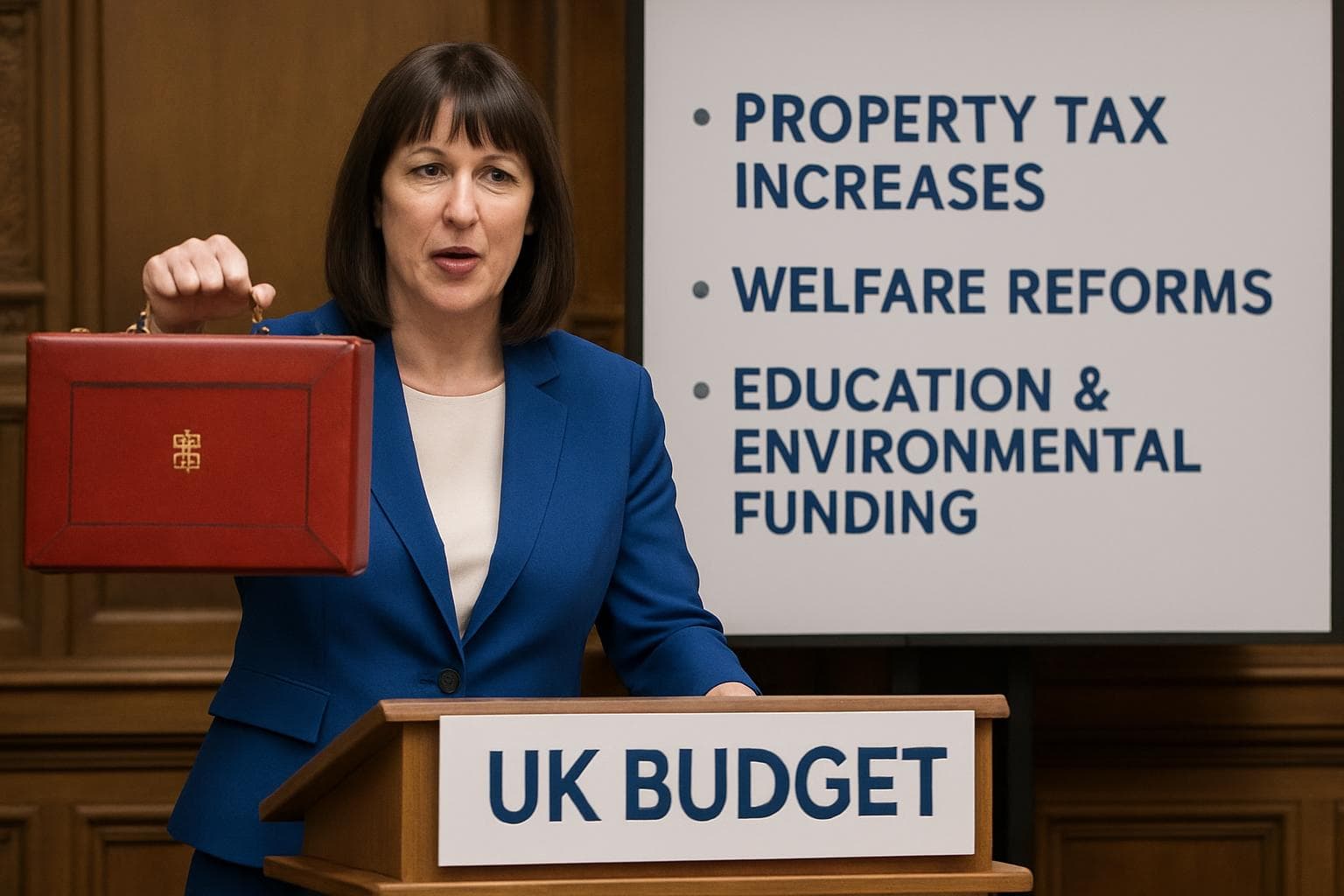
Rachel Reeves, the UK Chancellor, is set to announce a series of sweeping changes in her upcoming budget, focusing on welfare reforms and new tax measures. The budget, scheduled for Wednesday, aims to address rising welfare costs while introducing new revenue streams through targeted taxation.
Property Tax and Welfare Reforms
A key feature of Reeves' budget is a property tax surcharge on homes valued over £2 million, which is expected to impact approximately 100,000 properties. This measure is part of a broader strategy to generate funds for welfare initiatives. Additionally, Reeves plans to abolish the two-child benefits cap, a move that will cost an estimated £3 billion. This decision has been welcomed by Labour MPs who have long criticized the cap for exacerbating child poverty.
Crackdown on Benefit Fraud
In tandem with lifting the benefits cap, Reeves is launching a crackdown on benefit fraud, aiming to save £1.2 billion by identifying incorrect universal credit payments through 2031. A Treasury source emphasized the importance of ensuring taxpayer money is spent wisely, stating, "We will never tolerate fraud, error, or waste in the welfare system."
Impact on Taxpayers and Pensioners
The budget also includes a freeze on income tax thresholds until 2030, a move that could cost pensioners £7 billion over two years, according to research from the House of Commons Library. This freeze is expected to bring more earners into higher tax bands as wages rise, affecting around 9 million people by 2030.
Education and Environmental Taxes
Reeves is also targeting international student fees, proposing a tax to fund maintenance grants for British students from low-income backgrounds. Furthermore, the budget introduces a pay-per-mile scheme for electric cars and higher taxes on the most expensive properties, including a surcharge on homes worth more than £2 million.
Public Services and Cost of Living
To alleviate the cost of living, the government is freezing rail fares and prescription fees. These measures are part of a broader effort to balance public service investment with the need for increased tax revenue.
WHAT THIS MIGHT MEAN
The proposed budget by Rachel Reeves is likely to spark significant debate across the political spectrum. While the removal of the two-child benefits cap may garner support from Labour and social welfare advocates, the increased tax burden on high-value properties and the freeze on tax thresholds could face opposition from conservative factions and taxpayers. The crackdown on benefit fraud may be seen as a necessary measure to ensure the integrity of the welfare system, but it could also raise concerns about the potential impact on vulnerable populations.
As the budget unfolds, the political implications will become clearer, particularly in how these measures align with broader economic goals and public sentiment. The focus on funding education through international student fees and addressing environmental concerns with new taxes on electric vehicles may reflect a strategic shift towards long-term sustainability and social equity. However, the success of these initiatives will depend on their implementation and the government's ability to effectively communicate their benefits to the public.
Related Articles
Middle East Conflict Drives UK Energy Prices to New Highs
UK Achieves Record Budget Surplus Amid Calls for Fiscal Policy Reform
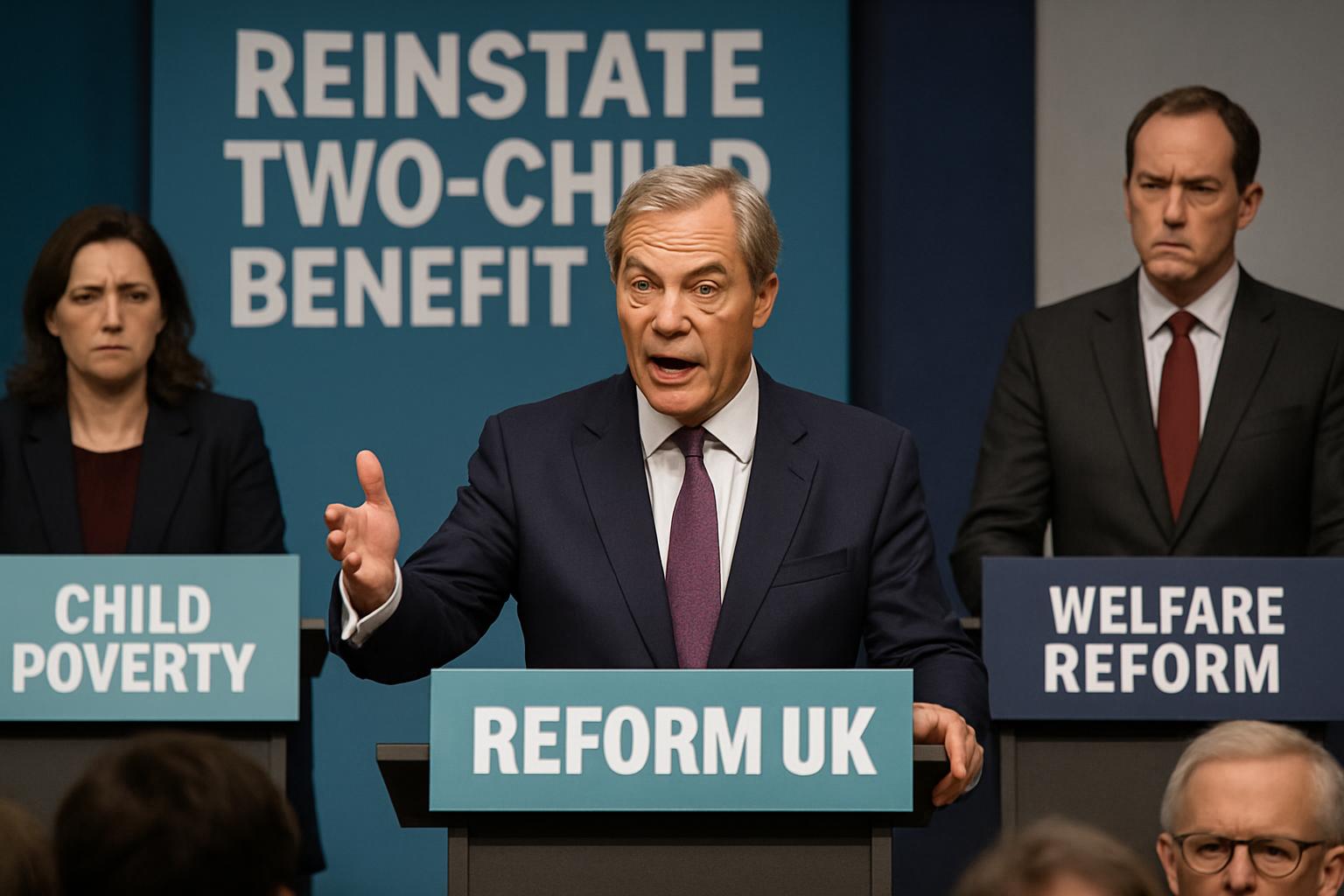
Reform UK to Reinstate Two-Child Benefit Cap Amidst Political Controversy

Reform UK Pledges to Retain and Reform Budget Watchdog Amid Leadership Changes
UK Inflation Drops to 3% in January, Sparking Interest Rate Cut Speculation
UK Government Reconsiders Youth Minimum Wage Policy Amid Rising Unemployment
Rachel Reeves Unveils Ambitious Budget with Welfare Reforms and New Taxes
In This Article
 Daniel Rivera| Published
 HIGHLIGHTS
- Rachel Reeves plans to introduce a property tax surcharge on homes worth over £2 million, affecting around 100,000 properties.
- The chancellor will lift the two-child benefits cap, costing £3 billion, while also cracking down on benefit fraud to save £1.2 billion.
- A freeze on income tax thresholds until 2030 could cost pensioners £7 billion over two years, according to House of Commons Library research.
- Reeves aims to tax international student fees to fund maintenance grants for poorer British students.
- The government is also freezing rail fares and prescription fees while introducing new taxes on high-value properties and electric cars.
Rachel Reeves, the UK Chancellor, is set to announce a series of sweeping changes in her upcoming budget, focusing on welfare reforms and new tax measures. The budget, scheduled for Wednesday, aims to address rising welfare costs while introducing new revenue streams through targeted taxation.
Property Tax and Welfare Reforms
A key feature of Reeves' budget is a property tax surcharge on homes valued over £2 million, which is expected to impact approximately 100,000 properties. This measure is part of a broader strategy to generate funds for welfare initiatives. Additionally, Reeves plans to abolish the two-child benefits cap, a move that will cost an estimated £3 billion. This decision has been welcomed by Labour MPs who have long criticized the cap for exacerbating child poverty.
Crackdown on Benefit Fraud
In tandem with lifting the benefits cap, Reeves is launching a crackdown on benefit fraud, aiming to save £1.2 billion by identifying incorrect universal credit payments through 2031. A Treasury source emphasized the importance of ensuring taxpayer money is spent wisely, stating, "We will never tolerate fraud, error, or waste in the welfare system."
Impact on Taxpayers and Pensioners
The budget also includes a freeze on income tax thresholds until 2030, a move that could cost pensioners £7 billion over two years, according to research from the House of Commons Library. This freeze is expected to bring more earners into higher tax bands as wages rise, affecting around 9 million people by 2030.
Education and Environmental Taxes
Reeves is also targeting international student fees, proposing a tax to fund maintenance grants for British students from low-income backgrounds. Furthermore, the budget introduces a pay-per-mile scheme for electric cars and higher taxes on the most expensive properties, including a surcharge on homes worth more than £2 million.
Public Services and Cost of Living
To alleviate the cost of living, the government is freezing rail fares and prescription fees. These measures are part of a broader effort to balance public service investment with the need for increased tax revenue.
WHAT THIS MIGHT MEAN
The proposed budget by Rachel Reeves is likely to spark significant debate across the political spectrum. While the removal of the two-child benefits cap may garner support from Labour and social welfare advocates, the increased tax burden on high-value properties and the freeze on tax thresholds could face opposition from conservative factions and taxpayers. The crackdown on benefit fraud may be seen as a necessary measure to ensure the integrity of the welfare system, but it could also raise concerns about the potential impact on vulnerable populations.
As the budget unfolds, the political implications will become clearer, particularly in how these measures align with broader economic goals and public sentiment. The focus on funding education through international student fees and addressing environmental concerns with new taxes on electric vehicles may reflect a strategic shift towards long-term sustainability and social equity. However, the success of these initiatives will depend on their implementation and the government's ability to effectively communicate their benefits to the public.
Related Articles
Middle East Conflict Drives UK Energy Prices to New Highs
UK Achieves Record Budget Surplus Amid Calls for Fiscal Policy Reform
Reform UK to Reinstate Two-Child Benefit Cap Amidst Political Controversy
Reform UK Pledges to Retain and Reform Budget Watchdog Amid Leadership Changes
UK Inflation Drops to 3% in January, Sparking Interest Rate Cut Speculation
UK Government Reconsiders Youth Minimum Wage Policy Amid Rising Unemployment