
Rachel Reeves Abandons Income Tax Hike Amid Improved Economic Forecasts
In This Article
HIGHLIGHTS
- Chancellor Rachel Reeves has decided against raising income tax rates after improved economic forecasts reduced the public finance gap from £30bn to £20bn.
- The decision to maintain income tax thresholds for two years is expected to raise £7.5bn, impacting workers due to inflation and wage growth.
- The U-turn on income tax plans follows internal political pressures and concerns about breaking Labour's manifesto promises.
- Government borrowing costs fluctuated amid speculation over Reeves's budget plans, reflecting market sensitivity to fiscal policy changes.
- Additional revenue-raising measures, such as increased gambling taxes and changes to pension schemes, are being considered to address the fiscal shortfall.
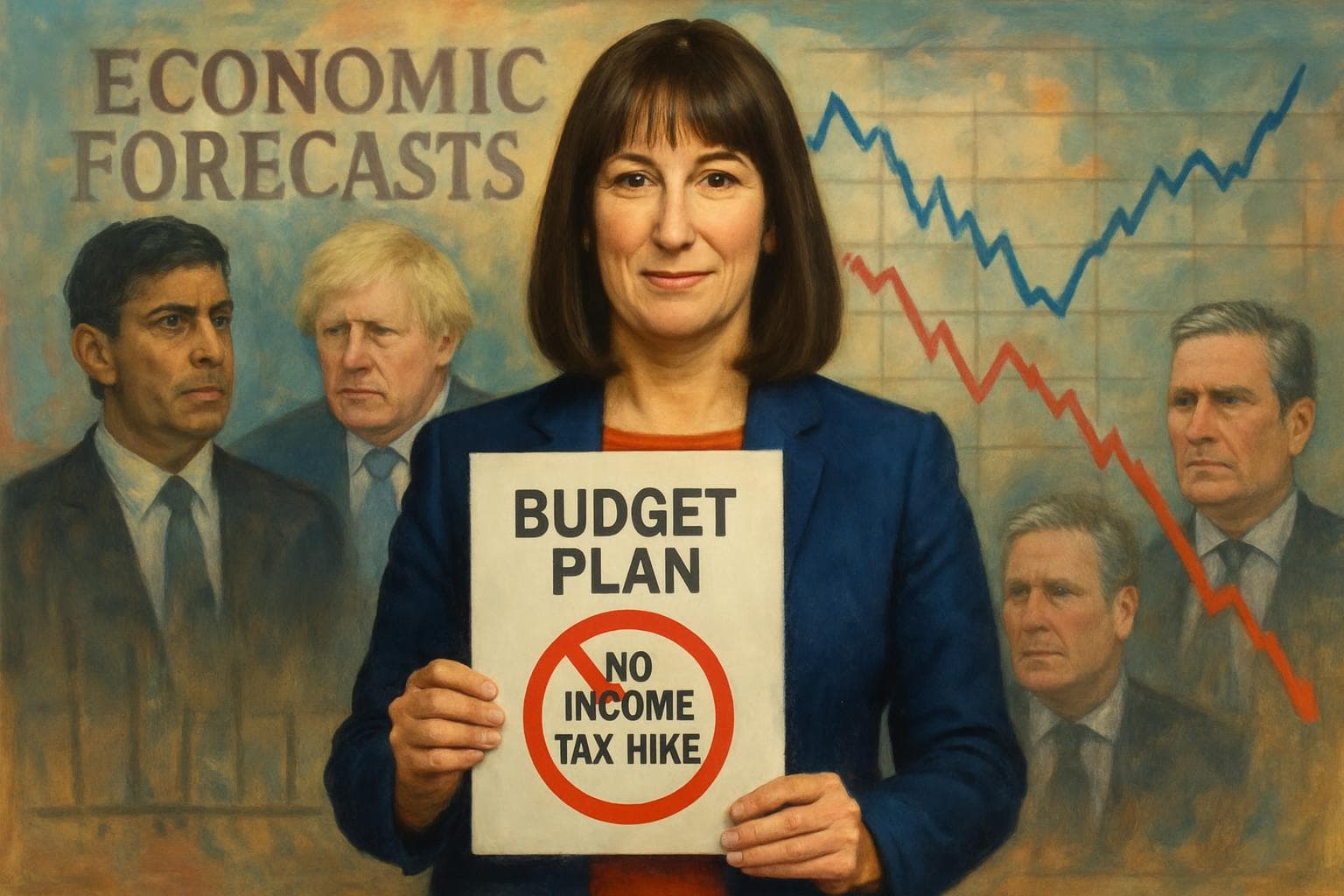
Chancellor Rachel Reeves has reversed her decision to raise income tax rates in the upcoming budget, opting instead to freeze tax thresholds for two years. This move comes after the Office for Budget Responsibility (OBR) provided more optimistic economic forecasts, reducing the projected public finance gap from £30bn to £20bn.
Economic Forecasts and Fiscal Strategy
Initially, Reeves had signaled a potential 2p increase in income tax rates, coupled with a 2p cut in National Insurance, to address the fiscal shortfall. However, improved projections for wages and tax receipts have allowed the government to reconsider this approach. By freezing income tax thresholds, the government aims to raise £7.5bn, although this measure will effectively increase the tax burden on workers due to inflation and wage growth.
Political and Market Reactions
The decision to abandon the income tax hike follows significant internal political pressure and concerns about breaking Labour's manifesto promises. Health Secretary Wes Streeting emphasized the importance of adhering to these commitments, stating, "It is really important that we keep our promises and we stand by our manifesto." The reversal also comes amid speculation about leadership challenges within the Labour Party, with Prime Minister Keir Starmer facing scrutiny.
The bond markets reacted to the fiscal uncertainty, with government borrowing costs initially rising before stabilizing. The Financial Times reported a spike in the effective borrowing cost for a 10-year gilt, reflecting market sensitivity to the government's fiscal decisions.
Alternative Revenue Measures
To address the remaining fiscal gap, Reeves is exploring additional revenue-raising measures. These include increasing taxes on gambling and revising pension schemes, which could collectively generate several billion pounds. Despite these efforts, Treasury sources indicate that further measures will be necessary to achieve the desired fiscal headroom.
WHAT THIS MIGHT MEAN
Looking ahead, the government's ability to navigate the fiscal challenges will be closely watched by both political stakeholders and financial markets. The decision to freeze tax thresholds, while politically safer, may face criticism for its impact on working individuals. Additionally, the effectiveness of alternative revenue measures will be crucial in maintaining fiscal discipline and market confidence.
Experts suggest that the government's fiscal strategy will need to balance economic realities with political commitments, particularly as Labour seeks to maintain credibility ahead of future elections. The evolving economic landscape and potential shifts in market conditions will continue to influence the government's budgetary decisions in the coming months.
Related Articles
UK Inflation Drops to 3% in January, Sparking Interest Rate Cut Speculation

UK Faces Dilemmas Amid Iran Conflict and China Spying Allegations
Labour MP's Husband Arrested in UK-China Espionage Probe
UK Achieves Record Budget Surplus Amid Calls for Fiscal Policy Reform

UK Government to Reform Asylum Seeker Support and Employment Policies
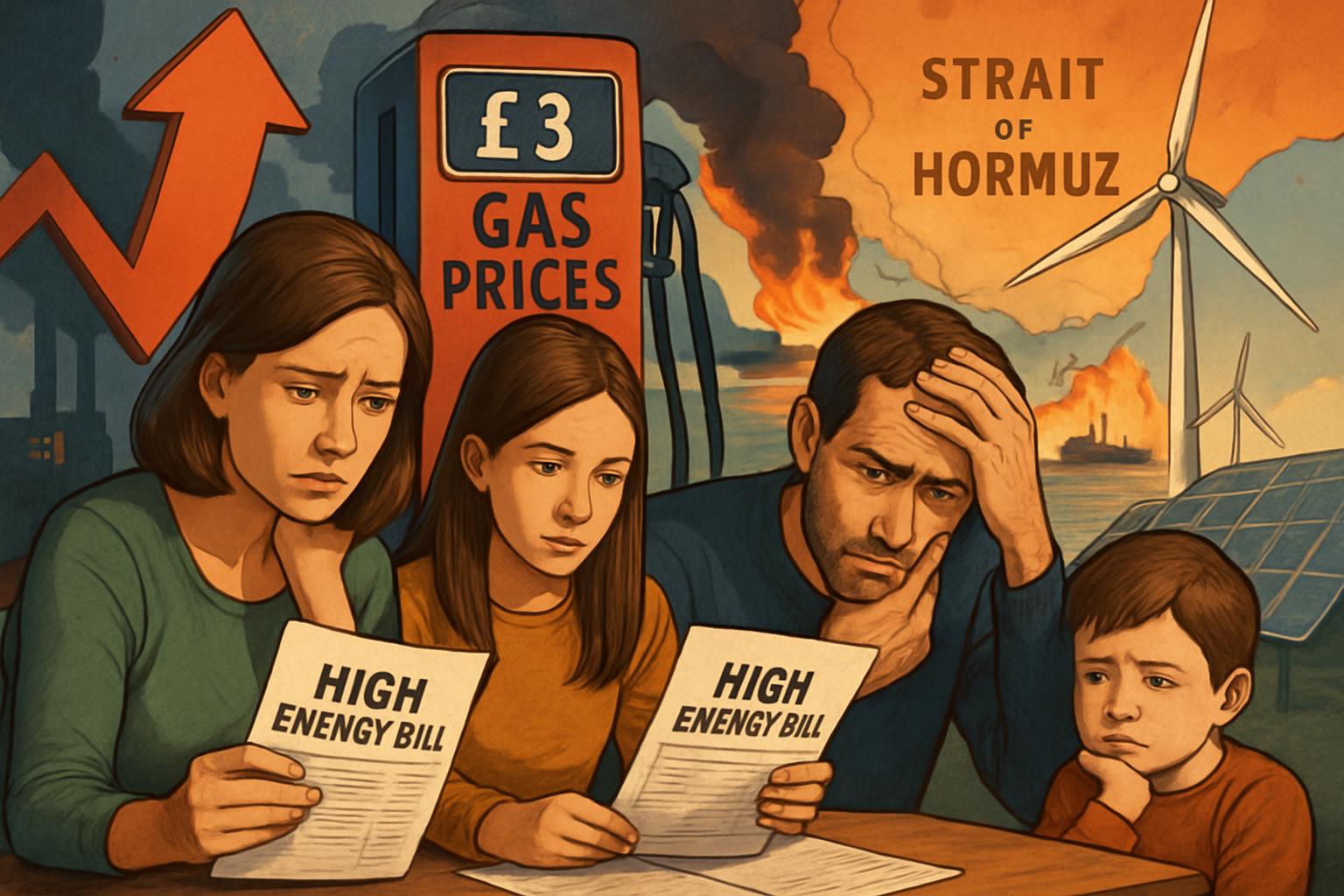
Middle East Conflict Drives UK Energy Prices to New Highs
Rachel Reeves Abandons Income Tax Hike Amid Improved Economic Forecasts
In This Article
 Daniel Rivera| Published
 HIGHLIGHTS
- Chancellor Rachel Reeves has decided against raising income tax rates after improved economic forecasts reduced the public finance gap from £30bn to £20bn.
- The decision to maintain income tax thresholds for two years is expected to raise £7.5bn, impacting workers due to inflation and wage growth.
- The U-turn on income tax plans follows internal political pressures and concerns about breaking Labour's manifesto promises.
- Government borrowing costs fluctuated amid speculation over Reeves's budget plans, reflecting market sensitivity to fiscal policy changes.
- Additional revenue-raising measures, such as increased gambling taxes and changes to pension schemes, are being considered to address the fiscal shortfall.
Chancellor Rachel Reeves has reversed her decision to raise income tax rates in the upcoming budget, opting instead to freeze tax thresholds for two years. This move comes after the Office for Budget Responsibility (OBR) provided more optimistic economic forecasts, reducing the projected public finance gap from £30bn to £20bn.
Economic Forecasts and Fiscal Strategy
Initially, Reeves had signaled a potential 2p increase in income tax rates, coupled with a 2p cut in National Insurance, to address the fiscal shortfall. However, improved projections for wages and tax receipts have allowed the government to reconsider this approach. By freezing income tax thresholds, the government aims to raise £7.5bn, although this measure will effectively increase the tax burden on workers due to inflation and wage growth.
Political and Market Reactions
The decision to abandon the income tax hike follows significant internal political pressure and concerns about breaking Labour's manifesto promises. Health Secretary Wes Streeting emphasized the importance of adhering to these commitments, stating, "It is really important that we keep our promises and we stand by our manifesto." The reversal also comes amid speculation about leadership challenges within the Labour Party, with Prime Minister Keir Starmer facing scrutiny.
The bond markets reacted to the fiscal uncertainty, with government borrowing costs initially rising before stabilizing. The Financial Times reported a spike in the effective borrowing cost for a 10-year gilt, reflecting market sensitivity to the government's fiscal decisions.
Alternative Revenue Measures
To address the remaining fiscal gap, Reeves is exploring additional revenue-raising measures. These include increasing taxes on gambling and revising pension schemes, which could collectively generate several billion pounds. Despite these efforts, Treasury sources indicate that further measures will be necessary to achieve the desired fiscal headroom.
WHAT THIS MIGHT MEAN
Looking ahead, the government's ability to navigate the fiscal challenges will be closely watched by both political stakeholders and financial markets. The decision to freeze tax thresholds, while politically safer, may face criticism for its impact on working individuals. Additionally, the effectiveness of alternative revenue measures will be crucial in maintaining fiscal discipline and market confidence.
Experts suggest that the government's fiscal strategy will need to balance economic realities with political commitments, particularly as Labour seeks to maintain credibility ahead of future elections. The evolving economic landscape and potential shifts in market conditions will continue to influence the government's budgetary decisions in the coming months.
Related Articles
UK Inflation Drops to 3% in January, Sparking Interest Rate Cut Speculation
UK Faces Dilemmas Amid Iran Conflict and China Spying Allegations
Labour MP's Husband Arrested in UK-China Espionage Probe
UK Achieves Record Budget Surplus Amid Calls for Fiscal Policy Reform
UK Government to Reform Asylum Seeker Support and Employment Policies
Middle East Conflict Drives UK Energy Prices to New Highs