
Record High Indigenous Deaths in Custody Highlight Systemic Failures in Australia

In This Article
HIGHLIGHTS
- Indigenous deaths in custody in Australia reached a record high, with 33 of 113 deaths in 2024-2025 involving Aboriginal and Torres Strait Islander people.
- Aboriginal and Torres Strait Islander people represent over one-third of prisoners but less than 4% of the population, highlighting racial disparities in incarceration.
- The majority of Indigenous deaths occurred in prison custody, with New South Wales recording the highest number.
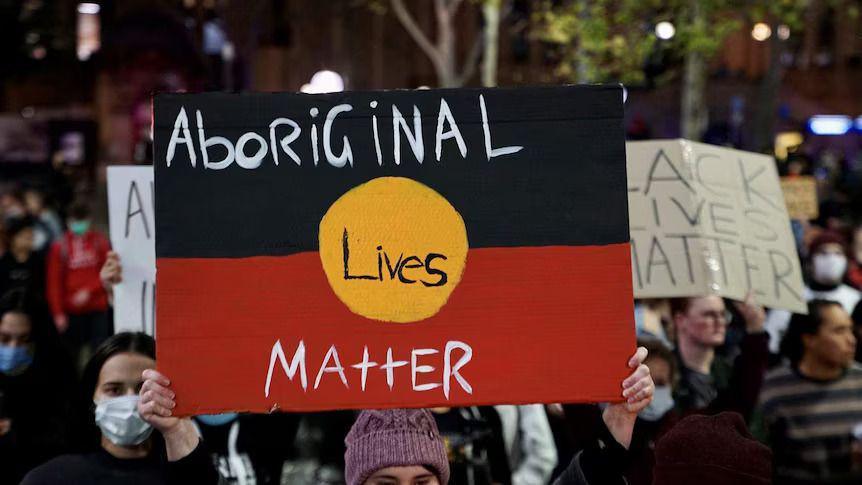
- Experts and advocates call for urgent political action, citing systemic failures and the lack of progress since the 1991 Royal Commission.
- Families of victims express frustration over the lack of change, despite ongoing rallies and advocacy efforts.
The number of Indigenous deaths in custody in Australia has reached its highest level since records began in 1980, according to a recent report by the Australian Institute of Criminology. In the 12 months leading up to June 2025, 33 of the 113 deaths in custody involved Aboriginal and Torres Strait Islander individuals, underscoring persistent racial disparities within the Australian criminal justice system.
Disproportionate Representation in Custody
Despite comprising less than 4% of the national population, Aboriginal and Torres Strait Islander people account for over one-third of all prisoners. The report reveals that 26 of the Indigenous deaths occurred in prison custody, with New South Wales recording the highest number at nine. The primary causes of death were identified as "self-inflicted" and "natural causes," with hanging being a significant factor in eight cases.
Calls for Urgent Action
The findings have reignited calls for systemic reform, echoing the recommendations of the 1991 Royal Commission into Aboriginal Deaths in Custody. Amanda Porter, an associate professor of criminal law at the University of Melbourne, described the situation as a "national crisis" requiring immediate political intervention. "It's maddening to see the number of inquests and funerals, 30 years after the royal commission, with no significant change," Porter told the ABC.
Personal Stories of Loss
The human toll of these statistics is deeply felt by families like that of Natasha Ugle, whose husband Wayne died in Perth's Hakea Prison in November 2023. "Nothing has changed," Ugle lamented, highlighting the emotional burden of repeated deaths in custody. Her sentiments were echoed by Nerita Waight, CEO of the Victorian Aboriginal Legal Service, who criticized "racist policing practices and harmful systems" for failing Indigenous communities.
Systemic Failures and Advocacy
Megan Krakouer, a Menang Noongar woman and social justice advocate, attributed the high number of deaths to inadequate support and oversight for First Nations people. "The reality is that police and prison custody is not a safe place for Aboriginal people," she stated, emphasizing the need for culturally informed services.
WHAT THIS MIGHT MEAN
The alarming rise in Indigenous deaths in custody could prompt renewed scrutiny of Australia's criminal justice policies and practices. Legal experts and advocates may push for comprehensive reforms, including the implementation of the Royal Commission's recommendations. Politically, the issue could become a focal point for Indigenous rights campaigns, potentially influencing policy changes at both state and federal levels. If systemic changes are not enacted, the cycle of advocacy and frustration is likely to continue, further straining relations between Indigenous communities and law enforcement agencies.
Images from the Web
Related Articles

Australia Bars IS-Linked Citizen from Returning Amidst Repatriation Debate
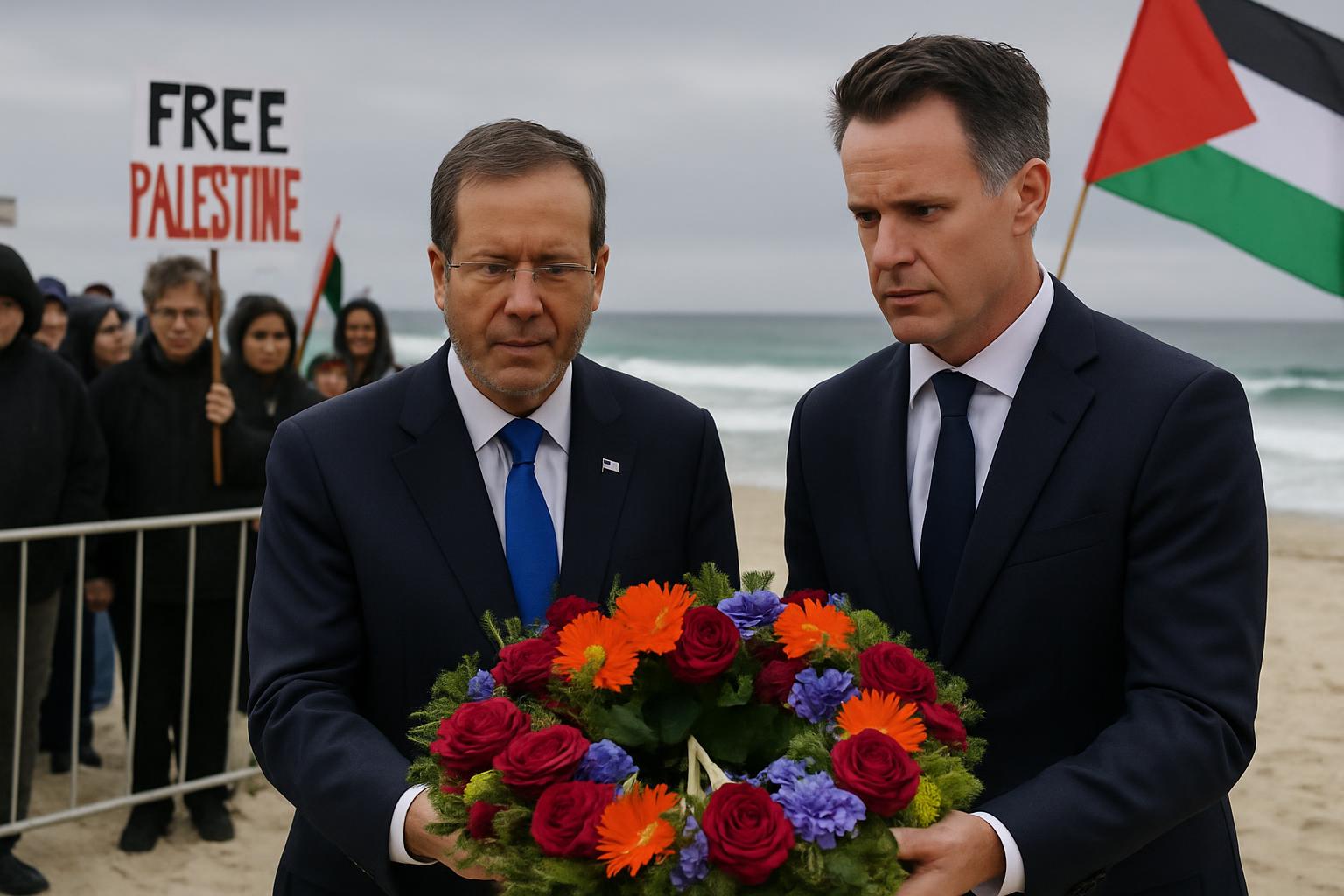
Israeli President Herzog's Visit to Australia Sparks Controversy Amid Calls for Unity

Canada and Australia Forge Strategic Partnership Amid Global Uncertainty

Canada Calls for De-escalation Amid US-Israel Strikes on Iran
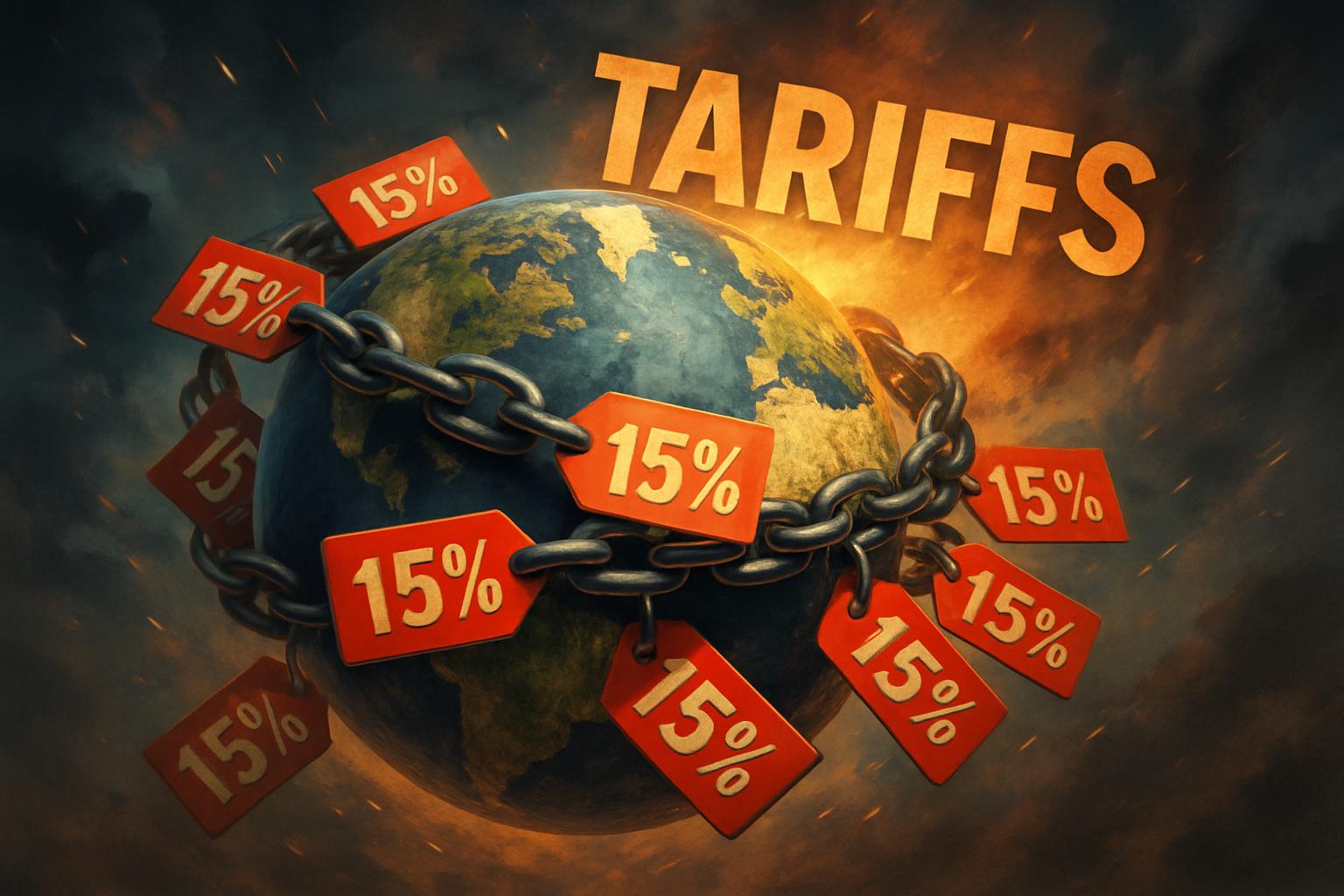
Trump's New Tariff Strategy Sparks Global Trade Uncertainty
Trump Raises Import Tariffs to 15% After Supreme Court Setback
Record High Indigenous Deaths in Custody Highlight Systemic Failures in Australia
In This Article
HIGHLIGHTS
- Indigenous deaths in custody in Australia reached a record high, with 33 of 113 deaths in 2024-2025 involving Aboriginal and Torres Strait Islander people.
- Aboriginal and Torres Strait Islander people represent over one-third of prisoners but less than 4% of the population, highlighting racial disparities in incarceration.
- The majority of Indigenous deaths occurred in prison custody, with New South Wales recording the highest number.
- Experts and advocates call for urgent political action, citing systemic failures and the lack of progress since the 1991 Royal Commission.
- Families of victims express frustration over the lack of change, despite ongoing rallies and advocacy efforts.
The number of Indigenous deaths in custody in Australia has reached its highest level since records began in 1980, according to a recent report by the Australian Institute of Criminology. In the 12 months leading up to June 2025, 33 of the 113 deaths in custody involved Aboriginal and Torres Strait Islander individuals, underscoring persistent racial disparities within the Australian criminal justice system.
Disproportionate Representation in Custody
Despite comprising less than 4% of the national population, Aboriginal and Torres Strait Islander people account for over one-third of all prisoners. The report reveals that 26 of the Indigenous deaths occurred in prison custody, with New South Wales recording the highest number at nine. The primary causes of death were identified as "self-inflicted" and "natural causes," with hanging being a significant factor in eight cases.
Calls for Urgent Action
The findings have reignited calls for systemic reform, echoing the recommendations of the 1991 Royal Commission into Aboriginal Deaths in Custody. Amanda Porter, an associate professor of criminal law at the University of Melbourne, described the situation as a "national crisis" requiring immediate political intervention. "It's maddening to see the number of inquests and funerals, 30 years after the royal commission, with no significant change," Porter told the ABC.
Personal Stories of Loss
The human toll of these statistics is deeply felt by families like that of Natasha Ugle, whose husband Wayne died in Perth's Hakea Prison in November 2023. "Nothing has changed," Ugle lamented, highlighting the emotional burden of repeated deaths in custody. Her sentiments were echoed by Nerita Waight, CEO of the Victorian Aboriginal Legal Service, who criticized "racist policing practices and harmful systems" for failing Indigenous communities.
Systemic Failures and Advocacy
Megan Krakouer, a Menang Noongar woman and social justice advocate, attributed the high number of deaths to inadequate support and oversight for First Nations people. "The reality is that police and prison custody is not a safe place for Aboriginal people," she stated, emphasizing the need for culturally informed services.
WHAT THIS MIGHT MEAN
The alarming rise in Indigenous deaths in custody could prompt renewed scrutiny of Australia's criminal justice policies and practices. Legal experts and advocates may push for comprehensive reforms, including the implementation of the Royal Commission's recommendations. Politically, the issue could become a focal point for Indigenous rights campaigns, potentially influencing policy changes at both state and federal levels. If systemic changes are not enacted, the cycle of advocacy and frustration is likely to continue, further straining relations between Indigenous communities and law enforcement agencies.
Images from the Web
Related Articles
Australia Bars IS-Linked Citizen from Returning Amidst Repatriation Debate
Israeli President Herzog's Visit to Australia Sparks Controversy Amid Calls for Unity
Canada and Australia Forge Strategic Partnership Amid Global Uncertainty
Canada Calls for De-escalation Amid US-Israel Strikes on Iran
Trump's New Tariff Strategy Sparks Global Trade Uncertainty
Trump Raises Import Tariffs to 15% After Supreme Court Setback