
Record Missile Strikes Hit Ukraine Amid Freezing Temperatures
In This Article
HIGHLIGHTS
- Russia launched a record number of missile and drone strikes on Ukraine's energy infrastructure amid freezing temperatures.
- President Zelensky accused Russia of violating a Trump-brokered truce intended to pause attacks during a cold snap.
- The strikes left over 1,000 buildings in Kyiv without heating and caused significant damage in Kharkiv.
- NATO Secretary-General Mark Rutte visited Kyiv, reaffirming support for Ukraine and criticizing Russia's actions.
- Peace talks involving Ukraine, Russia, and the US are scheduled in Abu Dhabi, aiming to address the ongoing conflict.
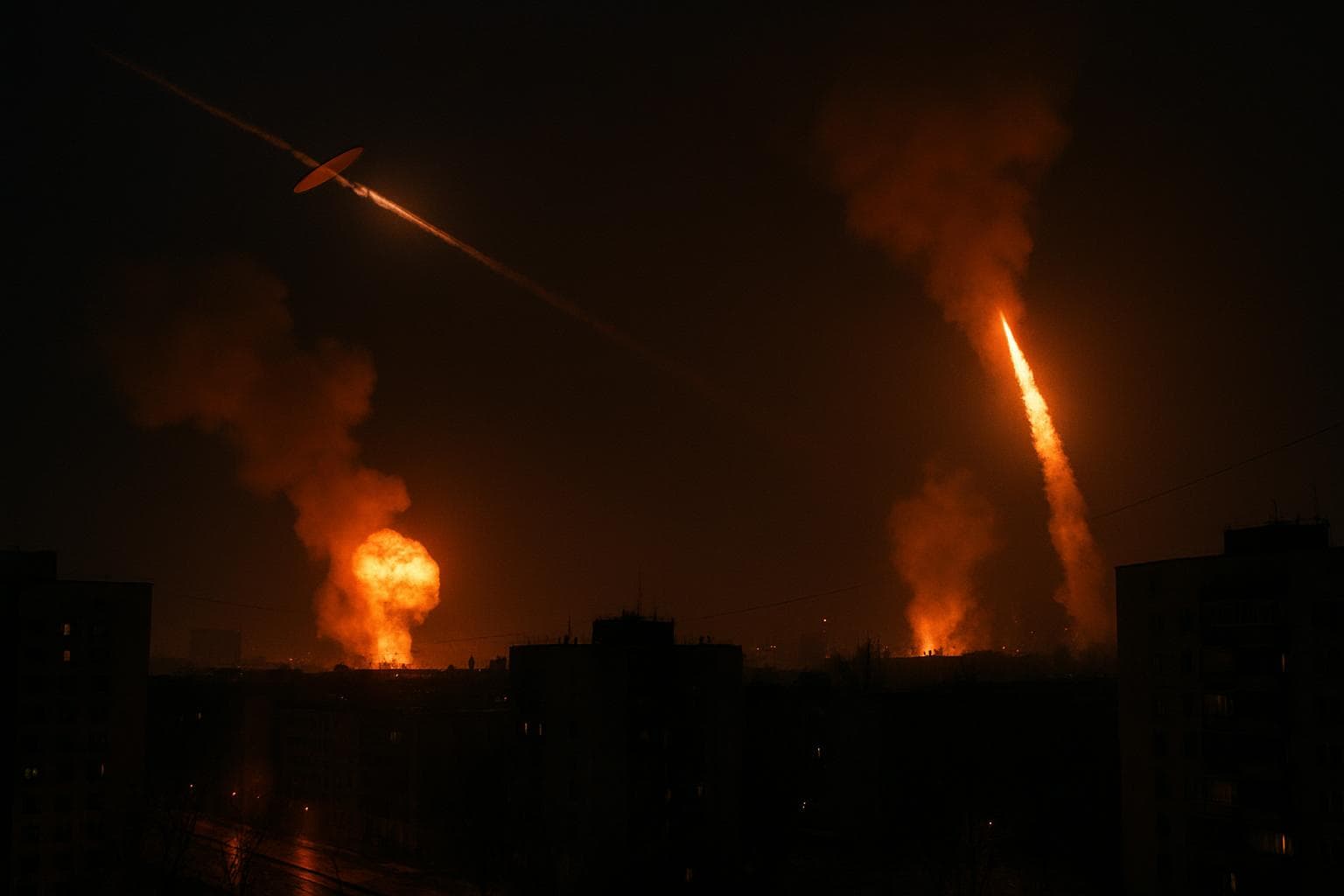
In a dramatic escalation of the ongoing conflict, Russia has launched a record number of missile and drone strikes on Ukraine's energy infrastructure, leaving thousands without heating as temperatures plummet to -20C (-4F). Ukrainian President Volodymyr Zelensky has accused Moscow of violating a truce brokered by former US President Donald Trump, which was intended to halt attacks during the harsh winter conditions.
The overnight assault targeted key energy facilities in Kyiv and Kharkiv, Ukraine's two largest cities, causing widespread power outages and leaving over 1,000 residential buildings without heating. The strikes, described by private energy company DTEK as "the most powerful blow" this year, also damaged a power plant in Kharkiv beyond repair.
Zelensky condemned Russia's actions, stating that the Kremlin is choosing "terror and escalation" over diplomacy. He called for increased pressure from Ukraine's allies, emphasizing the urgent need for air defense systems to protect the country. "Without pressure on Russia, there will be no end to this war," Zelensky wrote on social media.
The attacks coincided with a visit to Kyiv by NATO Secretary-General Mark Rutte, who reaffirmed the alliance's support for Ukraine. Rutte criticized Russia's actions, stating they do not "signal seriousness about peace," and urged NATO members to provide the necessary military support to Ukraine.
The missile strikes come on the eve of peace talks in Abu Dhabi, where representatives from Ukraine, Russia, and the US are set to discuss potential resolutions to the conflict. The previous round of negotiations failed to yield significant progress, but there is hope that the upcoming talks may pave the way for a lasting peace.
WHAT THIS MIGHT MEAN
The recent escalation in missile strikes underscores the fragility of any ceasefire agreements in the Ukraine conflict. As peace talks resume in Abu Dhabi, the international community will be closely watching for signs of progress. The involvement of the US and NATO suggests a continued commitment to supporting Ukraine, but the path to a lasting resolution remains uncertain.
Should the talks fail to produce a breakthrough, Ukraine may face further challenges in securing its energy infrastructure against future attacks. The ongoing conflict could also strain relations between Russia and Western nations, potentially leading to increased military and economic support for Ukraine.
Experts suggest that a coordinated international response, including diplomatic pressure and military aid, may be necessary to deter further aggression and encourage a peaceful resolution. However, the success of such efforts will largely depend on Russia's willingness to engage in meaningful negotiations and adhere to any agreements reached.
Related Articles

UK-Iran Tensions: Starmer Defends Cautious Approach Amid Trump Criticism
Spain's Sánchez Stands Firm Against Trump's Trade Threat Over Iran Stance
Russian LNG Tanker Sinks in Mediterranean Amid Accusations of Ukrainian Drone Attack
US and Israel Intensify Military Campaign as Iran's Capabilities Dwindle

Intensified US-Israel Strikes on Iran Spark Global Outcry
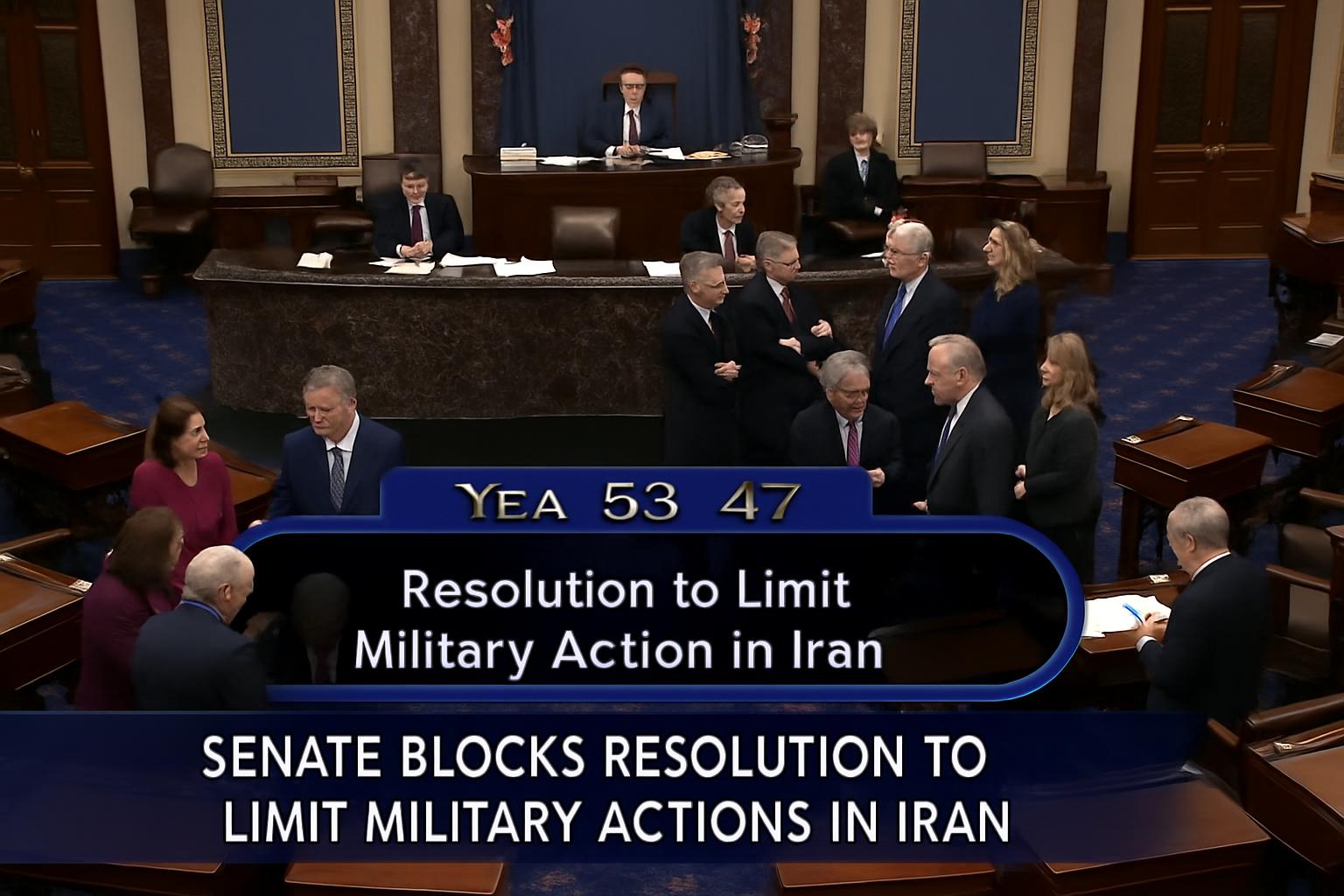
Senate Blocks Resolution to Limit Trump's Military Actions in Iran
Record Missile Strikes Hit Ukraine Amid Freezing Temperatures
In This Article
 Ethan Brooks| Published
 HIGHLIGHTS
- Russia launched a record number of missile and drone strikes on Ukraine's energy infrastructure amid freezing temperatures.
- President Zelensky accused Russia of violating a Trump-brokered truce intended to pause attacks during a cold snap.
- The strikes left over 1,000 buildings in Kyiv without heating and caused significant damage in Kharkiv.
- NATO Secretary-General Mark Rutte visited Kyiv, reaffirming support for Ukraine and criticizing Russia's actions.
- Peace talks involving Ukraine, Russia, and the US are scheduled in Abu Dhabi, aiming to address the ongoing conflict.
In a dramatic escalation of the ongoing conflict, Russia has launched a record number of missile and drone strikes on Ukraine's energy infrastructure, leaving thousands without heating as temperatures plummet to -20C (-4F). Ukrainian President Volodymyr Zelensky has accused Moscow of violating a truce brokered by former US President Donald Trump, which was intended to halt attacks during the harsh winter conditions.
The overnight assault targeted key energy facilities in Kyiv and Kharkiv, Ukraine's two largest cities, causing widespread power outages and leaving over 1,000 residential buildings without heating. The strikes, described by private energy company DTEK as "the most powerful blow" this year, also damaged a power plant in Kharkiv beyond repair.
Zelensky condemned Russia's actions, stating that the Kremlin is choosing "terror and escalation" over diplomacy. He called for increased pressure from Ukraine's allies, emphasizing the urgent need for air defense systems to protect the country. "Without pressure on Russia, there will be no end to this war," Zelensky wrote on social media.
The attacks coincided with a visit to Kyiv by NATO Secretary-General Mark Rutte, who reaffirmed the alliance's support for Ukraine. Rutte criticized Russia's actions, stating they do not "signal seriousness about peace," and urged NATO members to provide the necessary military support to Ukraine.
The missile strikes come on the eve of peace talks in Abu Dhabi, where representatives from Ukraine, Russia, and the US are set to discuss potential resolutions to the conflict. The previous round of negotiations failed to yield significant progress, but there is hope that the upcoming talks may pave the way for a lasting peace.
WHAT THIS MIGHT MEAN
The recent escalation in missile strikes underscores the fragility of any ceasefire agreements in the Ukraine conflict. As peace talks resume in Abu Dhabi, the international community will be closely watching for signs of progress. The involvement of the US and NATO suggests a continued commitment to supporting Ukraine, but the path to a lasting resolution remains uncertain.
Should the talks fail to produce a breakthrough, Ukraine may face further challenges in securing its energy infrastructure against future attacks. The ongoing conflict could also strain relations between Russia and Western nations, potentially leading to increased military and economic support for Ukraine.
Experts suggest that a coordinated international response, including diplomatic pressure and military aid, may be necessary to deter further aggression and encourage a peaceful resolution. However, the success of such efforts will largely depend on Russia's willingness to engage in meaningful negotiations and adhere to any agreements reached.
Related Articles
UK-Iran Tensions: Starmer Defends Cautious Approach Amid Trump Criticism
Spain's Sánchez Stands Firm Against Trump's Trade Threat Over Iran Stance
Russian LNG Tanker Sinks in Mediterranean Amid Accusations of Ukrainian Drone Attack
US and Israel Intensify Military Campaign as Iran's Capabilities Dwindle
Intensified US-Israel Strikes on Iran Spark Global Outcry
Senate Blocks Resolution to Limit Trump's Military Actions in Iran