
Reform UK Halts Sale of Council Farms Amid Climate Concerns Over Intensive Livestock Operations
In This Article
HIGHLIGHTS
- Reform UK has halted the sale of council-owned farms in Staffordshire, preserving 6,500 acres for agricultural use.
- The decision aims to support young farmers and maintain food security, while opposing the use of farmland for solar panels.
- A review found that applications for intensive livestock farms often omit climate impact data, despite legal requirements.
- Sustain's research highlights potential emissions from proposed megafarms, equating to 634,000 tonnes of CO2 annually.
- Councils face pressure to deny planning permissions to farms that fail to assess greenhouse gas emissions adequately.
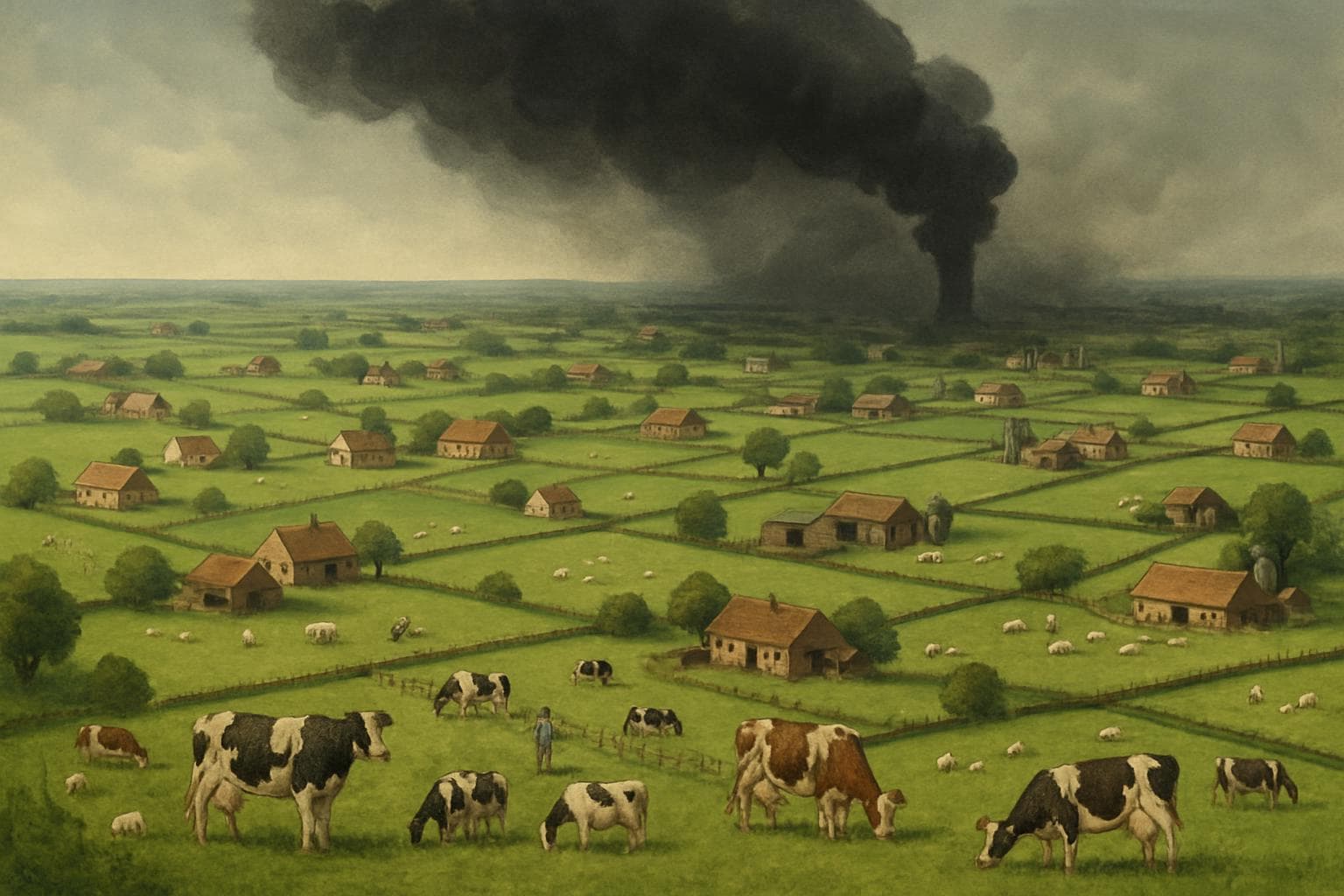
In a significant move to bolster agricultural productivity and support young farmers, Reform UK has decided to halt the sale of council-owned farms in Staffordshire. This decision affects approximately 6,500 acres of farmland, which includes 63 tenanted farms primarily focused on dairy and livestock production. The initiative is seen as a step towards ensuring food security and providing opportunities for new entrants in the farming industry.
Deputy leader Martin Murray emphasized the importance of this decision, stating, "We believe in food security, we believe in helping new farmers, young farmers get on the ladder to feed our nation." The council also expressed opposition to using farmland for solar panels, although the use of existing buildings for energy storage remains under consideration.
The sale of county farms has been a contentious issue in Staffordshire, with previous administrations considering similar moves to raise funds for public services. However, the current administration's stance has garnered support from various quarters, including Councillor Jack Rose of the Green Party, who highlighted the importance of protecting agricultural productivity and job security.
Meanwhile, a separate investigation by advocacy group Sustain has revealed that applications for intensive livestock farms across the UK are failing to disclose crucial climate impacts. Despite a landmark Supreme Court ruling in 2024 mandating the consideration of greenhouse gas emissions in planning applications, many proposals have omitted this data.
The research reviewed 35 proposed developments, which, if approved, could lead to the farming of an additional 30,000 pigs and nearly five million chickens annually. This expansion could result in an estimated 634,000 tonnes of CO2-equivalent emissions each year, raising significant environmental concerns.
Ruth Westcott, campaign manager at Sustain, criticized the lack of transparency, stating, "Vital information is being kept from councils and the public. It’s clear that agribusinesses don’t want to come clean about the pollution they cause." The findings have intensified pressure on local councils to deny planning permissions to farms that fail to adequately assess their environmental impact.
WHAT THIS MIGHT MEAN
The decision by Reform UK to halt the sale of council farms could set a precedent for other local authorities, potentially influencing national policies on agricultural land use. By prioritizing food security and supporting young farmers, the move may strengthen the local economy and safeguard against rising food prices.
Conversely, the revelations about intensive livestock farms' climate impacts could lead to stricter regulatory scrutiny and potentially hinder the expansion of such operations. As councils face mounting pressure from residents and environmental groups, future planning applications may require more rigorous environmental assessments to align with the UK's net-zero goals.
Overall, these developments underscore the growing tension between agricultural expansion and environmental sustainability, highlighting the need for balanced policies that address both economic and ecological concerns.
Images from the Web

Related Articles

UK Government to Reform Asylum Seeker Support and Employment Policies

UK Faces Dilemmas Amid Iran Conflict and China Spying Allegations

UK Reinforces Military Presence in Cyprus Amid Middle East Tensions

UK-Iran Tensions: Starmer Defends Cautious Approach Amid Trump Criticism
Persistent Safety Concerns in Nottingham Maternity Services Amidst Calls for Systemic Reform

Diplomatic Tensions Rise as Trump Criticizes Starmer's Iran Policy
Reform UK Halts Sale of Council Farms Amid Climate Concerns Over Intensive Livestock Operations
In This Article
 Ethan Brooks| Published
 HIGHLIGHTS
- Reform UK has halted the sale of council-owned farms in Staffordshire, preserving 6,500 acres for agricultural use.
- The decision aims to support young farmers and maintain food security, while opposing the use of farmland for solar panels.
- A review found that applications for intensive livestock farms often omit climate impact data, despite legal requirements.
- Sustain's research highlights potential emissions from proposed megafarms, equating to 634,000 tonnes of CO2 annually.
- Councils face pressure to deny planning permissions to farms that fail to assess greenhouse gas emissions adequately.
In a significant move to bolster agricultural productivity and support young farmers, Reform UK has decided to halt the sale of council-owned farms in Staffordshire. This decision affects approximately 6,500 acres of farmland, which includes 63 tenanted farms primarily focused on dairy and livestock production. The initiative is seen as a step towards ensuring food security and providing opportunities for new entrants in the farming industry.
Deputy leader Martin Murray emphasized the importance of this decision, stating, "We believe in food security, we believe in helping new farmers, young farmers get on the ladder to feed our nation." The council also expressed opposition to using farmland for solar panels, although the use of existing buildings for energy storage remains under consideration.
The sale of county farms has been a contentious issue in Staffordshire, with previous administrations considering similar moves to raise funds for public services. However, the current administration's stance has garnered support from various quarters, including Councillor Jack Rose of the Green Party, who highlighted the importance of protecting agricultural productivity and job security.
Meanwhile, a separate investigation by advocacy group Sustain has revealed that applications for intensive livestock farms across the UK are failing to disclose crucial climate impacts. Despite a landmark Supreme Court ruling in 2024 mandating the consideration of greenhouse gas emissions in planning applications, many proposals have omitted this data.
The research reviewed 35 proposed developments, which, if approved, could lead to the farming of an additional 30,000 pigs and nearly five million chickens annually. This expansion could result in an estimated 634,000 tonnes of CO2-equivalent emissions each year, raising significant environmental concerns.
Ruth Westcott, campaign manager at Sustain, criticized the lack of transparency, stating, "Vital information is being kept from councils and the public. It’s clear that agribusinesses don’t want to come clean about the pollution they cause." The findings have intensified pressure on local councils to deny planning permissions to farms that fail to adequately assess their environmental impact.
WHAT THIS MIGHT MEAN
The decision by Reform UK to halt the sale of council farms could set a precedent for other local authorities, potentially influencing national policies on agricultural land use. By prioritizing food security and supporting young farmers, the move may strengthen the local economy and safeguard against rising food prices.
Conversely, the revelations about intensive livestock farms' climate impacts could lead to stricter regulatory scrutiny and potentially hinder the expansion of such operations. As councils face mounting pressure from residents and environmental groups, future planning applications may require more rigorous environmental assessments to align with the UK's net-zero goals.
Overall, these developments underscore the growing tension between agricultural expansion and environmental sustainability, highlighting the need for balanced policies that address both economic and ecological concerns.
Images from the Web
Related Articles
UK Government to Reform Asylum Seeker Support and Employment Policies
UK Faces Dilemmas Amid Iran Conflict and China Spying Allegations
UK Reinforces Military Presence in Cyprus Amid Middle East Tensions
UK-Iran Tensions: Starmer Defends Cautious Approach Amid Trump Criticism
Persistent Safety Concerns in Nottingham Maternity Services Amidst Calls for Systemic Reform
Diplomatic Tensions Rise as Trump Criticizes Starmer's Iran Policy