
Resident Doctors Announce Five-Day Strike Amid Ongoing Pay Dispute

In This Article
HIGHLIGHTS
- Resident doctors in England plan a five-day strike from December 17 to 22, marking the 14th strike since March 2023.
- The British Medical Association (BMA) demands a pay increase, arguing that current pay is 20% lower than in 2008 when adjusted for inflation.
- The government has offered improved working conditions and additional training posts but refuses further pay negotiations.
- Previous strikes have led to significant NHS disruptions, with over 1.5 million appointments rescheduled and costs exceeding £300 million.
- The BMA's strike mandate expires in January, but a new ballot is planned to potentially extend it.
Resident doctors across England are set to stage a five-day strike from December 17 to 22, as tensions over pay and job security continue to escalate. This marks the 14th strike action by the British Medical Association (BMA) since March 2023, reflecting a deepening rift between the union and the government.
Background of the Dispute
The BMA, representing nearly half of the medical workforce, has been in a prolonged dispute with the government over pay. Despite receiving pay rises totaling nearly 30% over the past three years, the union argues that resident doctors' salaries remain 20% lower in real terms compared to 2008, due to inflation. Dr. Jack Fletcher, chair of the BMA's resident doctors committee, emphasized the need for a credible government plan to address both pay and job security issues.
Impact on the NHS
The strikes are expected to cause significant disruption to the NHS, particularly during the busy pre-Christmas period. NHS Providers' chief executive, Daniel Elkeles, described the strike as an "inflammatory act," stressing the importance of maintaining full staffing levels to manage patient care effectively. Previous strikes have already resulted in over 1.5 million rescheduled outpatient appointments and surgeries, with financial implications exceeding £300 million.
Government's Stance
Health Secretary Wes Streeting has maintained a firm stance against further pay negotiations, citing the substantial pay increases already granted. The government has proposed improvements in working conditions and additional training posts, but these measures have been rejected by the BMA as insufficient. The union insists that a further 26% pay increase is necessary to restore pay levels to their 2008 value.
Future Prospects
The BMA's current mandate for strike action is set to expire in January. However, the union has announced plans to ballot its members on extending the mandate, potentially prolonging the dispute. As the situation unfolds, both sides face mounting pressure to reach a resolution that addresses the concerns of resident doctors while minimizing disruption to the NHS and its patients.
WHAT THIS MIGHT MEAN
The upcoming strike could exacerbate existing NHS staff shortages, potentially leading to further delays in patient care and increased pressure on senior doctors covering for striking colleagues. If the BMA's mandate is extended, the government may face intensified calls to revisit its pay negotiation strategy. Experts suggest that a compromise involving phased pay increases and enhanced job security measures could help resolve the impasse. However, without meaningful dialogue, the healthcare workforce crisis may deepen, affecting the long-term sustainability of the NHS.
Related Articles
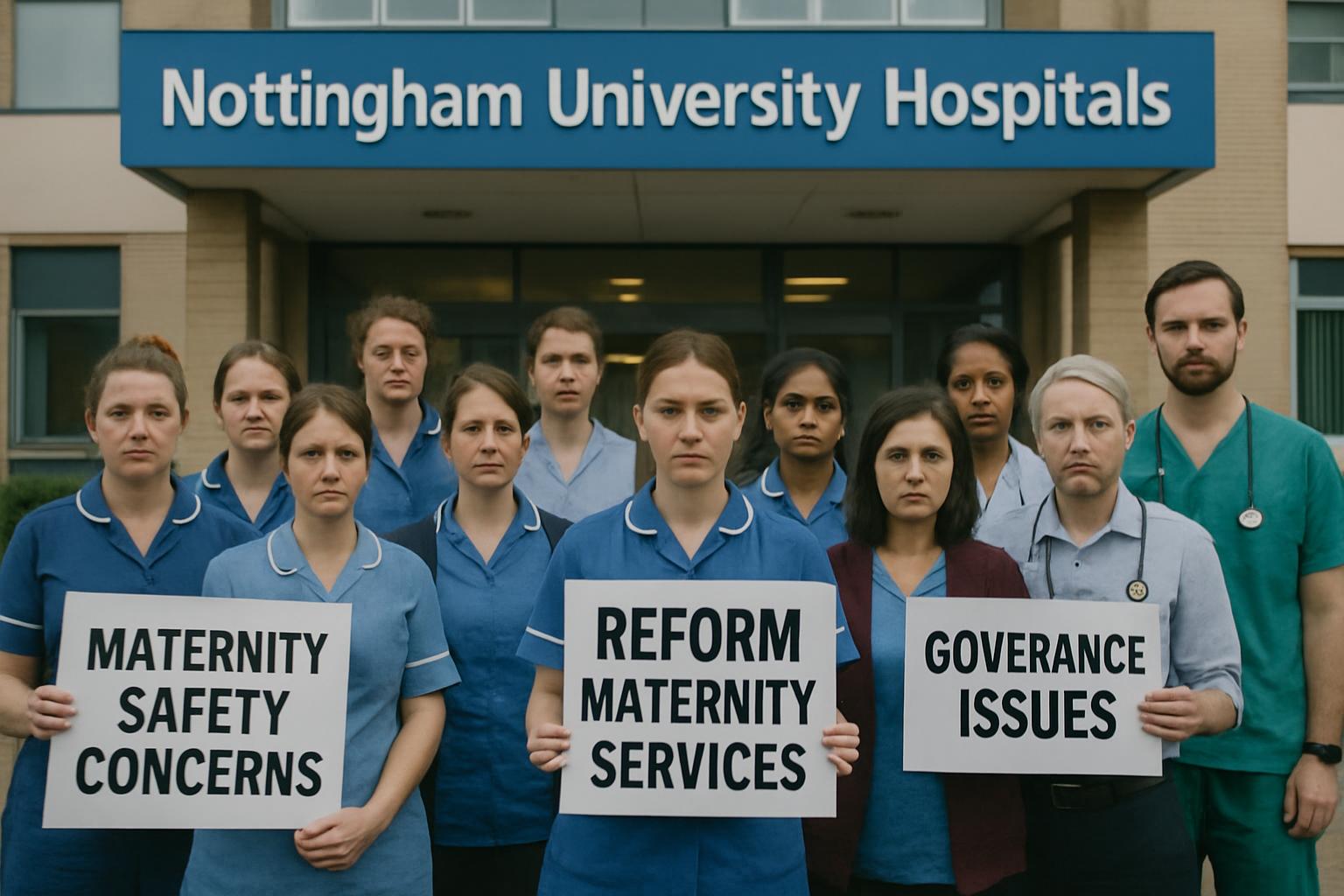
Persistent Safety Concerns in Nottingham Maternity Services Amidst Calls for Systemic Reform

Birmingham's Proactive Approach to Measles Outbreak Offers Lessons for North London

Supreme Court Ruling Expands Compensation for Children Injured at Birth

UK Government to Reform Asylum Seeker Support and Employment Policies

Saharan Dust to Illuminate UK Skies with Vivid Sunrises and Sunsets

Government Announces £4 Billion Overhaul of SEND Support in England
Resident Doctors Announce Five-Day Strike Amid Ongoing Pay Dispute
In This Article
 Maya Singh| Published
 HIGHLIGHTS
- Resident doctors in England plan a five-day strike from December 17 to 22, marking the 14th strike since March 2023.
- The British Medical Association (BMA) demands a pay increase, arguing that current pay is 20% lower than in 2008 when adjusted for inflation.
- The government has offered improved working conditions and additional training posts but refuses further pay negotiations.
- Previous strikes have led to significant NHS disruptions, with over 1.5 million appointments rescheduled and costs exceeding £300 million.
- The BMA's strike mandate expires in January, but a new ballot is planned to potentially extend it.
Resident doctors across England are set to stage a five-day strike from December 17 to 22, as tensions over pay and job security continue to escalate. This marks the 14th strike action by the British Medical Association (BMA) since March 2023, reflecting a deepening rift between the union and the government.
Background of the Dispute
The BMA, representing nearly half of the medical workforce, has been in a prolonged dispute with the government over pay. Despite receiving pay rises totaling nearly 30% over the past three years, the union argues that resident doctors' salaries remain 20% lower in real terms compared to 2008, due to inflation. Dr. Jack Fletcher, chair of the BMA's resident doctors committee, emphasized the need for a credible government plan to address both pay and job security issues.
Impact on the NHS
The strikes are expected to cause significant disruption to the NHS, particularly during the busy pre-Christmas period. NHS Providers' chief executive, Daniel Elkeles, described the strike as an "inflammatory act," stressing the importance of maintaining full staffing levels to manage patient care effectively. Previous strikes have already resulted in over 1.5 million rescheduled outpatient appointments and surgeries, with financial implications exceeding £300 million.
Government's Stance
Health Secretary Wes Streeting has maintained a firm stance against further pay negotiations, citing the substantial pay increases already granted. The government has proposed improvements in working conditions and additional training posts, but these measures have been rejected by the BMA as insufficient. The union insists that a further 26% pay increase is necessary to restore pay levels to their 2008 value.
Future Prospects
The BMA's current mandate for strike action is set to expire in January. However, the union has announced plans to ballot its members on extending the mandate, potentially prolonging the dispute. As the situation unfolds, both sides face mounting pressure to reach a resolution that addresses the concerns of resident doctors while minimizing disruption to the NHS and its patients.
WHAT THIS MIGHT MEAN
The upcoming strike could exacerbate existing NHS staff shortages, potentially leading to further delays in patient care and increased pressure on senior doctors covering for striking colleagues. If the BMA's mandate is extended, the government may face intensified calls to revisit its pay negotiation strategy. Experts suggest that a compromise involving phased pay increases and enhanced job security measures could help resolve the impasse. However, without meaningful dialogue, the healthcare workforce crisis may deepen, affecting the long-term sustainability of the NHS.
Related Articles
Persistent Safety Concerns in Nottingham Maternity Services Amidst Calls for Systemic Reform
Birmingham's Proactive Approach to Measles Outbreak Offers Lessons for North London
Supreme Court Ruling Expands Compensation for Children Injured at Birth
UK Government to Reform Asylum Seeker Support and Employment Policies
Saharan Dust to Illuminate UK Skies with Vivid Sunrises and Sunsets
Government Announces £4 Billion Overhaul of SEND Support in England