
Reza Pahlavi: A Symbolic Figure Amid Iran's Political Turmoil
In This Article
HIGHLIGHTS
- Reza Pahlavi, the exiled son of Iran's last shah, is gaining attention amid growing protests in Iran, with some demonstrators calling for his return.
- Pahlavi, living in the US since the 1979 revolution, has expressed readiness to lead a transitional government if the Islamic Republic collapses.
- Despite his symbolic status, many Iranians remain skeptical about reinstating the monarchy, viewing it as a step backward.
- The lack of clear leadership among protesters has benefited Pahlavi, who has maintained a base of support for decades.
- International figures, including Donald Trump, have been cautious in endorsing Pahlavi, wary of potential civil unrest.
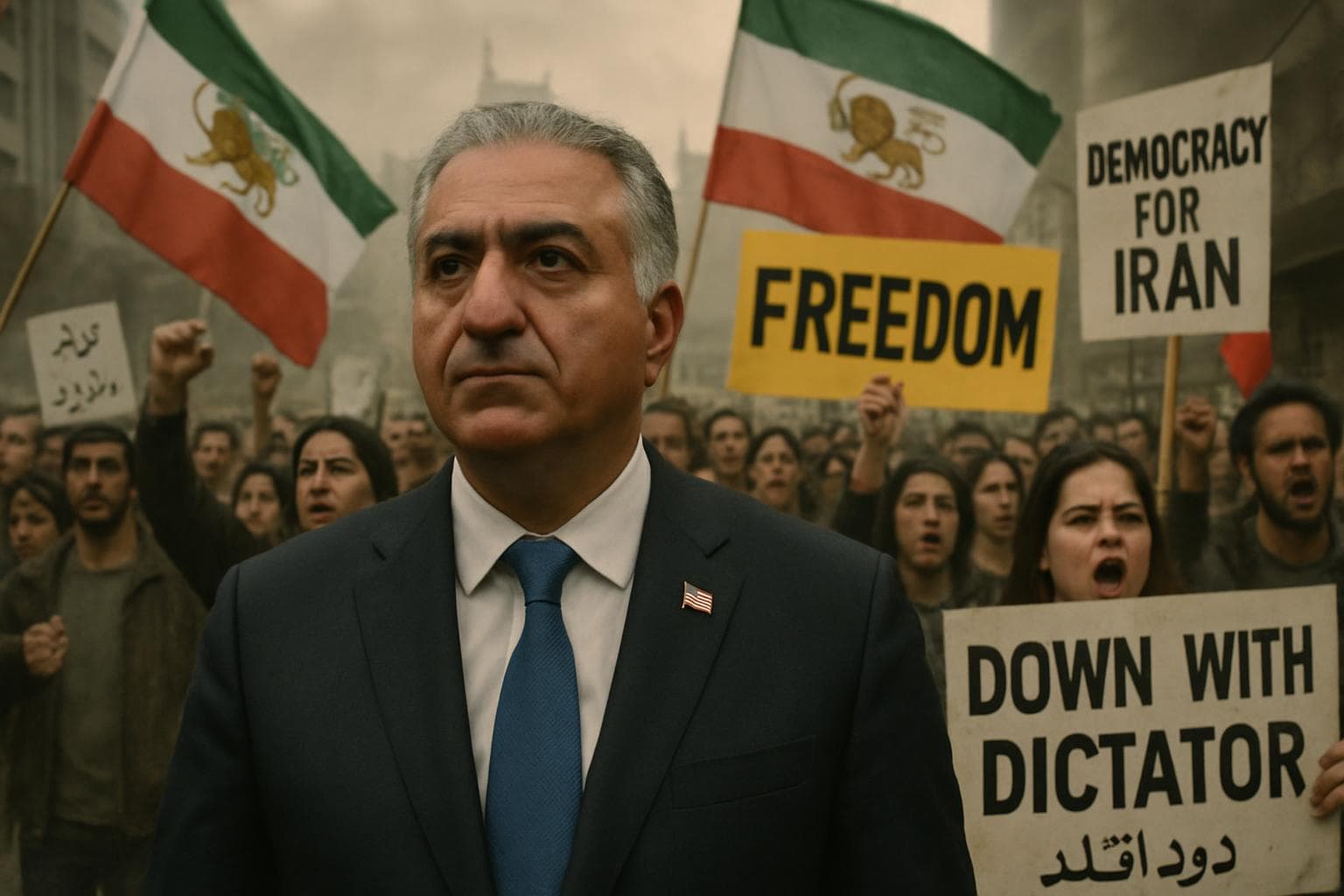
As Iran experiences a surge in protests, Reza Pahlavi, the exiled son of the country's last shah, has emerged as a focal point for some demonstrators calling for change. Pahlavi, who has lived in the United States since the 1979 revolution that deposed his father, has recently expressed a willingness to lead a transitional government should the Islamic Republic fall.
A Legacy in Exile
Born in 1960 in Tehran, Reza Pahlavi was groomed from a young age to inherit the Peacock Throne. However, the revolution interrupted his fighter pilot training in the United States, leaving him and his family stateless. Over the years, Pahlavi has remained a potent symbol for monarchists, representing a period of rapid modernization and Western alignment, albeit marred by censorship and human rights abuses under the Savak secret police.
Calls for Change
In recent months, Pahlavi has become more assertive, outlining a 100-day plan for an interim administration and calling for Iranians to take to the streets. His supporters claim that the protests are a referendum on his leadership, though many Iranians remain wary of a return to monarchical rule. "This is not about restoring the past," Pahlavi stated in Paris, emphasizing his vision for a democratic future.
International Caution
Despite the growing calls for his return, international figures, including former US President Donald Trump, have been cautious in their support. Concerns about potential civil unrest and the complexities of Iranian politics have led to a measured approach. Meanwhile, diplomatic efforts continue, with Oman mediating between the US and Iran.
WHAT THIS MIGHT MEAN
The future of Iran's political landscape remains uncertain. While Reza Pahlavi's symbolic status and historical ties offer a semblance of leadership, the deep-seated skepticism towards monarchy poses a significant challenge. Should the Islamic Republic face collapse, Pahlavi's readiness to lead could provide a transitional solution, but the path to a stable, democratic Iran will require broad-based support and international cooperation. As diplomatic channels remain open, the role of external actors and internal reformers will be crucial in shaping Iran's future.
Related Articles

UK Faces Dilemmas Amid Iran Conflict and China Spying Allegations
Cuba Faces Widespread Blackout Amid Deepening Fuel Crisis
Middle East Conflict Drives UK Energy Prices to New Highs
US and Israel Intensify Military Campaign as Iran's Capabilities Dwindle
Intensified US-Israel Strikes on Iran Spark Global Outcry
UK Reinforces Military Presence in Cyprus Amid Middle East Tensions
Reza Pahlavi: A Symbolic Figure Amid Iran's Political Turmoil
In This Article
 James Okoro| Published
 HIGHLIGHTS
- Reza Pahlavi, the exiled son of Iran's last shah, is gaining attention amid growing protests in Iran, with some demonstrators calling for his return.
- Pahlavi, living in the US since the 1979 revolution, has expressed readiness to lead a transitional government if the Islamic Republic collapses.
- Despite his symbolic status, many Iranians remain skeptical about reinstating the monarchy, viewing it as a step backward.
- The lack of clear leadership among protesters has benefited Pahlavi, who has maintained a base of support for decades.
- International figures, including Donald Trump, have been cautious in endorsing Pahlavi, wary of potential civil unrest.
As Iran experiences a surge in protests, Reza Pahlavi, the exiled son of the country's last shah, has emerged as a focal point for some demonstrators calling for change. Pahlavi, who has lived in the United States since the 1979 revolution that deposed his father, has recently expressed a willingness to lead a transitional government should the Islamic Republic fall.
A Legacy in Exile
Born in 1960 in Tehran, Reza Pahlavi was groomed from a young age to inherit the Peacock Throne. However, the revolution interrupted his fighter pilot training in the United States, leaving him and his family stateless. Over the years, Pahlavi has remained a potent symbol for monarchists, representing a period of rapid modernization and Western alignment, albeit marred by censorship and human rights abuses under the Savak secret police.
Calls for Change
In recent months, Pahlavi has become more assertive, outlining a 100-day plan for an interim administration and calling for Iranians to take to the streets. His supporters claim that the protests are a referendum on his leadership, though many Iranians remain wary of a return to monarchical rule. "This is not about restoring the past," Pahlavi stated in Paris, emphasizing his vision for a democratic future.
International Caution
Despite the growing calls for his return, international figures, including former US President Donald Trump, have been cautious in their support. Concerns about potential civil unrest and the complexities of Iranian politics have led to a measured approach. Meanwhile, diplomatic efforts continue, with Oman mediating between the US and Iran.
WHAT THIS MIGHT MEAN
The future of Iran's political landscape remains uncertain. While Reza Pahlavi's symbolic status and historical ties offer a semblance of leadership, the deep-seated skepticism towards monarchy poses a significant challenge. Should the Islamic Republic face collapse, Pahlavi's readiness to lead could provide a transitional solution, but the path to a stable, democratic Iran will require broad-based support and international cooperation. As diplomatic channels remain open, the role of external actors and internal reformers will be crucial in shaping Iran's future.
Related Articles
UK Faces Dilemmas Amid Iran Conflict and China Spying Allegations
Cuba Faces Widespread Blackout Amid Deepening Fuel Crisis
Middle East Conflict Drives UK Energy Prices to New Highs
US and Israel Intensify Military Campaign as Iran's Capabilities Dwindle
Intensified US-Israel Strikes on Iran Spark Global Outcry
UK Reinforces Military Presence in Cyprus Amid Middle East Tensions