
Reza Pahlavi Calls for Global Support to Overthrow Iranian Regime
In This Article
HIGHLIGHTS
- Reza Pahlavi, son of the last Iranian shah, calls for international support to help Iranian protesters topple the current regime.
- Pahlavi claims the Islamic Republic will inevitably fall, urging targeted actions against the Revolutionary Guards to expedite this.
- Human rights groups report over 2,600 protester deaths since demonstrations began in December, with Pahlavi citing higher figures.
- Pahlavi emphasizes non-military foreign intervention, advocating for economic pressure and secure communications for protesters.
- Despite his absence from Iran since 1979, Pahlavi asserts he is uniquely positioned to lead a post-regime government.
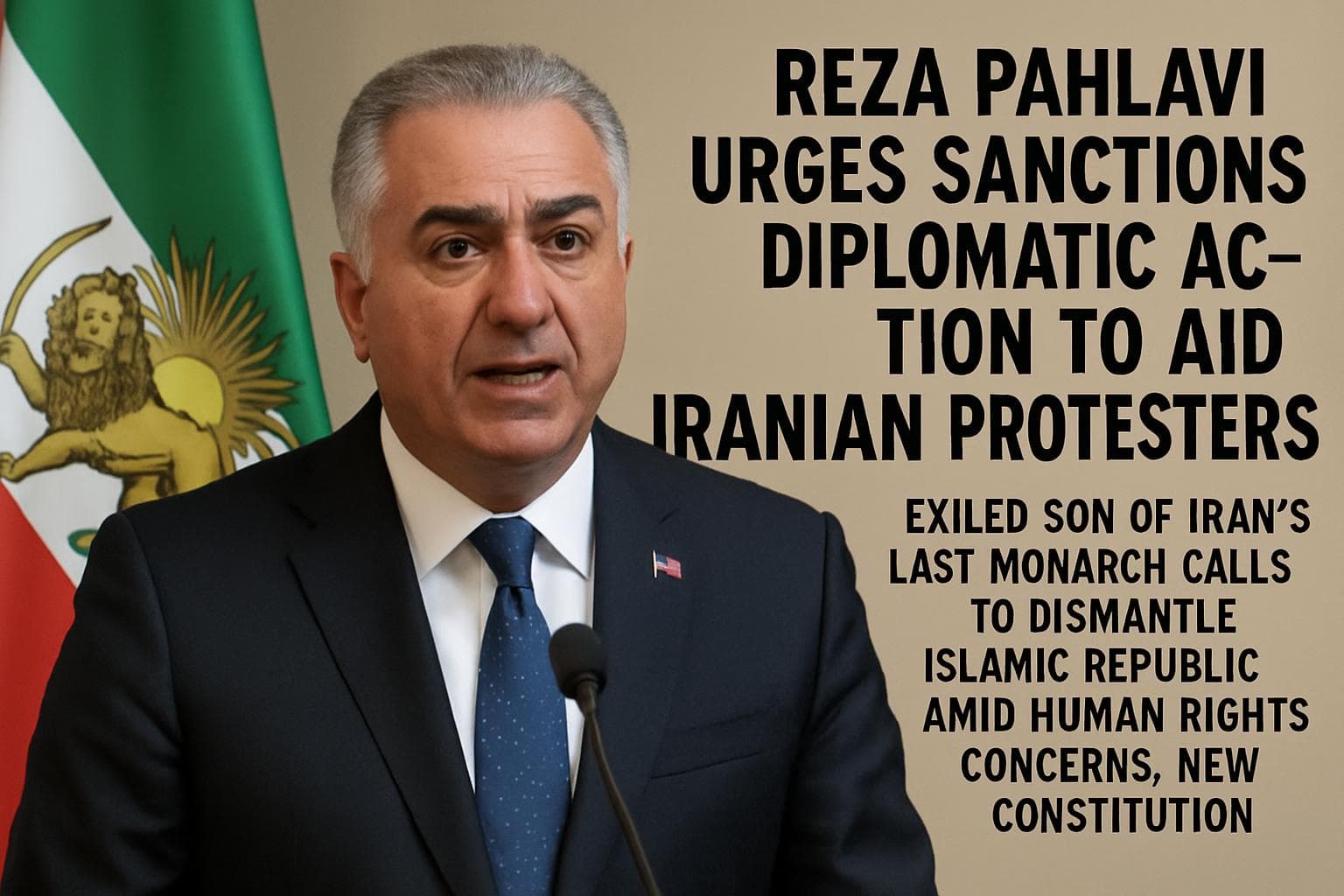
Reza Pahlavi, the exiled son of Iran's last monarch, has made a fervent appeal for international assistance to support Iranian protesters in their quest to dismantle the Islamic Republic. Speaking at a Washington news conference, Pahlavi expressed confidence that the regime's downfall is inevitable, urging global powers to take decisive actions that could hasten this outcome.
Calls for Targeted International Action
Pahlavi, who has emerged as a significant figure in Iran's opposition, emphasized the need for targeted interventions rather than military involvement. He called for actions such as economic sanctions, diplomatic expulsions, and the deployment of secure communication tools like satellite internet to aid protesters. "The Iranian people are taking decisive action on the ground. It is now time for the international community to join them fully," Pahlavi stated.
Rising Death Toll and Human Rights Concerns
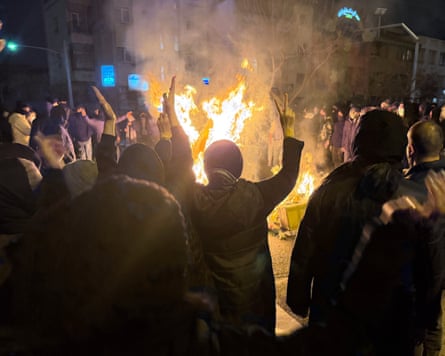
The protests, which began in late December over economic grievances, have evolved into widespread calls for the end of Supreme Leader Ali Hosseini Khamenei's rule. Human rights organizations report over 2,600 deaths among protesters, although Pahlavi suggests the toll could be higher. The Iranian government has dismissed the protests as foreign-backed riots, responding with severe crackdowns and communication blackouts.
Pahlavi's Vision for Iran's Future
Despite not having set foot in Iran since his family's exile in 1979, Pahlavi claims he is uniquely positioned to lead a transitional government. He has outlined plans for a new constitution and insists that the future leadership of Iran should be determined by its people. While his leadership credentials face skepticism, his name has been chanted at recent protests, signaling some level of popular support.
International Reactions and Potential Implications
Former U.S. President Donald Trump has previously warned Iran against executing protesters, suggesting that "very strong action" could follow. However, concerns about regional instability have tempered calls for direct military intervention. Meanwhile, Iran's parliament has warned of retaliatory measures against U.S. and Israeli interests should an attack occur.
WHAT THIS MIGHT MEAN
The unfolding situation in Iran presents several potential outcomes. Should international powers heed Pahlavi's call for targeted interventions, the regime could face increased pressure, potentially accelerating its collapse. However, the absence of military intervention might limit the immediate impact of such measures.
Domestically, Pahlavi's leadership aspirations could either unify or further fragment the opposition, depending on his ability to garner widespread support. The international community's response will be crucial in shaping the trajectory of Iran's political landscape, with potential implications for regional stability and global diplomatic relations.
Images from the Web
Related Articles
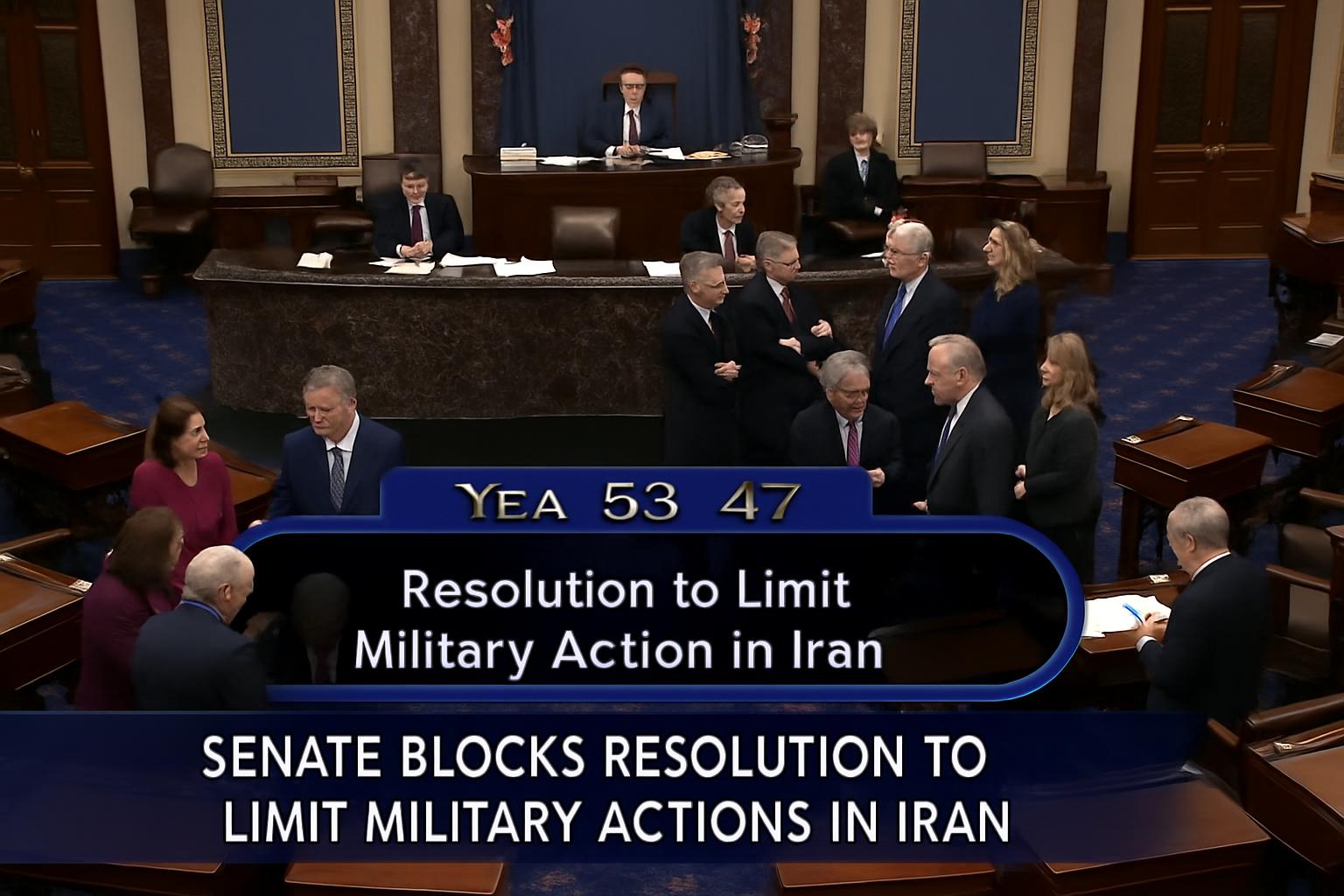
Senate Blocks Resolution to Limit Trump's Military Actions in Iran

US and Israel Intensify Military Campaign as Iran's Capabilities Dwindle
Intensified US-Israel Strikes on Iran Spark Global Outcry
Spain's Sánchez Stands Firm Against Trump's Trade Threat Over Iran Stance
Iran Postpones Khamenei Funeral Amid Escalating US-Israeli Strikes

UK Faces Dilemmas Amid Iran Conflict and China Spying Allegations
Reza Pahlavi Calls for Global Support to Overthrow Iranian Regime
In This Article
 Ethan Brooks| Published
 HIGHLIGHTS
- Reza Pahlavi, son of the last Iranian shah, calls for international support to help Iranian protesters topple the current regime.
- Pahlavi claims the Islamic Republic will inevitably fall, urging targeted actions against the Revolutionary Guards to expedite this.
- Human rights groups report over 2,600 protester deaths since demonstrations began in December, with Pahlavi citing higher figures.
- Pahlavi emphasizes non-military foreign intervention, advocating for economic pressure and secure communications for protesters.
- Despite his absence from Iran since 1979, Pahlavi asserts he is uniquely positioned to lead a post-regime government.
Reza Pahlavi, the exiled son of Iran's last monarch, has made a fervent appeal for international assistance to support Iranian protesters in their quest to dismantle the Islamic Republic. Speaking at a Washington news conference, Pahlavi expressed confidence that the regime's downfall is inevitable, urging global powers to take decisive actions that could hasten this outcome.
Calls for Targeted International Action
Pahlavi, who has emerged as a significant figure in Iran's opposition, emphasized the need for targeted interventions rather than military involvement. He called for actions such as economic sanctions, diplomatic expulsions, and the deployment of secure communication tools like satellite internet to aid protesters. "The Iranian people are taking decisive action on the ground. It is now time for the international community to join them fully," Pahlavi stated.
Rising Death Toll and Human Rights Concerns
The protests, which began in late December over economic grievances, have evolved into widespread calls for the end of Supreme Leader Ali Hosseini Khamenei's rule. Human rights organizations report over 2,600 deaths among protesters, although Pahlavi suggests the toll could be higher. The Iranian government has dismissed the protests as foreign-backed riots, responding with severe crackdowns and communication blackouts.
Pahlavi's Vision for Iran's Future
Despite not having set foot in Iran since his family's exile in 1979, Pahlavi claims he is uniquely positioned to lead a transitional government. He has outlined plans for a new constitution and insists that the future leadership of Iran should be determined by its people. While his leadership credentials face skepticism, his name has been chanted at recent protests, signaling some level of popular support.
International Reactions and Potential Implications
Former U.S. President Donald Trump has previously warned Iran against executing protesters, suggesting that "very strong action" could follow. However, concerns about regional instability have tempered calls for direct military intervention. Meanwhile, Iran's parliament has warned of retaliatory measures against U.S. and Israeli interests should an attack occur.
WHAT THIS MIGHT MEAN
The unfolding situation in Iran presents several potential outcomes. Should international powers heed Pahlavi's call for targeted interventions, the regime could face increased pressure, potentially accelerating its collapse. However, the absence of military intervention might limit the immediate impact of such measures.
Domestically, Pahlavi's leadership aspirations could either unify or further fragment the opposition, depending on his ability to garner widespread support. The international community's response will be crucial in shaping the trajectory of Iran's political landscape, with potential implications for regional stability and global diplomatic relations.
Images from the Web
Related Articles
Senate Blocks Resolution to Limit Trump's Military Actions in Iran
US and Israel Intensify Military Campaign as Iran's Capabilities Dwindle
Intensified US-Israel Strikes on Iran Spark Global Outcry
Spain's Sánchez Stands Firm Against Trump's Trade Threat Over Iran Stance
Iran Postpones Khamenei Funeral Amid Escalating US-Israeli Strikes
UK Faces Dilemmas Amid Iran Conflict and China Spying Allegations