
RFK Jr Accused of Fueling Violence Against CDC Amidst Vaccine Misinformation Allegations
In This Article
HIGHLIGHTS
- Over 750 current and former US health department employees have accused Health Secretary Robert F Kennedy Jr of spreading misinformation that contributed to violence against CDC staff.
- A letter addressed to Kennedy and Congress claims his rhetoric fueled the August 8 shooting at the CDC headquarters, where a police officer was killed.
- The letter demands Kennedy to stop disseminating false health information and to affirm the CDC's scientific integrity by September 2.
- Kennedy has been criticized for removing members from a CDC vaccine advisory panel and questioning vaccine safety, actions seen as undermining public trust.
- The HHS stated Kennedy supports CDC employees and emphasized the importance of their safety and wellbeing.
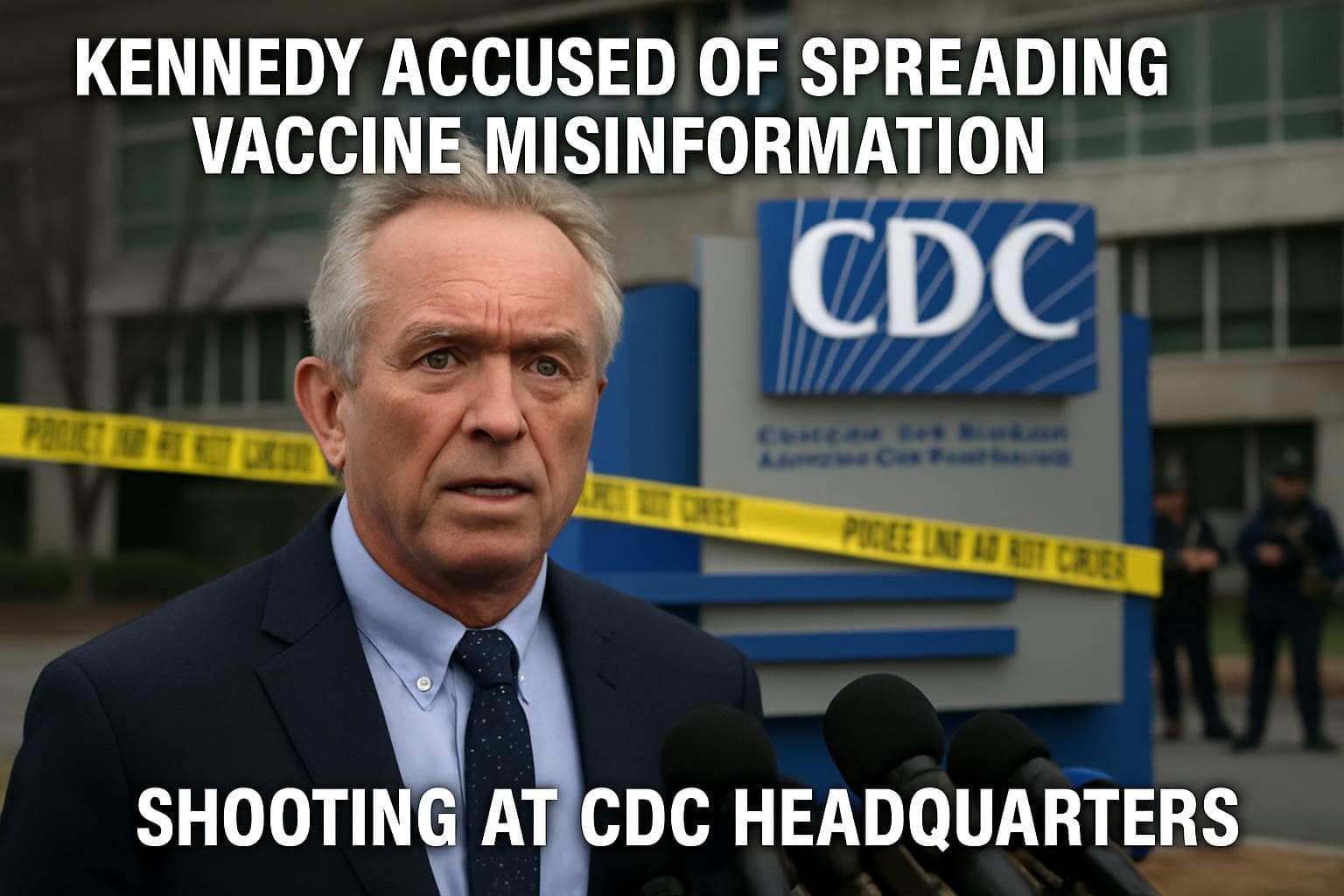
In a rare public rebuke, more than 750 current and former employees of the US Department of Health and Human Services (HHS) have accused Health Secretary Robert F Kennedy Jr of spreading misinformation that has endangered public health and contributed to violence against government healthcare staff. The allegations come in the wake of a tragic shooting at the Centers for Disease Control and Prevention (CDC) headquarters in Atlanta on August 8, where a police officer was killed.
Allegations of Misinformation and Violence
The letter, addressed to both Kennedy and Congress, claims that Kennedy's "dangerous and deceitful statements" have fueled harassment and violence against CDC employees. The signatories, who include staff from the CDC, the National Institutes of Health, and HHS, argue that Kennedy's actions have undermined public trust in vaccines and other health measures. They specifically cite his removal of members from a CDC vaccine advisory panel and his questioning of the measles vaccine's safety as actions that have sown distrust.
The CDC Shooting Incident
The accusations are underscored by the recent attack on the CDC, where 30-year-old Patrick Joseph White fired hundreds of rounds at the complex, blaming the Covid-19 vaccine for his mental health struggles. Law enforcement officials have confirmed that White's actions were motivated by vaccine-related grievances, highlighting the potential real-world consequences of politicized health rhetoric.
Demands for Action
The letter demands that Kennedy cease spreading false health information and publicly affirm the CDC's scientific integrity by September 2. It also calls for measures to ensure the safety of the HHS workforce, including the removal of online content targeting federal employees. Despite the gravity of the accusations, Kennedy has maintained that he stands with CDC employees, emphasizing his commitment to their safety and wellbeing.
Kennedy's Response and Public Perception
In response, a spokesperson for HHS stated that Kennedy traveled to Atlanta to offer support to CDC staff and reaffirmed his respect for the agency. Kennedy has advocated for transparency as a means to regain public trust, asserting that honesty about what is known and unknown is crucial. However, his critics argue that his actions have contributed to a climate of mistrust and fear.
WHAT THIS MIGHT MEAN
The allegations against Robert F Kennedy Jr could have significant implications for his tenure as Health Secretary. If he fails to address the demands outlined in the letter, it may lead to increased scrutiny from Congress and potentially impact his ability to implement health policies. The situation also highlights the broader issue of how political rhetoric can influence public perception and behavior, particularly in the realm of public health. Experts suggest that restoring trust in health institutions will require a concerted effort to counter misinformation and reinforce the importance of scientific evidence in policy-making.
Related Articles
DHS Spokesperson Tricia McLaughlin to Depart Amidst Immigration Policy Controversy
US Homeland Security Shutdown Sparks Concerns Over Travel Delays and Immigration Reforms
Gail Slater's Resignation Sparks Concerns Over US Antitrust Enforcement
Epstein Survivors Demand Full Disclosure of Files Amid DOJ Scrutiny
US Government Shutdown Standoff Delays Key Jobs Report
US Supreme Court Ruling on Trump's Tariffs Sparks Trade Policy Uncertainty
RFK Jr Accused of Fueling Violence Against CDC Amidst Vaccine Misinformation Allegations
In This Article
 Ethan Brooks| Published
 HIGHLIGHTS
- Over 750 current and former US health department employees have accused Health Secretary Robert F Kennedy Jr of spreading misinformation that contributed to violence against CDC staff.
- A letter addressed to Kennedy and Congress claims his rhetoric fueled the August 8 shooting at the CDC headquarters, where a police officer was killed.
- The letter demands Kennedy to stop disseminating false health information and to affirm the CDC's scientific integrity by September 2.
- Kennedy has been criticized for removing members from a CDC vaccine advisory panel and questioning vaccine safety, actions seen as undermining public trust.
- The HHS stated Kennedy supports CDC employees and emphasized the importance of their safety and wellbeing.
In a rare public rebuke, more than 750 current and former employees of the US Department of Health and Human Services (HHS) have accused Health Secretary Robert F Kennedy Jr of spreading misinformation that has endangered public health and contributed to violence against government healthcare staff. The allegations come in the wake of a tragic shooting at the Centers for Disease Control and Prevention (CDC) headquarters in Atlanta on August 8, where a police officer was killed.
Allegations of Misinformation and Violence
The letter, addressed to both Kennedy and Congress, claims that Kennedy's "dangerous and deceitful statements" have fueled harassment and violence against CDC employees. The signatories, who include staff from the CDC, the National Institutes of Health, and HHS, argue that Kennedy's actions have undermined public trust in vaccines and other health measures. They specifically cite his removal of members from a CDC vaccine advisory panel and his questioning of the measles vaccine's safety as actions that have sown distrust.
The CDC Shooting Incident
The accusations are underscored by the recent attack on the CDC, where 30-year-old Patrick Joseph White fired hundreds of rounds at the complex, blaming the Covid-19 vaccine for his mental health struggles. Law enforcement officials have confirmed that White's actions were motivated by vaccine-related grievances, highlighting the potential real-world consequences of politicized health rhetoric.
Demands for Action
The letter demands that Kennedy cease spreading false health information and publicly affirm the CDC's scientific integrity by September 2. It also calls for measures to ensure the safety of the HHS workforce, including the removal of online content targeting federal employees. Despite the gravity of the accusations, Kennedy has maintained that he stands with CDC employees, emphasizing his commitment to their safety and wellbeing.
Kennedy's Response and Public Perception
In response, a spokesperson for HHS stated that Kennedy traveled to Atlanta to offer support to CDC staff and reaffirmed his respect for the agency. Kennedy has advocated for transparency as a means to regain public trust, asserting that honesty about what is known and unknown is crucial. However, his critics argue that his actions have contributed to a climate of mistrust and fear.
WHAT THIS MIGHT MEAN
The allegations against Robert F Kennedy Jr could have significant implications for his tenure as Health Secretary. If he fails to address the demands outlined in the letter, it may lead to increased scrutiny from Congress and potentially impact his ability to implement health policies. The situation also highlights the broader issue of how political rhetoric can influence public perception and behavior, particularly in the realm of public health. Experts suggest that restoring trust in health institutions will require a concerted effort to counter misinformation and reinforce the importance of scientific evidence in policy-making.
Related Articles
DHS Spokesperson Tricia McLaughlin to Depart Amidst Immigration Policy Controversy
US Homeland Security Shutdown Sparks Concerns Over Travel Delays and Immigration Reforms
Gail Slater's Resignation Sparks Concerns Over US Antitrust Enforcement
Epstein Survivors Demand Full Disclosure of Files Amid DOJ Scrutiny
US Government Shutdown Standoff Delays Key Jobs Report
US Supreme Court Ruling on Trump's Tariffs Sparks Trade Policy Uncertainty