
RFK Jr's Funding Cut for mRNA Vaccines Sparks Scientific Outcry
In This Article
HIGHLIGHTS
- US Health Secretary Robert F. Kennedy Jr. has canceled $500 million in funding for 22 mRNA vaccine projects, citing concerns over their efficacy against respiratory infections like Covid-19 and flu.
- Experts, including Prof. Adam Finn and Prof. Andrew Pollard, argue that mRNA vaccines have saved millions of lives and that halting their development is a "catastrophic error."
- Kennedy's decision aligns with his long-standing vaccine skepticism, despite scientific evidence supporting the effectiveness and safety of mRNA vaccines.
- The funding cut affects contracts with companies like Moderna, potentially impacting future vaccine innovation and public health safety.
- mRNA technology, which played a crucial role during the Covid-19 pandemic, continues to hold promise for rapid vaccine development and other medical applications.
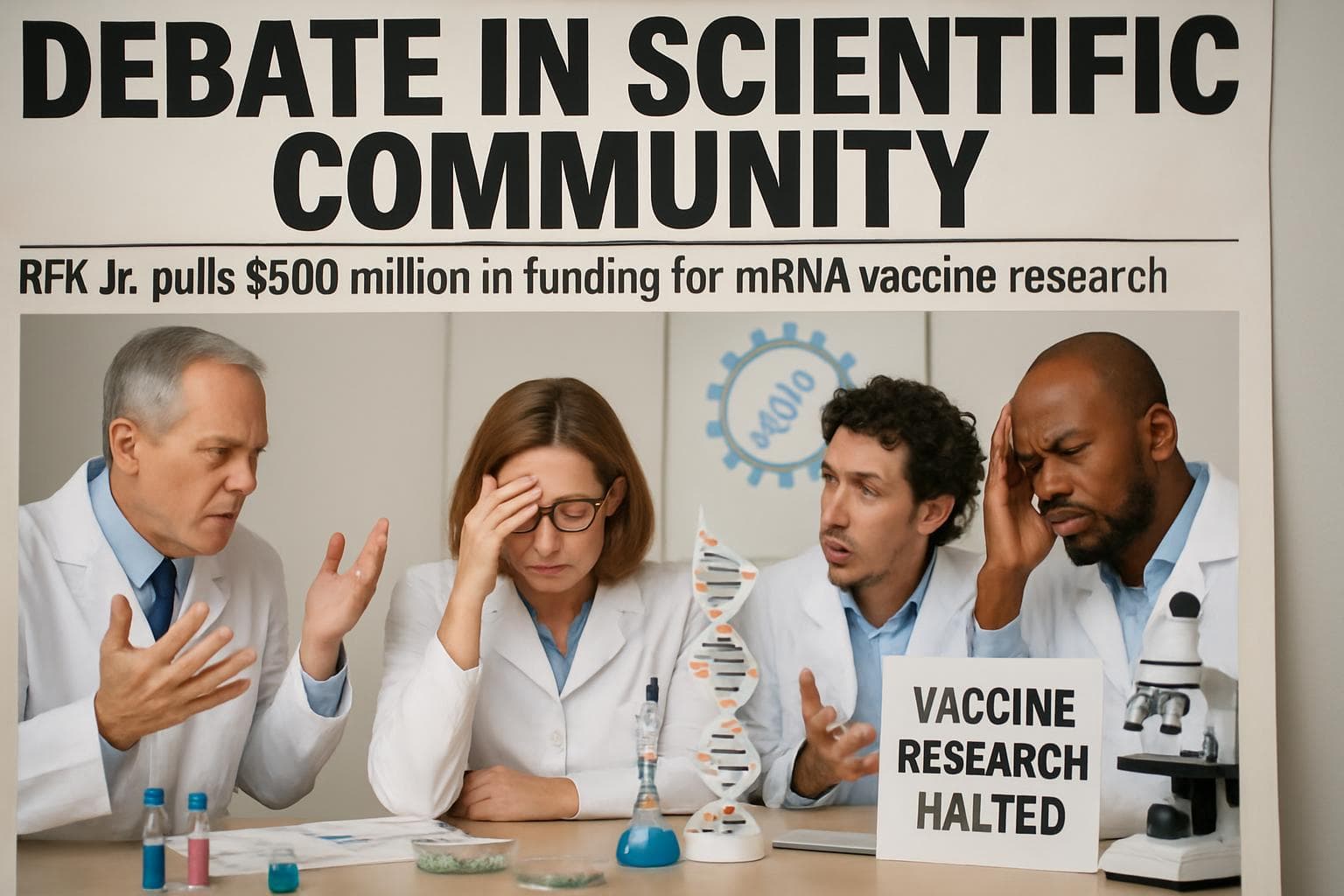
The recent decision by US Health Secretary Robert F. Kennedy Jr. to withdraw $500 million in funding for mRNA vaccine research has ignited a heated debate within the scientific community. The move, which affects 22 projects, including a contract with Moderna for a bird flu vaccine, has been met with criticism from experts who warn of its potential repercussions on public health.
Controversial Decision and Its Rationale
Kennedy, a known vaccine skeptic, justified the funding cut by questioning the efficacy of mRNA vaccines against upper respiratory infections such as Covid-19 and flu. He stated that the funds would be redirected towards "safer, broader vaccine platforms" that remain effective as viruses mutate. Despite his claims, scientific consensus maintains that mRNA vaccines have been instrumental in saving millions of lives during the pandemic.
Scientific Community's Response
Leading figures in vaccine research, including Prof. Adam Finn from the University of Bristol and Prof. Andrew Pollard of the Oxford Vaccine Group, have voiced strong opposition to Kennedy's decision. They argue that mRNA vaccines have proven their worth, not only in clinical trials but also in real-world applications, by significantly reducing hospitalizations and deaths. "To dismiss mRNA technology as useless is a grave mistake," said Prof. Finn, emphasizing the need for continued research and development.
Impact on Vaccine Innovation
The funding withdrawal could stifle innovation in vaccine technology, particularly in the rapid development of vaccines during health crises. mRNA technology, praised for its speed and adaptability, has the potential to revolutionize responses to future pandemics and other medical challenges, such as cancer. Prof. Pollard highlighted the efficiency of mRNA vaccines, noting that they can be produced much faster than traditional vaccines, which could be crucial in a future influenza pandemic.
Misinformation and Public Perception
Kennedy's stance is part of a broader narrative of vaccine misinformation that has persisted since the advent of mRNA vaccines. Despite overwhelming evidence of their safety and efficacy, mRNA vaccines have been the target of unfounded claims, complicating public health efforts. Experts stress the importance of combating misinformation to ensure public trust in vaccine science.
WHAT THIS MIGHT MEAN
The decision to cut funding for mRNA vaccine research could have significant implications for public health policy and vaccine innovation. If the funding is not restored, the development of new vaccines could be delayed, potentially leaving populations vulnerable to emerging infectious diseases. Experts warn that this move may also embolden vaccine misinformation campaigns, further eroding public confidence in vaccination programs.
Politically, Kennedy's decision may resonate with certain segments of the population that are skeptical of vaccines, but it risks alienating the scientific community and public health advocates. The long-term impact on vaccine technology development remains uncertain, but the scientific community is likely to continue advocating for the importance of mRNA research in addressing global health challenges.
Related Articles

Canada's Supreme Court Clears Way for Controversial Ostrich Cull Amid Avian Flu Concerns
Gunman Targets CDC Headquarters Amid Vaccine Misinformation Concerns
RFK Jr. Halts $500 Million in mRNA Vaccine Research Amid Safety Concerns
US Drops Charges Against Utah Doctor in Covid-19 Vaccine Fraud Case

Coca-Cola Faces Ingredient Debate Amid Trump's Cane Sugar Claims
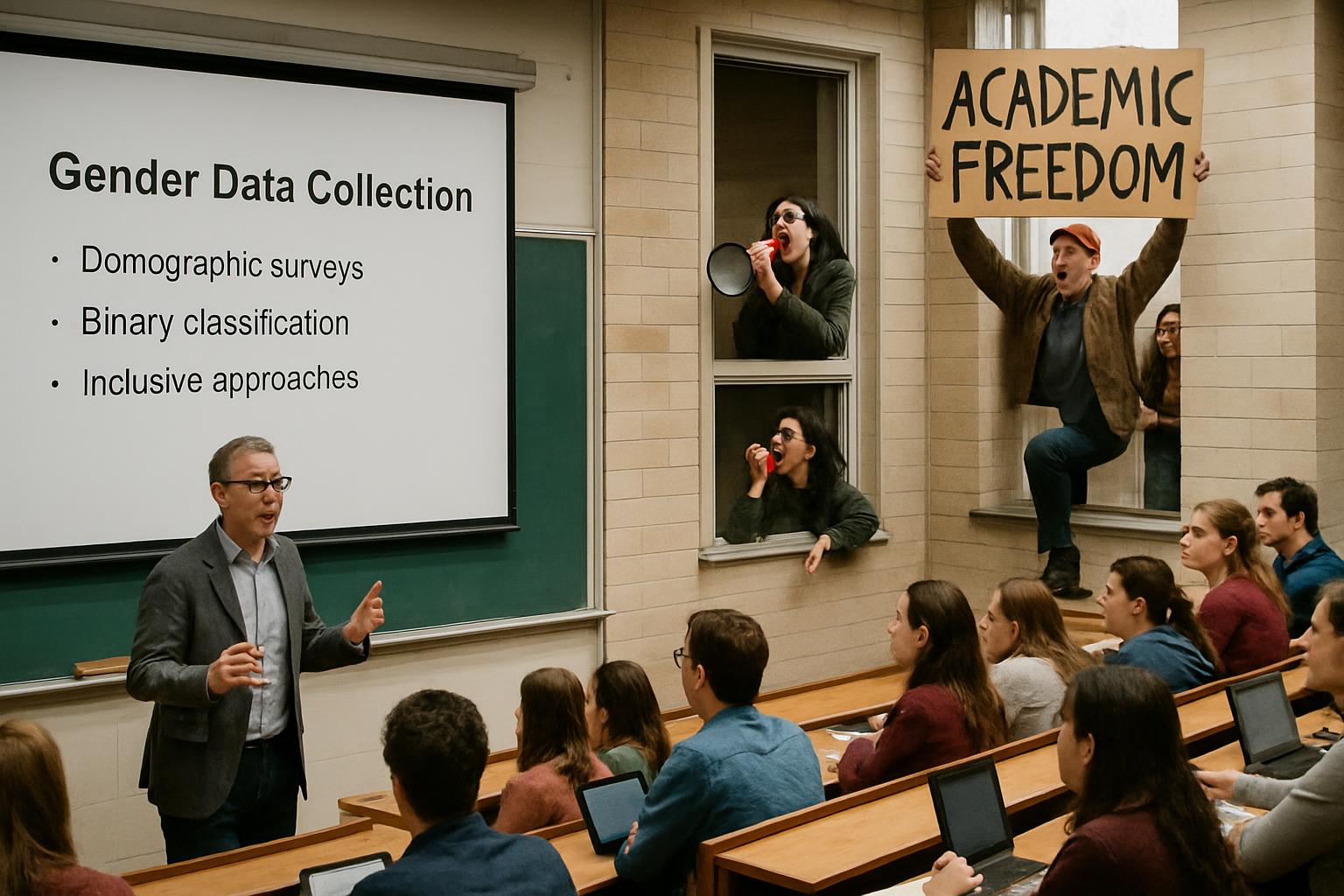
Academic Considers Legal Action After Disrupted Gender Talk at University of Bristol
RFK Jr's Funding Cut for mRNA Vaccines Sparks Scientific Outcry
In This Article
 Ethan Brooks| Published
 HIGHLIGHTS
- US Health Secretary Robert F. Kennedy Jr. has canceled $500 million in funding for 22 mRNA vaccine projects, citing concerns over their efficacy against respiratory infections like Covid-19 and flu.
- Experts, including Prof. Adam Finn and Prof. Andrew Pollard, argue that mRNA vaccines have saved millions of lives and that halting their development is a "catastrophic error."
- Kennedy's decision aligns with his long-standing vaccine skepticism, despite scientific evidence supporting the effectiveness and safety of mRNA vaccines.
- The funding cut affects contracts with companies like Moderna, potentially impacting future vaccine innovation and public health safety.
- mRNA technology, which played a crucial role during the Covid-19 pandemic, continues to hold promise for rapid vaccine development and other medical applications.
The recent decision by US Health Secretary Robert F. Kennedy Jr. to withdraw $500 million in funding for mRNA vaccine research has ignited a heated debate within the scientific community. The move, which affects 22 projects, including a contract with Moderna for a bird flu vaccine, has been met with criticism from experts who warn of its potential repercussions on public health.
Controversial Decision and Its Rationale
Kennedy, a known vaccine skeptic, justified the funding cut by questioning the efficacy of mRNA vaccines against upper respiratory infections such as Covid-19 and flu. He stated that the funds would be redirected towards "safer, broader vaccine platforms" that remain effective as viruses mutate. Despite his claims, scientific consensus maintains that mRNA vaccines have been instrumental in saving millions of lives during the pandemic.
Scientific Community's Response
Leading figures in vaccine research, including Prof. Adam Finn from the University of Bristol and Prof. Andrew Pollard of the Oxford Vaccine Group, have voiced strong opposition to Kennedy's decision. They argue that mRNA vaccines have proven their worth, not only in clinical trials but also in real-world applications, by significantly reducing hospitalizations and deaths. "To dismiss mRNA technology as useless is a grave mistake," said Prof. Finn, emphasizing the need for continued research and development.
Impact on Vaccine Innovation
The funding withdrawal could stifle innovation in vaccine technology, particularly in the rapid development of vaccines during health crises. mRNA technology, praised for its speed and adaptability, has the potential to revolutionize responses to future pandemics and other medical challenges, such as cancer. Prof. Pollard highlighted the efficiency of mRNA vaccines, noting that they can be produced much faster than traditional vaccines, which could be crucial in a future influenza pandemic.
Misinformation and Public Perception
Kennedy's stance is part of a broader narrative of vaccine misinformation that has persisted since the advent of mRNA vaccines. Despite overwhelming evidence of their safety and efficacy, mRNA vaccines have been the target of unfounded claims, complicating public health efforts. Experts stress the importance of combating misinformation to ensure public trust in vaccine science.
WHAT THIS MIGHT MEAN
The decision to cut funding for mRNA vaccine research could have significant implications for public health policy and vaccine innovation. If the funding is not restored, the development of new vaccines could be delayed, potentially leaving populations vulnerable to emerging infectious diseases. Experts warn that this move may also embolden vaccine misinformation campaigns, further eroding public confidence in vaccination programs.
Politically, Kennedy's decision may resonate with certain segments of the population that are skeptical of vaccines, but it risks alienating the scientific community and public health advocates. The long-term impact on vaccine technology development remains uncertain, but the scientific community is likely to continue advocating for the importance of mRNA research in addressing global health challenges.
Related Articles
Canada's Supreme Court Clears Way for Controversial Ostrich Cull Amid Avian Flu Concerns
Gunman Targets CDC Headquarters Amid Vaccine Misinformation Concerns
RFK Jr. Halts $500 Million in mRNA Vaccine Research Amid Safety Concerns
US Drops Charges Against Utah Doctor in Covid-19 Vaccine Fraud Case
Coca-Cola Faces Ingredient Debate Amid Trump's Cane Sugar Claims
Academic Considers Legal Action After Disrupted Gender Talk at University of Bristol