
Rising SEND Costs Threaten Financial Stability of English Councils
In This Article
HIGHLIGHTS
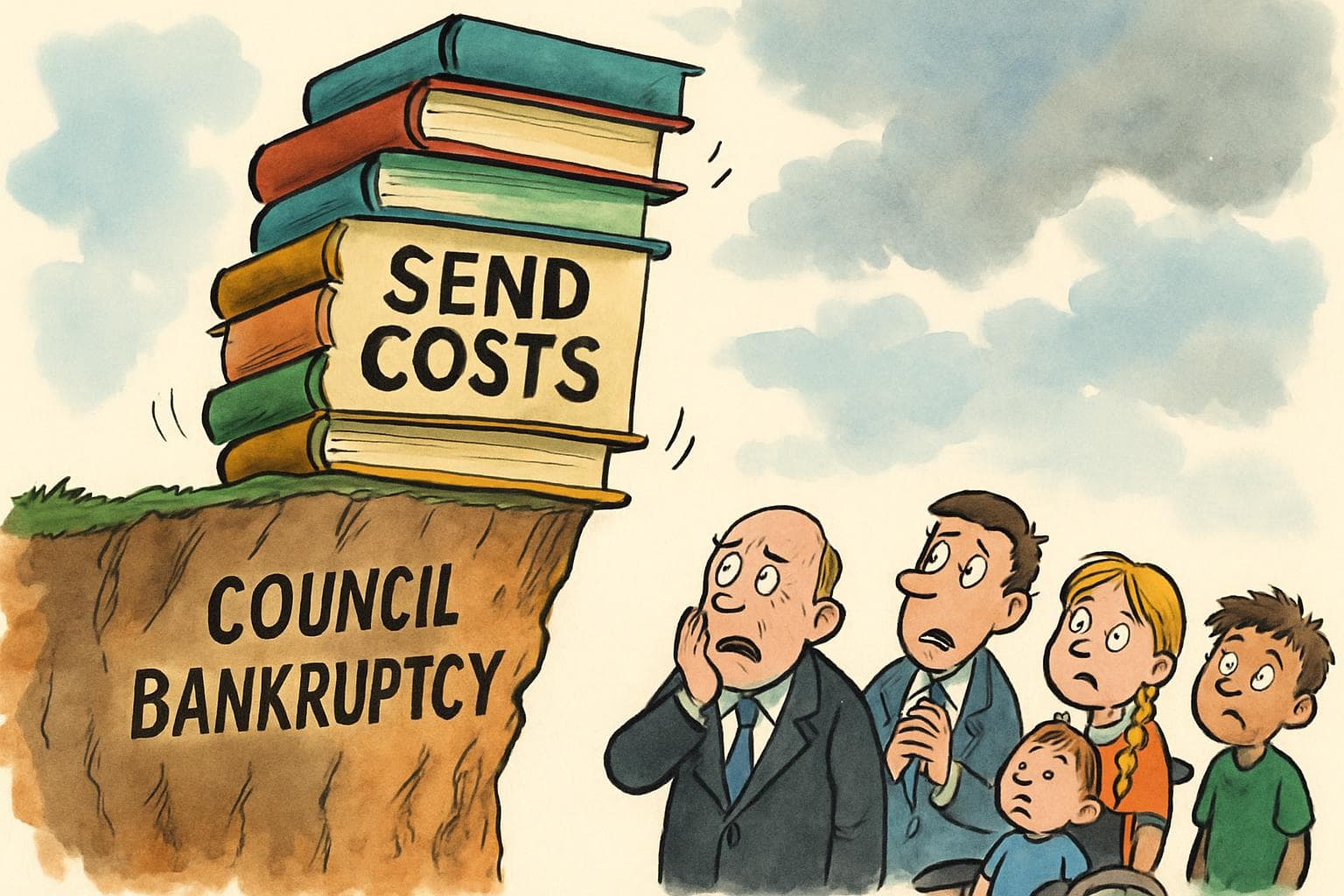
- Rising costs for special educational needs and disabilities (SEND) could bankrupt 80% of English councils, with deficits projected to reach £14bn by 2025.
- Councils are urging the government to write off SEND deficits and implement reforms, as current spending is unsustainable.
- The government plans to overhaul the SEND system, with a white paper expected soon, but faces political challenges in balancing costs and support.
- MPs are calling for increased, inflation-proofed funding for SEND to meet growing demand, as over 1.7 million children in England require support.
- Some councils are considering raising council tax beyond permitted limits to cover SEND costs, highlighting the financial strain on local authorities.
The financial burden of special educational needs and disabilities (SEND) is pushing English local councils towards potential bankruptcy, with 80% of them facing insolvency unless significant reforms are introduced. The Local Government Association (LGA) has highlighted the urgent need for the government to address the mounting SEND deficits, which are projected to reach £14bn by 2025.
Mounting Financial Pressure
Local councils are grappling with escalating costs associated with SEND, driven by a surge in demand for support services. Currently, over 1.7 million children in England require special educational assistance, with 639,000 holding education, health, and care plans (EHCPs). The rise in autism spectrum disorder diagnoses and increased demand for speech and language support have significantly contributed to this financial strain.
Despite a two-thirds increase in SEND spending over the past decade, councils are struggling to meet the needs of these children. The Office for Budget Responsibility forecasts that councils will spend £14.8bn on SEND by 2025/26, up from £5bn in 2015/16. This financial pressure has led some councils to consider raising council tax beyond the usual limits to cover the costs.
Calls for Government Intervention
The LGA and a cross-party group of MPs are urging the government to align funding with the growing demand for SEND services. They advocate for inflation-proofed budgets and reforms that would ensure financial sustainability while maintaining support for children with special needs. The Department for Education has acknowledged the need for change and plans to release a white paper outlining proposed reforms.
However, the government's efforts to balance financial constraints with adequate support face political challenges. There is concern among parents and MPs that reforms could limit existing rights and support for children with SEND. Labour MP Neil Duncan-Jordan emphasized the importance of improving the system without compromising on support, warning against alienating parents.
Councils' Desperate Measures
Some councils, like Bournemouth, Christchurch, and Poole, have already taken drastic steps, proposing council tax increases beyond the 4.99% limit to manage their SEND deficits. The LGA warns that without government intervention, 79% of councils could become insolvent by 2028 when an accounting "override" allowing deficits to be kept off balance sheets ends.
The financial crisis underscores the urgent need for systemic reform to ensure that councils can continue to support children with SEND without compromising their financial stability.
WHAT THIS MIGHT MEAN
The upcoming government white paper on SEND reforms will be pivotal in determining the future of special educational needs support in England. If the government fails to address the financial challenges faced by councils, many may resort to drastic measures, such as significant council tax hikes, to manage their deficits. This could lead to public backlash and political consequences.
Experts suggest that a balanced approach, combining increased funding with strategic reforms, is essential to ensure sustainable support for SEND. The government must carefully navigate the political landscape to implement changes that satisfy both financial constraints and the needs of children with special educational needs.
As councils await the government's proposals, the pressure mounts for a solution that prevents financial collapse while maintaining essential services for vulnerable children.
Related Articles

Police Raids and Political Turmoil: The Peter Mandelson Investigation Unfolds

Keir Starmer Faces Leadership Crisis Amid Mandelson Scandal

Reform UK Pledges to Retain and Reform Budget Watchdog Amid Leadership Changes

UK Government Borrowing Sees Sharp Decline Amid Record Tax Revenues
MPs Launch Inquiry into Office for Budget Responsibility's Role and Influence
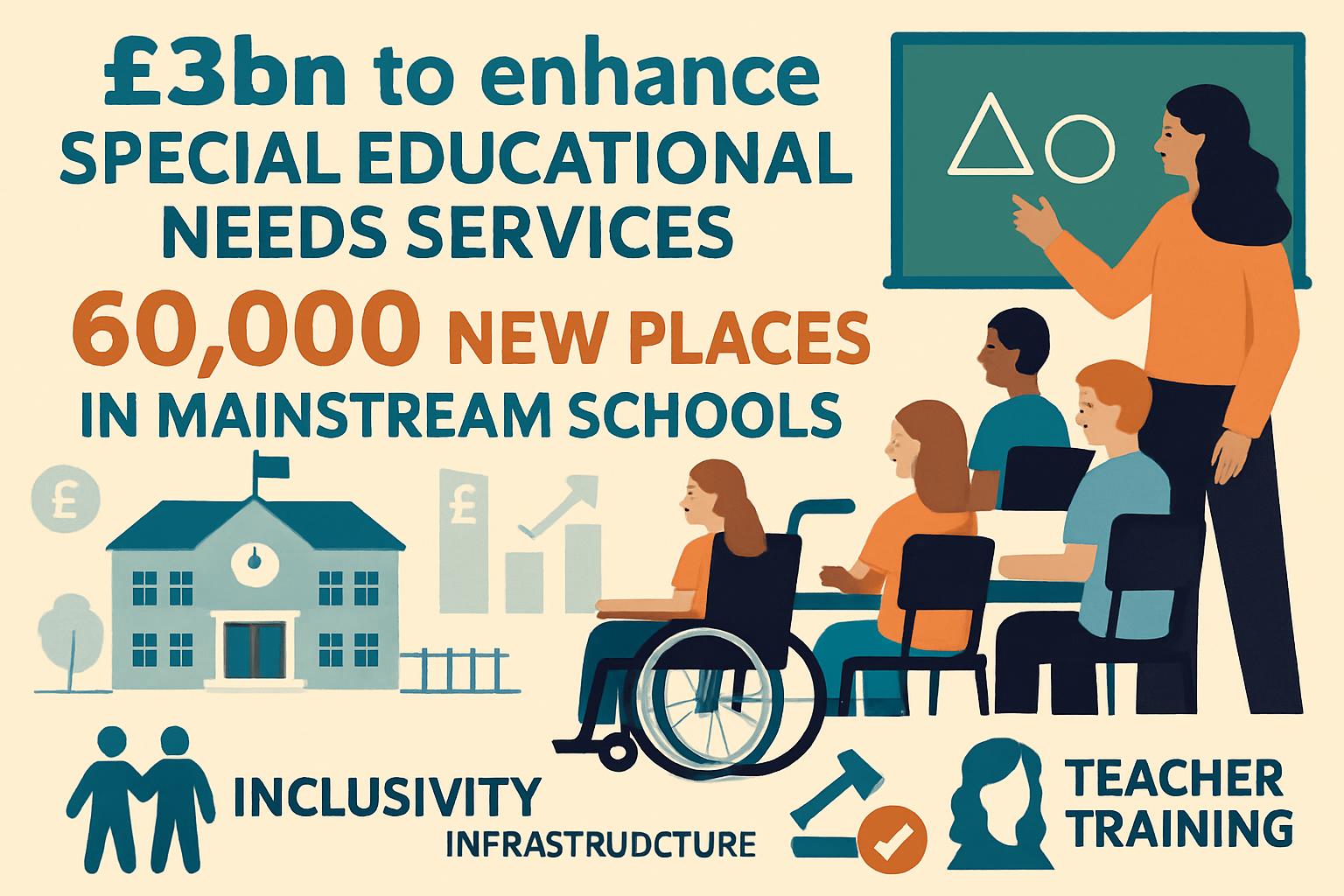
UK Government Pledges £3bn for Special Educational Needs Reforms Amid Rising Demand
Rising SEND Costs Threaten Financial Stability of English Councils
In This Article
 Ethan Brooks| Published
 HIGHLIGHTS
- Rising costs for special educational needs and disabilities (SEND) could bankrupt 80% of English councils, with deficits projected to reach £14bn by 2025.
- Councils are urging the government to write off SEND deficits and implement reforms, as current spending is unsustainable.
- The government plans to overhaul the SEND system, with a white paper expected soon, but faces political challenges in balancing costs and support.
- MPs are calling for increased, inflation-proofed funding for SEND to meet growing demand, as over 1.7 million children in England require support.
- Some councils are considering raising council tax beyond permitted limits to cover SEND costs, highlighting the financial strain on local authorities.
The financial burden of special educational needs and disabilities (SEND) is pushing English local councils towards potential bankruptcy, with 80% of them facing insolvency unless significant reforms are introduced. The Local Government Association (LGA) has highlighted the urgent need for the government to address the mounting SEND deficits, which are projected to reach £14bn by 2025.
Mounting Financial Pressure
Local councils are grappling with escalating costs associated with SEND, driven by a surge in demand for support services. Currently, over 1.7 million children in England require special educational assistance, with 639,000 holding education, health, and care plans (EHCPs). The rise in autism spectrum disorder diagnoses and increased demand for speech and language support have significantly contributed to this financial strain.
Despite a two-thirds increase in SEND spending over the past decade, councils are struggling to meet the needs of these children. The Office for Budget Responsibility forecasts that councils will spend £14.8bn on SEND by 2025/26, up from £5bn in 2015/16. This financial pressure has led some councils to consider raising council tax beyond the usual limits to cover the costs.
Calls for Government Intervention
The LGA and a cross-party group of MPs are urging the government to align funding with the growing demand for SEND services. They advocate for inflation-proofed budgets and reforms that would ensure financial sustainability while maintaining support for children with special needs. The Department for Education has acknowledged the need for change and plans to release a white paper outlining proposed reforms.
However, the government's efforts to balance financial constraints with adequate support face political challenges. There is concern among parents and MPs that reforms could limit existing rights and support for children with SEND. Labour MP Neil Duncan-Jordan emphasized the importance of improving the system without compromising on support, warning against alienating parents.
Councils' Desperate Measures
Some councils, like Bournemouth, Christchurch, and Poole, have already taken drastic steps, proposing council tax increases beyond the 4.99% limit to manage their SEND deficits. The LGA warns that without government intervention, 79% of councils could become insolvent by 2028 when an accounting "override" allowing deficits to be kept off balance sheets ends.
The financial crisis underscores the urgent need for systemic reform to ensure that councils can continue to support children with SEND without compromising their financial stability.
WHAT THIS MIGHT MEAN
The upcoming government white paper on SEND reforms will be pivotal in determining the future of special educational needs support in England. If the government fails to address the financial challenges faced by councils, many may resort to drastic measures, such as significant council tax hikes, to manage their deficits. This could lead to public backlash and political consequences.
Experts suggest that a balanced approach, combining increased funding with strategic reforms, is essential to ensure sustainable support for SEND. The government must carefully navigate the political landscape to implement changes that satisfy both financial constraints and the needs of children with special educational needs.
As councils await the government's proposals, the pressure mounts for a solution that prevents financial collapse while maintaining essential services for vulnerable children.
Related Articles
Police Raids and Political Turmoil: The Peter Mandelson Investigation Unfolds
Keir Starmer Faces Leadership Crisis Amid Mandelson Scandal
Reform UK Pledges to Retain and Reform Budget Watchdog Amid Leadership Changes
UK Government Borrowing Sees Sharp Decline Amid Record Tax Revenues
MPs Launch Inquiry into Office for Budget Responsibility's Role and Influence
UK Government Pledges £3bn for Special Educational Needs Reforms Amid Rising Demand