
MPs Launch Inquiry into Office for Budget Responsibility's Role and Influence
In This Article
HIGHLIGHTS
- The UK Treasury Committee has launched an inquiry into the Office for Budget Responsibility (OBR) to evaluate its role and performance over the past 15 years.
- The inquiry follows concerns about the OBR's influence on government tax and spending decisions, highlighted by a recent controversy involving budget leaks.
- Richard Hughes resigned as OBR chair after an error led to the premature release of key budget documents, intensifying scrutiny of the agency.
- Chancellor Rachel Reeves faced criticism over claims of misleading the public about the economic outlook, which she has denied.
- The inquiry aims to assess potential reforms to the OBR's remit and its relationship with the Treasury, with findings expected by the end of next month.
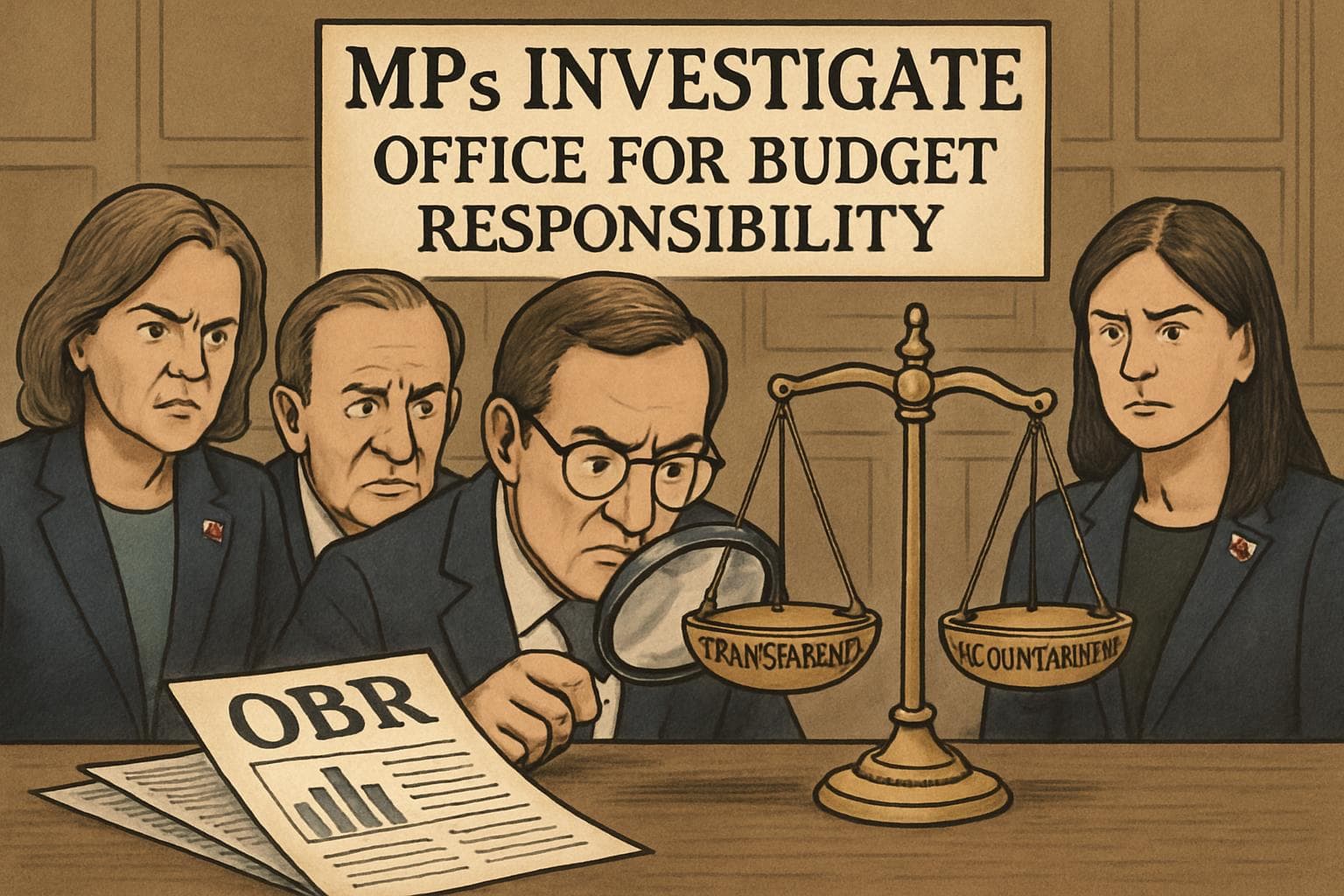
The UK Treasury Committee has initiated an inquiry into the Office for Budget Responsibility (OBR), aiming to scrutinize the economic forecaster's role and performance since its inception 15 years ago. This move comes amid heightened scrutiny following a series of controversies surrounding the agency's influence on government fiscal policy.
Background and Purpose of the Inquiry
Established in 2010 to provide independent analysis of the government's finances, the OBR has been a pivotal player in shaping the UK's economic landscape. However, recent events have cast a spotlight on its operations. The inquiry, led by Dame Meg Hillier, seeks to evaluate the OBR's forecasting accuracy, impartiality, and its relationship with the Treasury. Hillier emphasized that the inquiry is not intended as a critique but as an opportunity to discuss the watchdog's strengths and areas for improvement.
Controversies and Resignation
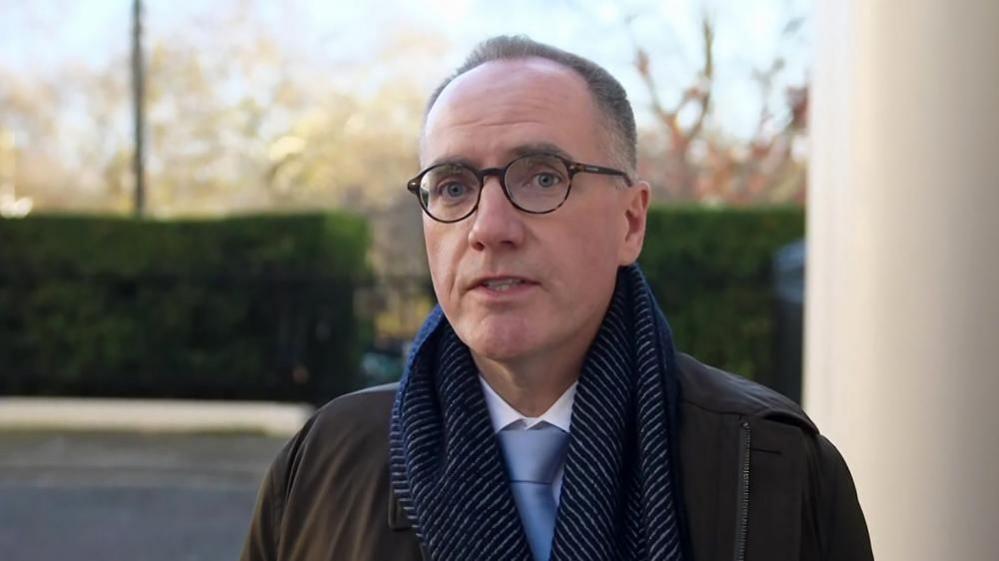
The inquiry follows the resignation of Richard Hughes, the former OBR chair, who stepped down after an error resulted in the early release of crucial budget documents. This incident, coupled with allegations of unauthorized leaks, has raised questions about the OBR's internal processes and its influence on budgetary decisions. Chancellor Rachel Reeves has been at the center of this debate, facing accusations of misleading the public about the economic outlook, which she has refuted.
Potential Reforms and Future Directions
As the Treasury Committee delves into the OBR's operations, it will consider potential reforms to enhance the agency's effectiveness and transparency. The inquiry will also explore whether adjustments to the OBR's remit could foster more positive economic outcomes for the UK. Evidence for the inquiry is to be submitted by January 30, with findings expected by the end of the following month.
WHAT THIS MIGHT MEAN
The outcome of the Treasury Committee's inquiry could lead to significant changes in how the OBR operates and interacts with the Treasury. If reforms are recommended, they may aim to enhance the agency's transparency and accountability, potentially reshaping its influence on fiscal policy. Experts suggest that a recalibrated relationship between the OBR and the Treasury could lead to more robust economic forecasting and policy-making. As the inquiry progresses, stakeholders will be keenly observing how these developments might impact the UK's economic strategy and governance.
Images from the Web
Related Articles
UK Achieves Record Budget Surplus Amid Calls for Fiscal Policy Reform

Middle East Conflict Drives UK Energy Prices to New Highs
Reform UK Pledges to Retain and Reform Budget Watchdog Amid Leadership Changes
UK Inflation Drops to 3% in January, Sparking Interest Rate Cut Speculation

Breakthrough Drug Offers Hope for Children with Severe Epilepsy
Trump Raises Import Tariffs to 15% After Supreme Court Setback
MPs Launch Inquiry into Office for Budget Responsibility's Role and Influence
In This Article
 Daniel Rivera| Published
 HIGHLIGHTS
- The UK Treasury Committee has launched an inquiry into the Office for Budget Responsibility (OBR) to evaluate its role and performance over the past 15 years.
- The inquiry follows concerns about the OBR's influence on government tax and spending decisions, highlighted by a recent controversy involving budget leaks.
- Richard Hughes resigned as OBR chair after an error led to the premature release of key budget documents, intensifying scrutiny of the agency.
- Chancellor Rachel Reeves faced criticism over claims of misleading the public about the economic outlook, which she has denied.
- The inquiry aims to assess potential reforms to the OBR's remit and its relationship with the Treasury, with findings expected by the end of next month.
The UK Treasury Committee has initiated an inquiry into the Office for Budget Responsibility (OBR), aiming to scrutinize the economic forecaster's role and performance since its inception 15 years ago. This move comes amid heightened scrutiny following a series of controversies surrounding the agency's influence on government fiscal policy.
Background and Purpose of the Inquiry
Established in 2010 to provide independent analysis of the government's finances, the OBR has been a pivotal player in shaping the UK's economic landscape. However, recent events have cast a spotlight on its operations. The inquiry, led by Dame Meg Hillier, seeks to evaluate the OBR's forecasting accuracy, impartiality, and its relationship with the Treasury. Hillier emphasized that the inquiry is not intended as a critique but as an opportunity to discuss the watchdog's strengths and areas for improvement.
Controversies and Resignation
The inquiry follows the resignation of Richard Hughes, the former OBR chair, who stepped down after an error resulted in the early release of crucial budget documents. This incident, coupled with allegations of unauthorized leaks, has raised questions about the OBR's internal processes and its influence on budgetary decisions. Chancellor Rachel Reeves has been at the center of this debate, facing accusations of misleading the public about the economic outlook, which she has refuted.
Potential Reforms and Future Directions
As the Treasury Committee delves into the OBR's operations, it will consider potential reforms to enhance the agency's effectiveness and transparency. The inquiry will also explore whether adjustments to the OBR's remit could foster more positive economic outcomes for the UK. Evidence for the inquiry is to be submitted by January 30, with findings expected by the end of the following month.
WHAT THIS MIGHT MEAN
The outcome of the Treasury Committee's inquiry could lead to significant changes in how the OBR operates and interacts with the Treasury. If reforms are recommended, they may aim to enhance the agency's transparency and accountability, potentially reshaping its influence on fiscal policy. Experts suggest that a recalibrated relationship between the OBR and the Treasury could lead to more robust economic forecasting and policy-making. As the inquiry progresses, stakeholders will be keenly observing how these developments might impact the UK's economic strategy and governance.
Images from the Web
Related Articles
UK Achieves Record Budget Surplus Amid Calls for Fiscal Policy Reform
Middle East Conflict Drives UK Energy Prices to New Highs
Reform UK Pledges to Retain and Reform Budget Watchdog Amid Leadership Changes
UK Inflation Drops to 3% in January, Sparking Interest Rate Cut Speculation
Breakthrough Drug Offers Hope for Children with Severe Epilepsy
Trump Raises Import Tariffs to 15% After Supreme Court Setback