
Russia Intensifies Strikes on Ukraine Amid New Defense Measures

In This Article
HIGHLIGHTS
- Nine people died in Russian strikes on Ukraine, with over 470 drones and 47 missiles launched, according to President Volodymyr Zelensky.
- Kharkiv suffered significant damage, with more than 30 injuries reported, including children, and widespread power outages.
- Russia has enacted new laws to strengthen defenses against Ukrainian drone strikes, reflecting a prolonged conflict.
- Moscow's measures include deploying reservists to protect critical infrastructure and introducing electronic disruptions to counter drone operations.
- The new laws have led to confusion among Russian citizens, particularly affecting mobile connections for those returning from abroad.
In a dramatic escalation of the ongoing conflict, Russian forces launched a massive overnight assault on Ukraine, resulting in the deaths of nine individuals, as reported by Ukrainian President Volodymyr Zelensky. The attack involved over 470 drones and 47 missiles, marking one of the most extensive offensives in recent months. Kharkiv, Ukraine's second-largest city, bore the brunt of the assault, with three districts hit hard, leaving more than 30 people injured, including children. The strikes have also led to widespread power outages across various regions, according to Ukraine's energy ministry.
Kharkiv Under Siege
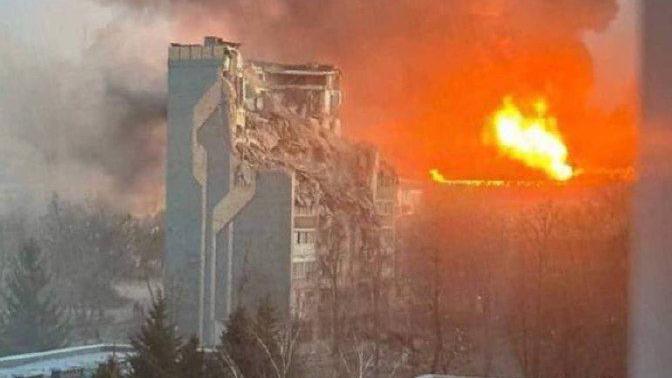
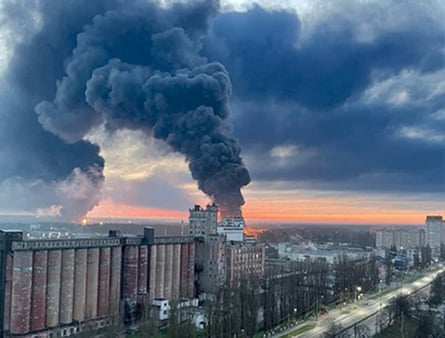
The city of Kharkiv experienced a particularly severe impact from the Russian offensive. Images circulating online depict buildings and vehicles engulfed in flames, highlighting the intensity of the attack. The assault has not only caused physical destruction but also significant disruptions to daily life, with power cuts affecting numerous areas. This latest wave of violence underscores the ongoing volatility in the region and the continued threat to civilian safety.
Moscow's New Defense Strategy
In response to increasing Ukrainian drone strikes, Russia has implemented new laws aimed at bolstering its domestic defenses. These measures reflect the Kremlin's anticipation of a prolonged conflict, as Ukrainian forces continue to target critical infrastructure within Russia. President Vladimir Putin has authorized the deployment of reservists to safeguard key sites, including oil refineries that have been repeatedly attacked. This move allows for the mobilization of approximately 2 million reservists without declaring a formal draft, a step that remains unpopular among the Russian populace.
Electronic Countermeasures and Public Impact
Alongside physical defenses, Russian authorities are introducing electronic countermeasures to disrupt Ukrainian drone operations. A new regulation, effective since November 10, mandates a 24-hour cooling-off period for mobile connections of users returning from abroad. This measure aims to prevent drones from utilizing civilian networks for telemetry and control. However, the policy has caused confusion and inconvenience, particularly for residents in border regions like Pskov, who have reported unintended disruptions to their mobile services.
WHAT THIS MIGHT MEAN
As the conflict between Russia and Ukraine intensifies, the recent developments suggest a potential for further escalation. The deployment of reservists and new electronic measures indicate Russia's determination to fortify its defenses against Ukrainian incursions. However, these actions may also exacerbate tensions within Russia, as citizens face increased state interference in their daily lives. On the international stage, Ukraine's ability to strike deep into Russian territory could prompt further diplomatic and military responses, potentially drawing in additional global actors. As both nations brace for a prolonged conflict, the situation remains fluid, with significant implications for regional stability and international relations.
Images from the Web
Related Articles
Russian LNG Tanker Sinks in Mediterranean Amid Accusations of Ukrainian Drone Attack
Russia-Ukraine Conflict: Four Years of Unyielding Struggle and Human Resilience
UK and Allies Accuse Russia of Killing Navalny with Dart Frog Toxin
Geneva Peace Talks Between Russia and Ukraine End Without Breakthrough
Geneva Talks See 'Meaningful Progress' Amid Tensions Over Ukraine-Russia Conflict
Geneva Peace Talks: Russia and Ukraine Seek Resolution Amid Ongoing Conflict
Russia Intensifies Strikes on Ukraine Amid New Defense Measures
In This Article
 Ethan Brooks| Published
 HIGHLIGHTS
- Nine people died in Russian strikes on Ukraine, with over 470 drones and 47 missiles launched, according to President Volodymyr Zelensky.
- Kharkiv suffered significant damage, with more than 30 injuries reported, including children, and widespread power outages.
- Russia has enacted new laws to strengthen defenses against Ukrainian drone strikes, reflecting a prolonged conflict.
- Moscow's measures include deploying reservists to protect critical infrastructure and introducing electronic disruptions to counter drone operations.
- The new laws have led to confusion among Russian citizens, particularly affecting mobile connections for those returning from abroad.
In a dramatic escalation of the ongoing conflict, Russian forces launched a massive overnight assault on Ukraine, resulting in the deaths of nine individuals, as reported by Ukrainian President Volodymyr Zelensky. The attack involved over 470 drones and 47 missiles, marking one of the most extensive offensives in recent months. Kharkiv, Ukraine's second-largest city, bore the brunt of the assault, with three districts hit hard, leaving more than 30 people injured, including children. The strikes have also led to widespread power outages across various regions, according to Ukraine's energy ministry.
Kharkiv Under Siege
The city of Kharkiv experienced a particularly severe impact from the Russian offensive. Images circulating online depict buildings and vehicles engulfed in flames, highlighting the intensity of the attack. The assault has not only caused physical destruction but also significant disruptions to daily life, with power cuts affecting numerous areas. This latest wave of violence underscores the ongoing volatility in the region and the continued threat to civilian safety.
Moscow's New Defense Strategy
In response to increasing Ukrainian drone strikes, Russia has implemented new laws aimed at bolstering its domestic defenses. These measures reflect the Kremlin's anticipation of a prolonged conflict, as Ukrainian forces continue to target critical infrastructure within Russia. President Vladimir Putin has authorized the deployment of reservists to safeguard key sites, including oil refineries that have been repeatedly attacked. This move allows for the mobilization of approximately 2 million reservists without declaring a formal draft, a step that remains unpopular among the Russian populace.
Electronic Countermeasures and Public Impact
Alongside physical defenses, Russian authorities are introducing electronic countermeasures to disrupt Ukrainian drone operations. A new regulation, effective since November 10, mandates a 24-hour cooling-off period for mobile connections of users returning from abroad. This measure aims to prevent drones from utilizing civilian networks for telemetry and control. However, the policy has caused confusion and inconvenience, particularly for residents in border regions like Pskov, who have reported unintended disruptions to their mobile services.
WHAT THIS MIGHT MEAN
As the conflict between Russia and Ukraine intensifies, the recent developments suggest a potential for further escalation. The deployment of reservists and new electronic measures indicate Russia's determination to fortify its defenses against Ukrainian incursions. However, these actions may also exacerbate tensions within Russia, as citizens face increased state interference in their daily lives. On the international stage, Ukraine's ability to strike deep into Russian territory could prompt further diplomatic and military responses, potentially drawing in additional global actors. As both nations brace for a prolonged conflict, the situation remains fluid, with significant implications for regional stability and international relations.
Images from the Web
Related Articles
Russian LNG Tanker Sinks in Mediterranean Amid Accusations of Ukrainian Drone Attack
Russia-Ukraine Conflict: Four Years of Unyielding Struggle and Human Resilience
UK and Allies Accuse Russia of Killing Navalny with Dart Frog Toxin
Geneva Peace Talks Between Russia and Ukraine End Without Breakthrough
Geneva Talks See 'Meaningful Progress' Amid Tensions Over Ukraine-Russia Conflict
Geneva Peace Talks: Russia and Ukraine Seek Resolution Amid Ongoing Conflict