
Russia Intensifies Strikes on Ukraine Amid Diplomatic Maneuvers

In This Article
HIGHLIGHTS
- Russia launched 574 drones and 40 missiles in a major attack on Ukraine, marking the largest assault since July.
- Ukrainian President Volodymyr Zelensky expressed readiness to meet Russian President Vladimir Putin in neutral locations to negotiate peace.
- European leaders joined Zelensky in Washington to present a united front amid Trump's diplomatic efforts with Putin.
- Ukraine tested a new long-range missile, Flamingo, capable of striking targets up to 3,000 km away.
- Trump suggested Ukraine should have been armed earlier to counter Russia, while Moscow remains resistant to peace talks.
In a significant escalation, Russia has launched a massive wave of drone and missile strikes on Ukraine, marking the heaviest bombardment in weeks. Ukrainian officials reported that 574 drones and 40 missiles were fired, resulting in one fatality in Lviv and injuries to 15 people in Transcarpathia. This attack underscores the ongoing volatility in the Russia-Ukraine conflict, as diplomatic efforts led by former US President Donald Trump seek to bring an end to the hostilities.
Ukrainian President Volodymyr Zelensky has expressed his willingness to engage in peace talks with Russian President Vladimir Putin, suggesting neutral venues such as Switzerland or Austria. Despite these overtures, Zelensky noted a lack of genuine interest from Moscow in substantive negotiations. The recent strikes, which included hypersonic and ballistic missiles, highlight the urgency of diplomatic resolutions.
Diplomatic Efforts and European Involvement
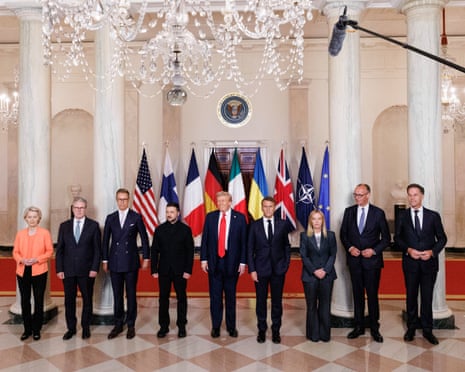
As Zelensky prepared for a meeting with Trump in Washington, European leaders rallied to support Ukraine. This "Great European Charm Offensive" saw seven prominent European figures join Zelensky, aiming to prevent any unfavorable outcomes from Trump's discussions with Putin. The meeting, described as one of the "oddest in modern diplomacy," was a strategic move to shield Ukraine from further Russian aggression.
Despite Trump's initial push for a ceasefire, his subsequent backing of pro-Russian positions has raised concerns. European leaders, aware of Trump's unpredictable diplomacy, sought to maintain a united front to safeguard Ukraine's interests.
Military Developments and Future Prospects
Amidst these diplomatic efforts, Ukraine has been bolstering its military capabilities. President Zelensky announced the successful test of the Flamingo cruise missile, capable of reaching targets up to 3,000 km away. This development signifies Ukraine's preparedness for potential escalations in the conflict.
Trump, expressing frustration over Russia's stance, suggested that Ukraine should have been armed earlier to effectively counter Russian advances. Meanwhile, Moscow remains firm in its opposition to European military involvement in Ukraine, labeling it as foreign intervention.
WHAT THIS MIGHT MEAN
The recent escalation in missile strikes by Russia, coupled with diplomatic maneuvers, suggests a complex path ahead for the Russia-Ukraine conflict. While Zelensky's openness to negotiations indicates a potential for dialogue, Moscow's reluctance poses a significant hurdle. The involvement of European leaders highlights the broader geopolitical stakes, as they seek to prevent further Russian aggression.
The introduction of Ukraine's Flamingo missile adds a new dimension to the military landscape, potentially altering strategic calculations. As Trump continues to navigate diplomatic channels, his ability to influence a peace agreement remains uncertain. The coming weeks will be critical in determining whether diplomatic efforts can yield a breakthrough or if the conflict will persist with heightened military engagements.
Images from the Web
Related Articles
Russian LNG Tanker Sinks in Mediterranean Amid Accusations of Ukrainian Drone Attack

Russia-Ukraine Conflict: Four Years of Unyielding Struggle and Human Resilience

Tech Giants Pledge to Cover AI Data Center Energy Costs Amid Rising Electricity Concerns

Congress Subpoenas Attorney General Bondi in Epstein Investigation
Cuba Faces Widespread Blackout Amid Deepening Fuel Crisis

UK Faces Dilemmas Amid Iran Conflict and China Spying Allegations
Russia Intensifies Strikes on Ukraine Amid Diplomatic Maneuvers
In This Article
 Alex Carter| Published
 HIGHLIGHTS
- Russia launched 574 drones and 40 missiles in a major attack on Ukraine, marking the largest assault since July.
- Ukrainian President Volodymyr Zelensky expressed readiness to meet Russian President Vladimir Putin in neutral locations to negotiate peace.
- European leaders joined Zelensky in Washington to present a united front amid Trump's diplomatic efforts with Putin.
- Ukraine tested a new long-range missile, Flamingo, capable of striking targets up to 3,000 km away.
- Trump suggested Ukraine should have been armed earlier to counter Russia, while Moscow remains resistant to peace talks.
In a significant escalation, Russia has launched a massive wave of drone and missile strikes on Ukraine, marking the heaviest bombardment in weeks. Ukrainian officials reported that 574 drones and 40 missiles were fired, resulting in one fatality in Lviv and injuries to 15 people in Transcarpathia. This attack underscores the ongoing volatility in the Russia-Ukraine conflict, as diplomatic efforts led by former US President Donald Trump seek to bring an end to the hostilities.
Ukrainian President Volodymyr Zelensky has expressed his willingness to engage in peace talks with Russian President Vladimir Putin, suggesting neutral venues such as Switzerland or Austria. Despite these overtures, Zelensky noted a lack of genuine interest from Moscow in substantive negotiations. The recent strikes, which included hypersonic and ballistic missiles, highlight the urgency of diplomatic resolutions.
Diplomatic Efforts and European Involvement
As Zelensky prepared for a meeting with Trump in Washington, European leaders rallied to support Ukraine. This "Great European Charm Offensive" saw seven prominent European figures join Zelensky, aiming to prevent any unfavorable outcomes from Trump's discussions with Putin. The meeting, described as one of the "oddest in modern diplomacy," was a strategic move to shield Ukraine from further Russian aggression.
Despite Trump's initial push for a ceasefire, his subsequent backing of pro-Russian positions has raised concerns. European leaders, aware of Trump's unpredictable diplomacy, sought to maintain a united front to safeguard Ukraine's interests.
Military Developments and Future Prospects
Amidst these diplomatic efforts, Ukraine has been bolstering its military capabilities. President Zelensky announced the successful test of the Flamingo cruise missile, capable of reaching targets up to 3,000 km away. This development signifies Ukraine's preparedness for potential escalations in the conflict.
Trump, expressing frustration over Russia's stance, suggested that Ukraine should have been armed earlier to effectively counter Russian advances. Meanwhile, Moscow remains firm in its opposition to European military involvement in Ukraine, labeling it as foreign intervention.
WHAT THIS MIGHT MEAN
The recent escalation in missile strikes by Russia, coupled with diplomatic maneuvers, suggests a complex path ahead for the Russia-Ukraine conflict. While Zelensky's openness to negotiations indicates a potential for dialogue, Moscow's reluctance poses a significant hurdle. The involvement of European leaders highlights the broader geopolitical stakes, as they seek to prevent further Russian aggression.
The introduction of Ukraine's Flamingo missile adds a new dimension to the military landscape, potentially altering strategic calculations. As Trump continues to navigate diplomatic channels, his ability to influence a peace agreement remains uncertain. The coming weeks will be critical in determining whether diplomatic efforts can yield a breakthrough or if the conflict will persist with heightened military engagements.
Images from the Web
Related Articles
Russian LNG Tanker Sinks in Mediterranean Amid Accusations of Ukrainian Drone Attack
Russia-Ukraine Conflict: Four Years of Unyielding Struggle and Human Resilience
Tech Giants Pledge to Cover AI Data Center Energy Costs Amid Rising Electricity Concerns
Congress Subpoenas Attorney General Bondi in Epstein Investigation
Cuba Faces Widespread Blackout Amid Deepening Fuel Crisis
UK Faces Dilemmas Amid Iran Conflict and China Spying Allegations