
Russian Troops Enter Dnipropetrovsk as Ukraine Conflict Intensifies

In This Article
HIGHLIGHTS
- Ukrainian forces confirm Russian troops have entered the Dnipropetrovsk region, marking a significant escalation in the conflict.
- Russia's military claims to have occupied two villages, Zaporizke and Novohryhorivka, though Ukraine disputes this.
- Diplomatic efforts to end the war are faltering, with US-led initiatives showing little progress.
- Ukrainian President Zelenskyy is engaging with international partners to prepare for potential peace talks.
- The EU warns against conceding Ukrainian territory to Russia, emphasizing the need for strong sanctions.
Ukrainian forces have acknowledged that Russian troops have breached the Dnipropetrovsk region, a strategic industrial hub previously untouched by large-scale conflict. Viktor Tregubov, a spokesperson for Ukrainian forces in Dnipro, confirmed the incursion, stating, "Yes, they have entered, and fighting is ongoing as of now."
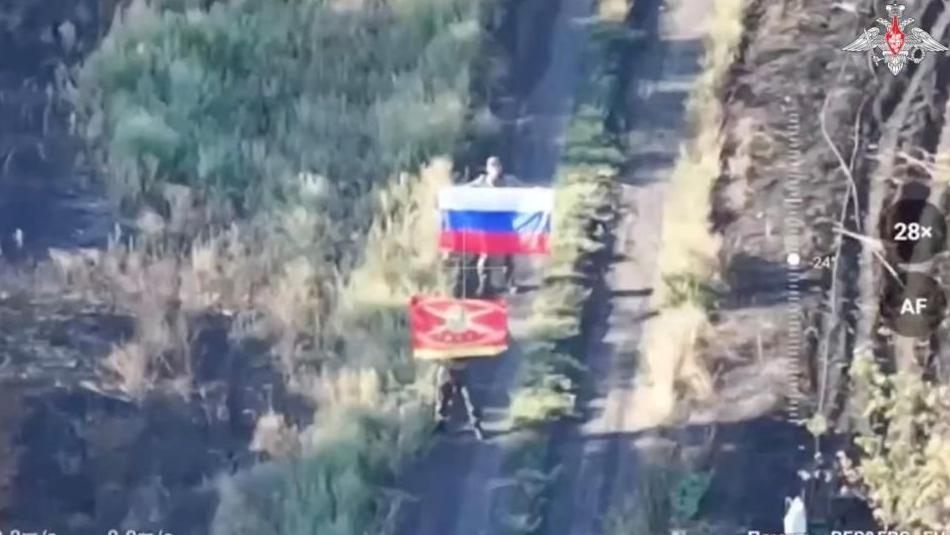
Despite Russia's claims of capturing the villages of Zaporizke and Novohryhorivka, Ukraine's military general staff refutes these assertions, maintaining control over the contested areas. The DeepState mapping project, however, reports that Russian forces are consolidating their positions in these villages, preparing for further advances.
The Dnipropetrovsk region, home to over three million people before the war, is a critical center of heavy industry. Its capture would represent a significant blow to Ukrainian morale and strategic capabilities. The region's importance is underscored by its proximity to the Donetsk region, where Russian forces have made recent gains despite high casualties.
Diplomatic efforts to resolve the conflict appear to be stalling. US-led initiatives, including meetings between former President Donald Trump and Russian President Vladimir Putin, have yet to yield tangible results. Ukrainian President Volodymyr Zelenskyy is actively engaging with international partners, including Turkey and European nations, to prepare for potential peace talks.
The European Union's foreign policy chief, Kaja Kallas, has cautioned against ceding Ukrainian territory to Russia as part of any peace agreement, labeling such concessions a "trap." She emphasized the need for continued sanctions and pressure on Russia to bring about genuine negotiations.
WHAT THIS MIGHT MEAN
The entry of Russian forces into Dnipropetrovsk could mark a turning point in the conflict, potentially leading to intensified military engagements in the region. Should Russia solidify its hold on the area, Ukraine may face increased pressure to negotiate from a position of disadvantage. However, international diplomatic efforts, if successful, could pave the way for peace talks, though the path remains fraught with challenges.
The EU's stance against territorial concessions highlights the complexities of negotiating peace, as any perceived weakness could embolden further Russian aggression. Continued international support for Ukraine, coupled with robust sanctions against Russia, may be crucial in shaping the conflict's outcome and ensuring a sustainable resolution.
Images from the Web
Related Articles
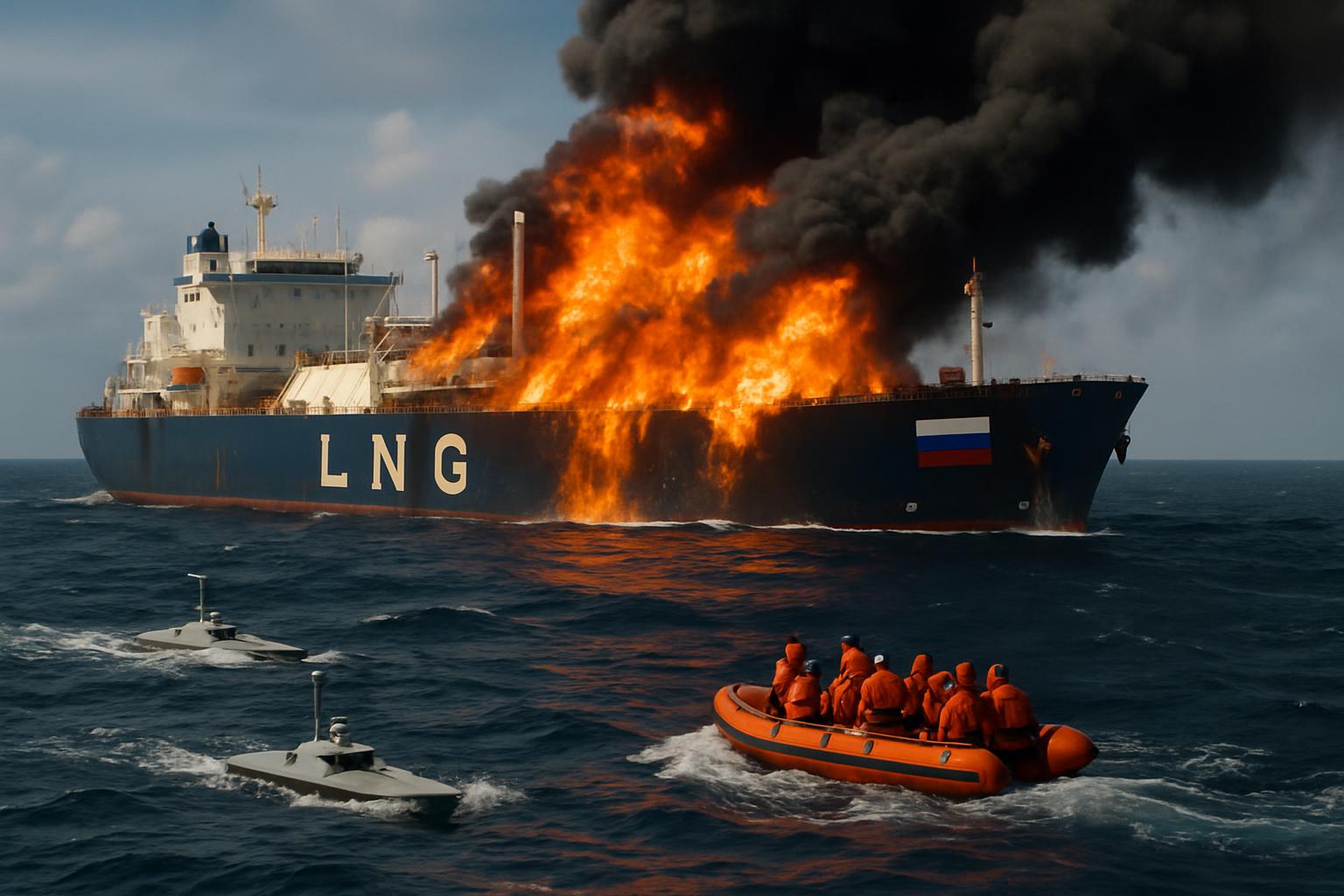
Russian LNG Tanker Sinks in Mediterranean Amid Accusations of Ukrainian Drone Attack
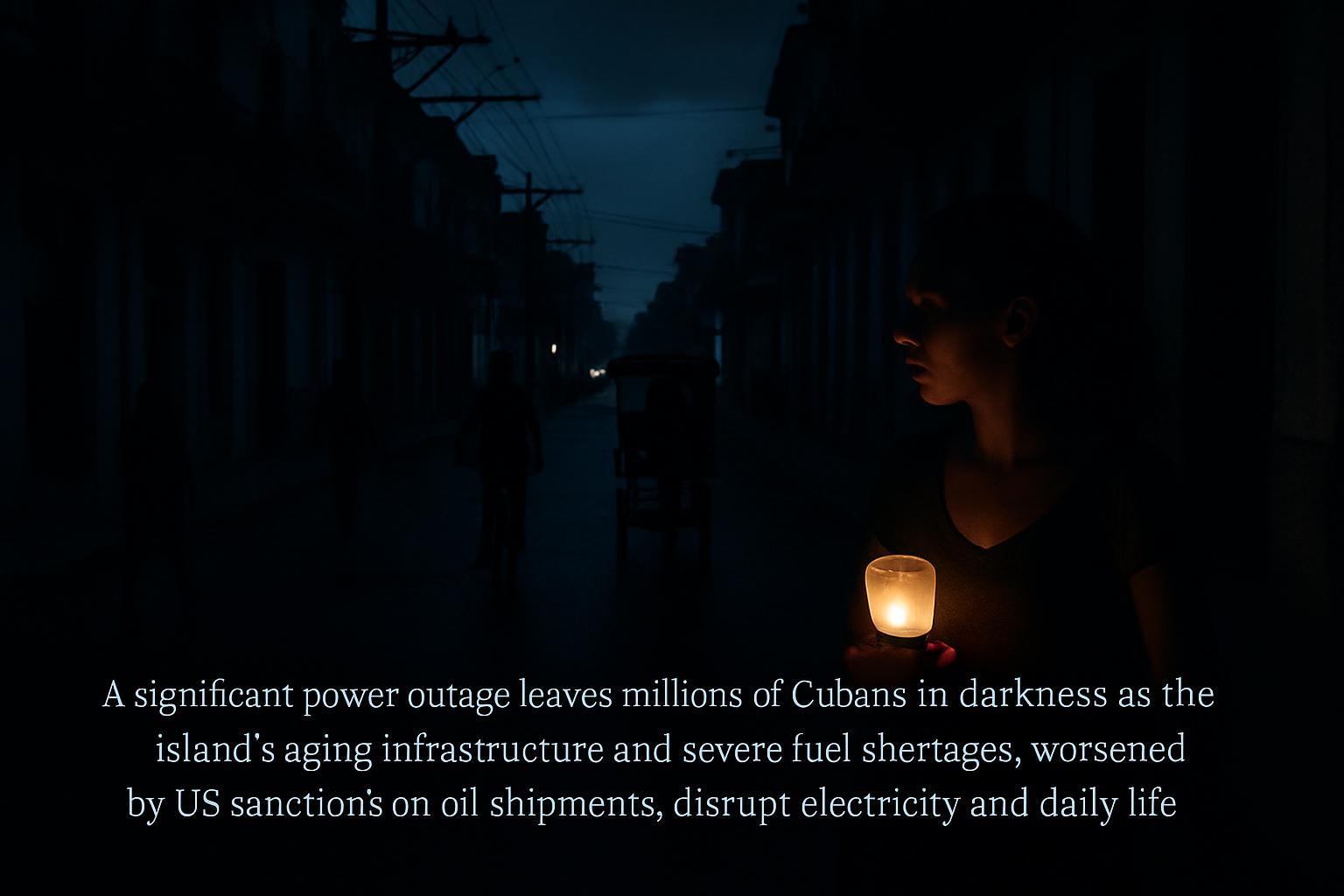
Cuba Faces Widespread Blackout Amid Deepening Fuel Crisis

UK Faces Dilemmas Amid Iran Conflict and China Spying Allegations
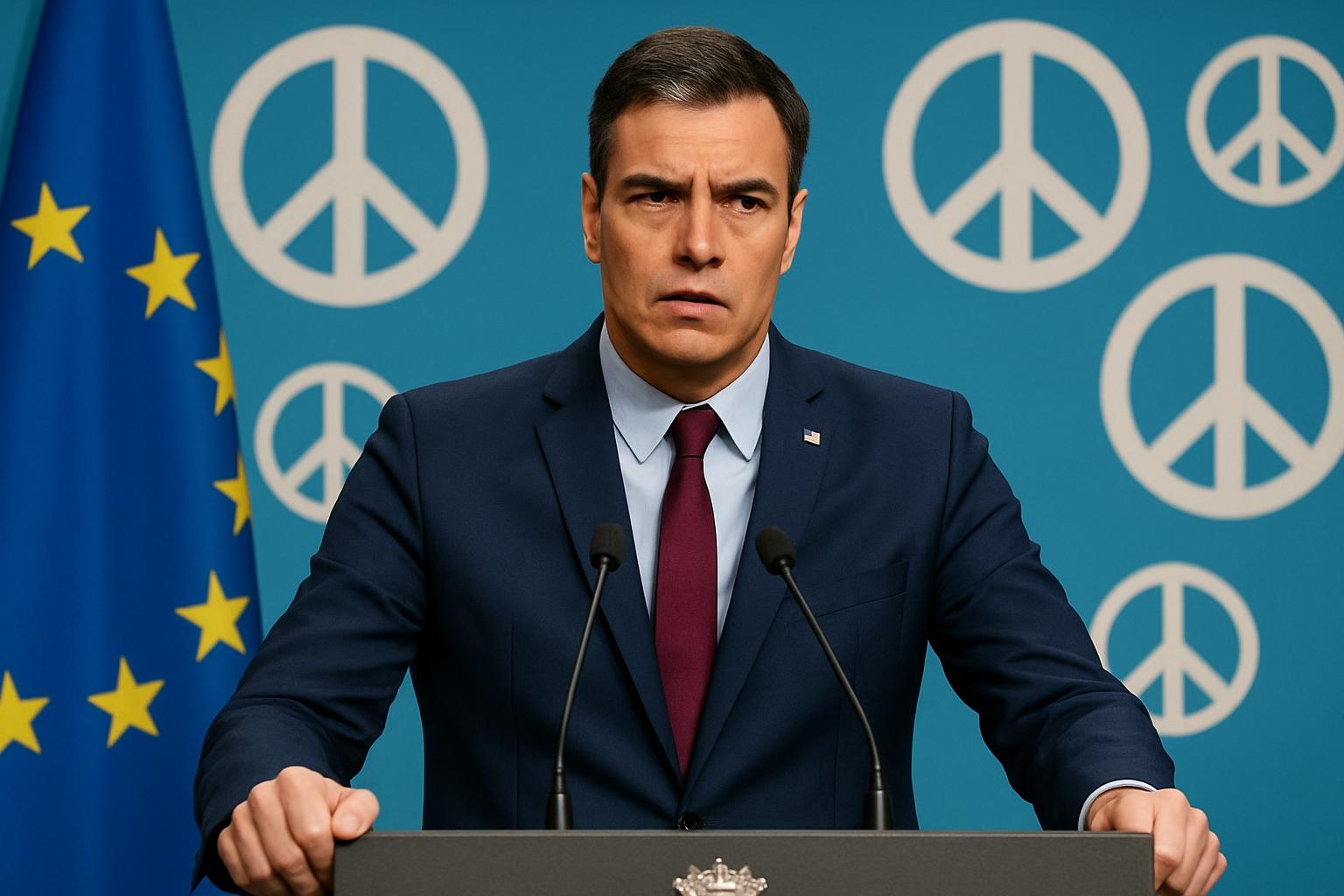
Spain's Sánchez Stands Firm Against Trump's Trade Threat Over Iran Stance
China Sets Lowest GDP Growth Target in Decades Amid Economic Challenges

Tech Giants Pledge to Cover AI Data Center Energy Costs Amid Rising Electricity Concerns
Russian Troops Enter Dnipropetrovsk as Ukraine Conflict Intensifies
In This Article
 James Okoro| Published
 HIGHLIGHTS
- Ukrainian forces confirm Russian troops have entered the Dnipropetrovsk region, marking a significant escalation in the conflict.
- Russia's military claims to have occupied two villages, Zaporizke and Novohryhorivka, though Ukraine disputes this.
- Diplomatic efforts to end the war are faltering, with US-led initiatives showing little progress.
- Ukrainian President Zelenskyy is engaging with international partners to prepare for potential peace talks.
- The EU warns against conceding Ukrainian territory to Russia, emphasizing the need for strong sanctions.
Ukrainian forces have acknowledged that Russian troops have breached the Dnipropetrovsk region, a strategic industrial hub previously untouched by large-scale conflict. Viktor Tregubov, a spokesperson for Ukrainian forces in Dnipro, confirmed the incursion, stating, "Yes, they have entered, and fighting is ongoing as of now."
Despite Russia's claims of capturing the villages of Zaporizke and Novohryhorivka, Ukraine's military general staff refutes these assertions, maintaining control over the contested areas. The DeepState mapping project, however, reports that Russian forces are consolidating their positions in these villages, preparing for further advances.
The Dnipropetrovsk region, home to over three million people before the war, is a critical center of heavy industry. Its capture would represent a significant blow to Ukrainian morale and strategic capabilities. The region's importance is underscored by its proximity to the Donetsk region, where Russian forces have made recent gains despite high casualties.
Diplomatic efforts to resolve the conflict appear to be stalling. US-led initiatives, including meetings between former President Donald Trump and Russian President Vladimir Putin, have yet to yield tangible results. Ukrainian President Volodymyr Zelenskyy is actively engaging with international partners, including Turkey and European nations, to prepare for potential peace talks.
The European Union's foreign policy chief, Kaja Kallas, has cautioned against ceding Ukrainian territory to Russia as part of any peace agreement, labeling such concessions a "trap." She emphasized the need for continued sanctions and pressure on Russia to bring about genuine negotiations.
WHAT THIS MIGHT MEAN
The entry of Russian forces into Dnipropetrovsk could mark a turning point in the conflict, potentially leading to intensified military engagements in the region. Should Russia solidify its hold on the area, Ukraine may face increased pressure to negotiate from a position of disadvantage. However, international diplomatic efforts, if successful, could pave the way for peace talks, though the path remains fraught with challenges.
The EU's stance against territorial concessions highlights the complexities of negotiating peace, as any perceived weakness could embolden further Russian aggression. Continued international support for Ukraine, coupled with robust sanctions against Russia, may be crucial in shaping the conflict's outcome and ensuring a sustainable resolution.
Images from the Web
Related Articles
Russian LNG Tanker Sinks in Mediterranean Amid Accusations of Ukrainian Drone Attack
Cuba Faces Widespread Blackout Amid Deepening Fuel Crisis
UK Faces Dilemmas Amid Iran Conflict and China Spying Allegations
Spain's Sánchez Stands Firm Against Trump's Trade Threat Over Iran Stance
China Sets Lowest GDP Growth Target in Decades Amid Economic Challenges
Tech Giants Pledge to Cover AI Data Center Energy Costs Amid Rising Electricity Concerns