
Ryanair Increases Staff Bonuses for Spotting Oversized Cabin Bags
In This Article
HIGHLIGHTS
- Ryanair will increase bonuses for staff identifying oversized cabin bags from €1.50 to €2.50 starting November.
- Passengers with non-compliant bags face fees up to £75, with the bonus cap for staff being removed.
- CEO Michael O'Leary insists the policy ensures compliance, claiming 99.9% of passengers adhere to baggage rules.
- O'Leary criticizes sustainable aviation fuel targets, doubting the UK's ability to meet its 2030 mandate.
- The airline allows a free small carry-on bag, with dimensions set to change due to new EU regulations.
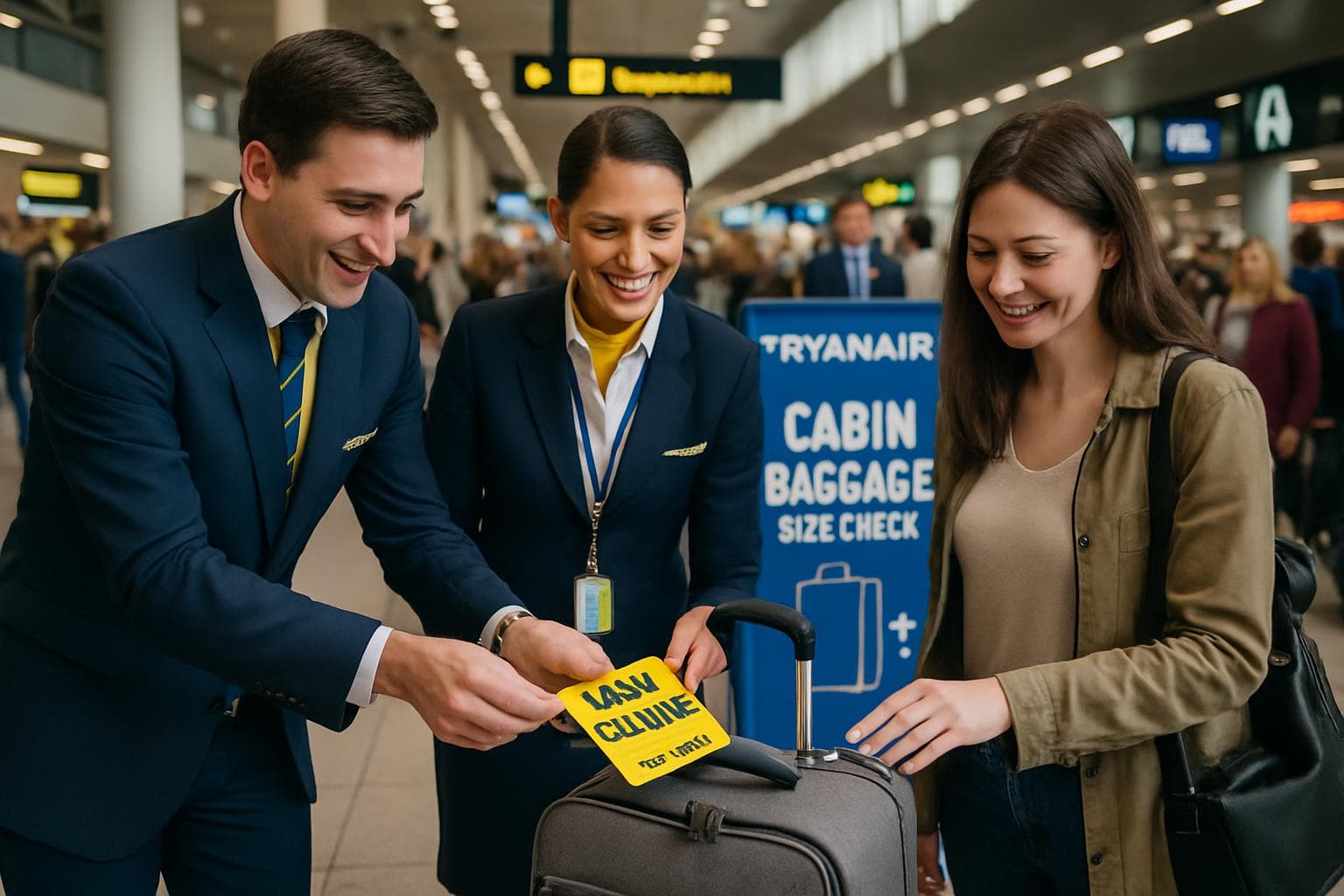
Ryanair is set to raise the bonus for its staff who identify oversized cabin bags from €1.50 to €2.50 per bag, effective from November. This move, announced by CEO Michael O'Leary, aims to enforce compliance with the airline's baggage policy, which allows passengers to carry a small bag for free, provided it fits under the seat with dimensions of 40x30x20cm. Passengers attempting to board with larger bags face fees of up to £75.
Policy Enforcement and Staff Incentives
The decision to increase bonuses and remove the €80 monthly cap is designed to motivate staff to ensure passengers adhere to baggage rules. O'Leary emphasized that the policy is not intended to catch passengers off guard but to maintain efficiency and reduce delays. "We want our ground handlers to catch those scamming the system," he stated, adding that 99.9% of Ryanair's 200 million passengers comply with the rules.
Sustainable Aviation Fuel Criticism
In addition to discussing baggage policies, O'Leary expressed skepticism about the UK's sustainable aviation fuel (SAF) targets. He argued that the supply of SAF is insufficient to meet the 2030 mandate of 10% of total UK jet fuel demand. O'Leary described the targets as unrealistic, predicting that oil prices will decrease significantly over the next decade.
Passenger Experience and Compliance
Despite some passenger dissatisfaction with the fees, O'Leary noted a decline in the number of people paying for non-compliant bags, as more travelers bring appropriately sized luggage. He dismissed concerns over minor infractions, stating that only a small fraction of passengers are affected by the fees.
WHAT THIS MIGHT MEAN
Ryanair's decision to increase staff bonuses for identifying oversized bags could lead to stricter enforcement of baggage rules, potentially reducing the number of non-compliant bags and associated delays. However, this may also result in increased passenger dissatisfaction if perceived as overly punitive. On the sustainability front, O'Leary's criticism of SAF targets highlights ongoing challenges in the aviation industry's efforts to meet environmental goals. If the supply of SAF remains limited, airlines may struggle to comply with future mandates, prompting a reevaluation of sustainability strategies. As the industry navigates these complexities, Ryanair's approach to both baggage policies and sustainability will likely influence broader discussions on airline operations and environmental responsibility.
Related Articles
Trump's New Tariff Strategy Sparks Global Trade Uncertainty

US Supreme Court Ruling on Tariffs Sparks Uncertainty for UK and Global Trade
Canada and Australia Forge Strategic Partnership Amid Global Uncertainty
UK Government to Reform Asylum Seeker Support and Employment Policies
Middle East Conflict Drives UK Energy Prices to New Highs

UK Faces Dilemmas Amid Iran Conflict and China Spying Allegations
Ryanair Increases Staff Bonuses for Spotting Oversized Cabin Bags
In This Article
 Daniel Rivera| Published
 HIGHLIGHTS
- Ryanair will increase bonuses for staff identifying oversized cabin bags from €1.50 to €2.50 starting November.
- Passengers with non-compliant bags face fees up to £75, with the bonus cap for staff being removed.
- CEO Michael O'Leary insists the policy ensures compliance, claiming 99.9% of passengers adhere to baggage rules.
- O'Leary criticizes sustainable aviation fuel targets, doubting the UK's ability to meet its 2030 mandate.
- The airline allows a free small carry-on bag, with dimensions set to change due to new EU regulations.
Ryanair is set to raise the bonus for its staff who identify oversized cabin bags from €1.50 to €2.50 per bag, effective from November. This move, announced by CEO Michael O'Leary, aims to enforce compliance with the airline's baggage policy, which allows passengers to carry a small bag for free, provided it fits under the seat with dimensions of 40x30x20cm. Passengers attempting to board with larger bags face fees of up to £75.
Policy Enforcement and Staff Incentives
The decision to increase bonuses and remove the €80 monthly cap is designed to motivate staff to ensure passengers adhere to baggage rules. O'Leary emphasized that the policy is not intended to catch passengers off guard but to maintain efficiency and reduce delays. "We want our ground handlers to catch those scamming the system," he stated, adding that 99.9% of Ryanair's 200 million passengers comply with the rules.
Sustainable Aviation Fuel Criticism
In addition to discussing baggage policies, O'Leary expressed skepticism about the UK's sustainable aviation fuel (SAF) targets. He argued that the supply of SAF is insufficient to meet the 2030 mandate of 10% of total UK jet fuel demand. O'Leary described the targets as unrealistic, predicting that oil prices will decrease significantly over the next decade.
Passenger Experience and Compliance
Despite some passenger dissatisfaction with the fees, O'Leary noted a decline in the number of people paying for non-compliant bags, as more travelers bring appropriately sized luggage. He dismissed concerns over minor infractions, stating that only a small fraction of passengers are affected by the fees.
WHAT THIS MIGHT MEAN
Ryanair's decision to increase staff bonuses for identifying oversized bags could lead to stricter enforcement of baggage rules, potentially reducing the number of non-compliant bags and associated delays. However, this may also result in increased passenger dissatisfaction if perceived as overly punitive. On the sustainability front, O'Leary's criticism of SAF targets highlights ongoing challenges in the aviation industry's efforts to meet environmental goals. If the supply of SAF remains limited, airlines may struggle to comply with future mandates, prompting a reevaluation of sustainability strategies. As the industry navigates these complexities, Ryanair's approach to both baggage policies and sustainability will likely influence broader discussions on airline operations and environmental responsibility.
Related Articles
Trump's New Tariff Strategy Sparks Global Trade Uncertainty
US Supreme Court Ruling on Tariffs Sparks Uncertainty for UK and Global Trade
Canada and Australia Forge Strategic Partnership Amid Global Uncertainty
UK Government to Reform Asylum Seeker Support and Employment Policies
Middle East Conflict Drives UK Energy Prices to New Highs
UK Faces Dilemmas Amid Iran Conflict and China Spying Allegations