
Scottish Budget 2026-27: Tax Reforms and Social Initiatives Amid Election Year
In This Article
HIGHLIGHTS
- The Scottish budget for 2026-27 introduces changes to income tax thresholds, benefiting those earning under £33,500.
- A new mansion tax will apply to homes valued over £1m starting in 2028, aiming to increase council revenues.
- The Scottish Child Payment will rise to £40 per week for children under one, starting in 2027.
- Business rates will be adjusted, with transitional reliefs to ease the impact of property revaluation.
- Critics argue the budget lacks long-term strategies for economic growth and public service reform.
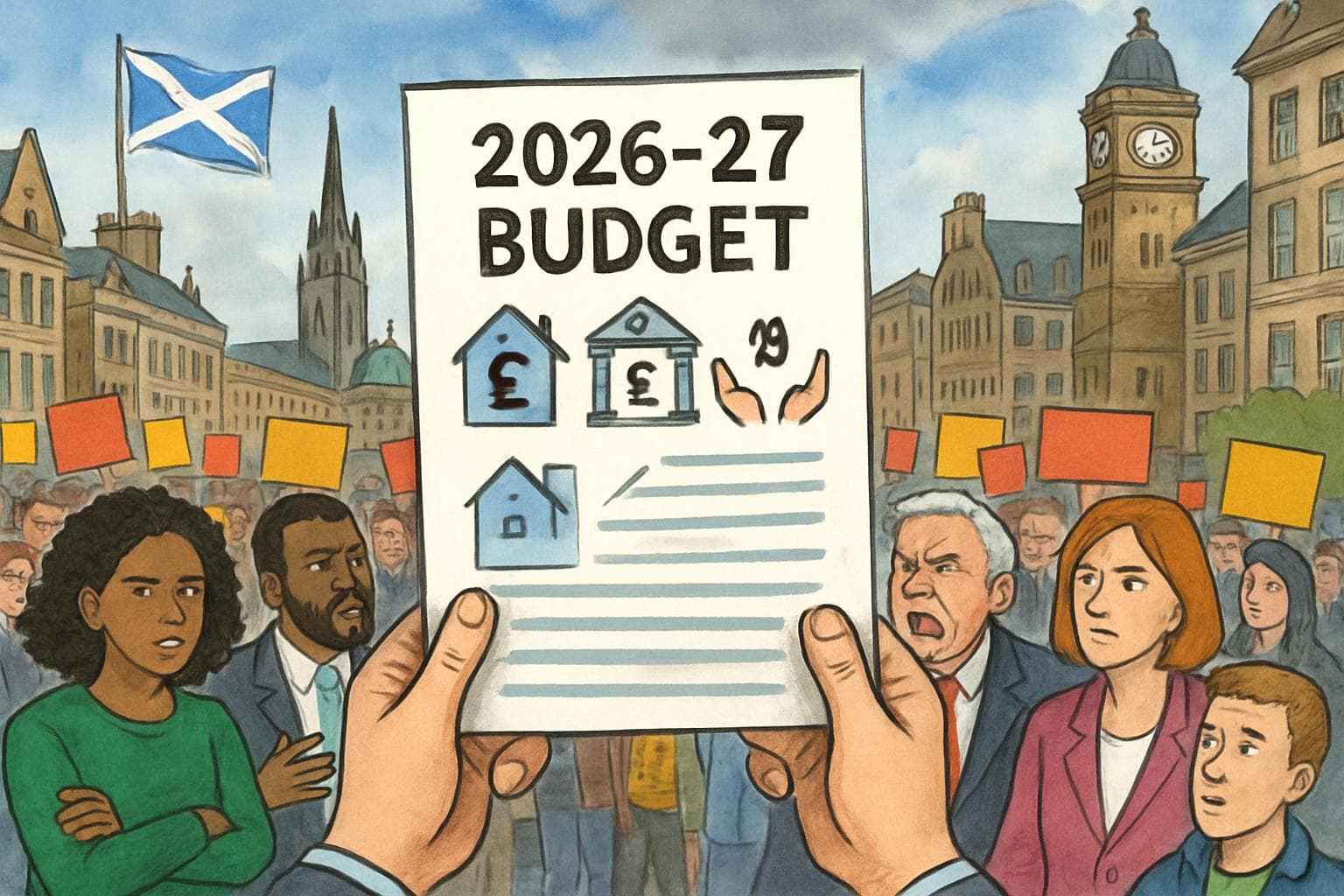
The Scottish government has unveiled its budget for the 2026-27 financial year, introducing significant changes to income tax thresholds and new taxes on high-value properties. Finance Secretary Shona Robison announced that 55% of Scottish taxpayers would pay less income tax compared to their counterparts in the rest of the UK, a move expected to benefit those earning under £33,500 annually.
Income Tax Adjustments
The budget proposes a 7.4% increase in the thresholds for the Basic and Intermediate income tax rates. This adjustment means that individuals earning less than £33,500 will see a modest reduction in their tax bills, with savings of up to £40 annually. However, the Higher, Advanced, and Top rate thresholds remain unchanged, potentially increasing the tax burden on higher earners over time.
New Mansion Tax and Council Tax Bands
In a bid to boost local revenues, the government plans to introduce a mansion tax by April 2028, targeting properties valued over £1m. This measure is expected to generate approximately £14m in revenue. Additionally, two new council tax bands will be created for homes valued between £1m and £2m, and those above £2m, aiming to bring "greater fairness" to the system.
Social Initiatives and Business Support
The Scottish Child Payment will increase to £40 per week for children under one from 2027, reflecting the government's commitment to tackling child poverty. The budget also allocates additional funding for further education colleges and pledges to establish breakfast clubs in all primary and special schools by 2027.
Business rates will undergo adjustments, with transitional reliefs introduced to mitigate the impact of property revaluation. The government has also extended the "small business bonus" scheme to support smaller enterprises.
Criticism and Political Context
Despite these measures, the budget has faced criticism from opposition parties and economic analysts. Critics argue that the budget lacks a comprehensive strategy for addressing long-term challenges such as economic growth, public service reform, and the climate emergency. Michael Marra, Labour's finance spokesperson, accused the SNP government of failing to grow Scotland's economy, leaving ordinary Scots to bear the financial burden.
The budget comes just months before the Holyrood elections, with the SNP aiming to retain power amid criticism of its economic policies. The Institute for Fiscal Studies has warned that further budget adjustments may be necessary to adequately fund the NHS and social care services.
WHAT THIS MIGHT MEAN
As the Scottish government implements these budgetary changes, the political landscape may shift significantly ahead of the Holyrood elections. The SNP's focus on tax cuts for lower earners and social initiatives could bolster its electoral appeal, but the lack of a long-term economic strategy may provide ammunition for opposition parties. The introduction of the mansion tax and new council tax bands could face resistance from property owners, potentially impacting local housing markets. Economic experts suggest that the government will need to balance short-term political gains with sustainable fiscal policies to address Scotland's broader economic challenges.
Related Articles
Trump's New Tariff Strategy Sparks Global Trade Uncertainty

UK Government to Reform Asylum Seeker Support and Employment Policies
Persistent Safety Concerns in Nottingham Maternity Services Amidst Calls for Systemic Reform

Canada and Australia Forge Strategic Partnership Amid Global Uncertainty
Middle East Conflict Drives UK Energy Prices to New Highs

UK Faces Dilemmas Amid Iran Conflict and China Spying Allegations
Scottish Budget 2026-27: Tax Reforms and Social Initiatives Amid Election Year
In This Article
 Daniel Rivera| Published
 HIGHLIGHTS
- The Scottish budget for 2026-27 introduces changes to income tax thresholds, benefiting those earning under £33,500.
- A new mansion tax will apply to homes valued over £1m starting in 2028, aiming to increase council revenues.
- The Scottish Child Payment will rise to £40 per week for children under one, starting in 2027.
- Business rates will be adjusted, with transitional reliefs to ease the impact of property revaluation.
- Critics argue the budget lacks long-term strategies for economic growth and public service reform.
The Scottish government has unveiled its budget for the 2026-27 financial year, introducing significant changes to income tax thresholds and new taxes on high-value properties. Finance Secretary Shona Robison announced that 55% of Scottish taxpayers would pay less income tax compared to their counterparts in the rest of the UK, a move expected to benefit those earning under £33,500 annually.
Income Tax Adjustments
The budget proposes a 7.4% increase in the thresholds for the Basic and Intermediate income tax rates. This adjustment means that individuals earning less than £33,500 will see a modest reduction in their tax bills, with savings of up to £40 annually. However, the Higher, Advanced, and Top rate thresholds remain unchanged, potentially increasing the tax burden on higher earners over time.
New Mansion Tax and Council Tax Bands
In a bid to boost local revenues, the government plans to introduce a mansion tax by April 2028, targeting properties valued over £1m. This measure is expected to generate approximately £14m in revenue. Additionally, two new council tax bands will be created for homes valued between £1m and £2m, and those above £2m, aiming to bring "greater fairness" to the system.
Social Initiatives and Business Support
The Scottish Child Payment will increase to £40 per week for children under one from 2027, reflecting the government's commitment to tackling child poverty. The budget also allocates additional funding for further education colleges and pledges to establish breakfast clubs in all primary and special schools by 2027.
Business rates will undergo adjustments, with transitional reliefs introduced to mitigate the impact of property revaluation. The government has also extended the "small business bonus" scheme to support smaller enterprises.
Criticism and Political Context
Despite these measures, the budget has faced criticism from opposition parties and economic analysts. Critics argue that the budget lacks a comprehensive strategy for addressing long-term challenges such as economic growth, public service reform, and the climate emergency. Michael Marra, Labour's finance spokesperson, accused the SNP government of failing to grow Scotland's economy, leaving ordinary Scots to bear the financial burden.
The budget comes just months before the Holyrood elections, with the SNP aiming to retain power amid criticism of its economic policies. The Institute for Fiscal Studies has warned that further budget adjustments may be necessary to adequately fund the NHS and social care services.
WHAT THIS MIGHT MEAN
As the Scottish government implements these budgetary changes, the political landscape may shift significantly ahead of the Holyrood elections. The SNP's focus on tax cuts for lower earners and social initiatives could bolster its electoral appeal, but the lack of a long-term economic strategy may provide ammunition for opposition parties. The introduction of the mansion tax and new council tax bands could face resistance from property owners, potentially impacting local housing markets. Economic experts suggest that the government will need to balance short-term political gains with sustainable fiscal policies to address Scotland's broader economic challenges.
Related Articles
Trump's New Tariff Strategy Sparks Global Trade Uncertainty
UK Government to Reform Asylum Seeker Support and Employment Policies
Persistent Safety Concerns in Nottingham Maternity Services Amidst Calls for Systemic Reform
Canada and Australia Forge Strategic Partnership Amid Global Uncertainty
Middle East Conflict Drives UK Energy Prices to New Highs
UK Faces Dilemmas Amid Iran Conflict and China Spying Allegations