
Scottish Court Intervenes in US Seizure of Russian-Flagged Oil Tanker
In This Article
HIGHLIGHTS
- The US seized the Russian-flagged oil tanker Marinera on January 7, near Iceland, and moved it to UK waters.
- Captain Avtandil Kalandadze's wife has initiated legal action in Scotland, claiming his detention is unlawful.
- A Scottish court granted a limited interdict to prevent the removal of the captain and crew from its jurisdiction.
- The US is accused of bypassing extradition processes, raising concerns about the legal rights of seafarers.
- The Marinera, previously known as Bella 1, was reportedly pursued by US forces due to its links with Venezuela.
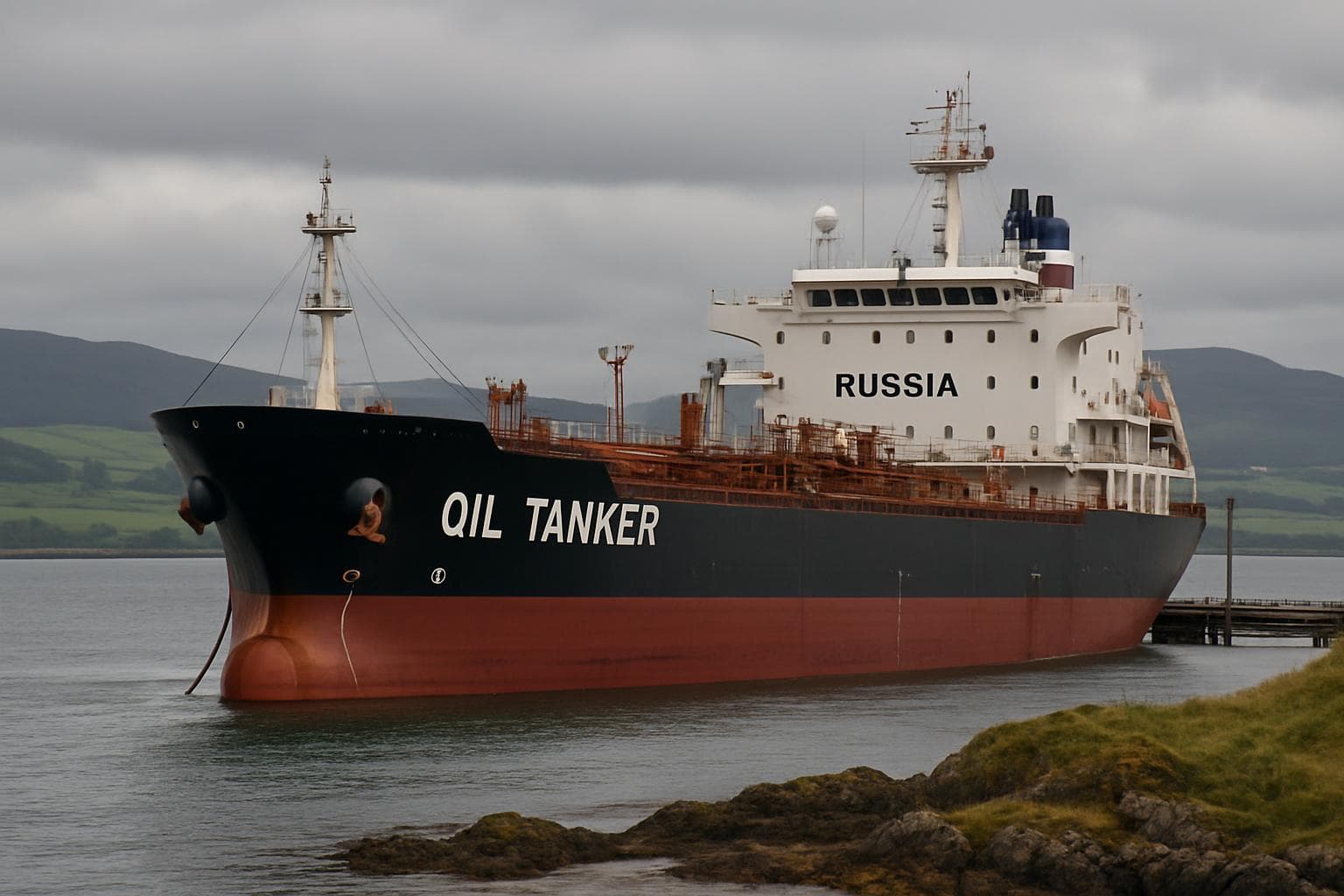
In a complex international legal dispute, the US has seized the Russian-flagged oil tanker Marinera, previously known as Bella 1, off the coast of Iceland on January 7. The vessel was subsequently moved to the Moray Firth, a sheltered area between the east Highland coast and the coasts of Moray and Aberdeenshire in Scotland. The seizure has sparked legal action from the wife of the ship's captain, Avtandil Kalandadze, who claims her husband is being unlawfully detained.
Legal Battle Over Captain's Detention
Natia Dzadzama, the captain's wife, has lodged a petition for a judicial review in the Scottish Court of Session, arguing that her husband, a Georgian national, is being held without legal recourse. Her lawyer, Aamer Anwar, emphasized the urgency of the situation, stating, "We submit that Natia Dzadzama’s husband was unlawfully detained and held by the US navy in Scotland since January 7." The court has granted a limited interdict, preventing the removal of Kalandadze and his crew from Scottish jurisdiction until further legal proceedings.
Concerns Over Legal Rights and Extradition
The case has raised significant concerns about the legal rights of seafarers and the potential bypassing of established extradition processes. Claire Mitchell, KC, representing Dzadzama, argued that the US is attempting to circumvent these processes, stating, "All that we are asking this court to do today is to grant an interim order to ensure that the rights of these people who have been brought to Scotland are not violated."
International Implications and Maritime Operations
The Marinera's seizure is part of a broader US operation targeting vessels linked to Venezuela, with the tanker reportedly pursued across the Atlantic. The vessel had initially been flying the flag of Guyana before switching to a Russian flag. The UK armed forces assisted in the operation but did not board the vessel. The situation remains fluid, with conflicting reports about the crew's whereabouts and legal status.
WHAT THIS MIGHT MEAN
The unfolding legal battle in Scotland could set a precedent for how international maritime law is applied in cases involving multiple jurisdictions. If the Scottish courts rule in favor of the captain's wife, it may challenge the US's approach to maritime seizures and extradition processes. Legal experts suggest that this case could influence future operations involving vessels linked to sanctioned countries like Venezuela. Additionally, the outcome may impact diplomatic relations between the US, UK, and Russia, particularly concerning maritime operations and the enforcement of international sanctions.
Related Articles

Cuba Faces Widespread Blackout Amid Deepening Fuel Crisis

Venezuelan Political Prisoners Seek Amnesty Amidst Hopes for Democratic Transition

China Sets Lowest GDP Growth Target in Decades Amid Economic Challenges

Breakthrough Drug Offers Hope for Children with Severe Epilepsy
Russian LNG Tanker Sinks in Mediterranean Amid Accusations of Ukrainian Drone Attack

UK Faces Dilemmas Amid Iran Conflict and China Spying Allegations
Scottish Court Intervenes in US Seizure of Russian-Flagged Oil Tanker
In This Article
 Leila Hassan| Published
 HIGHLIGHTS
- The US seized the Russian-flagged oil tanker Marinera on January 7, near Iceland, and moved it to UK waters.
- Captain Avtandil Kalandadze's wife has initiated legal action in Scotland, claiming his detention is unlawful.
- A Scottish court granted a limited interdict to prevent the removal of the captain and crew from its jurisdiction.
- The US is accused of bypassing extradition processes, raising concerns about the legal rights of seafarers.
- The Marinera, previously known as Bella 1, was reportedly pursued by US forces due to its links with Venezuela.
In a complex international legal dispute, the US has seized the Russian-flagged oil tanker Marinera, previously known as Bella 1, off the coast of Iceland on January 7. The vessel was subsequently moved to the Moray Firth, a sheltered area between the east Highland coast and the coasts of Moray and Aberdeenshire in Scotland. The seizure has sparked legal action from the wife of the ship's captain, Avtandil Kalandadze, who claims her husband is being unlawfully detained.
Legal Battle Over Captain's Detention
Natia Dzadzama, the captain's wife, has lodged a petition for a judicial review in the Scottish Court of Session, arguing that her husband, a Georgian national, is being held without legal recourse. Her lawyer, Aamer Anwar, emphasized the urgency of the situation, stating, "We submit that Natia Dzadzama’s husband was unlawfully detained and held by the US navy in Scotland since January 7." The court has granted a limited interdict, preventing the removal of Kalandadze and his crew from Scottish jurisdiction until further legal proceedings.
Concerns Over Legal Rights and Extradition
The case has raised significant concerns about the legal rights of seafarers and the potential bypassing of established extradition processes. Claire Mitchell, KC, representing Dzadzama, argued that the US is attempting to circumvent these processes, stating, "All that we are asking this court to do today is to grant an interim order to ensure that the rights of these people who have been brought to Scotland are not violated."
International Implications and Maritime Operations
The Marinera's seizure is part of a broader US operation targeting vessels linked to Venezuela, with the tanker reportedly pursued across the Atlantic. The vessel had initially been flying the flag of Guyana before switching to a Russian flag. The UK armed forces assisted in the operation but did not board the vessel. The situation remains fluid, with conflicting reports about the crew's whereabouts and legal status.
WHAT THIS MIGHT MEAN
The unfolding legal battle in Scotland could set a precedent for how international maritime law is applied in cases involving multiple jurisdictions. If the Scottish courts rule in favor of the captain's wife, it may challenge the US's approach to maritime seizures and extradition processes. Legal experts suggest that this case could influence future operations involving vessels linked to sanctioned countries like Venezuela. Additionally, the outcome may impact diplomatic relations between the US, UK, and Russia, particularly concerning maritime operations and the enforcement of international sanctions.
Related Articles
Cuba Faces Widespread Blackout Amid Deepening Fuel Crisis
Venezuelan Political Prisoners Seek Amnesty Amidst Hopes for Democratic Transition
China Sets Lowest GDP Growth Target in Decades Amid Economic Challenges
Breakthrough Drug Offers Hope for Children with Severe Epilepsy
Russian LNG Tanker Sinks in Mediterranean Amid Accusations of Ukrainian Drone Attack
UK Faces Dilemmas Amid Iran Conflict and China Spying Allegations