
Scottish Government Faces Legal Challenge Over Transgender Policies
In This Article
HIGHLIGHTS
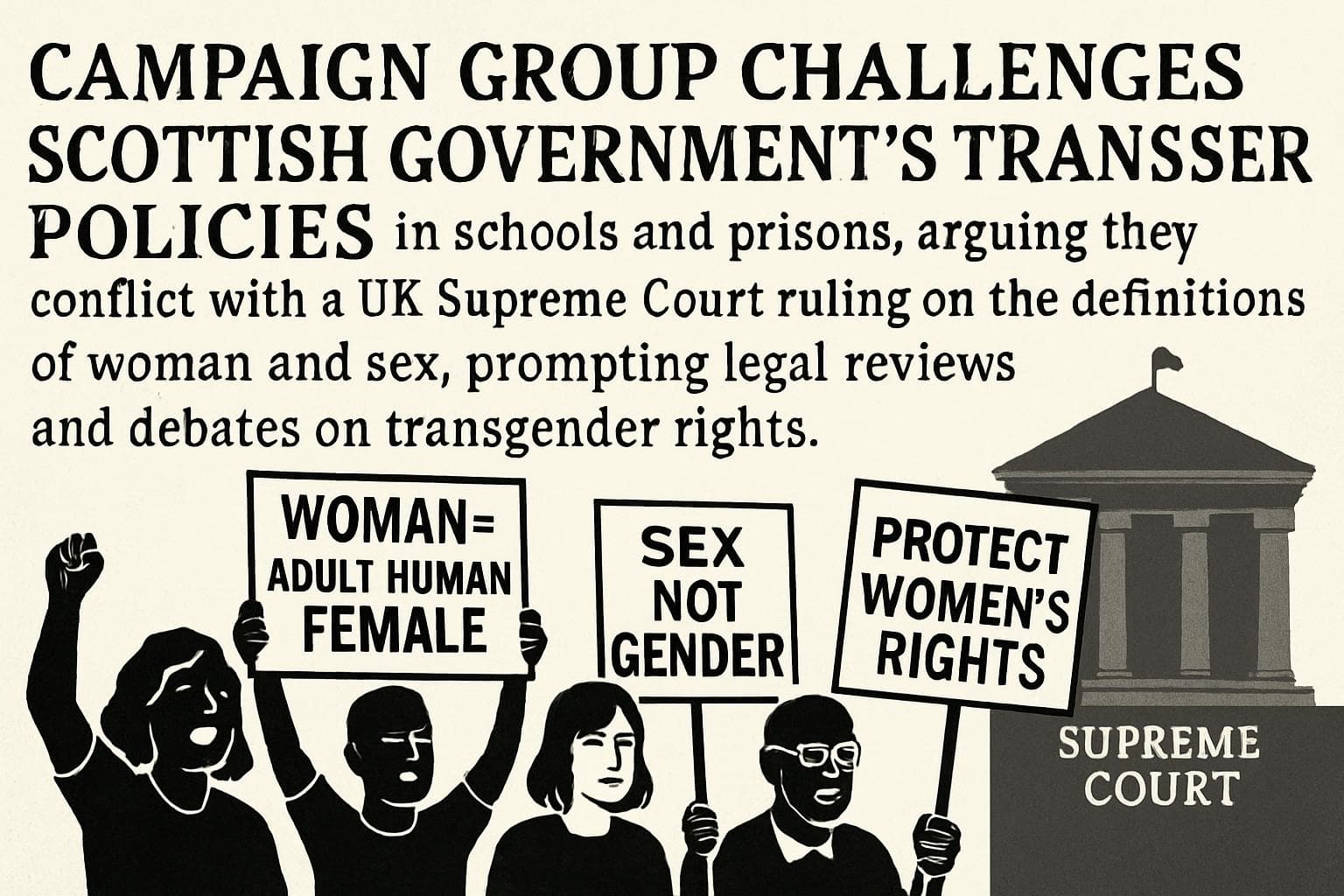
- For Women Scotland has initiated legal action against the Scottish government, claiming its policies on transgender pupils and prisoners breach a UK Supreme Court ruling.
- The Supreme Court ruled in April that "woman" and "sex" in the Equality Act 2010 refer to biological women and biological sex.
- The campaign group argues that current school and prison guidelines are inconsistent with this ruling and detrimental to vulnerable women and girls.
- The Scottish government has 21 days to respond to the legal action, which seeks to quash the existing policies.
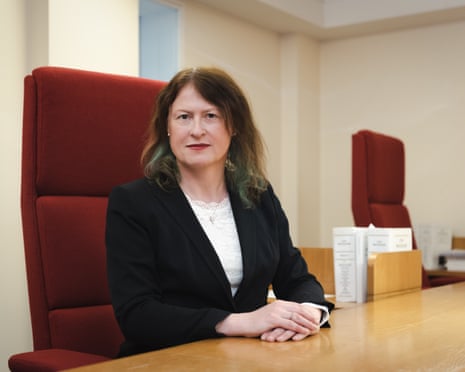
- The UK’s first transgender judge, Victoria McCloud, is challenging the Supreme Court ruling in the European Court of Human Rights, citing a lack of representation for transgender individuals.
For Women Scotland, a campaign group that previously secured a legal victory regarding the definition of a woman, has launched a new legal action against the Scottish government. The group claims that current policies concerning transgender pupils in schools and transgender individuals in custody are inconsistent with an April ruling by the UK Supreme Court.
Background on Supreme Court Ruling
In April, the UK Supreme Court ruled that the terms "woman" and "sex" in the Equality Act 2010 should be interpreted as referring to biological women and biological sex. This decision came after For Women Scotland challenged the Scottish government's interpretation, which included transgender women with gender recognition certificates (GRCs) under the same sex-based protections.
Legal Action Against School and Prison Policies
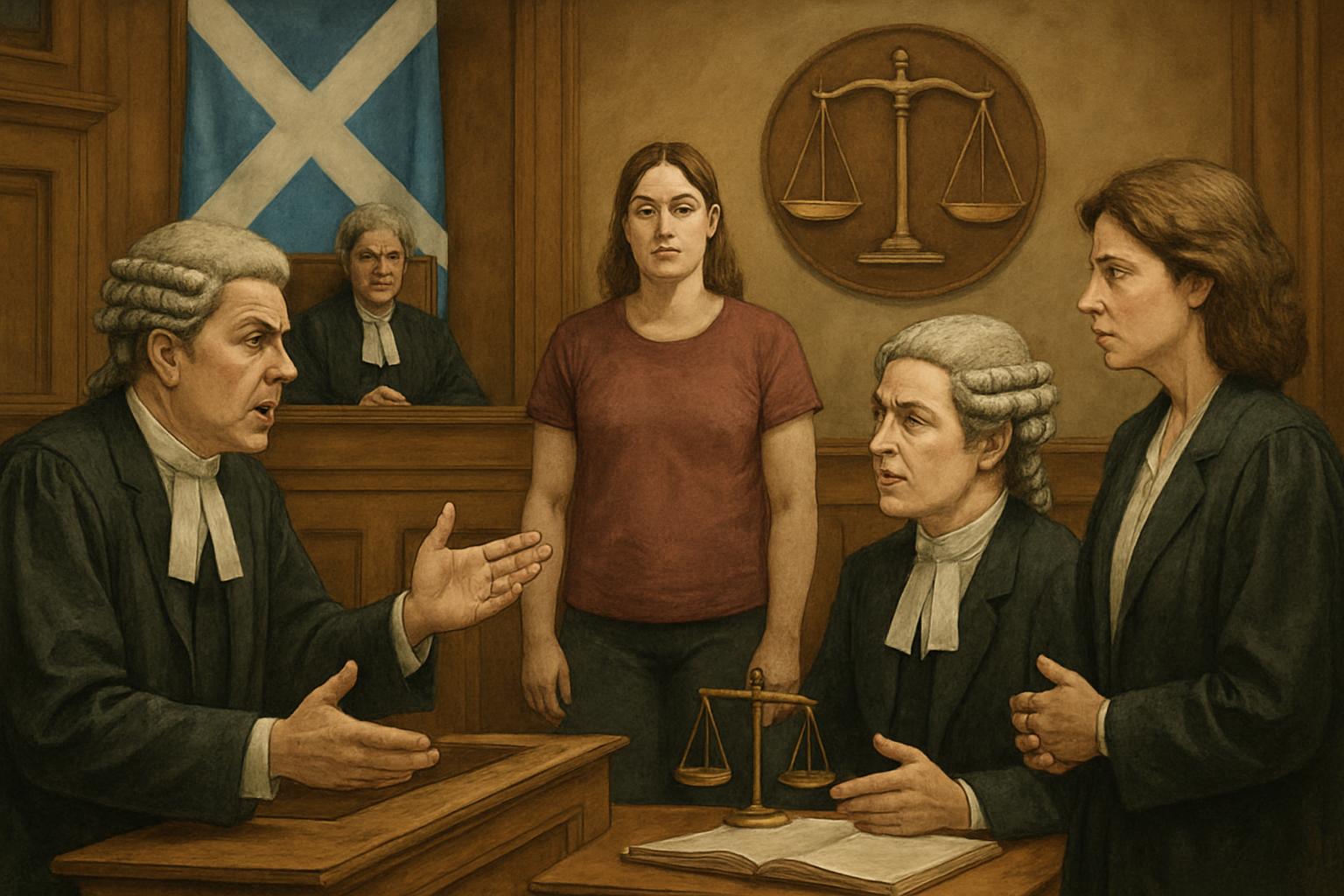
For Women Scotland argues that the existing guidelines for schools and prisons in Scotland are in clear breach of this ruling. The school guidance currently allows young people to use facilities they feel comfortable with, while prison guidelines permit transgender women to be housed in women's estates under certain conditions. The group has filed an action at the Court of Session, seeking to quash these policies, which they claim harm vulnerable women and girls.
"We are asking the court to issue a declarator that the school guidance and the prison guidance are unlawful and that they be reduced in whole," the group stated. The Scottish government has 21 days to respond to the action, and a spokesperson declined to comment on the ongoing proceedings.
Broader Implications and Reactions
The ruling has prompted public bodies and service providers to review their gender policies, with some awaiting updated guidance from the Equality and Human Rights Commission. Meanwhile, Victoria McCloud, the UK’s first transgender judge, is challenging the Supreme Court's decision at the European Court of Human Rights. McCloud argues that the ruling undermined her rights by not considering representation from transgender individuals.
WHAT THIS MIGHT MEAN
The legal action initiated by For Women Scotland could lead to significant changes in how transgender rights are addressed in Scotland, particularly in educational and correctional settings. If the court rules in favor of the campaign group, the Scottish government may be compelled to revise its policies to align with the Supreme Court's interpretation of the Equality Act 2010.
On the other hand, Victoria McCloud's challenge in the European Court of Human Rights could bring about a broader discussion on the representation and rights of transgender individuals in legal proceedings. Should McCloud's case succeed, it might prompt a reevaluation of the processes used in determining legal definitions and protections for transgender people across the UK.
Images from the Web
Related Articles
Scottish Government Faces Legal Challenge Over Transgender Inmate Policy
Supreme Court Ruling Expands Compensation for Children Injured at Birth
Oatly Loses UK Supreme Court Battle Over 'Milk' Trademark
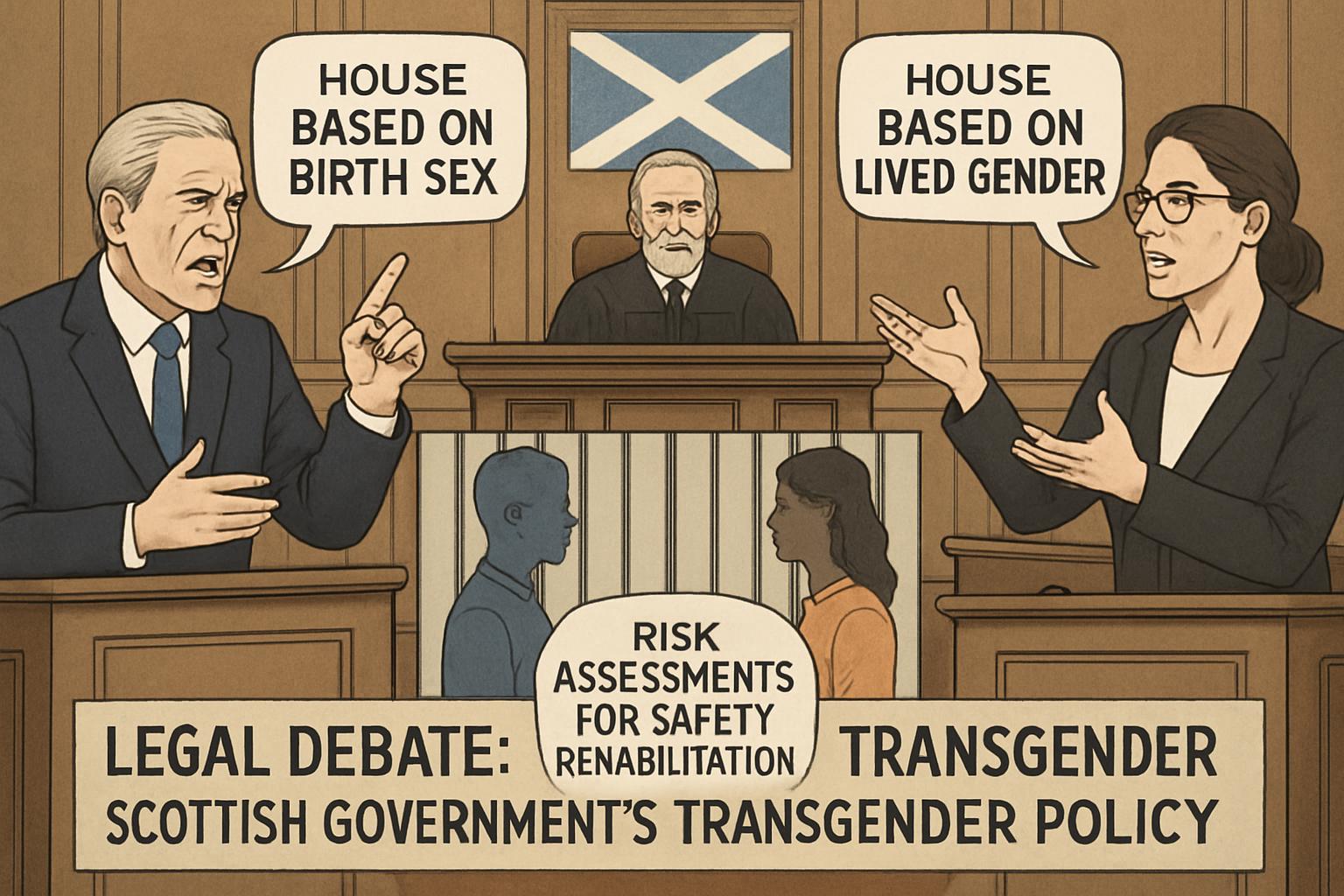
Scottish Government Defends Transgender Prisoner Policy Amid Legal Challenge
NHS Tribunal Ruling Sparks Debate Over Transgender Rights and Single-Sex Spaces
UK Settles Torture Complicity Case with Guantanamo Detainee
Scottish Government Faces Legal Challenge Over Transgender Policies
In This Article
 Ethan Brooks| Published
 HIGHLIGHTS
- For Women Scotland has initiated legal action against the Scottish government, claiming its policies on transgender pupils and prisoners breach a UK Supreme Court ruling.
- The Supreme Court ruled in April that "woman" and "sex" in the Equality Act 2010 refer to biological women and biological sex.
- The campaign group argues that current school and prison guidelines are inconsistent with this ruling and detrimental to vulnerable women and girls.
- The Scottish government has 21 days to respond to the legal action, which seeks to quash the existing policies.
- The UK’s first transgender judge, Victoria McCloud, is challenging the Supreme Court ruling in the European Court of Human Rights, citing a lack of representation for transgender individuals.
For Women Scotland, a campaign group that previously secured a legal victory regarding the definition of a woman, has launched a new legal action against the Scottish government. The group claims that current policies concerning transgender pupils in schools and transgender individuals in custody are inconsistent with an April ruling by the UK Supreme Court.
Background on Supreme Court Ruling
In April, the UK Supreme Court ruled that the terms "woman" and "sex" in the Equality Act 2010 should be interpreted as referring to biological women and biological sex. This decision came after For Women Scotland challenged the Scottish government's interpretation, which included transgender women with gender recognition certificates (GRCs) under the same sex-based protections.
Legal Action Against School and Prison Policies
For Women Scotland argues that the existing guidelines for schools and prisons in Scotland are in clear breach of this ruling. The school guidance currently allows young people to use facilities they feel comfortable with, while prison guidelines permit transgender women to be housed in women's estates under certain conditions. The group has filed an action at the Court of Session, seeking to quash these policies, which they claim harm vulnerable women and girls.
"We are asking the court to issue a declarator that the school guidance and the prison guidance are unlawful and that they be reduced in whole," the group stated. The Scottish government has 21 days to respond to the action, and a spokesperson declined to comment on the ongoing proceedings.
Broader Implications and Reactions
The ruling has prompted public bodies and service providers to review their gender policies, with some awaiting updated guidance from the Equality and Human Rights Commission. Meanwhile, Victoria McCloud, the UK’s first transgender judge, is challenging the Supreme Court's decision at the European Court of Human Rights. McCloud argues that the ruling undermined her rights by not considering representation from transgender individuals.
WHAT THIS MIGHT MEAN
The legal action initiated by For Women Scotland could lead to significant changes in how transgender rights are addressed in Scotland, particularly in educational and correctional settings. If the court rules in favor of the campaign group, the Scottish government may be compelled to revise its policies to align with the Supreme Court's interpretation of the Equality Act 2010.
On the other hand, Victoria McCloud's challenge in the European Court of Human Rights could bring about a broader discussion on the representation and rights of transgender individuals in legal proceedings. Should McCloud's case succeed, it might prompt a reevaluation of the processes used in determining legal definitions and protections for transgender people across the UK.
Images from the Web
Related Articles
Scottish Government Faces Legal Challenge Over Transgender Inmate Policy
Supreme Court Ruling Expands Compensation for Children Injured at Birth
Oatly Loses UK Supreme Court Battle Over 'Milk' Trademark
Scottish Government Defends Transgender Prisoner Policy Amid Legal Challenge
NHS Tribunal Ruling Sparks Debate Over Transgender Rights and Single-Sex Spaces
UK Settles Torture Complicity Case with Guantanamo Detainee