
Second Earthquake in Two Weeks Jolts Lancashire Village

In This Article
HIGHLIGHTS
- A 2.5 magnitude earthquake struck Silverdale, Lancashire, marking the second tremor in two weeks.
- The British Geological Survey confirmed it as an aftershock of a 3.3 magnitude quake from early December.
- Residents reported the tremor as a "radiator rattling" experience, with no injuries or property damage.
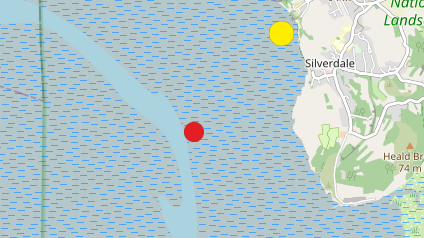
- The epicentre was located 1.6 miles off the coast of Morecambe Bay, with tremors felt up to 12 miles away.
- Earthquakes in the UK are rare, with only 10% of the 200-300 annual quakes being noticeable without equipment.
Residents of Silverdale, a quaint village in Lancashire, were awakened by a 2.5 magnitude earthquake early on Thursday morning, marking the second seismic event in the area within a fortnight. The British Geological Survey (BGS) confirmed that the tremor, which occurred at 05:03 GMT, was an aftershock of a more powerful 3.3 magnitude earthquake that struck the region at the beginning of December.
Epicentre and Impact
The epicentre of the recent quake was pinpointed 1.6 miles off the coast of Morecambe Bay. Despite the early hour, the tremor was felt as far as 12 miles away in the southern Lake District. Residents described the experience as a "radiator rattling" event, with reports of a "quick sharp shaking jolt" and a "thunder noise" echoing through the village. Fortunately, there have been no reports of injuries or property damage.
Understanding Aftershocks
According to the BGS, aftershocks are smaller earthquakes that occur in the same general area following a larger seismic event, known as the mainshock. These aftershocks are a result of minor readjustments along the fault line that slipped during the initial quake. The frequency of such aftershocks typically decreases over time.
Seismic Activity in the UK
While earthquakes in the UK are relatively rare compared to other parts of the world, the country experiences between 200 and 300 seismic events annually. However, only about 10% of these are strong enough to be felt without specialized equipment. The recent quakes in Lancashire are notable as they are among the strongest recorded in England this year.
WHAT THIS MIGHT MEAN
The recent seismic activity in Lancashire highlights the unpredictable nature of earthquakes, even in regions not typically associated with high seismic risk. Experts suggest that while aftershocks may continue, their intensity is likely to diminish over time. The BGS will continue to monitor the situation closely, providing updates as necessary.
In the broader context, these events serve as a reminder of the importance of preparedness and awareness, even in areas with historically low seismic activity. As the UK experiences occasional tremors, understanding the dynamics of tectonic plates and fault lines becomes crucial for both residents and policymakers in mitigating potential risks.
Images from the Web
Related Articles

UK Government to Reform Asylum Seeker Support and Employment Policies

UK Faces Dilemmas Amid Iran Conflict and China Spying Allegations

UK Reinforces Military Presence in Cyprus Amid Middle East Tensions

UK-Iran Tensions: Starmer Defends Cautious Approach Amid Trump Criticism

Persistent Safety Concerns in Nottingham Maternity Services Amidst Calls for Systemic Reform

Diplomatic Tensions Rise as Trump Criticizes Starmer's Iran Policy
Second Earthquake in Two Weeks Jolts Lancashire Village
In This Article
 Ethan Brooks| Published
 HIGHLIGHTS
- A 2.5 magnitude earthquake struck Silverdale, Lancashire, marking the second tremor in two weeks.
- The British Geological Survey confirmed it as an aftershock of a 3.3 magnitude quake from early December.
- Residents reported the tremor as a "radiator rattling" experience, with no injuries or property damage.
- The epicentre was located 1.6 miles off the coast of Morecambe Bay, with tremors felt up to 12 miles away.
- Earthquakes in the UK are rare, with only 10% of the 200-300 annual quakes being noticeable without equipment.
Residents of Silverdale, a quaint village in Lancashire, were awakened by a 2.5 magnitude earthquake early on Thursday morning, marking the second seismic event in the area within a fortnight. The British Geological Survey (BGS) confirmed that the tremor, which occurred at 05:03 GMT, was an aftershock of a more powerful 3.3 magnitude earthquake that struck the region at the beginning of December.
Epicentre and Impact
The epicentre of the recent quake was pinpointed 1.6 miles off the coast of Morecambe Bay. Despite the early hour, the tremor was felt as far as 12 miles away in the southern Lake District. Residents described the experience as a "radiator rattling" event, with reports of a "quick sharp shaking jolt" and a "thunder noise" echoing through the village. Fortunately, there have been no reports of injuries or property damage.
Understanding Aftershocks
According to the BGS, aftershocks are smaller earthquakes that occur in the same general area following a larger seismic event, known as the mainshock. These aftershocks are a result of minor readjustments along the fault line that slipped during the initial quake. The frequency of such aftershocks typically decreases over time.
Seismic Activity in the UK
While earthquakes in the UK are relatively rare compared to other parts of the world, the country experiences between 200 and 300 seismic events annually. However, only about 10% of these are strong enough to be felt without specialized equipment. The recent quakes in Lancashire are notable as they are among the strongest recorded in England this year.
WHAT THIS MIGHT MEAN
The recent seismic activity in Lancashire highlights the unpredictable nature of earthquakes, even in regions not typically associated with high seismic risk. Experts suggest that while aftershocks may continue, their intensity is likely to diminish over time. The BGS will continue to monitor the situation closely, providing updates as necessary.
In the broader context, these events serve as a reminder of the importance of preparedness and awareness, even in areas with historically low seismic activity. As the UK experiences occasional tremors, understanding the dynamics of tectonic plates and fault lines becomes crucial for both residents and policymakers in mitigating potential risks.
Images from the Web
Related Articles
UK Government to Reform Asylum Seeker Support and Employment Policies
UK Faces Dilemmas Amid Iran Conflict and China Spying Allegations
UK Reinforces Military Presence in Cyprus Amid Middle East Tensions
UK-Iran Tensions: Starmer Defends Cautious Approach Amid Trump Criticism
Persistent Safety Concerns in Nottingham Maternity Services Amidst Calls for Systemic Reform
Diplomatic Tensions Rise as Trump Criticizes Starmer's Iran Policy