
Senate Engages in Marathon Session Over Trump's Tax and Spending Bill
In This Article
HIGHLIGHTS
- The US Senate is engaged in a marathon "vote-a-rama" session to debate amendments to President Trump's tax-and-spending bill.
- The bill, if passed, would add $3.3 trillion to the national debt and includes significant cuts to welfare programs like Medicaid.
- Elon Musk has criticized the bill, threatening to form a new political party if it passes, and to unseat lawmakers who support it.
- The bill faces opposition from Democrats and some Republicans, with Senators Rand Paul and Thom Tillis expressing firm opposition.
- The legislation must return to the House of Representatives for approval if it clears the Senate.
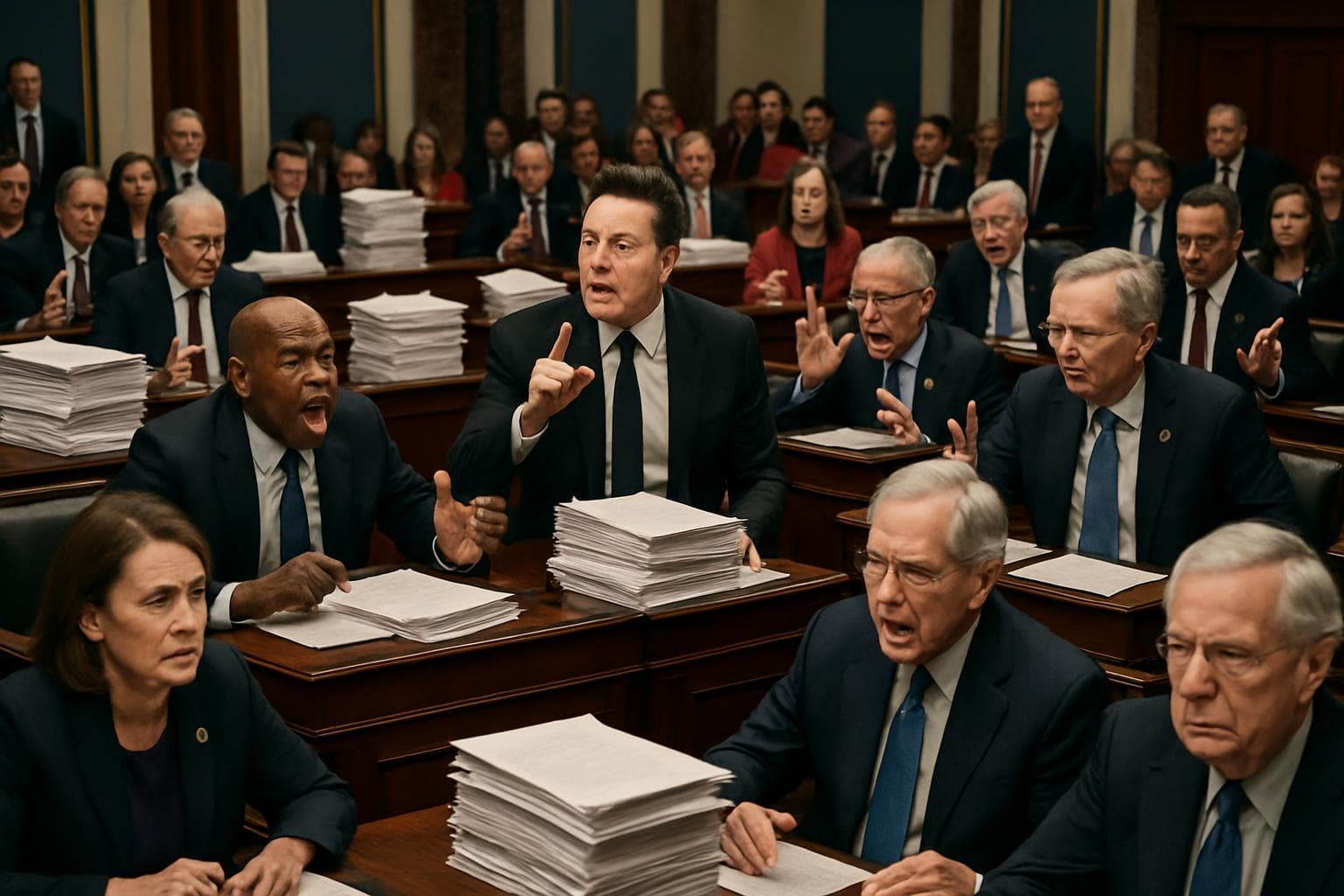
The US Senate is currently embroiled in a marathon "vote-a-rama" session, debating President Donald Trump's ambitious tax-and-spending bill, which is a cornerstone of his domestic agenda. The legislation, dubbed the "One Big Beautiful Bill Act," has sparked intense debate among lawmakers, with significant implications for the national debt and welfare programs.
Contentious Amendments and Political Tensions
The session, which began on Monday, involves senators proposing numerous amendments to the nearly 1,000-page bill. The process could extend into Tuesday morning, as lawmakers from both parties argue over the bill's provisions. The legislation aims to extend tax cuts and reduce welfare programs, potentially adding $3.3 trillion to the national debt, according to estimates.
Elon Musk, a former close aide to Trump, has been vocal in his opposition, labeling the bill "insane" and threatening to establish a new political party if it passes. "Every member of Congress who campaigned on reducing government spending and then immediately voted for the biggest debt increase in history should hang their head in shame," Musk stated on his social media platform, X.
Republican Divisions and Democratic Opposition
The bill's passage is uncertain, with Republicans holding a slim majority in the Senate. They can afford only three defections, and Senators Rand Paul and Thom Tillis have already declared their opposition. Tillis, who announced he will not seek re-election, cited the need for bipartisanship and independent thinking as reasons for his decision.
Democrats, led by Senate Minority Leader Chuck Schumer, have criticized the bill for its potential impact on healthcare and welfare programs. Schumer accused Republicans of prioritizing tax breaks for billionaires over the needs of working families. "This bill steals people's healthcare, jacks up their electricity bill, takes away their jobs," Schumer said.
Implications for Welfare and Border Security
The bill proposes significant cuts to Medicaid and food stamps, imposing stricter work requirements and eligibility criteria. It also allocates $350 billion for border and national security, including funding for deportations and border fortifications. These measures have drawn criticism from Democrats, who argue they will harm low-income Americans.
Next Steps and Political Ramifications
If the Senate passes the bill, it will return to the House of Representatives for final approval. The House narrowly passed its version of the bill last month. President Trump has set a deadline of July 4 for the bill's passage, emphasizing its importance to his administration's agenda.
WHAT THIS MIGHT MEAN
Should the bill pass the Senate, it will face another round of scrutiny in the House of Representatives, where its fate remains uncertain. The political ramifications could be significant, with potential impacts on upcoming elections. Democrats are likely to use the bill's provisions against Republicans in future campaigns, particularly the proposed cuts to welfare programs.
Elon Musk's threat to form a new political party could further complicate the political landscape, potentially drawing support away from traditional parties. The bill's passage could also lead to increased scrutiny of government spending and national debt, influencing future legislative priorities and fiscal policies.
Related Articles
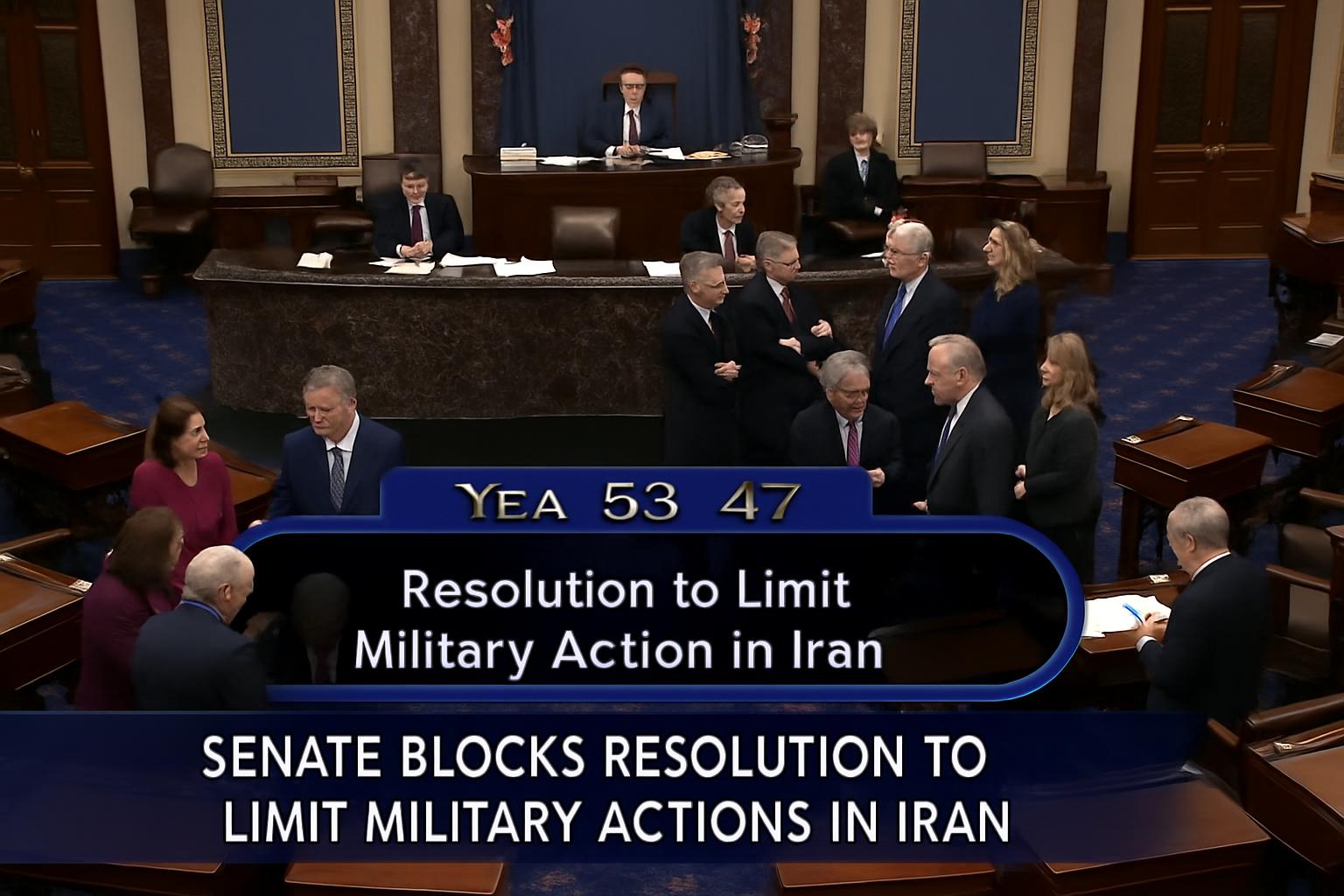
Senate Blocks Resolution to Limit Trump's Military Actions in Iran

Congress Subpoenas Attorney General Bondi in Epstein Investigation
Trump's New Tariff Strategy Sparks Global Trade Uncertainty

Tech Giants Pledge to Cover AI Data Center Energy Costs Amid Rising Electricity Concerns
Elon Musk Defends Tweets in Twitter Takeover Trial

Cuba Faces Widespread Blackout Amid Deepening Fuel Crisis
Senate Engages in Marathon Session Over Trump's Tax and Spending Bill
In This Article
 Alex Carter| Published
 HIGHLIGHTS
- The US Senate is engaged in a marathon "vote-a-rama" session to debate amendments to President Trump's tax-and-spending bill.
- The bill, if passed, would add $3.3 trillion to the national debt and includes significant cuts to welfare programs like Medicaid.
- Elon Musk has criticized the bill, threatening to form a new political party if it passes, and to unseat lawmakers who support it.
- The bill faces opposition from Democrats and some Republicans, with Senators Rand Paul and Thom Tillis expressing firm opposition.
- The legislation must return to the House of Representatives for approval if it clears the Senate.
The US Senate is currently embroiled in a marathon "vote-a-rama" session, debating President Donald Trump's ambitious tax-and-spending bill, which is a cornerstone of his domestic agenda. The legislation, dubbed the "One Big Beautiful Bill Act," has sparked intense debate among lawmakers, with significant implications for the national debt and welfare programs.
Contentious Amendments and Political Tensions
The session, which began on Monday, involves senators proposing numerous amendments to the nearly 1,000-page bill. The process could extend into Tuesday morning, as lawmakers from both parties argue over the bill's provisions. The legislation aims to extend tax cuts and reduce welfare programs, potentially adding $3.3 trillion to the national debt, according to estimates.
Elon Musk, a former close aide to Trump, has been vocal in his opposition, labeling the bill "insane" and threatening to establish a new political party if it passes. "Every member of Congress who campaigned on reducing government spending and then immediately voted for the biggest debt increase in history should hang their head in shame," Musk stated on his social media platform, X.
Republican Divisions and Democratic Opposition
The bill's passage is uncertain, with Republicans holding a slim majority in the Senate. They can afford only three defections, and Senators Rand Paul and Thom Tillis have already declared their opposition. Tillis, who announced he will not seek re-election, cited the need for bipartisanship and independent thinking as reasons for his decision.
Democrats, led by Senate Minority Leader Chuck Schumer, have criticized the bill for its potential impact on healthcare and welfare programs. Schumer accused Republicans of prioritizing tax breaks for billionaires over the needs of working families. "This bill steals people's healthcare, jacks up their electricity bill, takes away their jobs," Schumer said.
Implications for Welfare and Border Security
The bill proposes significant cuts to Medicaid and food stamps, imposing stricter work requirements and eligibility criteria. It also allocates $350 billion for border and national security, including funding for deportations and border fortifications. These measures have drawn criticism from Democrats, who argue they will harm low-income Americans.
Next Steps and Political Ramifications
If the Senate passes the bill, it will return to the House of Representatives for final approval. The House narrowly passed its version of the bill last month. President Trump has set a deadline of July 4 for the bill's passage, emphasizing its importance to his administration's agenda.
WHAT THIS MIGHT MEAN
Should the bill pass the Senate, it will face another round of scrutiny in the House of Representatives, where its fate remains uncertain. The political ramifications could be significant, with potential impacts on upcoming elections. Democrats are likely to use the bill's provisions against Republicans in future campaigns, particularly the proposed cuts to welfare programs.
Elon Musk's threat to form a new political party could further complicate the political landscape, potentially drawing support away from traditional parties. The bill's passage could also lead to increased scrutiny of government spending and national debt, influencing future legislative priorities and fiscal policies.
Related Articles
Senate Blocks Resolution to Limit Trump's Military Actions in Iran
Congress Subpoenas Attorney General Bondi in Epstein Investigation
Trump's New Tariff Strategy Sparks Global Trade Uncertainty
Tech Giants Pledge to Cover AI Data Center Energy Costs Amid Rising Electricity Concerns
Elon Musk Defends Tweets in Twitter Takeover Trial
Cuba Faces Widespread Blackout Amid Deepening Fuel Crisis