
Senator Mark Kelly Sues Defense Secretary Over Alleged Retaliatory Demotion
In This Article
HIGHLIGHTS
- Senator Mark Kelly has filed a lawsuit against Defense Secretary Pete Hegseth, alleging an illegal attempt to demote him for criticizing the Trump administration.
- The lawsuit claims that Hegseth's actions violate Kelly's constitutional rights to free speech and due process.
- Kelly's video, which advised military personnel they could refuse unlawful orders, was labeled "seditious" by Trump and Hegseth.
- The case argues that the Pentagon's actions could set a dangerous precedent for retired military personnel speaking out.
- Kelly seeks to nullify the censure and any related actions, citing threats to legislative independence and democratic principles.
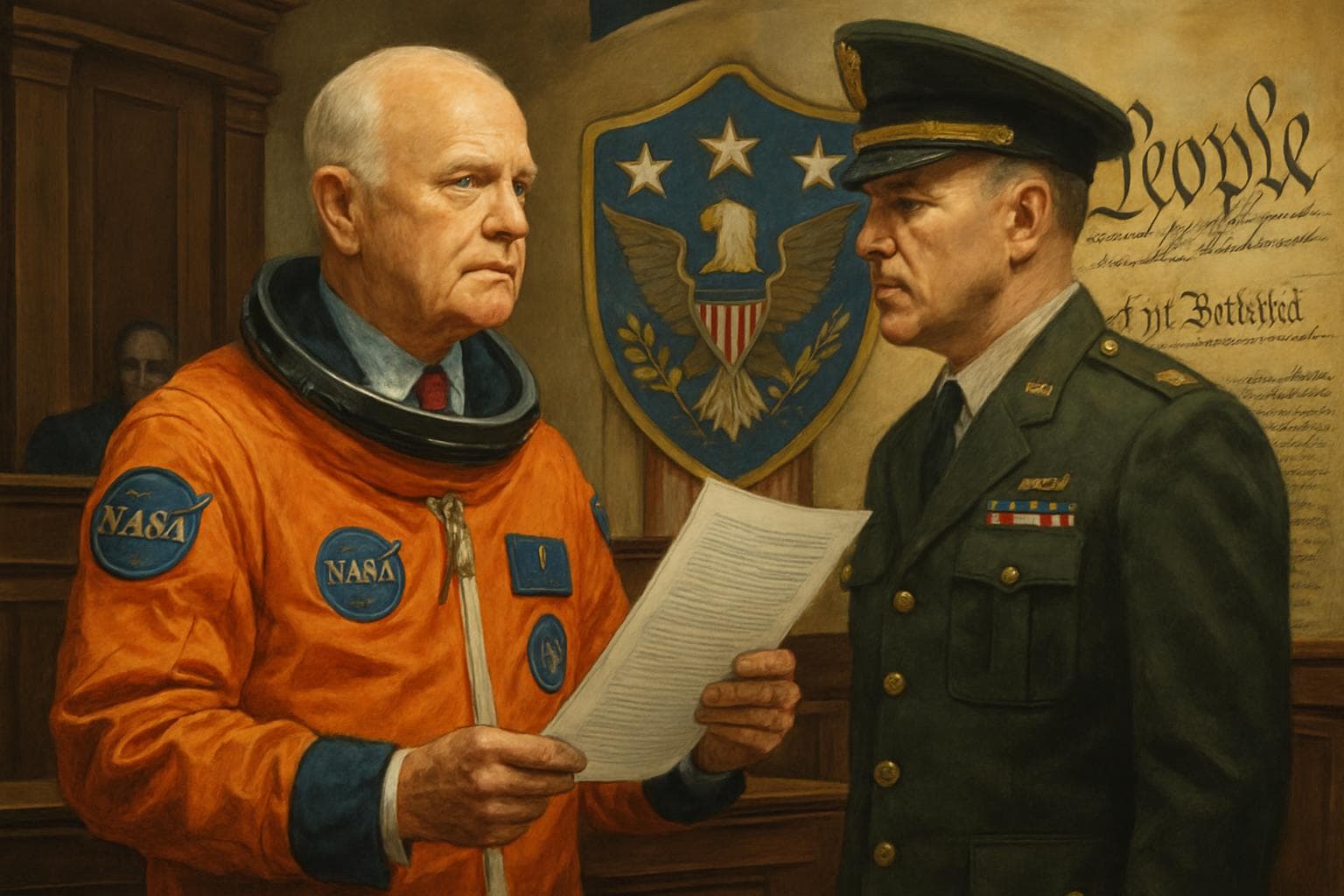
US Senator Mark Kelly has initiated legal action against Defense Secretary Pete Hegseth, accusing him of unlawfully attempting to demote Kelly in retaliation for his outspoken criticism of the Trump administration. The lawsuit, filed in a Washington DC federal court, contends that Hegseth's actions infringe upon Kelly's constitutional rights to free speech and due process.
Background of the Dispute
The conflict arose after Kelly, a former Navy captain and astronaut, participated in a video with five other Democratic lawmakers. The video, released in November, advised military personnel that they could refuse illegal orders. This message drew sharp criticism from former President Donald Trump, who accused Kelly of "sedition" and suggested severe consequences. Trump’s remarks were echoed by Hegseth, who initiated proceedings to potentially reduce Kelly's military retirement rank, which could impact his pension.
Legal and Constitutional Implications
Kelly's lawsuit argues that the actions taken by Hegseth and the Department of Defense are unconstitutional, as they threaten the foundational principles of free speech and the separation of powers. The legal filing describes Hegseth's actions as a "chilling" attempt to silence retired military personnel who speak out against the administration. "His unconstitutional crusade against me sends a chilling message to every retired member of the military," Kelly stated.
Broader Impact on Military and Political Speech
The case highlights concerns about the potential repercussions for retired military personnel who engage in political speech. Kelly's legal team asserts that the Pentagon's actions could set a precedent where veterans live under the threat of demotion or prosecution for expressing dissenting views. The lawsuit seeks to have the censure and related actions declared unlawful and unconstitutional, aiming to preserve the integrity of legislative independence.
WHAT THIS MIGHT MEAN
The outcome of Senator Kelly's lawsuit could have significant implications for the relationship between military service and political expression. If the court sides with Kelly, it may reinforce protections for retired military personnel engaging in political speech, potentially curbing similar actions by the Department of Defense in the future. Conversely, if the court upholds Hegseth's actions, it could embolden further attempts to regulate the speech of retired service members, raising concerns about the erosion of constitutional rights. Legal experts will be closely watching the case, as it may set a precedent for how military and political boundaries are navigated in the United States.
Related Articles

US and Israel Intensify Military Campaign as Iran's Capabilities Dwindle

Intensified US-Israel Strikes on Iran Spark Global Outcry
Senate Blocks Resolution to Limit Trump's Military Actions in Iran

Spain's Sánchez Stands Firm Against Trump's Trade Threat Over Iran Stance

Iran Postpones Khamenei Funeral Amid Escalating US-Israeli Strikes

US-Iran Tensions Escalate Amid Renewed Nuclear Talks and Protests
Senator Mark Kelly Sues Defense Secretary Over Alleged Retaliatory Demotion
In This Article
 Ethan Brooks| Published
 HIGHLIGHTS
- Senator Mark Kelly has filed a lawsuit against Defense Secretary Pete Hegseth, alleging an illegal attempt to demote him for criticizing the Trump administration.
- The lawsuit claims that Hegseth's actions violate Kelly's constitutional rights to free speech and due process.
- Kelly's video, which advised military personnel they could refuse unlawful orders, was labeled "seditious" by Trump and Hegseth.
- The case argues that the Pentagon's actions could set a dangerous precedent for retired military personnel speaking out.
- Kelly seeks to nullify the censure and any related actions, citing threats to legislative independence and democratic principles.
US Senator Mark Kelly has initiated legal action against Defense Secretary Pete Hegseth, accusing him of unlawfully attempting to demote Kelly in retaliation for his outspoken criticism of the Trump administration. The lawsuit, filed in a Washington DC federal court, contends that Hegseth's actions infringe upon Kelly's constitutional rights to free speech and due process.
Background of the Dispute
The conflict arose after Kelly, a former Navy captain and astronaut, participated in a video with five other Democratic lawmakers. The video, released in November, advised military personnel that they could refuse illegal orders. This message drew sharp criticism from former President Donald Trump, who accused Kelly of "sedition" and suggested severe consequences. Trump’s remarks were echoed by Hegseth, who initiated proceedings to potentially reduce Kelly's military retirement rank, which could impact his pension.
Legal and Constitutional Implications
Kelly's lawsuit argues that the actions taken by Hegseth and the Department of Defense are unconstitutional, as they threaten the foundational principles of free speech and the separation of powers. The legal filing describes Hegseth's actions as a "chilling" attempt to silence retired military personnel who speak out against the administration. "His unconstitutional crusade against me sends a chilling message to every retired member of the military," Kelly stated.
Broader Impact on Military and Political Speech
The case highlights concerns about the potential repercussions for retired military personnel who engage in political speech. Kelly's legal team asserts that the Pentagon's actions could set a precedent where veterans live under the threat of demotion or prosecution for expressing dissenting views. The lawsuit seeks to have the censure and related actions declared unlawful and unconstitutional, aiming to preserve the integrity of legislative independence.
WHAT THIS MIGHT MEAN
The outcome of Senator Kelly's lawsuit could have significant implications for the relationship between military service and political expression. If the court sides with Kelly, it may reinforce protections for retired military personnel engaging in political speech, potentially curbing similar actions by the Department of Defense in the future. Conversely, if the court upholds Hegseth's actions, it could embolden further attempts to regulate the speech of retired service members, raising concerns about the erosion of constitutional rights. Legal experts will be closely watching the case, as it may set a precedent for how military and political boundaries are navigated in the United States.
Related Articles
US and Israel Intensify Military Campaign as Iran's Capabilities Dwindle
Intensified US-Israel Strikes on Iran Spark Global Outcry
Senate Blocks Resolution to Limit Trump's Military Actions in Iran
Spain's Sánchez Stands Firm Against Trump's Trade Threat Over Iran Stance
Iran Postpones Khamenei Funeral Amid Escalating US-Israeli Strikes
US-Iran Tensions Escalate Amid Renewed Nuclear Talks and Protests