
Local Authorities Struggle with SEND Funding Crisis Amid Rising Demand
In This Article
HIGHLIGHTS
- Oxfordshire County Council plans to expand SEND support in mainstream schools to address a projected £153 million funding deficit.
- Local authorities in England face a potential £4.4 billion overspend in SEND services by 2029, raising concerns about financial sustainability.
- Councils are increasingly relying on private special schools, costing up to £64,000 per child annually, due to limited state-funded options.
- The government is urged to provide clear plans and funding to prevent the collapse of special needs services.
- Experts emphasize the need for strong leadership and resources in mainstream schools to effectively support inclusive education.
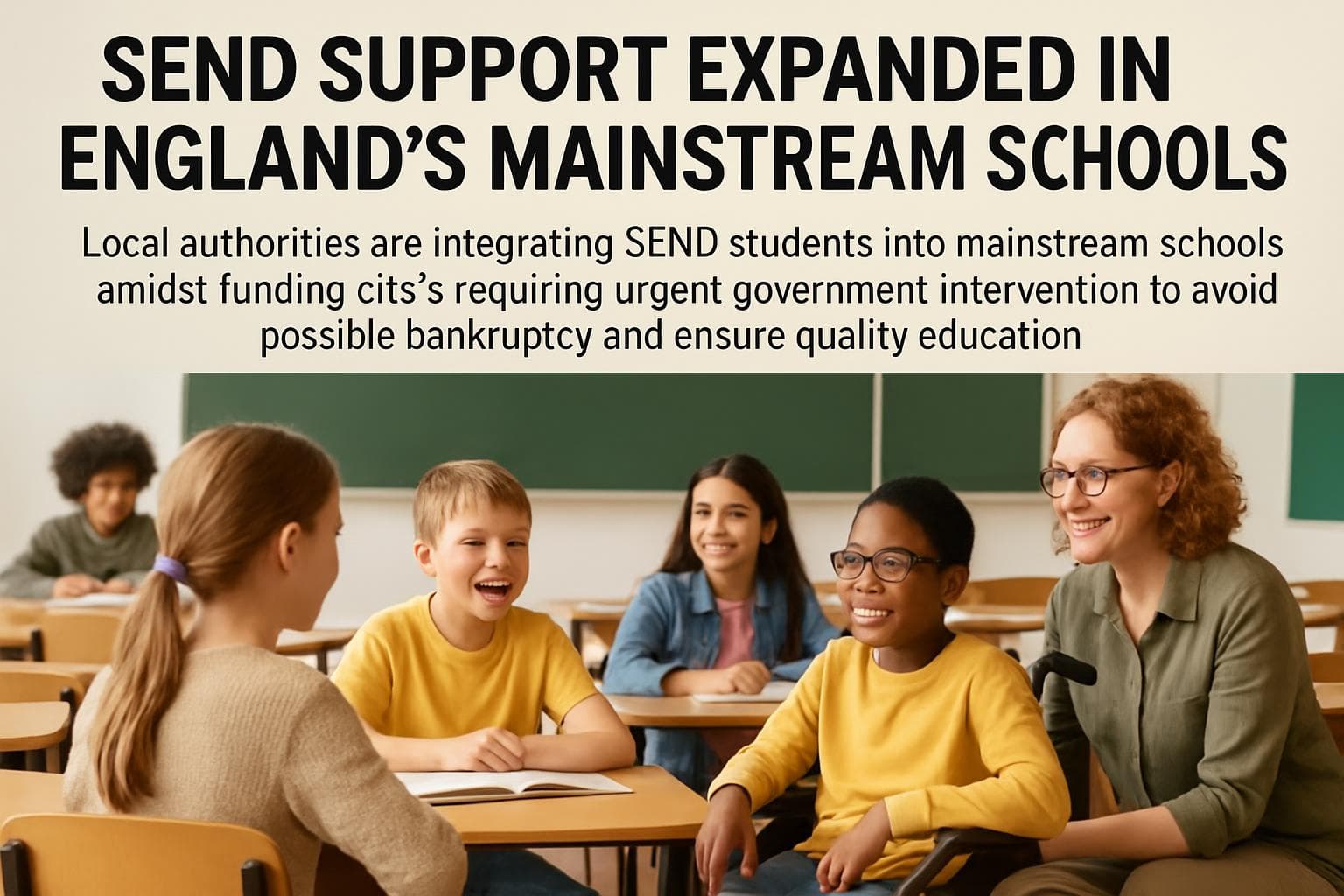
As local authorities across England grapple with a burgeoning funding crisis in special educational needs and disabilities (SEND) services, Oxfordshire County Council is taking decisive steps to mitigate its projected £153 million deficit. The council plans to expand its enhanced pathways provision into 40 state schools, aiming to support more children with special needs in mainstream settings. This initiative is part of a broader strategy to reduce reliance on costly private special schools, which can charge up to £64,000 per child annually.
Expanding Mainstream Support
Oxfordshire's approach reflects a growing trend among local councils to integrate SEND students into mainstream schools. However, this strategy is not without challenges. Many mainstream schools lack the necessary resources and trained staff to accommodate the complex needs of SEND students, raising questions about the feasibility of such inclusive education models. Paul James, CEO of the River Learning Trust, underscores the importance of strong leadership in schools to successfully implement these changes.
Financial Pressures and Government Response
The financial strain on local authorities is significant, with a forecasted £4.4 billion overspend in SEND services by 2029. This looming deficit has sparked fears of potential bankruptcy for councils if the government does not intervene with a clear funding plan. Councillor Sean Gaul of Oxfordshire County Council has called for urgent government action, stating, "Allowing the deficit to build up without clarity on who will cover it is not a solution."
The Need for Systemic Reform
The current situation highlights a critical juncture for SEND services in England. Critics argue that the government's focus on cost-cutting could undermine children's rights and lead to long-term negative consequences. Michael Robinson from Gosport, Hampshire, stresses the need for transparency, adequate funding, and robust safeguards for families to ensure that inclusion is not achieved at the expense of quality education.
WHAT THIS MIGHT MEAN
The future of SEND services in England hinges on the government's response to the current funding crisis. If reforms prioritize financial savings over comprehensive support, the quality of education for SEND students could deteriorate, exacerbating existing inequalities. Conversely, a commitment to increased funding and resources could strengthen the capacity of mainstream schools to provide inclusive education. As discussions continue, the role of local authorities in advocating for sustainable solutions will be crucial in shaping the landscape of special needs education.
Related Articles

Government Announces £4 Billion Overhaul of SEND Support in England

UK Government Announces Major Overhaul of SEND System with £3.4 Billion Investment

Government Unveils Ambitious Plan to Halve Attainment Gap in England's Schools

UK Government's SEND Reforms: A Critical Turning Point for Special Education

UK SEND Education Reforms: New Funding, Infrastructure Proposals, and Potential Backlash
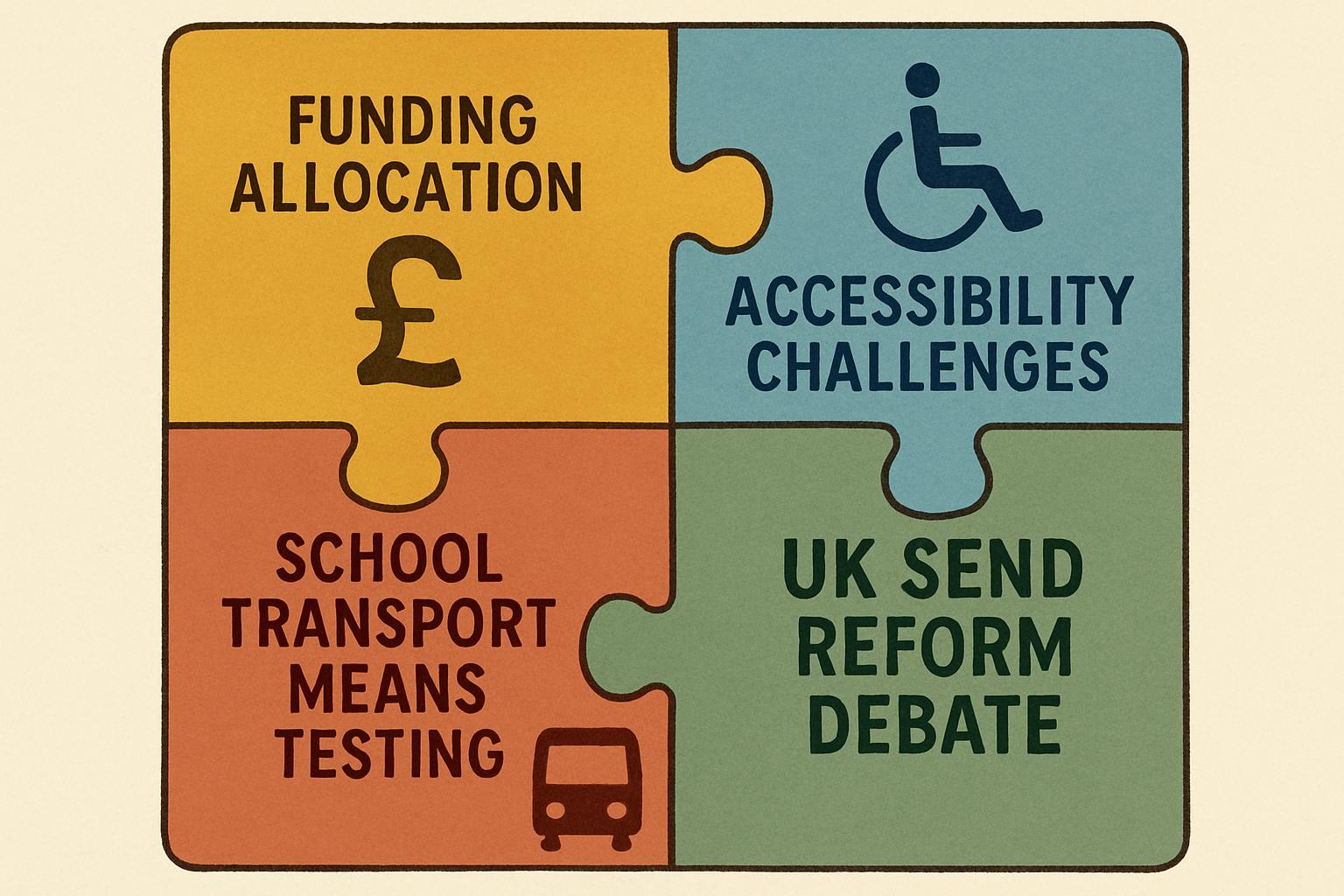
UK Government's SEND Reforms Spark Debate Over Funding and Accessibility
Local Authorities Struggle with SEND Funding Crisis Amid Rising Demand
In This Article
 Aya Nakamura| Published
 HIGHLIGHTS
- Oxfordshire County Council plans to expand SEND support in mainstream schools to address a projected £153 million funding deficit.
- Local authorities in England face a potential £4.4 billion overspend in SEND services by 2029, raising concerns about financial sustainability.
- Councils are increasingly relying on private special schools, costing up to £64,000 per child annually, due to limited state-funded options.
- The government is urged to provide clear plans and funding to prevent the collapse of special needs services.
- Experts emphasize the need for strong leadership and resources in mainstream schools to effectively support inclusive education.
As local authorities across England grapple with a burgeoning funding crisis in special educational needs and disabilities (SEND) services, Oxfordshire County Council is taking decisive steps to mitigate its projected £153 million deficit. The council plans to expand its enhanced pathways provision into 40 state schools, aiming to support more children with special needs in mainstream settings. This initiative is part of a broader strategy to reduce reliance on costly private special schools, which can charge up to £64,000 per child annually.
Expanding Mainstream Support
Oxfordshire's approach reflects a growing trend among local councils to integrate SEND students into mainstream schools. However, this strategy is not without challenges. Many mainstream schools lack the necessary resources and trained staff to accommodate the complex needs of SEND students, raising questions about the feasibility of such inclusive education models. Paul James, CEO of the River Learning Trust, underscores the importance of strong leadership in schools to successfully implement these changes.
Financial Pressures and Government Response
The financial strain on local authorities is significant, with a forecasted £4.4 billion overspend in SEND services by 2029. This looming deficit has sparked fears of potential bankruptcy for councils if the government does not intervene with a clear funding plan. Councillor Sean Gaul of Oxfordshire County Council has called for urgent government action, stating, "Allowing the deficit to build up without clarity on who will cover it is not a solution."
The Need for Systemic Reform
The current situation highlights a critical juncture for SEND services in England. Critics argue that the government's focus on cost-cutting could undermine children's rights and lead to long-term negative consequences. Michael Robinson from Gosport, Hampshire, stresses the need for transparency, adequate funding, and robust safeguards for families to ensure that inclusion is not achieved at the expense of quality education.
WHAT THIS MIGHT MEAN
The future of SEND services in England hinges on the government's response to the current funding crisis. If reforms prioritize financial savings over comprehensive support, the quality of education for SEND students could deteriorate, exacerbating existing inequalities. Conversely, a commitment to increased funding and resources could strengthen the capacity of mainstream schools to provide inclusive education. As discussions continue, the role of local authorities in advocating for sustainable solutions will be crucial in shaping the landscape of special needs education.
Related Articles
Government Announces £4 Billion Overhaul of SEND Support in England
UK Government Announces Major Overhaul of SEND System with £3.4 Billion Investment
Government Unveils Ambitious Plan to Halve Attainment Gap in England's Schools
UK Government's SEND Reforms: A Critical Turning Point for Special Education
UK SEND Education Reforms: New Funding, Infrastructure Proposals, and Potential Backlash
UK Government's SEND Reforms Spark Debate Over Funding and Accessibility