
Calls for SEND System Overhaul Amid Rising Mental Health Concerns
In This Article
HIGHLIGHTS
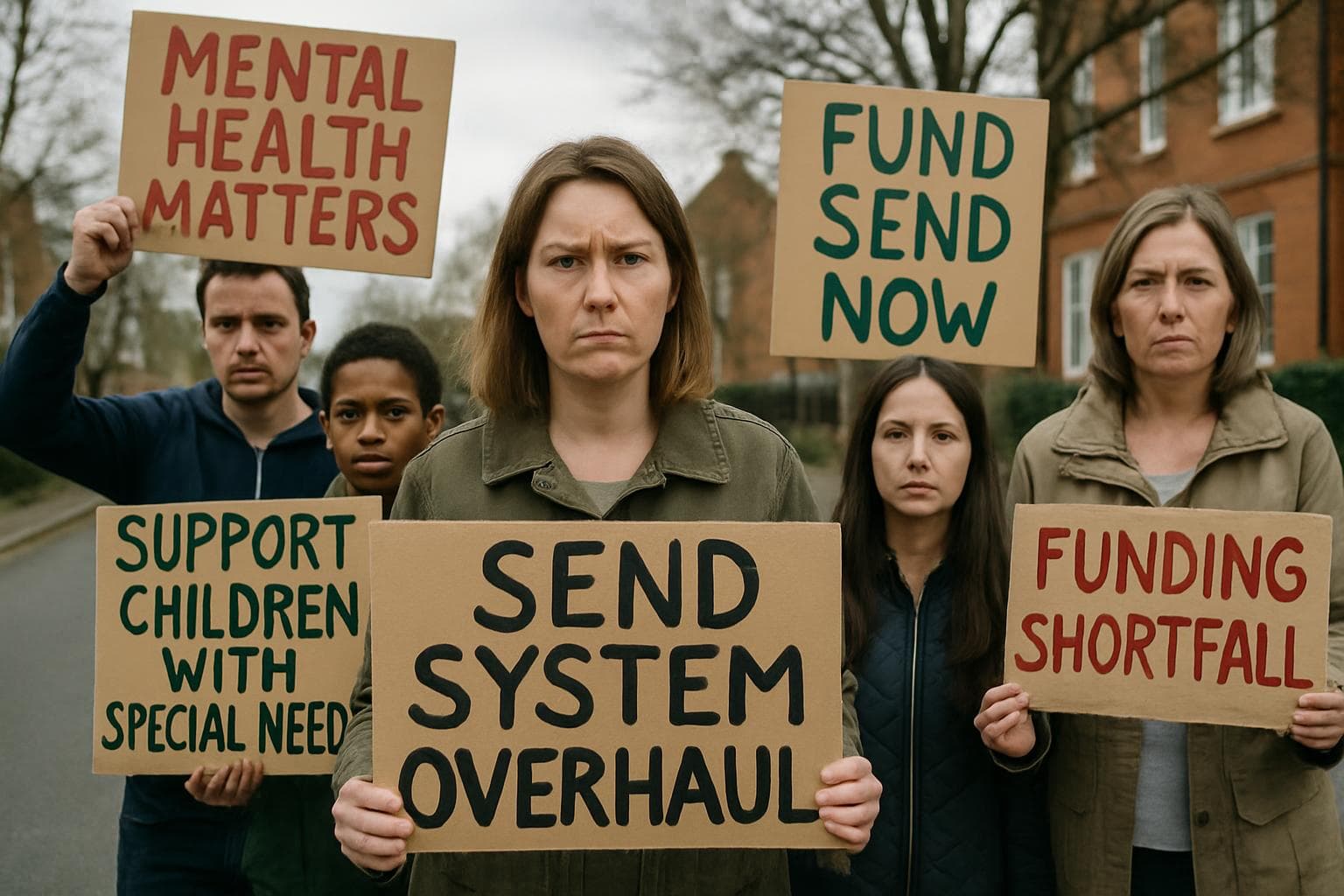
- Parents and guardians are calling for an overhaul of the SEND system, citing its negative impact on children's mental health.
- The number of education health and care plans in England has surged by 140% from 2015 to 2024, yet funding remains insufficient.
- MPs describe the SEND system as "broken" and "in crisis," with debates held in Parliament to address these issues.
- Parents face significant challenges in securing appropriate educational placements for their children with special needs.
- Accusations of parents "gaming the system" are criticized, with calls for the government to address systemic failures instead.
Parents and guardians across the South East of England are urging a comprehensive overhaul of the Special Educational Needs and Disabilities (SEND) system, highlighting its detrimental effects on children's mental health. The current system, described by MPs as "broken" and "in crisis," was the subject of a parliamentary debate led by Tunbridge Wells MP Mike Martin.
Rising Demand and Insufficient Funding
The demand for specialist educational provision has surged, with the number of education health and care plans (EHCPs) in England increasing by 140% between 2015 and 2024, according to the Office for National Statistics. Despite this rise, government funding has not kept pace, leaving an estimated £4.6 billion deficit in council school budgets across the country, as reported by the National Audit Office.
Personal Struggles and Systemic Challenges
Tora, a parent from East Sussex, shared her son Mason's struggles after he was asked to leave his special educational needs school. Mason, who has complex needs including autism and type 1 diabetes, has faced rejection from 20 different schools. "He's lost all his confidence," Tora explained, emphasizing the impact on his mental health. Similarly, Denise, a guardian in Kent, recounted the challenges faced by Tommy, a 13-year-old with autism, who struggled in mainstream education before finding a suitable specialist school.
Criticism of Government and Media Narratives
The narrative that parents are "gaming the system" to secure SEND provisions has been met with criticism. Suzanna Nolan, a mother of an autistic child, expressed her frustration with such claims, urging the government to focus on providing adequate support rather than blaming parents. "I have to fight tooth and nail every single year," she stated, reflecting the ongoing battle many parents face.
WHAT THIS MIGHT MEAN
The ongoing debate around the SEND system highlights the urgent need for reform. If the government fails to address the funding shortfall and systemic issues, the mental health and educational outcomes for children with special needs may continue to deteriorate. Experts suggest that increasing the availability of specialist schools and ensuring adequate funding could alleviate some of the pressures faced by parents and local councils. As discussions continue, the focus remains on creating a more inclusive and supportive educational environment for all children.
Images from the Web

Related Articles

Government Announces £4 Billion Overhaul of SEND Support in England

UK Government Announces Major Overhaul of SEND System with £3.4 Billion Investment

Government Unveils Ambitious Plan to Halve Attainment Gap in England's Schools

UK Government's SEND Reforms: A Critical Turning Point for Special Education
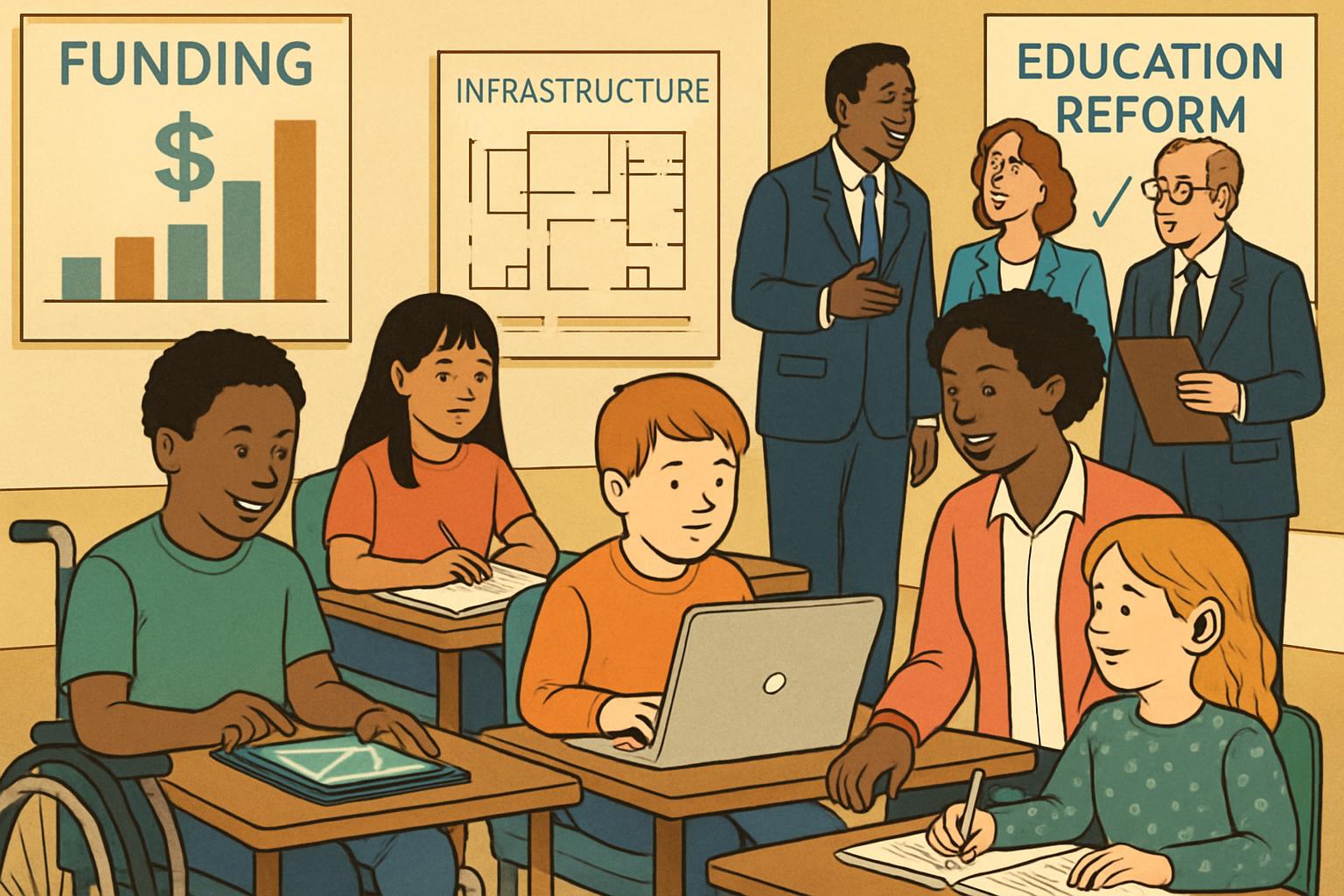
UK SEND Education Reforms: New Funding, Infrastructure Proposals, and Potential Backlash
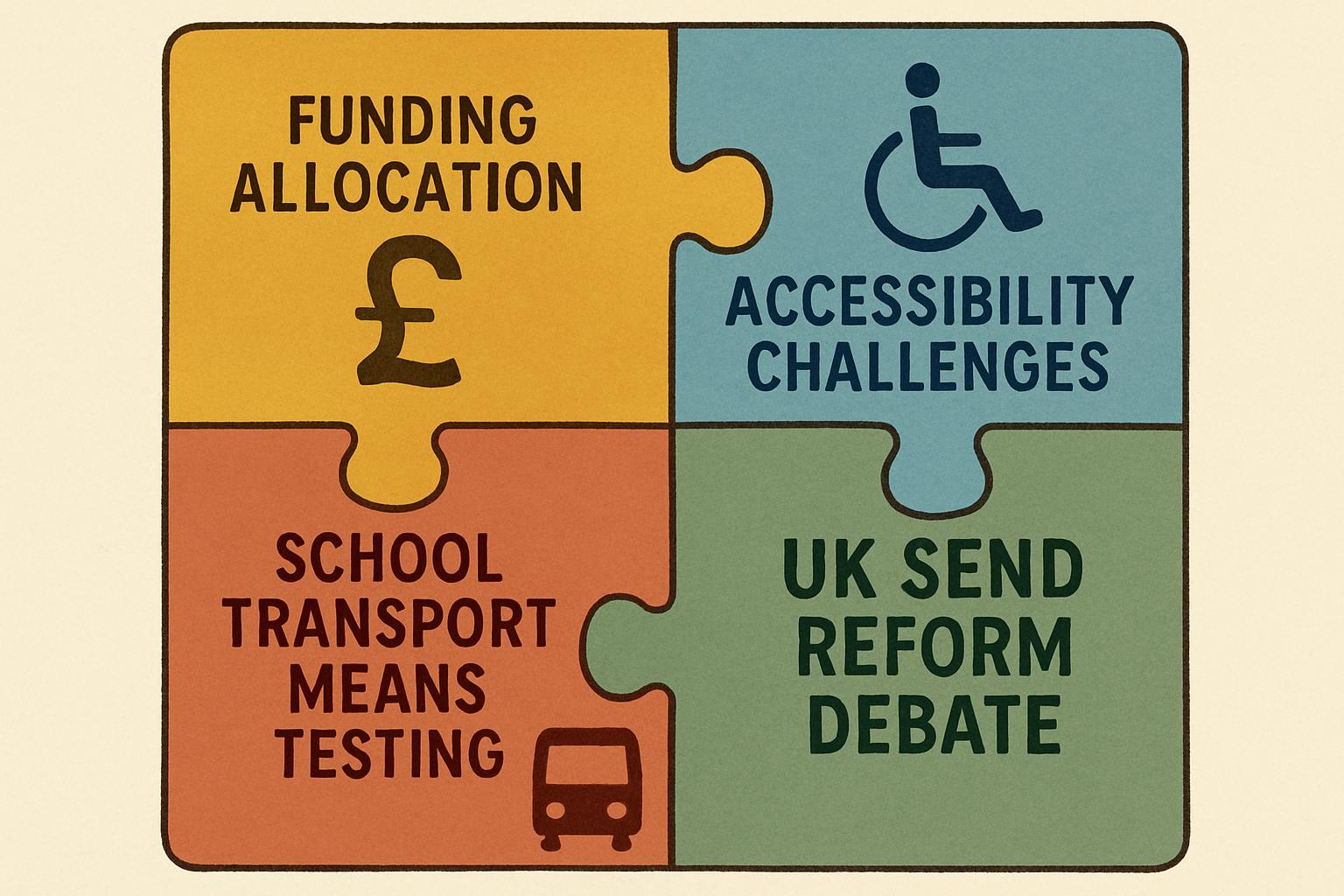
UK Government's SEND Reforms Spark Debate Over Funding and Accessibility
Calls for SEND System Overhaul Amid Rising Mental Health Concerns
In This Article
 Aya Nakamura| Published
 HIGHLIGHTS
- Parents and guardians are calling for an overhaul of the SEND system, citing its negative impact on children's mental health.
- The number of education health and care plans in England has surged by 140% from 2015 to 2024, yet funding remains insufficient.
- MPs describe the SEND system as "broken" and "in crisis," with debates held in Parliament to address these issues.
- Parents face significant challenges in securing appropriate educational placements for their children with special needs.
- Accusations of parents "gaming the system" are criticized, with calls for the government to address systemic failures instead.
Parents and guardians across the South East of England are urging a comprehensive overhaul of the Special Educational Needs and Disabilities (SEND) system, highlighting its detrimental effects on children's mental health. The current system, described by MPs as "broken" and "in crisis," was the subject of a parliamentary debate led by Tunbridge Wells MP Mike Martin.
Rising Demand and Insufficient Funding
The demand for specialist educational provision has surged, with the number of education health and care plans (EHCPs) in England increasing by 140% between 2015 and 2024, according to the Office for National Statistics. Despite this rise, government funding has not kept pace, leaving an estimated £4.6 billion deficit in council school budgets across the country, as reported by the National Audit Office.
Personal Struggles and Systemic Challenges
Tora, a parent from East Sussex, shared her son Mason's struggles after he was asked to leave his special educational needs school. Mason, who has complex needs including autism and type 1 diabetes, has faced rejection from 20 different schools. "He's lost all his confidence," Tora explained, emphasizing the impact on his mental health. Similarly, Denise, a guardian in Kent, recounted the challenges faced by Tommy, a 13-year-old with autism, who struggled in mainstream education before finding a suitable specialist school.
Criticism of Government and Media Narratives
The narrative that parents are "gaming the system" to secure SEND provisions has been met with criticism. Suzanna Nolan, a mother of an autistic child, expressed her frustration with such claims, urging the government to focus on providing adequate support rather than blaming parents. "I have to fight tooth and nail every single year," she stated, reflecting the ongoing battle many parents face.
WHAT THIS MIGHT MEAN
The ongoing debate around the SEND system highlights the urgent need for reform. If the government fails to address the funding shortfall and systemic issues, the mental health and educational outcomes for children with special needs may continue to deteriorate. Experts suggest that increasing the availability of specialist schools and ensuring adequate funding could alleviate some of the pressures faced by parents and local councils. As discussions continue, the focus remains on creating a more inclusive and supportive educational environment for all children.
Images from the Web
Related Articles
Government Announces £4 Billion Overhaul of SEND Support in England
UK Government Announces Major Overhaul of SEND System with £3.4 Billion Investment
Government Unveils Ambitious Plan to Halve Attainment Gap in England's Schools
UK Government's SEND Reforms: A Critical Turning Point for Special Education
UK SEND Education Reforms: New Funding, Infrastructure Proposals, and Potential Backlash
UK Government's SEND Reforms Spark Debate Over Funding and Accessibility