
Sizewell C Nuclear Plant Costs Soar to £38bn Amidst Government and Private Investment
In This Article
HIGHLIGHTS
- The Sizewell C nuclear power plant's cost has surged to £38bn, nearly doubling from initial estimates.
- The UK government, holding a 44.9% stake, has secured private investments from EDF, Centrica, La Caisse, and Amber Infrastructure.
- Households will contribute £1 monthly to energy bills during construction, expected to last until the mid to late 2030s.
- Sizewell C is projected to generate enough electricity to power six million homes and create 10,000 jobs.
- Rising costs and potential overruns have sparked debate over the viability and financial burden of the project.
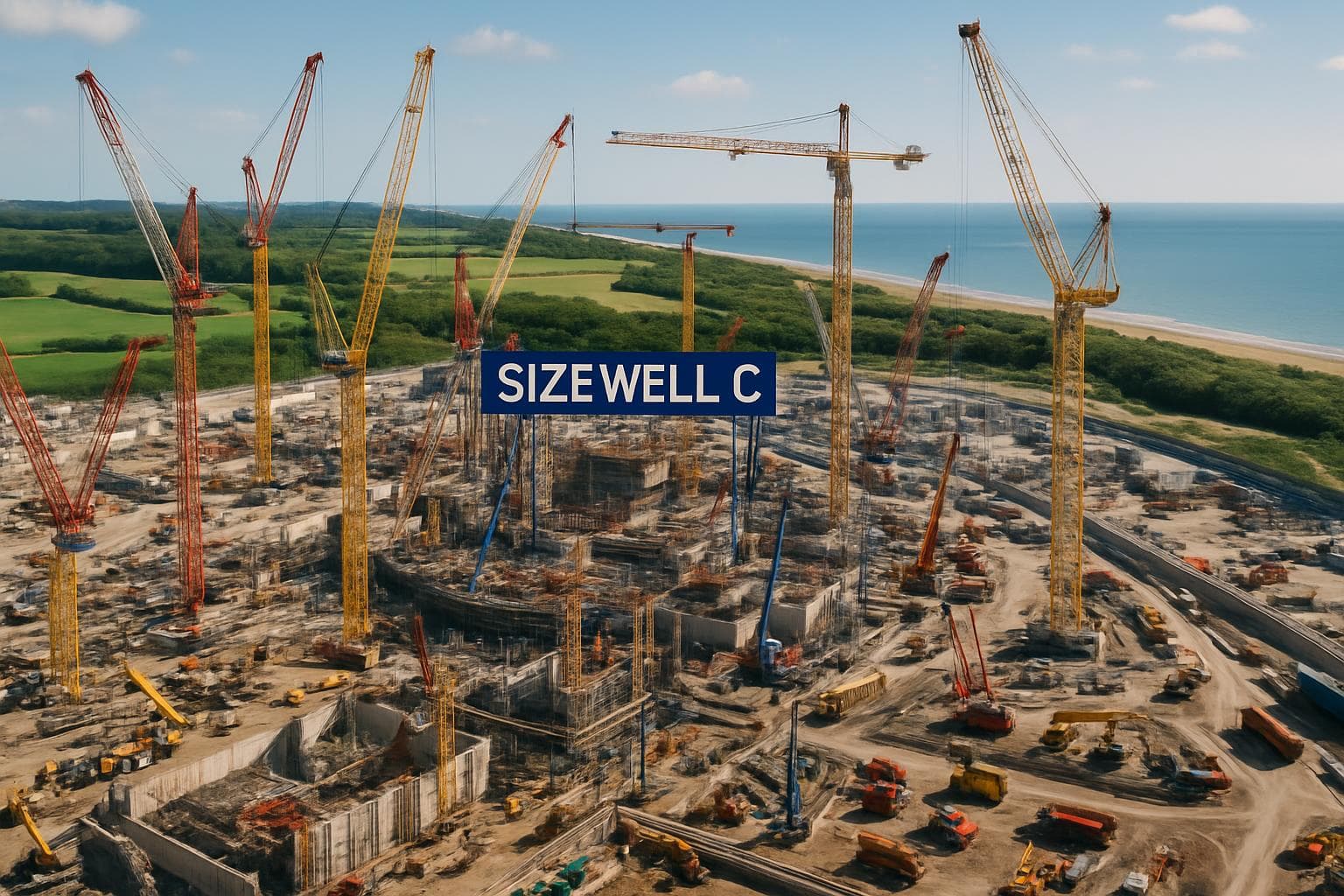
The cost of constructing the Sizewell C nuclear power plant in Suffolk has escalated to £38bn, nearly doubling from its initial projection. This significant increase will see UK households contributing an additional £1 per month to their energy bills for at least a decade, as the project progresses towards its expected operational date in the mid to late 2030s.
Government and Private Investment
The UK government has confirmed its substantial involvement, holding a 44.9% stake in the project. This investment is complemented by contributions from several private entities, including EDF, Centrica, La Caisse, and Amber Infrastructure. Centrica, the parent company of British Gas, has invested £1.3bn for a 15% stake, while La Caisse and Amber Infrastructure hold 20% and 7.6% stakes, respectively. EDF's share has decreased to 12.5% following the finalization of the investment deal.
Economic and Environmental Impact
Sizewell C is anticipated to generate enough low-carbon electricity to power six million homes, marking a significant step in the UK's energy infrastructure development. The project is also expected to create 10,000 direct jobs, with thousands more in supporting industries. Energy Secretary Ed Miliband emphasized the importance of such large-scale projects, stating, "It is time to do big things and build big projects in this country again."
Financial Concerns and Public Reaction
Despite the potential benefits, the soaring costs have raised concerns. Alison Downes, director of the pressure group Stop Sizewell C, criticized the financial burden on taxpayers, stating that the project "only crawled over the line thanks to guarantees that the public purse, not private investors, will carry the can for the inevitable cost overruns." Conversely, Tom Greatrex, chief executive of the Nuclear Industry Association, defended the investment, describing it as "money well spent" for the creation of numerous jobs and energy security.
Lessons from Hinkley Point C
The Sizewell C project draws heavily from the design of Hinkley Point C, another nuclear power plant in Somerset. Initially estimated to cost £18bn and be operational by 2017, Hinkley Point C has faced delays and cost overruns, now expected to be completed in the early 2030s at a cost of around £46bn. The lessons learned from Hinkley Point C are being applied to Sizewell C to mitigate similar issues.
WHAT THIS MIGHT MEAN
As Sizewell C progresses, the UK government and its partners must navigate the challenges of rising costs and potential delays. The project's success could bolster the UK's nuclear power capabilities, contributing significantly to its energy independence and environmental goals. However, continued scrutiny over financial management and public accountability will be crucial. Experts suggest that the government's ability to manage these large-scale projects effectively will influence future energy policies and investment strategies. If successful, Sizewell C could pave the way for further nuclear developments, reinforcing the UK's commitment to sustainable energy solutions.
Images from the Web

Related Articles
Middle East Conflict Drives UK Energy Prices to New Highs
Centrica Faces Profit Decline Amid Warmer Weather and Market Challenges

UK Government Eases Deer Culling to Protect Woodlands and Farmland

Government Announces £4 Billion Overhaul of SEND Support in England

UK Government Announces Major Overhaul of SEND System with £3.4 Billion Investment

Prince Andrew's Ties to Epstein Under Scrutiny Amid Calls for Inquiry
Sizewell C Nuclear Plant Costs Soar to £38bn Amidst Government and Private Investment
In This Article
 Daniel Rivera| Published
 HIGHLIGHTS
- The Sizewell C nuclear power plant's cost has surged to £38bn, nearly doubling from initial estimates.
- The UK government, holding a 44.9% stake, has secured private investments from EDF, Centrica, La Caisse, and Amber Infrastructure.
- Households will contribute £1 monthly to energy bills during construction, expected to last until the mid to late 2030s.
- Sizewell C is projected to generate enough electricity to power six million homes and create 10,000 jobs.
- Rising costs and potential overruns have sparked debate over the viability and financial burden of the project.
The cost of constructing the Sizewell C nuclear power plant in Suffolk has escalated to £38bn, nearly doubling from its initial projection. This significant increase will see UK households contributing an additional £1 per month to their energy bills for at least a decade, as the project progresses towards its expected operational date in the mid to late 2030s.
Government and Private Investment
The UK government has confirmed its substantial involvement, holding a 44.9% stake in the project. This investment is complemented by contributions from several private entities, including EDF, Centrica, La Caisse, and Amber Infrastructure. Centrica, the parent company of British Gas, has invested £1.3bn for a 15% stake, while La Caisse and Amber Infrastructure hold 20% and 7.6% stakes, respectively. EDF's share has decreased to 12.5% following the finalization of the investment deal.
Economic and Environmental Impact
Sizewell C is anticipated to generate enough low-carbon electricity to power six million homes, marking a significant step in the UK's energy infrastructure development. The project is also expected to create 10,000 direct jobs, with thousands more in supporting industries. Energy Secretary Ed Miliband emphasized the importance of such large-scale projects, stating, "It is time to do big things and build big projects in this country again."
Financial Concerns and Public Reaction
Despite the potential benefits, the soaring costs have raised concerns. Alison Downes, director of the pressure group Stop Sizewell C, criticized the financial burden on taxpayers, stating that the project "only crawled over the line thanks to guarantees that the public purse, not private investors, will carry the can for the inevitable cost overruns." Conversely, Tom Greatrex, chief executive of the Nuclear Industry Association, defended the investment, describing it as "money well spent" for the creation of numerous jobs and energy security.
Lessons from Hinkley Point C
The Sizewell C project draws heavily from the design of Hinkley Point C, another nuclear power plant in Somerset. Initially estimated to cost £18bn and be operational by 2017, Hinkley Point C has faced delays and cost overruns, now expected to be completed in the early 2030s at a cost of around £46bn. The lessons learned from Hinkley Point C are being applied to Sizewell C to mitigate similar issues.
WHAT THIS MIGHT MEAN
As Sizewell C progresses, the UK government and its partners must navigate the challenges of rising costs and potential delays. The project's success could bolster the UK's nuclear power capabilities, contributing significantly to its energy independence and environmental goals. However, continued scrutiny over financial management and public accountability will be crucial. Experts suggest that the government's ability to manage these large-scale projects effectively will influence future energy policies and investment strategies. If successful, Sizewell C could pave the way for further nuclear developments, reinforcing the UK's commitment to sustainable energy solutions.
Images from the Web
Related Articles
Middle East Conflict Drives UK Energy Prices to New Highs
Centrica Faces Profit Decline Amid Warmer Weather and Market Challenges
UK Government Eases Deer Culling to Protect Woodlands and Farmland
Government Announces £4 Billion Overhaul of SEND Support in England
UK Government Announces Major Overhaul of SEND System with £3.4 Billion Investment
Prince Andrew's Ties to Epstein Under Scrutiny Amid Calls for Inquiry