
Snap Settles Social Media Addiction Lawsuit as Trial Looms for Other Tech Giants
In This Article
HIGHLIGHTS
- Snap, the parent company of Snapchat, settled a social media addiction lawsuit just before the trial was set to begin in Los Angeles.
- The lawsuit, filed by a 19-year-old woman, claims that the algorithmic design of platforms like Snapchat led to her addiction and mental health issues.
- Other defendants, including Meta, TikTok, and YouTube, have not settled and are scheduled for trial with jury selection starting on January 27.
- The case challenges the legal protections tech companies have under Section 230 of the Communications Decency Act.
- The outcome could have significant implications, potentially leading to billions in damages and changes in platform design.
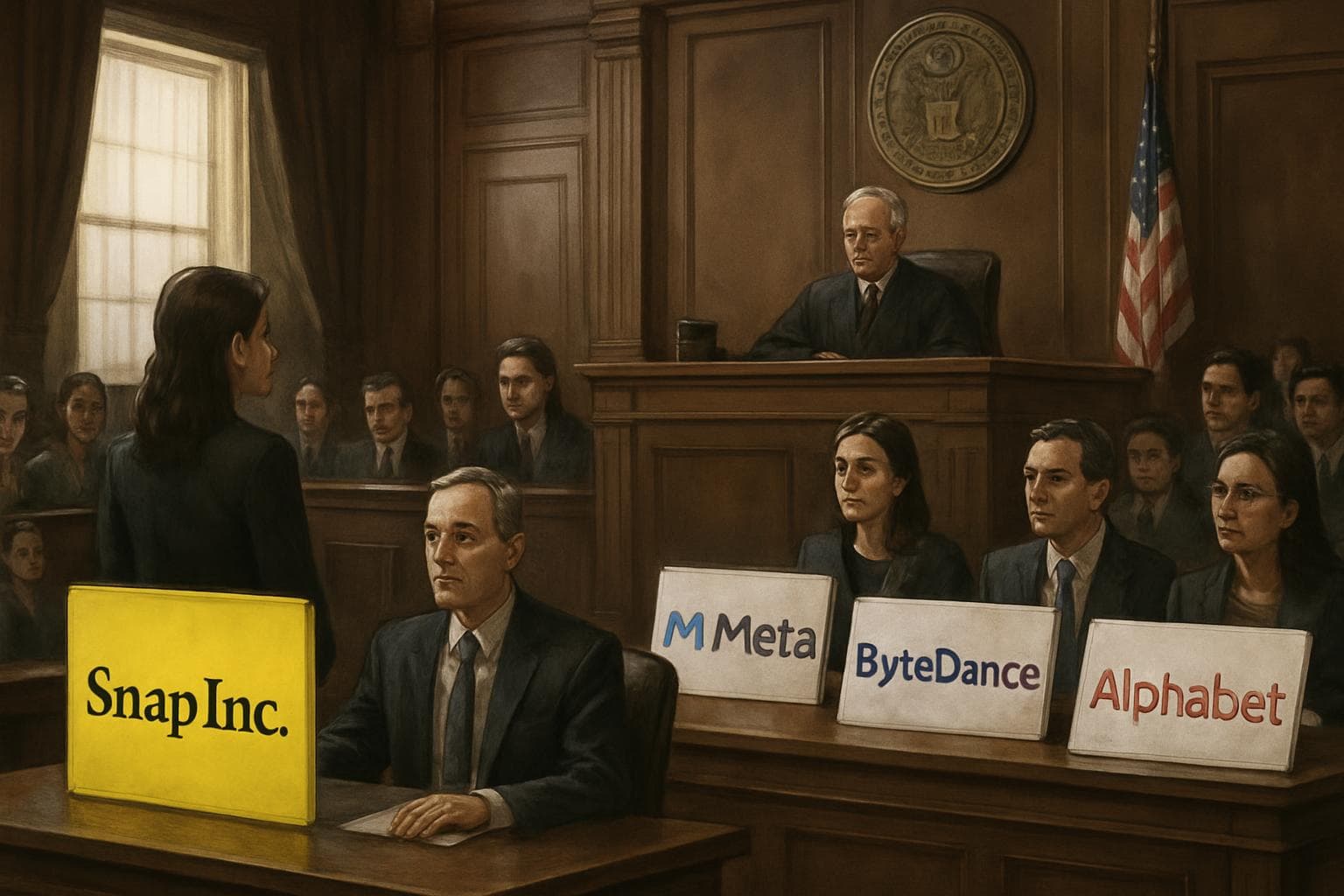
In a significant development in the ongoing debate over social media's impact on mental health, Snap, the parent company of Snapchat, has settled a lawsuit alleging that its platform's algorithmic design contributed to a young woman's addiction and subsequent mental health issues. The settlement was reached just days before the case was set to go to trial in Los Angeles, although the terms of the agreement remain undisclosed.
The lawsuit was filed by a 19-year-old plaintiff, identified as K.G.M., who claimed that the addictive nature of Snapchat, along with other platforms like Instagram, TikTok, and YouTube, adversely affected her mental well-being. While Snap has resolved its part of the lawsuit, other tech giants, including Meta, ByteDance's TikTok, and Alphabet's YouTube, have not settled and are preparing for trial. Jury selection is scheduled to begin on January 27, with Meta CEO Mark Zuckerberg expected to testify.
Legal Context and Implications
This case is one of three "bellwether" trials that consolidate thousands of similar lawsuits, potentially setting a precedent for how social media companies are held accountable for their platforms' design. Historically, tech companies have relied on Section 230 of the Communications Decency Act, which shields them from liability for user-generated content. However, the plaintiffs argue that the platforms' design choices, which allegedly foster addiction, should be scrutinized.
The law firm Beasley Allen, representing the plaintiffs, has likened the litigation to landmark cases against tobacco and opioid manufacturers, suggesting that the outcome could lead to substantial financial penalties and regulatory changes. The firm has emphasized the potential for billions of dollars in damages and the necessity for tech companies to reconsider how they engage with younger users.
Industry Reactions and Future Outlook
Snap's decision to settle may influence the strategies of other defendants as the trial approaches. The case's outcome could reshape the legal landscape for tech companies, challenging the long-standing protections offered by Section 230. If the court finds that the platforms' design contributes to addiction and mental health issues, it could prompt significant changes in how social media companies operate, particularly in their interactions with minors.
As the trial progresses, the tech industry and legal experts will be closely monitoring the proceedings, which could redefine the responsibilities of social media platforms in safeguarding users' mental health. The implications of this case extend beyond financial repercussions, potentially ushering in a new era of accountability and regulation for the digital age.
WHAT THIS MIGHT MEAN
Not available
Related Articles

Zuckerberg Defends Meta in Landmark Social Media Addiction Trial

Instagram CEO Defends Platform Amidst Addiction Allegations in Landmark Trial

EU Challenges Meta Over AI Chatbot Restrictions on WhatsApp
Tech Giants Pledge to Cover AI Data Center Energy Costs Amid Rising Electricity Concerns

EU Demands TikTok Overhaul 'Addictive Design' or Face Hefty Fines

Pinterest Dismisses Engineers for Breaching Privacy Amidst Major Layoffs
Snap Settles Social Media Addiction Lawsuit as Trial Looms for Other Tech Giants
In This Article
 Himanshu Kaushik| Published
 HIGHLIGHTS
- Snap, the parent company of Snapchat, settled a social media addiction lawsuit just before the trial was set to begin in Los Angeles.
- The lawsuit, filed by a 19-year-old woman, claims that the algorithmic design of platforms like Snapchat led to her addiction and mental health issues.
- Other defendants, including Meta, TikTok, and YouTube, have not settled and are scheduled for trial with jury selection starting on January 27.
- The case challenges the legal protections tech companies have under Section 230 of the Communications Decency Act.
- The outcome could have significant implications, potentially leading to billions in damages and changes in platform design.
In a significant development in the ongoing debate over social media's impact on mental health, Snap, the parent company of Snapchat, has settled a lawsuit alleging that its platform's algorithmic design contributed to a young woman's addiction and subsequent mental health issues. The settlement was reached just days before the case was set to go to trial in Los Angeles, although the terms of the agreement remain undisclosed.
The lawsuit was filed by a 19-year-old plaintiff, identified as K.G.M., who claimed that the addictive nature of Snapchat, along with other platforms like Instagram, TikTok, and YouTube, adversely affected her mental well-being. While Snap has resolved its part of the lawsuit, other tech giants, including Meta, ByteDance's TikTok, and Alphabet's YouTube, have not settled and are preparing for trial. Jury selection is scheduled to begin on January 27, with Meta CEO Mark Zuckerberg expected to testify.
Legal Context and Implications
This case is one of three "bellwether" trials that consolidate thousands of similar lawsuits, potentially setting a precedent for how social media companies are held accountable for their platforms' design. Historically, tech companies have relied on Section 230 of the Communications Decency Act, which shields them from liability for user-generated content. However, the plaintiffs argue that the platforms' design choices, which allegedly foster addiction, should be scrutinized.
The law firm Beasley Allen, representing the plaintiffs, has likened the litigation to landmark cases against tobacco and opioid manufacturers, suggesting that the outcome could lead to substantial financial penalties and regulatory changes. The firm has emphasized the potential for billions of dollars in damages and the necessity for tech companies to reconsider how they engage with younger users.
Industry Reactions and Future Outlook
Snap's decision to settle may influence the strategies of other defendants as the trial approaches. The case's outcome could reshape the legal landscape for tech companies, challenging the long-standing protections offered by Section 230. If the court finds that the platforms' design contributes to addiction and mental health issues, it could prompt significant changes in how social media companies operate, particularly in their interactions with minors.
As the trial progresses, the tech industry and legal experts will be closely monitoring the proceedings, which could redefine the responsibilities of social media platforms in safeguarding users' mental health. The implications of this case extend beyond financial repercussions, potentially ushering in a new era of accountability and regulation for the digital age.
WHAT THIS MIGHT MEAN
Not available
Related Articles
Zuckerberg Defends Meta in Landmark Social Media Addiction Trial
Instagram CEO Defends Platform Amidst Addiction Allegations in Landmark Trial
EU Challenges Meta Over AI Chatbot Restrictions on WhatsApp
Tech Giants Pledge to Cover AI Data Center Energy Costs Amid Rising Electricity Concerns
EU Demands TikTok Overhaul 'Addictive Design' or Face Hefty Fines
Pinterest Dismisses Engineers for Breaching Privacy Amidst Major Layoffs