
Australia's South-East Battles Devastating Bushfires: Lives Lost and Homes Destroyed
In This Article
HIGHLIGHTS
- One person has died and 350,000 hectares have burned in bushfires across south-east Australia, primarily in Victoria.
- Over 300 structures, including homes of volunteer firefighters, have been destroyed, with assessments ongoing.
- A state of emergency is declared in Victoria, with thousands of firefighters and over 70 aircraft battling the blazes.
- Prime Minister Anthony Albanese announced $19.5 million in disaster recovery funding for affected areas.
- Authorities warn of prolonged fire risks due to hot, dry, and windy conditions exacerbated by climate change.
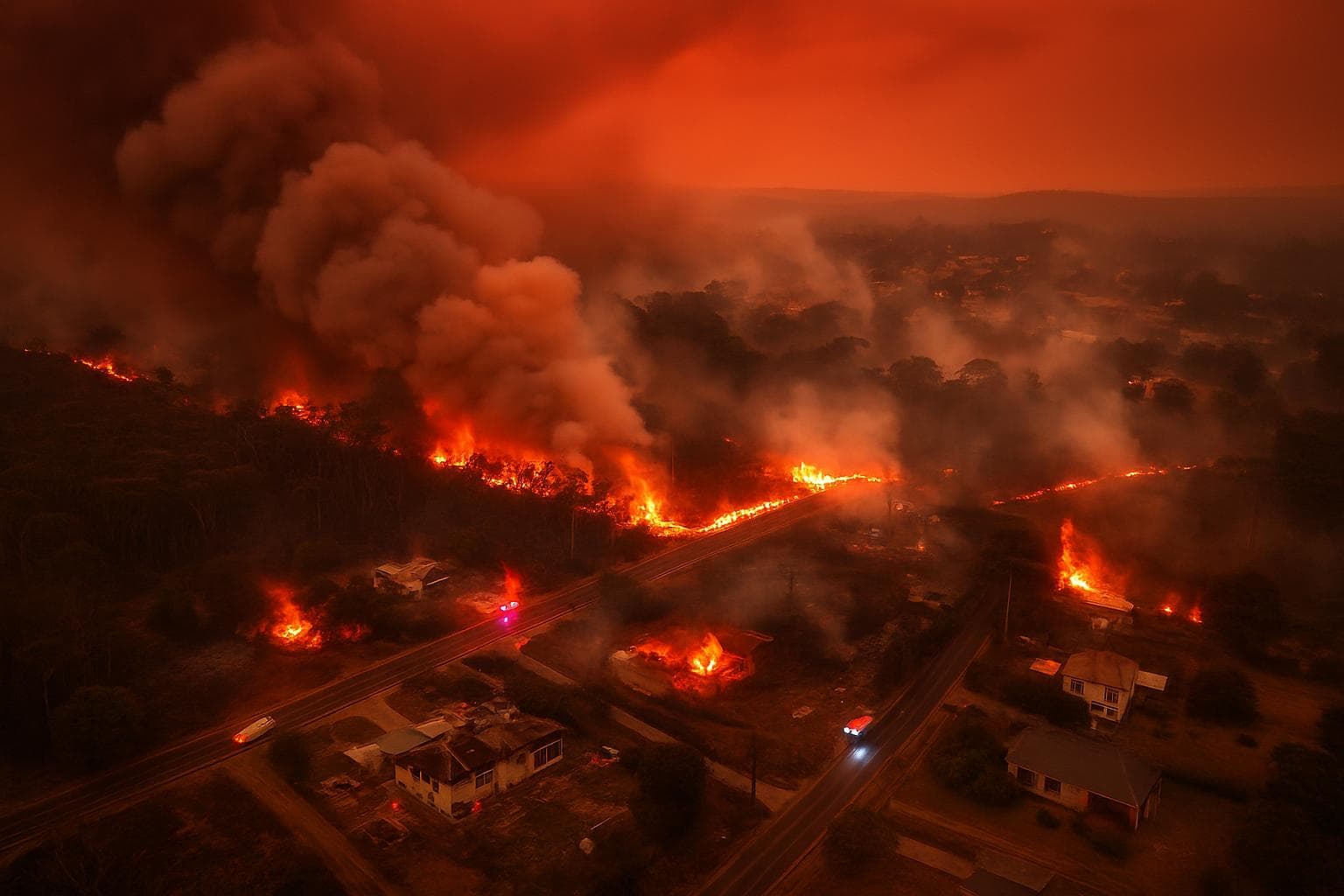
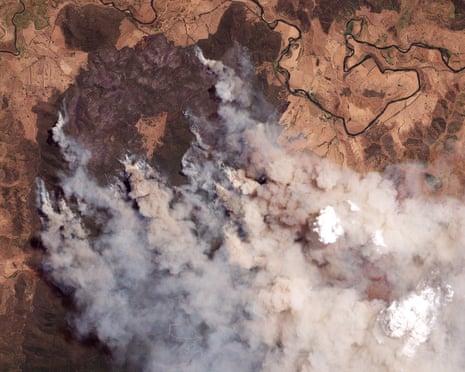
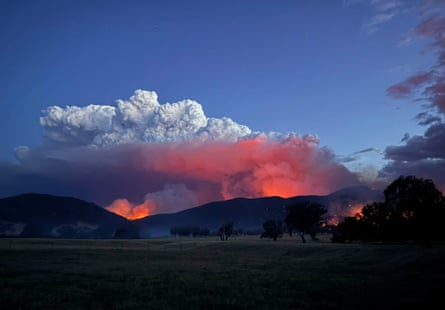
In a harrowing development, bushfires raging across south-east Australia have claimed one life and destroyed over 300 structures, including homes of volunteer firefighters. The fires, which have engulfed 350,000 hectares, are primarily concentrated in Victoria, where a state of emergency has been declared. The blazes, fueled by extreme heat and dry conditions, are expected to persist for weeks.
Widespread Destruction and Human Impact
The fires have wreaked havoc across Victoria, with the small town of Natimuk losing at least 30 homes. In Longwood, human remains were discovered, marking the first confirmed fatality linked to the fires. The victim, yet to be identified, was found near a vehicle in the fire-affected area. "These are our worst fears," said Chris Hardman, chief fire officer of Forest Fire Management Victoria, emphasizing the primacy of life in their efforts.
Government Response and Community Resilience
Prime Minister Anthony Albanese has pledged $19.5 million in disaster recovery funding, assuring Victorians of continued support. "We've got your back, not just during this crisis, but through the recovery as well," he stated. Victoria's Premier Jacinta Allan announced a fundraising appeal to aid victims, highlighting the community's resolve to rebuild and support one another.
Ongoing Challenges and Climate Concerns
With over 70 aircraft and thousands of firefighters deployed, efforts to contain the fires are ongoing. Authorities have issued multiple evacuation orders, urging residents to heed warnings and prioritize safety. The fires have also compromised air quality across Victoria, with smoke affecting metropolitan areas like Melbourne. Experts point to climate change as a factor in the increasing frequency and intensity of such fires, underscoring the need for long-term environmental strategies.
WHAT THIS MIGHT MEAN
As the bushfires continue to burn, the immediate focus remains on containment and safety. However, the long-term implications are significant. The destruction of homes and infrastructure will require extensive rebuilding efforts, potentially reshaping affected communities. The government's disaster recovery funding is a crucial step, but ongoing support will be necessary to address both physical and emotional recovery.
Politically, the fires may intensify discussions around climate change policies, as the link between extreme weather conditions and global warming becomes increasingly evident. Experts suggest that Australia must bolster its climate resilience strategies to mitigate future risks. The current crisis serves as a stark reminder of the urgent need for comprehensive environmental action.
Images from the Web
Related Articles

Canada and Australia Forge Strategic Partnership Amid Global Uncertainty
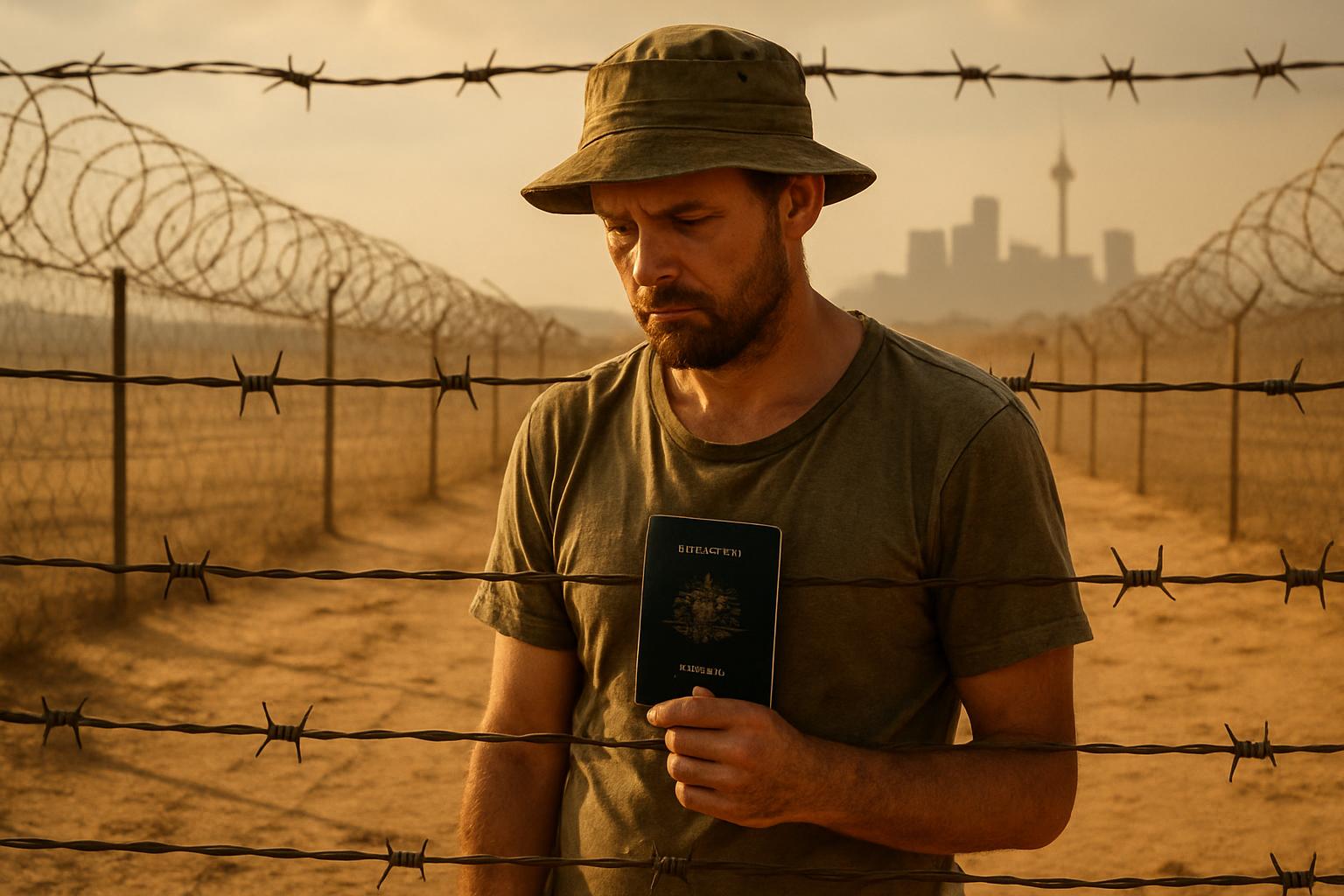
Australia Bars IS-Linked Citizen from Returning Amidst Repatriation Debate
Israeli President Herzog's Visit to Australia Sparks Controversy Amid Calls for Unity
Canada Calls for De-escalation Amid US-Israel Strikes on Iran
Prince Andrew's Arrest Raises Questions About Royal Succession and Monarchy's Future

Trump's New Tariff Strategy Sparks Global Trade Uncertainty
Australia's South-East Battles Devastating Bushfires: Lives Lost and Homes Destroyed
In This Article
HIGHLIGHTS
- One person has died and 350,000 hectares have burned in bushfires across south-east Australia, primarily in Victoria.
- Over 300 structures, including homes of volunteer firefighters, have been destroyed, with assessments ongoing.
- A state of emergency is declared in Victoria, with thousands of firefighters and over 70 aircraft battling the blazes.
- Prime Minister Anthony Albanese announced $19.5 million in disaster recovery funding for affected areas.
- Authorities warn of prolonged fire risks due to hot, dry, and windy conditions exacerbated by climate change.
In a harrowing development, bushfires raging across south-east Australia have claimed one life and destroyed over 300 structures, including homes of volunteer firefighters. The fires, which have engulfed 350,000 hectares, are primarily concentrated in Victoria, where a state of emergency has been declared. The blazes, fueled by extreme heat and dry conditions, are expected to persist for weeks.
Widespread Destruction and Human Impact
The fires have wreaked havoc across Victoria, with the small town of Natimuk losing at least 30 homes. In Longwood, human remains were discovered, marking the first confirmed fatality linked to the fires. The victim, yet to be identified, was found near a vehicle in the fire-affected area. "These are our worst fears," said Chris Hardman, chief fire officer of Forest Fire Management Victoria, emphasizing the primacy of life in their efforts.
Government Response and Community Resilience
Prime Minister Anthony Albanese has pledged $19.5 million in disaster recovery funding, assuring Victorians of continued support. "We've got your back, not just during this crisis, but through the recovery as well," he stated. Victoria's Premier Jacinta Allan announced a fundraising appeal to aid victims, highlighting the community's resolve to rebuild and support one another.
Ongoing Challenges and Climate Concerns
With over 70 aircraft and thousands of firefighters deployed, efforts to contain the fires are ongoing. Authorities have issued multiple evacuation orders, urging residents to heed warnings and prioritize safety. The fires have also compromised air quality across Victoria, with smoke affecting metropolitan areas like Melbourne. Experts point to climate change as a factor in the increasing frequency and intensity of such fires, underscoring the need for long-term environmental strategies.
WHAT THIS MIGHT MEAN
As the bushfires continue to burn, the immediate focus remains on containment and safety. However, the long-term implications are significant. The destruction of homes and infrastructure will require extensive rebuilding efforts, potentially reshaping affected communities. The government's disaster recovery funding is a crucial step, but ongoing support will be necessary to address both physical and emotional recovery.
Politically, the fires may intensify discussions around climate change policies, as the link between extreme weather conditions and global warming becomes increasingly evident. Experts suggest that Australia must bolster its climate resilience strategies to mitigate future risks. The current crisis serves as a stark reminder of the urgent need for comprehensive environmental action.
Images from the Web
Related Articles
Canada and Australia Forge Strategic Partnership Amid Global Uncertainty
Australia Bars IS-Linked Citizen from Returning Amidst Repatriation Debate
Israeli President Herzog's Visit to Australia Sparks Controversy Amid Calls for Unity
Canada Calls for De-escalation Amid US-Israel Strikes on Iran
Prince Andrew's Arrest Raises Questions About Royal Succession and Monarchy's Future
Trump's New Tariff Strategy Sparks Global Trade Uncertainty