
South Korean Prosecutors Apologize to Woman Convicted for Self-Defense in 1964 Assault Case
In This Article
HIGHLIGHTS
- South Korean prosecutors have apologized to Choi Mal-ja, convicted in 1964 for biting off part of her attacker's tongue during an alleged sexual assault.
- Choi, now 78, was sentenced to 10 months in prison, suspended for two years, while her attacker received a lighter sentence for trespassing and intimidation.
- Inspired by the #MeToo movement, Choi campaigned for a retrial, which began in Busan, with a final ruling expected on 10 September.
- The case has become emblematic of South Korea's historical failure to protect sexual assault survivors, highlighting issues within the legal system.
- Prosecutors have requested the court to overturn Choi's conviction, acknowledging the past legal misjudgment.
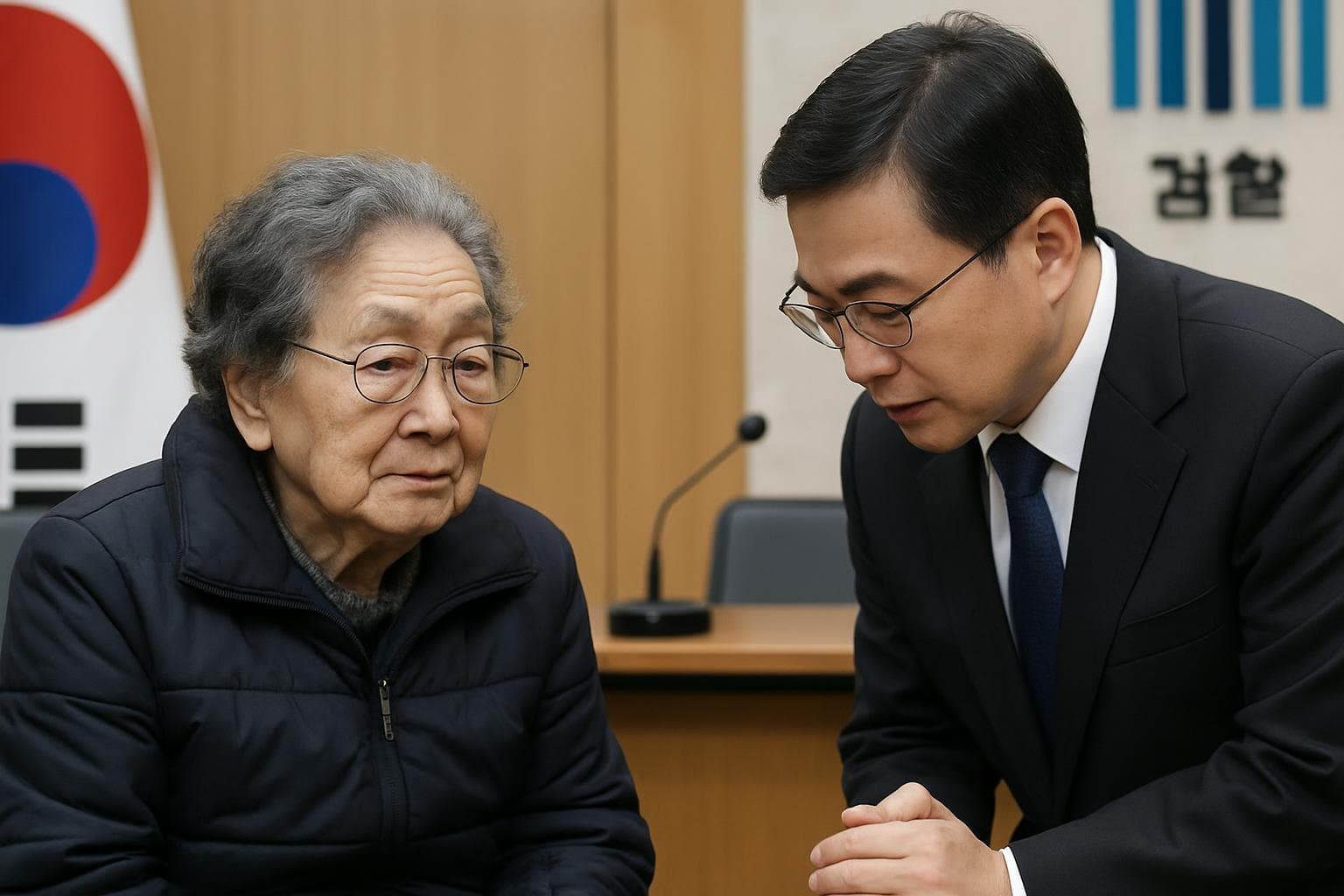
In a landmark move, South Korean prosecutors have issued a formal apology to Choi Mal-ja, a woman convicted over six decades ago for defending herself during an alleged sexual assault. Choi, now 78, was sentenced in 1964 to 10 months in prison, suspended for two years, after biting off part of her attacker's tongue. Her case has since become a symbol of the systemic failures within South Korea's legal system to protect victims of sexual violence.
A Historic Case Revisited
The incident occurred when Choi was 18 years old in the southern town of Gimhae. According to court records, a 21-year-old man attempted to rape her, forcing his tongue into her mouth. In self-defense, Choi bit off 1.5cm of his tongue, leading to her conviction for "aggravated bodily injury." Her attacker, however, faced a lesser charge of trespassing and intimidation, with no conviction for attempted rape.
A Movement for Justice
Inspired by the global #MeToo movement, Choi began her fight for justice, seeking to overturn her conviction. Her efforts culminated in a retrial that commenced in Busan, where prosecutors publicly acknowledged their failure to protect her as a victim. "We caused immeasurable pain and suffering to Ms. Choi Mal-ja," stated Chief Prosecutor Jeong Myeong-won, who personally attended the hearing.
Legal and Social Implications
Choi's case has highlighted significant issues within the South Korean legal system, particularly its historical treatment of sexual assault survivors. Her story has been cited in legal textbooks as a classic example of the failure to recognize self-defense in cases of sexual violence. Advocacy groups, including the Korean Women’s Hot-Line, have supported her throughout her legal battle.
Awaiting a Final Verdict
As the retrial progresses, a final ruling is anticipated on 10 September. Legal observers expect the court to overturn Choi's conviction, potentially setting a precedent for future cases involving self-defense in sexual assault scenarios. Choi, who has lived as a convicted criminal for 61 years, expressed hope for a future where human rights are protected and sexual violence is eradicated.
WHAT THIS MIGHT MEAN
The outcome of Choi Mal-ja's retrial could have far-reaching implications for South Korea's legal system, particularly in how it handles cases of self-defense in sexual assault. Should the court overturn her conviction, it may prompt a reevaluation of past cases and inspire legislative reforms to better protect victims. Legal experts suggest that this case could serve as a catalyst for broader societal change, encouraging more survivors to come forward and seek justice. As South Korea continues to grapple with gender-based violence, Choi's story underscores the need for systemic change and the importance of acknowledging historical legal injustices.
Related Articles
South Korea's Former First Lady Sentenced for Bribery Amid Political Turmoil
South Korea's Former President Yoon Sentenced to Five Years Over Martial Law Attempt
South Korean Prosecutors Demand Death Penalty for Former President Yoon Suk Yeol
Kim Jong Un's Daughter Poised as North Korea's Future Leader, South Korean Intelligence Suggests

Labour's Push for Closer EU Ties Sparks Debate
Sanae Takaichi's Snap Election Gamble: Will Japan's First Female Prime Minister Secure a Landslide Victory?
South Korean Prosecutors Apologize to Woman Convicted for Self-Defense in 1964 Assault Case
In This Article
 Sofia Romano| Published
 HIGHLIGHTS
- South Korean prosecutors have apologized to Choi Mal-ja, convicted in 1964 for biting off part of her attacker's tongue during an alleged sexual assault.
- Choi, now 78, was sentenced to 10 months in prison, suspended for two years, while her attacker received a lighter sentence for trespassing and intimidation.
- Inspired by the #MeToo movement, Choi campaigned for a retrial, which began in Busan, with a final ruling expected on 10 September.
- The case has become emblematic of South Korea's historical failure to protect sexual assault survivors, highlighting issues within the legal system.
- Prosecutors have requested the court to overturn Choi's conviction, acknowledging the past legal misjudgment.
In a landmark move, South Korean prosecutors have issued a formal apology to Choi Mal-ja, a woman convicted over six decades ago for defending herself during an alleged sexual assault. Choi, now 78, was sentenced in 1964 to 10 months in prison, suspended for two years, after biting off part of her attacker's tongue. Her case has since become a symbol of the systemic failures within South Korea's legal system to protect victims of sexual violence.
A Historic Case Revisited
The incident occurred when Choi was 18 years old in the southern town of Gimhae. According to court records, a 21-year-old man attempted to rape her, forcing his tongue into her mouth. In self-defense, Choi bit off 1.5cm of his tongue, leading to her conviction for "aggravated bodily injury." Her attacker, however, faced a lesser charge of trespassing and intimidation, with no conviction for attempted rape.
A Movement for Justice
Inspired by the global #MeToo movement, Choi began her fight for justice, seeking to overturn her conviction. Her efforts culminated in a retrial that commenced in Busan, where prosecutors publicly acknowledged their failure to protect her as a victim. "We caused immeasurable pain and suffering to Ms. Choi Mal-ja," stated Chief Prosecutor Jeong Myeong-won, who personally attended the hearing.
Legal and Social Implications
Choi's case has highlighted significant issues within the South Korean legal system, particularly its historical treatment of sexual assault survivors. Her story has been cited in legal textbooks as a classic example of the failure to recognize self-defense in cases of sexual violence. Advocacy groups, including the Korean Women’s Hot-Line, have supported her throughout her legal battle.
Awaiting a Final Verdict
As the retrial progresses, a final ruling is anticipated on 10 September. Legal observers expect the court to overturn Choi's conviction, potentially setting a precedent for future cases involving self-defense in sexual assault scenarios. Choi, who has lived as a convicted criminal for 61 years, expressed hope for a future where human rights are protected and sexual violence is eradicated.
WHAT THIS MIGHT MEAN
The outcome of Choi Mal-ja's retrial could have far-reaching implications for South Korea's legal system, particularly in how it handles cases of self-defense in sexual assault. Should the court overturn her conviction, it may prompt a reevaluation of past cases and inspire legislative reforms to better protect victims. Legal experts suggest that this case could serve as a catalyst for broader societal change, encouraging more survivors to come forward and seek justice. As South Korea continues to grapple with gender-based violence, Choi's story underscores the need for systemic change and the importance of acknowledging historical legal injustices.
Related Articles
South Korea's Former First Lady Sentenced for Bribery Amid Political Turmoil
South Korea's Former President Yoon Sentenced to Five Years Over Martial Law Attempt
South Korean Prosecutors Demand Death Penalty for Former President Yoon Suk Yeol
Kim Jong Un's Daughter Poised as North Korea's Future Leader, South Korean Intelligence Suggests
Labour's Push for Closer EU Ties Sparks Debate
Sanae Takaichi's Snap Election Gamble: Will Japan's First Female Prime Minister Secure a Landslide Victory?