
South Korean Court Dismisses Plagiarism Claims Over Viral 'Baby Shark' Song
In This Article
HIGHLIGHTS
- South Korea's Supreme Court ruled against US composer Jonathan Wright in a copyright case involving the viral children's song "Baby Shark".
- The court upheld previous verdicts favoring Pinkfong, the South Korean company behind the song, stating Wright's version lacked substantial alteration from the original folk song.
- "Baby Shark" by Pinkfong, released in 2016, became the most-viewed YouTube video, surpassing 16 billion views.
- Wright's 2011 version, titled "Baby Shark Song (non-dismemberment version)", was based on a public domain folk song.
- The legal battle began when Wright realized Pinkfong had threatened legal action over the song's use in a political campaign.
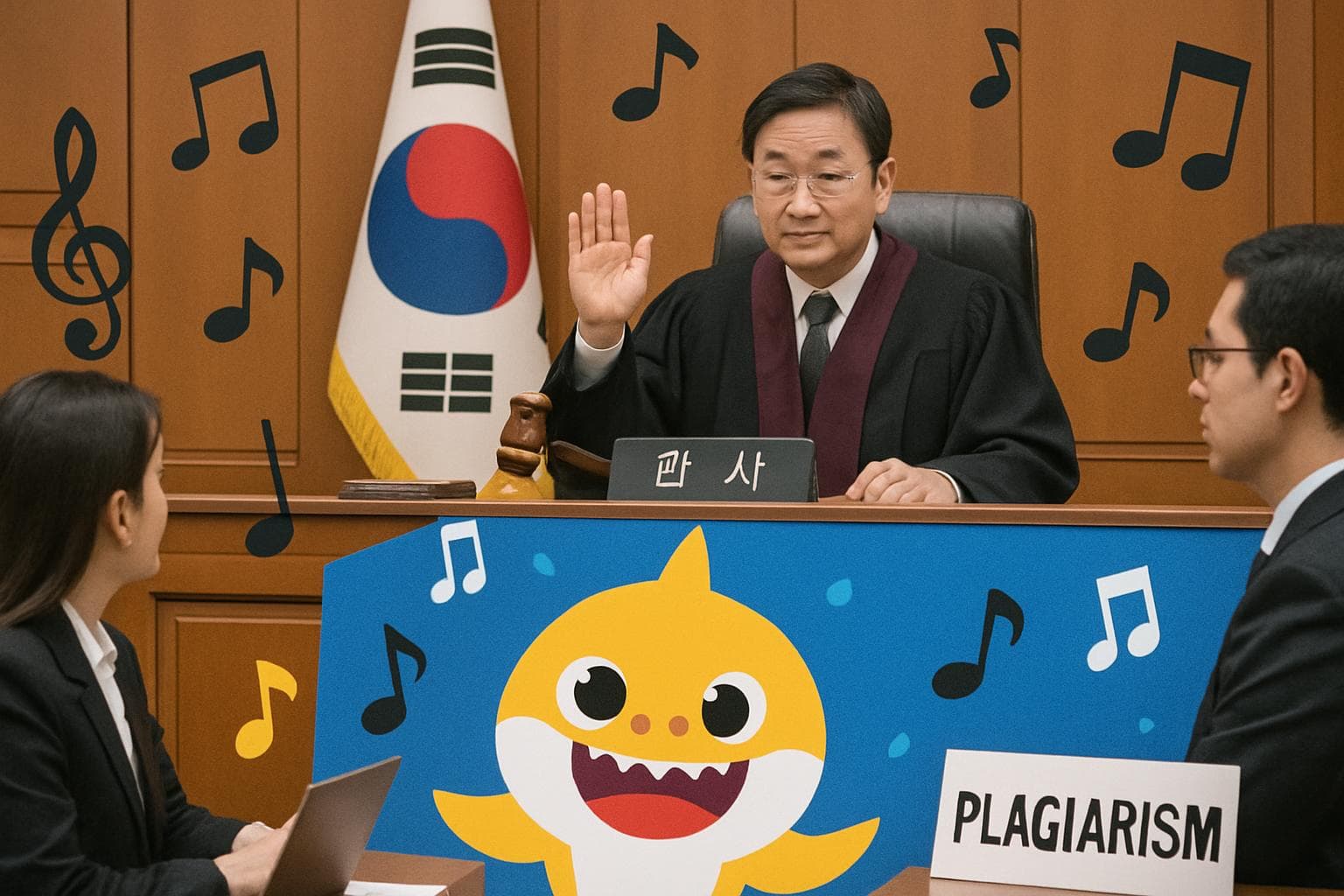
South Korea's Supreme Court has concluded a protracted legal dispute by ruling against US composer Jonathan Wright, who alleged that the creators of the globally popular children's song "Baby Shark" plagiarized his work. The court's decision, announced on Thursday, upheld two prior rulings in favor of Pinkfong, the South Korean company responsible for the song's viral success.
Legal Battle Over Copyright Claims
The legal saga began in 2019 when Wright, known by his stage name Johnny Only, filed a lawsuit in Seoul. He claimed that Pinkfong's 2016 rendition of "Baby Shark" copied his 2011 version, which he argued was a unique interpretation of a traditional children's folk song. However, the court determined that Wright's version did not significantly alter the original folk song, which is in the public domain, and thus did not qualify for separate copyright protection.
Phenomenal Success of Pinkfong's 'Baby Shark'
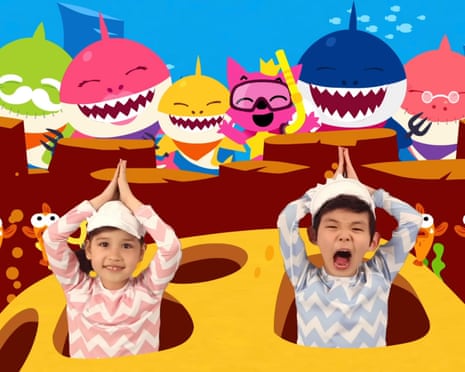
Pinkfong's "Baby Shark" has achieved unprecedented success since its release. The catchy tune, accompanied by a memorable "doo doo doo doo doo doo" refrain, has become the most-viewed video on YouTube, amassing over 16 billion views. Its popularity has led to various adaptations, including TV shows, movies, and smartphone apps, contributing to Pinkfong's financial success.
Origins and Global Impact
The origins of "Baby Shark" trace back to the 1970s in the United States, where it was popularized at summer camps. Various versions existed before Wright's 2011 rendition, including the French "Bébé Requin" and the German "Kleiner Hai," which gained traction in Europe. Despite these earlier adaptations, none matched the viral impact of Pinkfong's version, which even inspired the #BabySharkChallenge on social media and reached the Billboard Hot 100 chart.
Wright's Motivation for Legal Action
Initially, Wright believed that Pinkfong's use of the song was permissible due to its public domain status. However, his perspective shifted when he learned that Pinkfong had threatened legal action against a South Korean political party for using "Baby Shark" in a campaign. This prompted Wright to question whether his version also warranted copyright protection, leading to the legal proceedings.
WHAT THIS MIGHT MEAN
With the court's decision now final, Pinkfong can continue to capitalize on the immense popularity of "Baby Shark" without the looming threat of legal challenges from Wright. The ruling underscores the complexities of copyright law, particularly concerning works derived from public domain material. As the song's influence continues to expand globally, it may prompt further discussions on intellectual property rights in the digital age. Legal experts suggest that this case could serve as a precedent for future disputes involving adaptations of traditional works, highlighting the importance of substantial originality in copyright claims.
Images from the Web
Related Articles
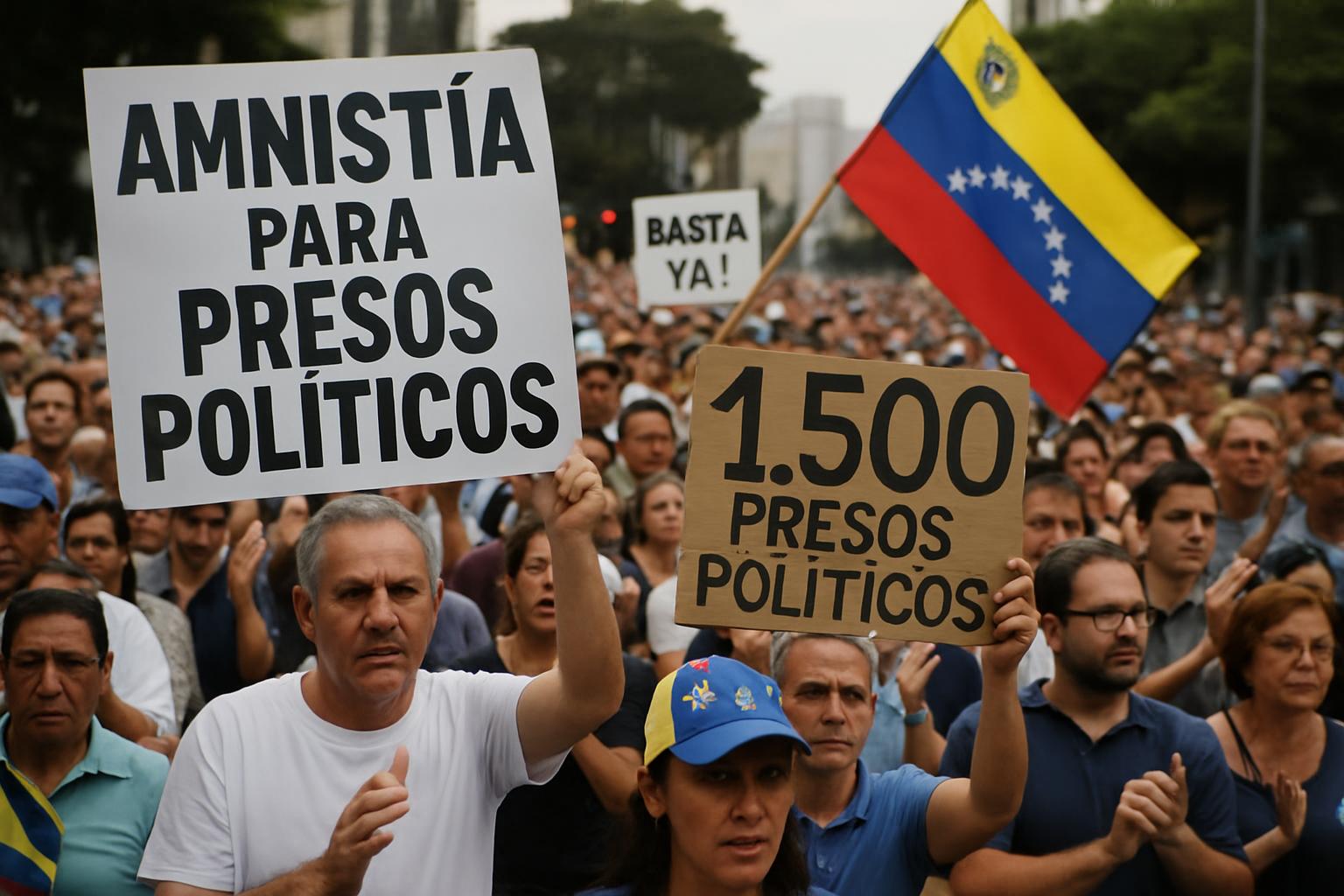
Venezuelan Political Prisoners Seek Amnesty Amidst Hopes for Democratic Transition
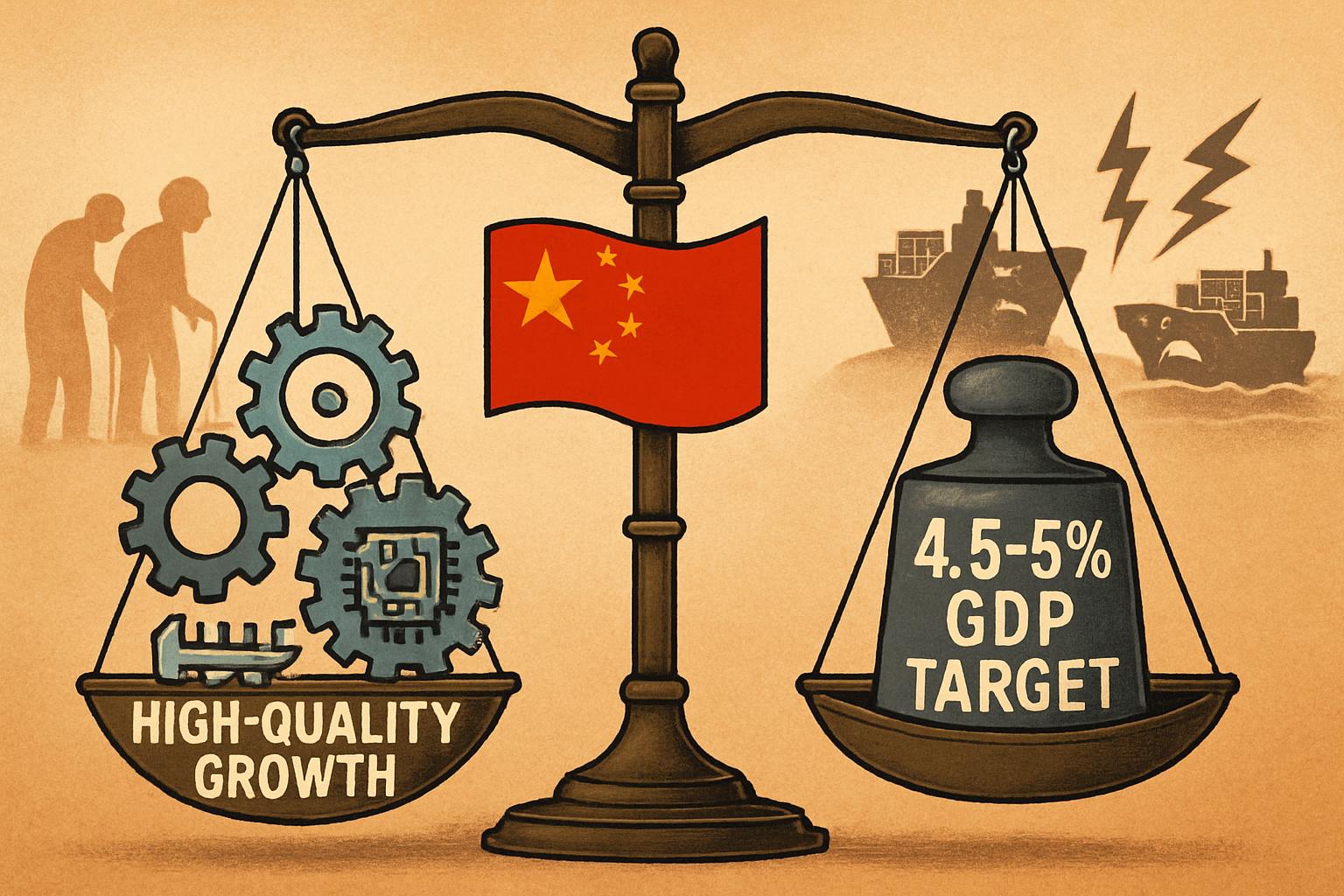
China Sets Lowest GDP Growth Target in Decades Amid Economic Challenges
Cuba Faces Widespread Blackout Amid Deepening Fuel Crisis

UK Faces Dilemmas Amid Iran Conflict and China Spying Allegations
Google Faces Legal Battle Over AI Chatbot's Alleged Role in Tragic Death

Iran Postpones Khamenei Funeral Amid Escalating US-Israeli Strikes
South Korean Court Dismisses Plagiarism Claims Over Viral 'Baby Shark' Song
In This Article
 Sofia Romano| Published
 HIGHLIGHTS
- South Korea's Supreme Court ruled against US composer Jonathan Wright in a copyright case involving the viral children's song "Baby Shark".
- The court upheld previous verdicts favoring Pinkfong, the South Korean company behind the song, stating Wright's version lacked substantial alteration from the original folk song.
- "Baby Shark" by Pinkfong, released in 2016, became the most-viewed YouTube video, surpassing 16 billion views.
- Wright's 2011 version, titled "Baby Shark Song (non-dismemberment version)", was based on a public domain folk song.
- The legal battle began when Wright realized Pinkfong had threatened legal action over the song's use in a political campaign.
South Korea's Supreme Court has concluded a protracted legal dispute by ruling against US composer Jonathan Wright, who alleged that the creators of the globally popular children's song "Baby Shark" plagiarized his work. The court's decision, announced on Thursday, upheld two prior rulings in favor of Pinkfong, the South Korean company responsible for the song's viral success.
Legal Battle Over Copyright Claims
The legal saga began in 2019 when Wright, known by his stage name Johnny Only, filed a lawsuit in Seoul. He claimed that Pinkfong's 2016 rendition of "Baby Shark" copied his 2011 version, which he argued was a unique interpretation of a traditional children's folk song. However, the court determined that Wright's version did not significantly alter the original folk song, which is in the public domain, and thus did not qualify for separate copyright protection.
Phenomenal Success of Pinkfong's 'Baby Shark'
Pinkfong's "Baby Shark" has achieved unprecedented success since its release. The catchy tune, accompanied by a memorable "doo doo doo doo doo doo" refrain, has become the most-viewed video on YouTube, amassing over 16 billion views. Its popularity has led to various adaptations, including TV shows, movies, and smartphone apps, contributing to Pinkfong's financial success.
Origins and Global Impact
The origins of "Baby Shark" trace back to the 1970s in the United States, where it was popularized at summer camps. Various versions existed before Wright's 2011 rendition, including the French "Bébé Requin" and the German "Kleiner Hai," which gained traction in Europe. Despite these earlier adaptations, none matched the viral impact of Pinkfong's version, which even inspired the #BabySharkChallenge on social media and reached the Billboard Hot 100 chart.
Wright's Motivation for Legal Action
Initially, Wright believed that Pinkfong's use of the song was permissible due to its public domain status. However, his perspective shifted when he learned that Pinkfong had threatened legal action against a South Korean political party for using "Baby Shark" in a campaign. This prompted Wright to question whether his version also warranted copyright protection, leading to the legal proceedings.
WHAT THIS MIGHT MEAN
With the court's decision now final, Pinkfong can continue to capitalize on the immense popularity of "Baby Shark" without the looming threat of legal challenges from Wright. The ruling underscores the complexities of copyright law, particularly concerning works derived from public domain material. As the song's influence continues to expand globally, it may prompt further discussions on intellectual property rights in the digital age. Legal experts suggest that this case could serve as a precedent for future disputes involving adaptations of traditional works, highlighting the importance of substantial originality in copyright claims.
Images from the Web
Related Articles
Venezuelan Political Prisoners Seek Amnesty Amidst Hopes for Democratic Transition
China Sets Lowest GDP Growth Target in Decades Amid Economic Challenges
Cuba Faces Widespread Blackout Amid Deepening Fuel Crisis
UK Faces Dilemmas Amid Iran Conflict and China Spying Allegations
Google Faces Legal Battle Over AI Chatbot's Alleged Role in Tragic Death
Iran Postpones Khamenei Funeral Amid Escalating US-Israeli Strikes