
Southern Small White Butterfly Makes Historic Appearance in the UK
In This Article
HIGHLIGHTS
- The Southern Small White butterfly, native to Southern Europe, has been spotted in the UK for the first time.
- The butterfly's northward expansion is attributed to climate change, with sightings in France and Germany since 2008.
- The first UK sightings were confirmed in Hartlepool and Suffolk in July and August 2023.
- The species feeds on candytuft, a garden plant, which could influence its establishment in the UK.
- Butterfly Conservation experts are monitoring the species' progress and potential colonization in Britain.
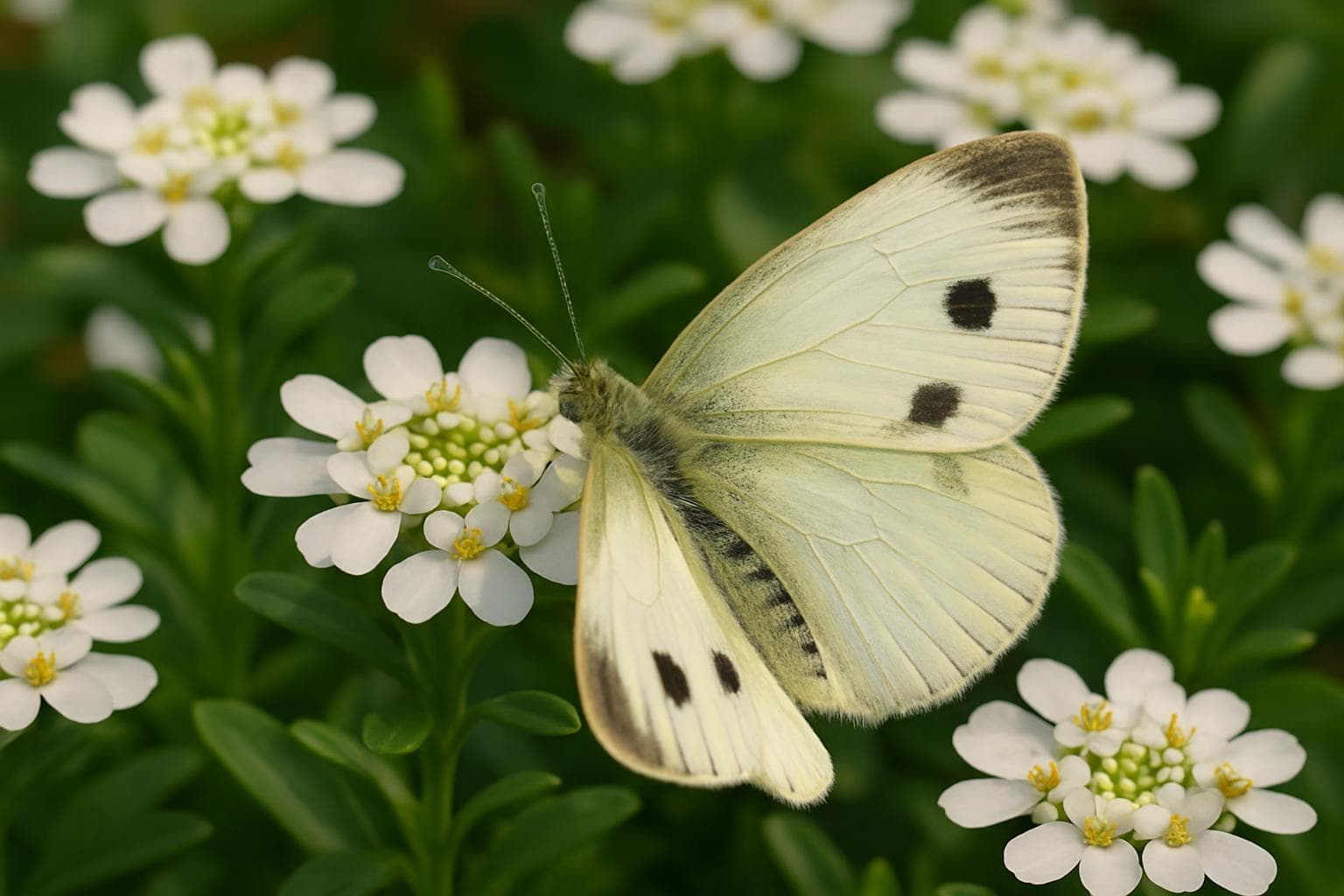
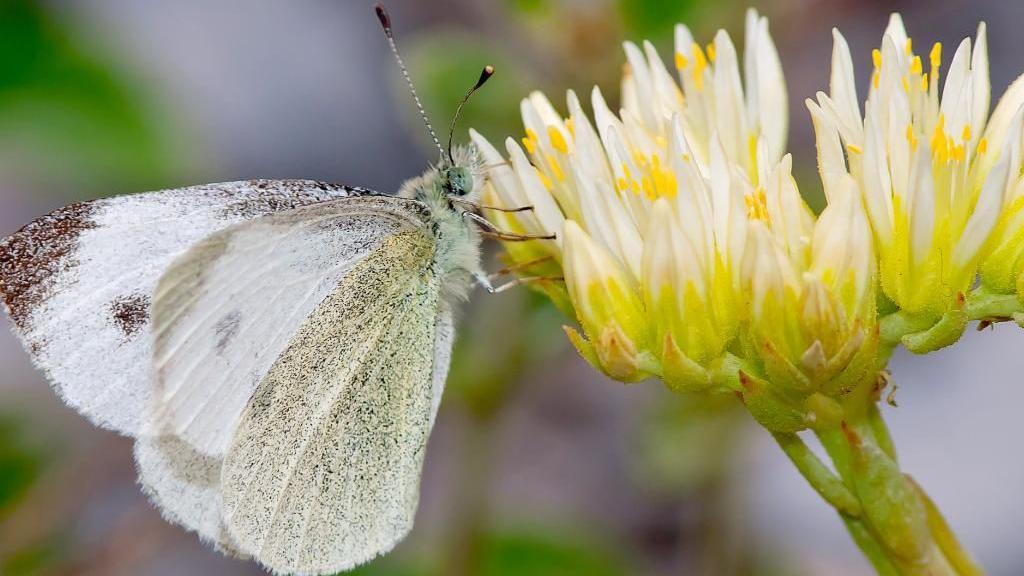
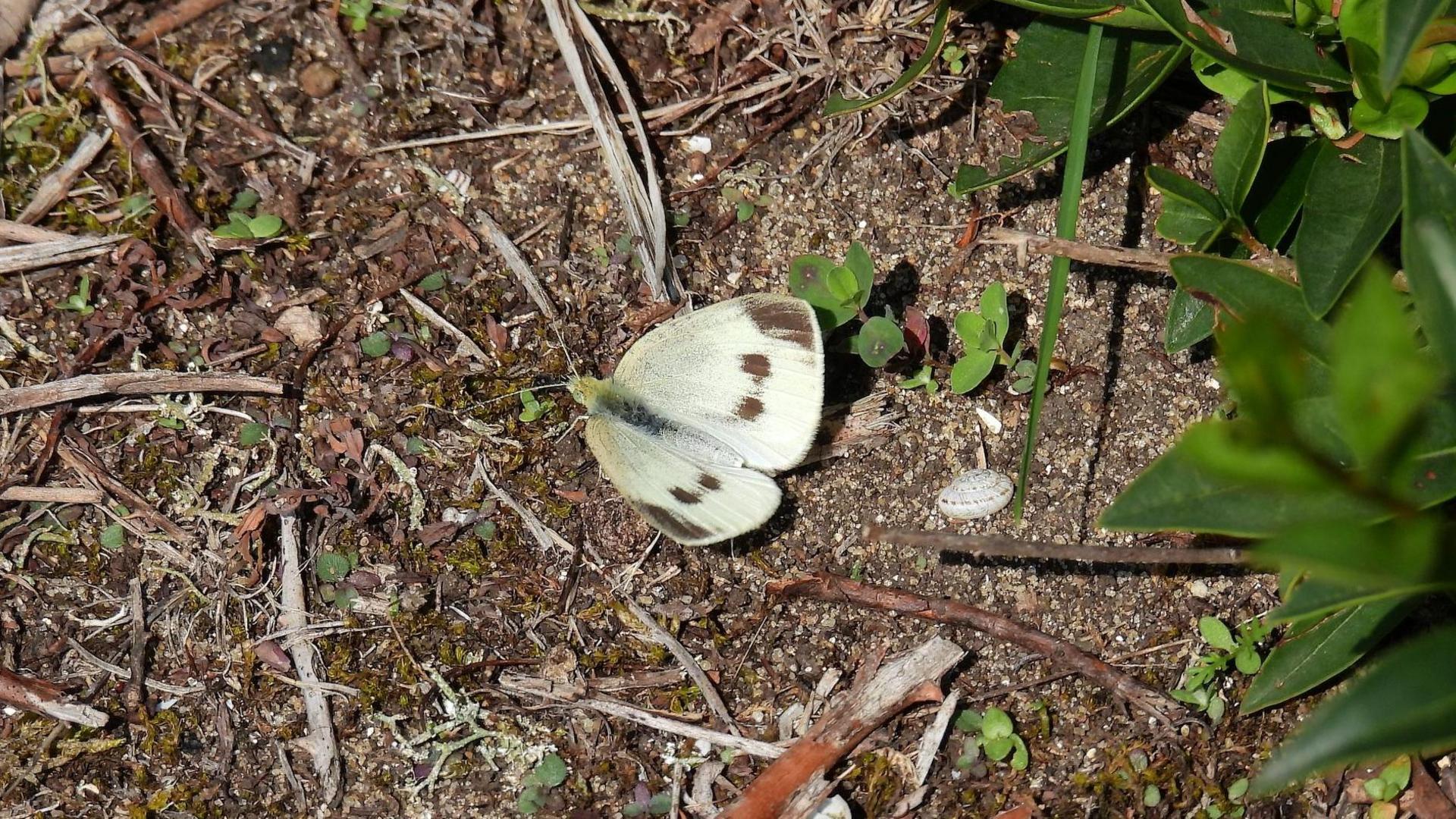
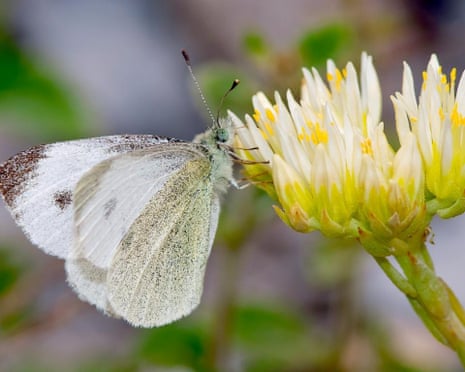
In a remarkable development for British wildlife, the Southern Small White butterfly has been officially recorded in the UK for the first time. This species, previously confined to Southern Europe, has been gradually expanding its range northward, a movement largely attributed to climate change.
A New Arrival in the UK
The Southern Small White butterfly, scientifically known as Pieris mannii, was first spotted in the UK at Hartlepool on July 1, 2023, by birdwatcher Martyn Sidwell. A second sighting occurred on August 2 at the Landguard Nature Reserve in Suffolk, captured by volunteer William Brame. These sightings were verified by Chris van Swaay, chair of Butterfly Conservation Europe, who has been tracking the species' northward journey for years.
Climate Change and Migration
The butterfly's expansion has been rapid since its first appearance north of the Alps in 2008, reaching the Netherlands by 2015 and Calais by 2019. Experts suggest that global warming has facilitated this migration, allowing the species to colonize new territories at an impressive rate of approximately 100 kilometers per year.
Potential for Establishment
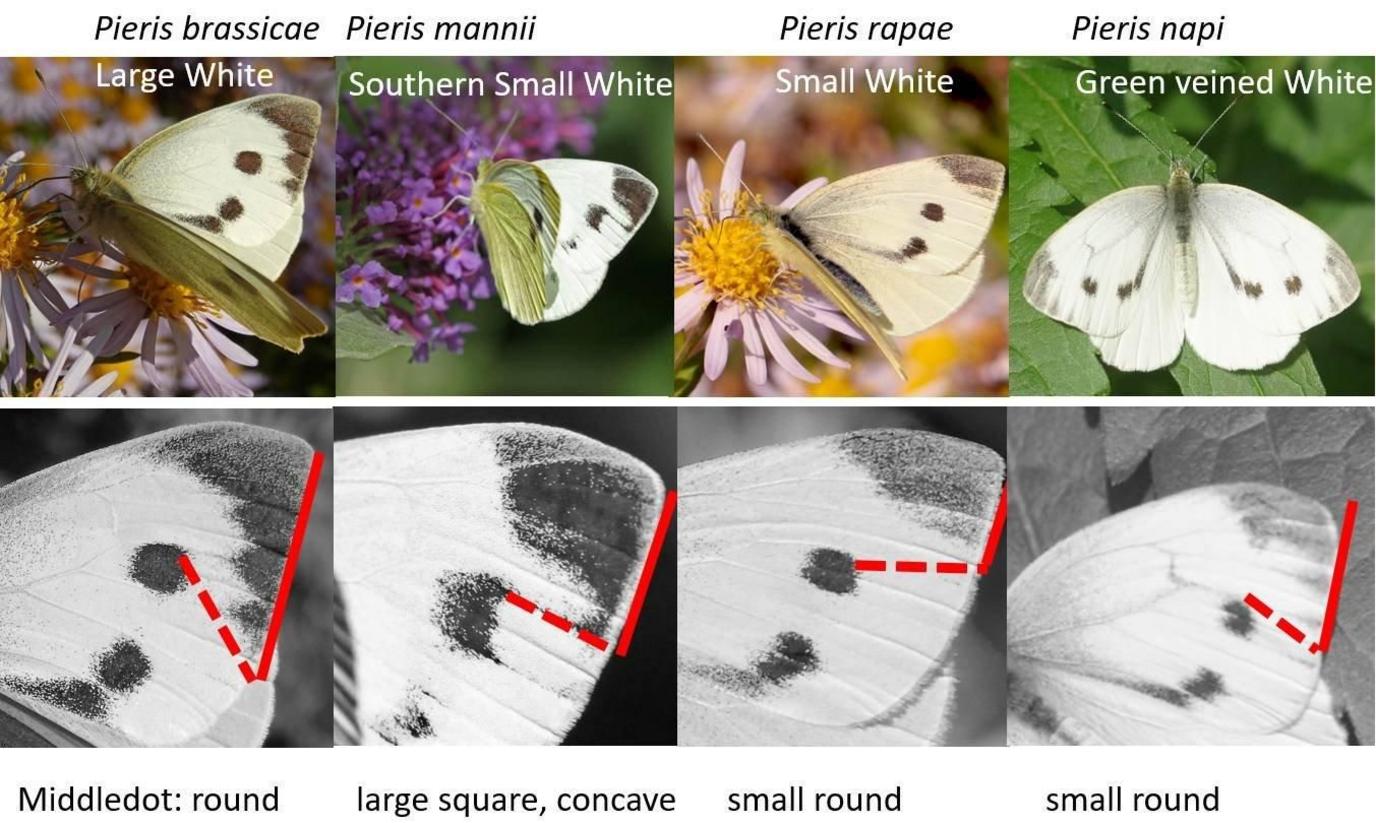
The Southern Small White is distinguished from its native British counterparts by subtle differences in wing markings. Its caterpillars feed on candytuft, an evergreen shrub commonly found in gardens. This dietary preference could play a crucial role in the butterfly's potential establishment in the UK, as noted by Dr. Dan Hoare, Director of Nature Recovery at Butterfly Conservation.
A Broader Ecological Context
The appearance of the Southern Small White follows a trend of other species expanding their range, such as the Jersey Tiger moth, which has seen a significant increase in sightings across the UK. This trend underscores the broader ecological shifts occurring due to climate change, impacting biodiversity and species distribution.
WHAT THIS MIGHT MEAN
The arrival of the Southern Small White butterfly in the UK raises questions about the long-term impacts of climate change on local biodiversity. If the species establishes itself, it could signal further shifts in the UK's ecological landscape. Experts will continue to monitor its progress, assessing the potential for permanent colonization and its effects on native species. As climate change continues to alter habitats, the UK may see more southern European species making their way across the Channel, prompting a reevaluation of conservation strategies to protect native wildlife.
Images from the Web
Related Articles

UK Government to Reform Asylum Seeker Support and Employment Policies

UK Faces Dilemmas Amid Iran Conflict and China Spying Allegations

UK Reinforces Military Presence in Cyprus Amid Middle East Tensions

UK-Iran Tensions: Starmer Defends Cautious Approach Amid Trump Criticism

Persistent Safety Concerns in Nottingham Maternity Services Amidst Calls for Systemic Reform

Diplomatic Tensions Rise as Trump Criticizes Starmer's Iran Policy
Southern Small White Butterfly Makes Historic Appearance in the UK
In This Article
 Ethan Brooks| Published
 HIGHLIGHTS
- The Southern Small White butterfly, native to Southern Europe, has been spotted in the UK for the first time.
- The butterfly's northward expansion is attributed to climate change, with sightings in France and Germany since 2008.
- The first UK sightings were confirmed in Hartlepool and Suffolk in July and August 2023.
- The species feeds on candytuft, a garden plant, which could influence its establishment in the UK.
- Butterfly Conservation experts are monitoring the species' progress and potential colonization in Britain.
In a remarkable development for British wildlife, the Southern Small White butterfly has been officially recorded in the UK for the first time. This species, previously confined to Southern Europe, has been gradually expanding its range northward, a movement largely attributed to climate change.
A New Arrival in the UK
The Southern Small White butterfly, scientifically known as Pieris mannii, was first spotted in the UK at Hartlepool on July 1, 2023, by birdwatcher Martyn Sidwell. A second sighting occurred on August 2 at the Landguard Nature Reserve in Suffolk, captured by volunteer William Brame. These sightings were verified by Chris van Swaay, chair of Butterfly Conservation Europe, who has been tracking the species' northward journey for years.
Climate Change and Migration
The butterfly's expansion has been rapid since its first appearance north of the Alps in 2008, reaching the Netherlands by 2015 and Calais by 2019. Experts suggest that global warming has facilitated this migration, allowing the species to colonize new territories at an impressive rate of approximately 100 kilometers per year.
Potential for Establishment
The Southern Small White is distinguished from its native British counterparts by subtle differences in wing markings. Its caterpillars feed on candytuft, an evergreen shrub commonly found in gardens. This dietary preference could play a crucial role in the butterfly's potential establishment in the UK, as noted by Dr. Dan Hoare, Director of Nature Recovery at Butterfly Conservation.
A Broader Ecological Context
The appearance of the Southern Small White follows a trend of other species expanding their range, such as the Jersey Tiger moth, which has seen a significant increase in sightings across the UK. This trend underscores the broader ecological shifts occurring due to climate change, impacting biodiversity and species distribution.
WHAT THIS MIGHT MEAN
The arrival of the Southern Small White butterfly in the UK raises questions about the long-term impacts of climate change on local biodiversity. If the species establishes itself, it could signal further shifts in the UK's ecological landscape. Experts will continue to monitor its progress, assessing the potential for permanent colonization and its effects on native species. As climate change continues to alter habitats, the UK may see more southern European species making their way across the Channel, prompting a reevaluation of conservation strategies to protect native wildlife.
Images from the Web
Related Articles
UK Government to Reform Asylum Seeker Support and Employment Policies
UK Faces Dilemmas Amid Iran Conflict and China Spying Allegations
UK Reinforces Military Presence in Cyprus Amid Middle East Tensions
UK-Iran Tensions: Starmer Defends Cautious Approach Amid Trump Criticism
Persistent Safety Concerns in Nottingham Maternity Services Amidst Calls for Systemic Reform
Diplomatic Tensions Rise as Trump Criticizes Starmer's Iran Policy