
Southern Water Faces Backlash Over Massive Plastic Biobead Spill on Camber Sands
In This Article
HIGHLIGHTS
- Southern Water has admitted responsibility for a significant plastic biobead spill on Camber Sands, East Sussex, caused by a mechanical failure at its Eastbourne wastewater treatment plant.
- The spill, described as the worst pollution event by local environmental groups, has led to a massive cleanup effort involving volunteers and local authorities.
- The Environment Agency is investigating the incident and may take enforcement action against Southern Water.
- The biobeads, containing harmful toxins, pose a threat to marine life, potentially causing health issues if ingested by sea creatures.
- Water Minister Emma Hardy expressed deep disappointment, emphasizing the need for immediate environmental damage control.
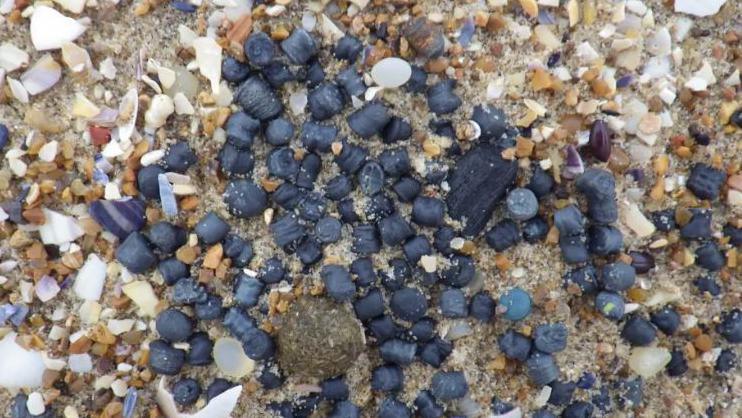
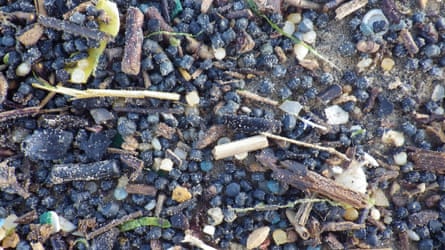
Southern Water has come under intense scrutiny following a major spill of plastic biobeads that has polluted the picturesque Camber Sands in East Sussex. The company has acknowledged that a mechanical failure at its Eastbourne wastewater treatment plant led to the release of millions of these beads, which are used in the final stages of water treatment.
Environmental Impact and Cleanup Efforts
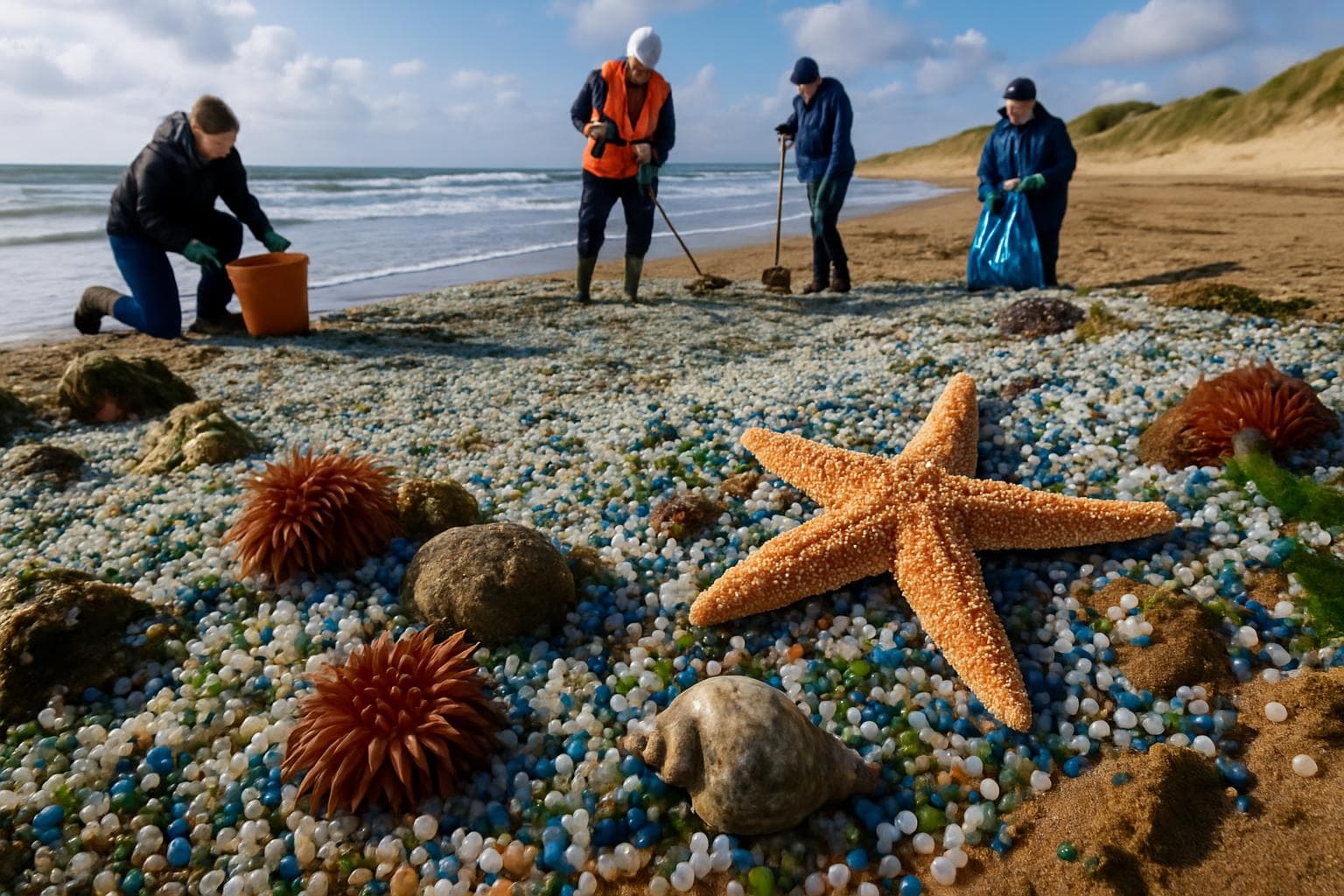
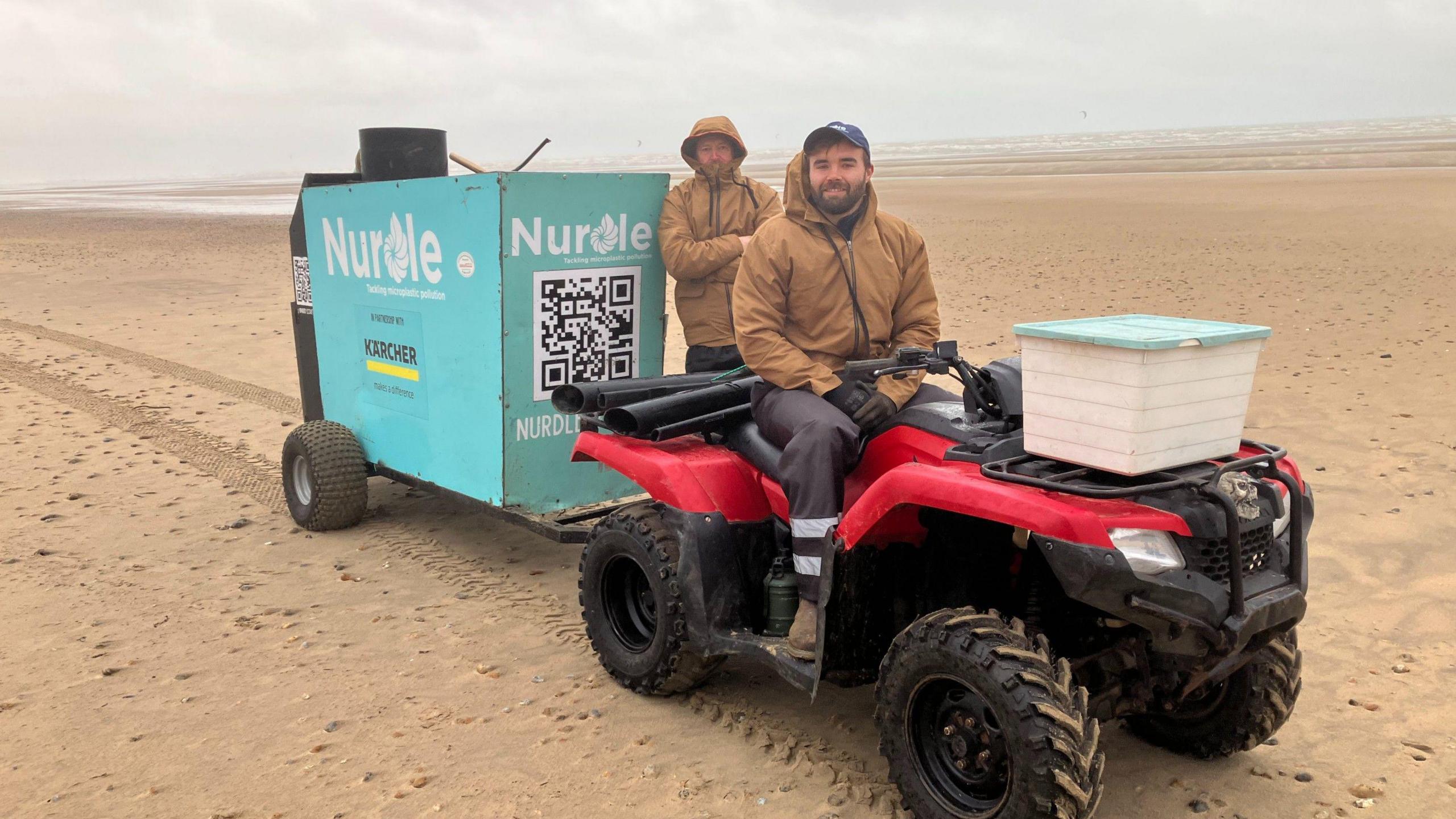
The spill has been described by local environmental groups as the most severe pollution incident they have encountered. Volunteers and local authorities, including Rother District Council, have been tirelessly working to clean up the affected beaches. Josh Beech, founder of the non-profit organization Nurdle, noted the unprecedented scale of the pollution, stating, "This is tonnes and tonnes of pollution on quite a small stretch of coastline."
Threat to Marine Life
The biobeads, which contain harmful toxins such as polycyclic aromatic hydrocarbons, pose a significant threat to marine life. These toxins can be ingested by sea creatures, leading to potential health issues. Dominic Manning from the campaign group Strandliners highlighted the urgency of the situation, warning that the beads could wash up anywhere along the Sussex or Kent coastlines.
Official Responses and Investigations
Southern Water has expressed regret over the incident, with a spokesperson stating, "We are very sorry this has happened and are doing everything possible to investigate and resolve the problem." The Environment Agency has launched an active investigation and has not ruled out taking enforcement action against the company. Water Minister Emma Hardy voiced her disappointment, emphasizing the need for immediate measures to address the environmental damage.
Community and Political Reactions
Local MP Helena Dollimore visited the site, describing the situation as "overwhelming" and criticized Southern Water for failing to detect the spill sooner. She stated, "It beggars belief that Southern Water failed to detect the loss of millions of biobeads for an entire fortnight."
WHAT THIS MIGHT MEAN
The ongoing investigation by the Environment Agency could lead to significant legal repercussions for Southern Water, including potential fines or other enforcement actions. The incident has also sparked a broader conversation about the environmental responsibilities of utility companies and the need for stricter regulations to prevent similar occurrences in the future. As cleanup efforts continue, the focus will likely remain on mitigating the environmental impact and ensuring the protection of marine life along the Sussex coastline. The situation underscores the importance of robust infrastructure and monitoring systems to prevent such environmental disasters.
Images from the Web

Related Articles
Flood Risk and Housing Development: A Growing Concern in England
New Swimming Sites Proposed to Boost Water Quality Across England
Massive Illegal Waste Dumps in Merseyside and Wigan Spark Environmental Concerns
UK's PFAS Action Plan Faces Criticism Amid Environmental Concerns
Rising Waters in Somerset Prompt Major Incident Declaration Amidst Climate Concerns
South West Water Faces Legal Repercussions Over Devon Parasite Outbreak
Southern Water Faces Backlash Over Massive Plastic Biobead Spill on Camber Sands
In This Article
 Leila Hassan| Published
 HIGHLIGHTS
- Southern Water has admitted responsibility for a significant plastic biobead spill on Camber Sands, East Sussex, caused by a mechanical failure at its Eastbourne wastewater treatment plant.
- The spill, described as the worst pollution event by local environmental groups, has led to a massive cleanup effort involving volunteers and local authorities.
- The Environment Agency is investigating the incident and may take enforcement action against Southern Water.
- The biobeads, containing harmful toxins, pose a threat to marine life, potentially causing health issues if ingested by sea creatures.
- Water Minister Emma Hardy expressed deep disappointment, emphasizing the need for immediate environmental damage control.
Southern Water has come under intense scrutiny following a major spill of plastic biobeads that has polluted the picturesque Camber Sands in East Sussex. The company has acknowledged that a mechanical failure at its Eastbourne wastewater treatment plant led to the release of millions of these beads, which are used in the final stages of water treatment.
Environmental Impact and Cleanup Efforts
The spill has been described by local environmental groups as the most severe pollution incident they have encountered. Volunteers and local authorities, including Rother District Council, have been tirelessly working to clean up the affected beaches. Josh Beech, founder of the non-profit organization Nurdle, noted the unprecedented scale of the pollution, stating, "This is tonnes and tonnes of pollution on quite a small stretch of coastline."
Threat to Marine Life
The biobeads, which contain harmful toxins such as polycyclic aromatic hydrocarbons, pose a significant threat to marine life. These toxins can be ingested by sea creatures, leading to potential health issues. Dominic Manning from the campaign group Strandliners highlighted the urgency of the situation, warning that the beads could wash up anywhere along the Sussex or Kent coastlines.
Official Responses and Investigations
Southern Water has expressed regret over the incident, with a spokesperson stating, "We are very sorry this has happened and are doing everything possible to investigate and resolve the problem." The Environment Agency has launched an active investigation and has not ruled out taking enforcement action against the company. Water Minister Emma Hardy voiced her disappointment, emphasizing the need for immediate measures to address the environmental damage.
Community and Political Reactions
Local MP Helena Dollimore visited the site, describing the situation as "overwhelming" and criticized Southern Water for failing to detect the spill sooner. She stated, "It beggars belief that Southern Water failed to detect the loss of millions of biobeads for an entire fortnight."
WHAT THIS MIGHT MEAN
The ongoing investigation by the Environment Agency could lead to significant legal repercussions for Southern Water, including potential fines or other enforcement actions. The incident has also sparked a broader conversation about the environmental responsibilities of utility companies and the need for stricter regulations to prevent similar occurrences in the future. As cleanup efforts continue, the focus will likely remain on mitigating the environmental impact and ensuring the protection of marine life along the Sussex coastline. The situation underscores the importance of robust infrastructure and monitoring systems to prevent such environmental disasters.
Images from the Web
Related Articles
Flood Risk and Housing Development: A Growing Concern in England
New Swimming Sites Proposed to Boost Water Quality Across England
Massive Illegal Waste Dumps in Merseyside and Wigan Spark Environmental Concerns
UK's PFAS Action Plan Faces Criticism Amid Environmental Concerns
Rising Waters in Somerset Prompt Major Incident Declaration Amidst Climate Concerns
South West Water Faces Legal Repercussions Over Devon Parasite Outbreak