
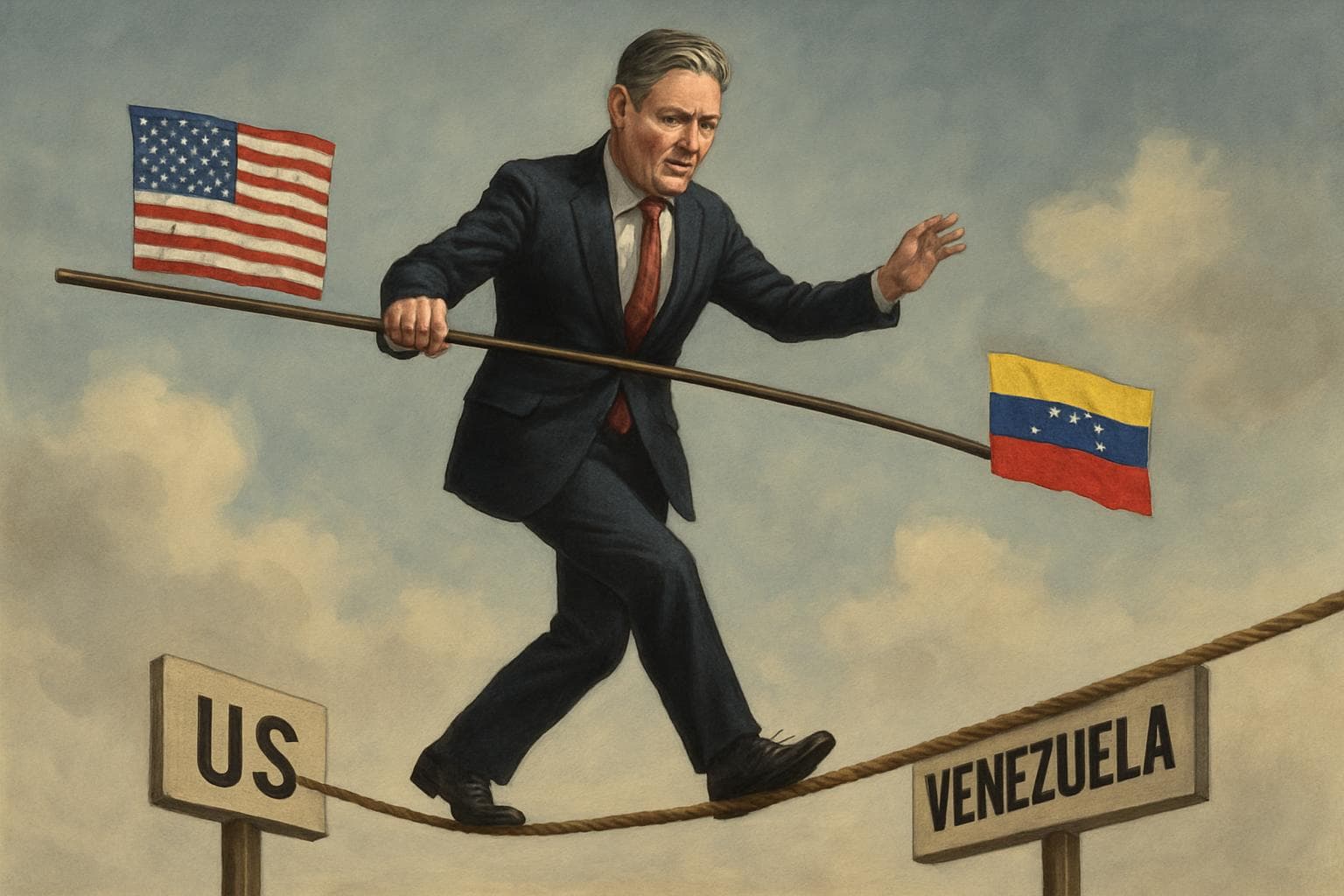
Starmer's Diplomatic Balancing Act: Navigating the Fallout of the Venezuela Raid
In This Article
HIGHLIGHTS
- UK Prime Minister Keir Starmer has opted for a cautious diplomatic approach following the US-led raid in Venezuela, avoiding direct criticism of President Trump.
- The UK government has faced criticism from political opponents for not condemning the US action, which some argue could embolden other nations like China and Russia.
- Starmer's strategy is seen as a pragmatic move to maintain strong UK-US relations, especially with significant trade deals and geopolitical interests at stake.
- The raid, which resulted in the capture of Venezuelan President Nicolás Maduro, has sparked debate over international law and the ethics of regime change.
- Some UK officials express discomfort with the government's stance, fearing it sets a dangerous precedent for future international interventions.
In the wake of the United States' dramatic raid in Venezuela, which saw the capture of President Nicolás Maduro, UK Prime Minister Keir Starmer has chosen a path of diplomatic caution. This approach, characterized by a reluctance to publicly criticize US President Donald Trump, underscores a strategic effort to preserve the UK's crucial relationship with the United States.
A Calculated Silence
The UK government's response to the US operation in Venezuela has been notably muted. Despite Labour's manifesto commitment to uphold international law, Prime Minister Starmer, a former human rights lawyer, has refrained from condemning the US action. Instead, he has emphasized the UK's longstanding support for a peaceful transition of power in Venezuela. This stance, however, has drawn criticism from political opponents, including the Liberal Democrats and the Green Party, who argue that the lack of condemnation could embolden other global powers like China and Russia.
Political and Economic Considerations
Starmer's strategy appears to be driven by a desire to maintain strong UK-US relations, particularly in light of significant trade deals and geopolitical interests. The prime minister's supporters highlight the benefits of this approach, pointing to past successes such as securing a deal with Washington that mitigated the impact of US tariffs on UK industries. However, some within the UK government express unease, fearing that the lack of a firm stance against the US action could set a dangerous precedent for future international interventions.
The Ethical Dilemma
The US-led raid, justified by President Trump as a move against "narco-terrorism," has sparked a broader debate over the ethics of regime change and the boundaries of international law. Critics argue that the operation, which effectively removed a sitting head of state, challenges the principles of sovereignty and could lead to further instability in the region. As one UK official noted, "Nobody thinks Maduro was a good guy, but effectively kidnapping a head of state to achieve regime change sets you on a dangerous path."
WHAT THIS MIGHT MEAN
Looking ahead, the UK's diplomatic strategy will likely continue to prioritize maintaining a stable relationship with the US, especially as negotiations for a multibillion-pound trade deal progress. However, the government's cautious approach may face increasing scrutiny both domestically and internationally, particularly if similar interventions occur in other regions. Experts suggest that the UK may need to balance its realpolitik considerations with a more vocal commitment to international law to avoid potential long-term geopolitical repercussions. As the situation evolves, the challenge for Starmer will be to navigate these complex dynamics while safeguarding the UK's strategic interests on the global stage.
Related Articles

UK Faces Dilemmas Amid Iran Conflict and China Spying Allegations

Labour MP's Husband Arrested in UK-China Espionage Probe

UK-Iran Tensions: Starmer Defends Cautious Approach Amid Trump Criticism
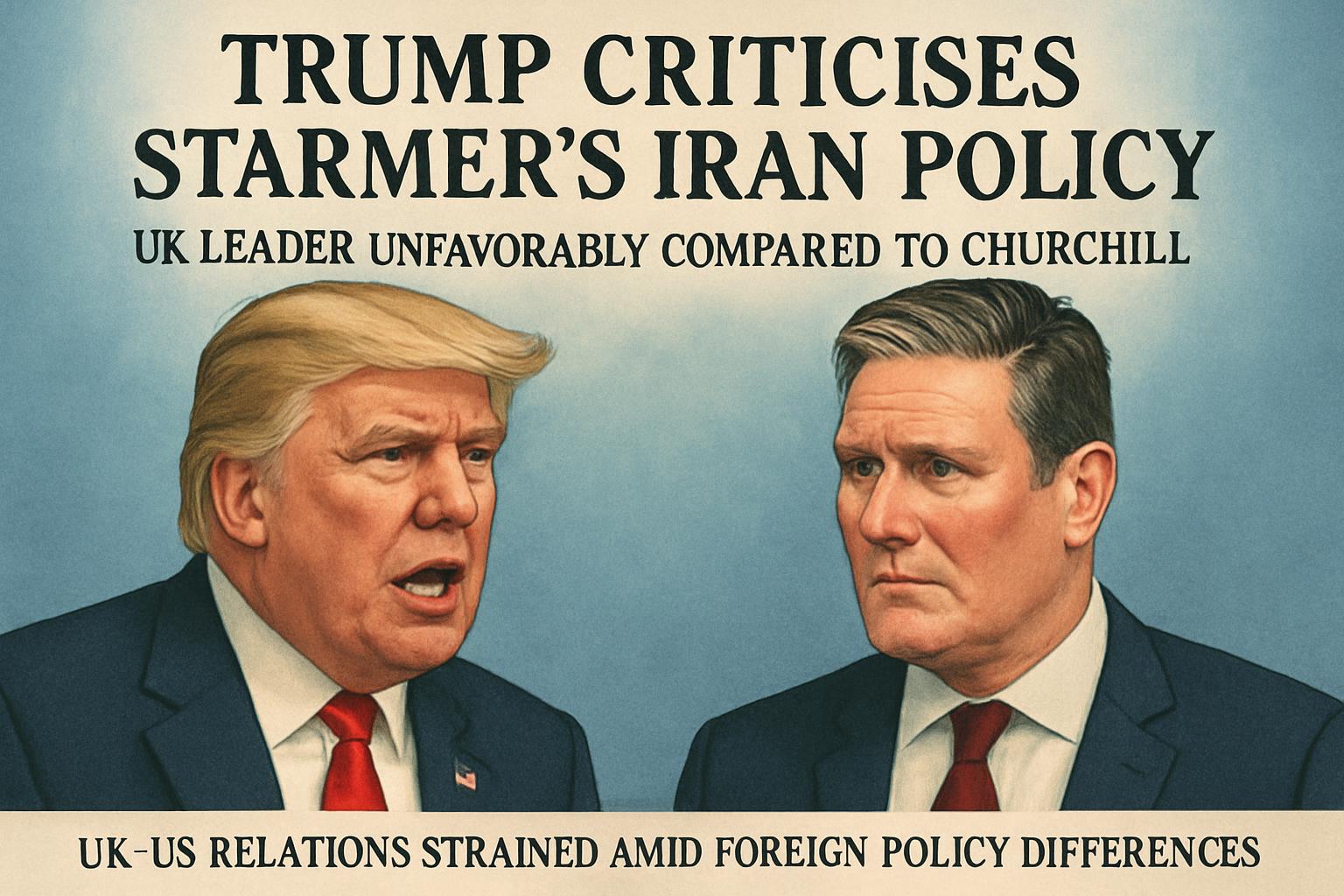
Diplomatic Tensions Rise as Trump Criticizes Starmer's Iran Policy

UK Government to Reform Asylum Seeker Support and Employment Policies
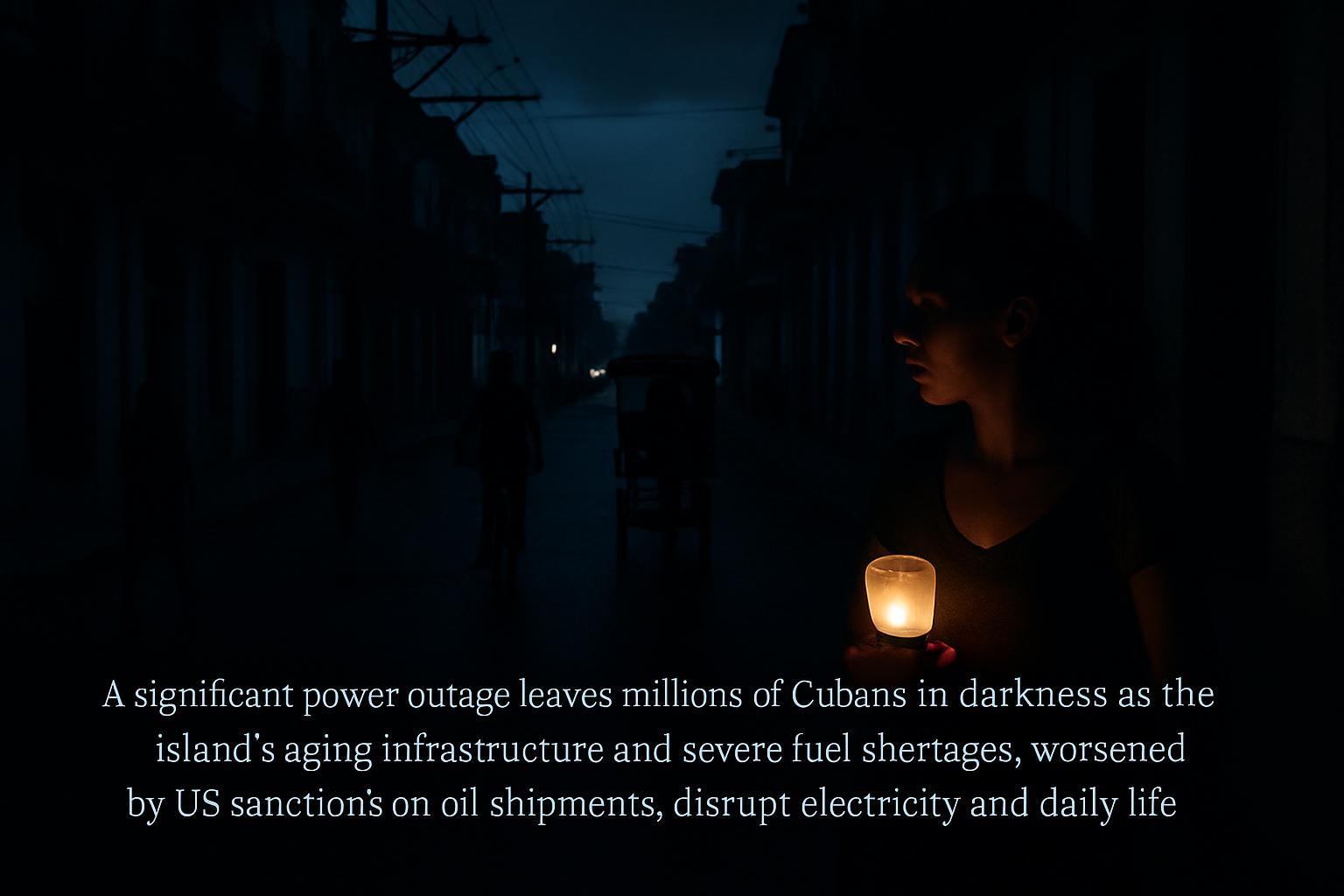
Cuba Faces Widespread Blackout Amid Deepening Fuel Crisis
Starmer's Diplomatic Balancing Act: Navigating the Fallout of the Venezuela Raid
In This Article
 Ethan Brooks| Published
 HIGHLIGHTS
- UK Prime Minister Keir Starmer has opted for a cautious diplomatic approach following the US-led raid in Venezuela, avoiding direct criticism of President Trump.
- The UK government has faced criticism from political opponents for not condemning the US action, which some argue could embolden other nations like China and Russia.
- Starmer's strategy is seen as a pragmatic move to maintain strong UK-US relations, especially with significant trade deals and geopolitical interests at stake.
- The raid, which resulted in the capture of Venezuelan President Nicolás Maduro, has sparked debate over international law and the ethics of regime change.
- Some UK officials express discomfort with the government's stance, fearing it sets a dangerous precedent for future international interventions.
In the wake of the United States' dramatic raid in Venezuela, which saw the capture of President Nicolás Maduro, UK Prime Minister Keir Starmer has chosen a path of diplomatic caution. This approach, characterized by a reluctance to publicly criticize US President Donald Trump, underscores a strategic effort to preserve the UK's crucial relationship with the United States.
A Calculated Silence
The UK government's response to the US operation in Venezuela has been notably muted. Despite Labour's manifesto commitment to uphold international law, Prime Minister Starmer, a former human rights lawyer, has refrained from condemning the US action. Instead, he has emphasized the UK's longstanding support for a peaceful transition of power in Venezuela. This stance, however, has drawn criticism from political opponents, including the Liberal Democrats and the Green Party, who argue that the lack of condemnation could embolden other global powers like China and Russia.
Political and Economic Considerations
Starmer's strategy appears to be driven by a desire to maintain strong UK-US relations, particularly in light of significant trade deals and geopolitical interests. The prime minister's supporters highlight the benefits of this approach, pointing to past successes such as securing a deal with Washington that mitigated the impact of US tariffs on UK industries. However, some within the UK government express unease, fearing that the lack of a firm stance against the US action could set a dangerous precedent for future international interventions.
The Ethical Dilemma
The US-led raid, justified by President Trump as a move against "narco-terrorism," has sparked a broader debate over the ethics of regime change and the boundaries of international law. Critics argue that the operation, which effectively removed a sitting head of state, challenges the principles of sovereignty and could lead to further instability in the region. As one UK official noted, "Nobody thinks Maduro was a good guy, but effectively kidnapping a head of state to achieve regime change sets you on a dangerous path."
WHAT THIS MIGHT MEAN
Looking ahead, the UK's diplomatic strategy will likely continue to prioritize maintaining a stable relationship with the US, especially as negotiations for a multibillion-pound trade deal progress. However, the government's cautious approach may face increasing scrutiny both domestically and internationally, particularly if similar interventions occur in other regions. Experts suggest that the UK may need to balance its realpolitik considerations with a more vocal commitment to international law to avoid potential long-term geopolitical repercussions. As the situation evolves, the challenge for Starmer will be to navigate these complex dynamics while safeguarding the UK's strategic interests on the global stage.
Related Articles
UK Faces Dilemmas Amid Iran Conflict and China Spying Allegations
Labour MP's Husband Arrested in UK-China Espionage Probe
UK-Iran Tensions: Starmer Defends Cautious Approach Amid Trump Criticism
Diplomatic Tensions Rise as Trump Criticizes Starmer's Iran Policy
UK Government to Reform Asylum Seeker Support and Employment Policies
Cuba Faces Widespread Blackout Amid Deepening Fuel Crisis