
Starmer's Downing Street Shake-Up: A Bid to Reclaim Economic Control

In This Article
HIGHLIGHTS
- Keir Starmer has restructured his Downing Street team, creating new roles to strengthen economic policy control.
- Darren Jones and Minouche Shafik have been appointed to key positions, signaling a focus on economic expertise.
- The shake-up aims to address perceived failures in Starmer's first year and prepare for a challenging autumn Budget.
- The changes are seen as an attempt to regain control from the Treasury and improve Labour's poll standings.
- Starmer's leadership style is characterized by a willingness to make significant personnel changes to achieve his goals.
In a significant reshuffle at Downing Street, UK Labour leader Keir Starmer has introduced new senior roles to bolster his economic team, aiming to wrest control of policy from the Treasury. This strategic move comes as the government braces for a potentially tumultuous autumn, with the upcoming Budget set to be a defining moment for Starmer's administration.
New Appointments Signal Economic Focus
Darren Jones, previously second in command to Chancellor Rachel Reeves, has been appointed Chief Secretary, while Minouche Shafik, a former deputy governor of the Bank of England, takes on the role of Chief Economic Adviser. These appointments reflect Starmer's intent to inject economic expertise into his team, addressing criticisms of sluggishness and inefficiency within his administration.
Addressing Past Challenges and Preparing for the Future
The reshuffle is not just about personnel changes but also about establishing clearer structures within Downing Street. Previously, multiple individuals held overlapping roles, leading to inefficiencies. By streamlining his team, Starmer aims to enhance coordination and effectiveness, particularly in economic policy, which has been a point of contention.
Political Implications and Leadership Style
Starmer's decision to reorganize his team has sparked discussions about his leadership style. Known for his willingness to make tough decisions, Starmer has not hesitated to demote or replace close allies if it serves the broader goals of his administration. This shake-up is seen as a reflection of his determination to correct past missteps and assert greater control over government operations.
A Strategic Move Amidst Political Challenges
The reshuffle also comes at a time when Labour is facing challenges from Reform UK and other political forces. By strengthening his economic team, Starmer aims to regain momentum and improve Labour's standing in the polls. The changes are designed to give him a direct line of sight over key decisions, particularly those related to the economy and migration, which have dominated recent political discourse.
WHAT THIS MIGHT MEAN
As the UK approaches the autumn Budget, Starmer's reshuffle could have significant implications for both his leadership and the Labour Party's future. By asserting greater control over economic policy, he may be able to present a more unified and effective government, potentially boosting Labour's appeal to voters. However, the success of this strategy will depend on the ability of his new team to deliver tangible results in a challenging economic climate.
The reshuffle also raises questions about the balance of power between Downing Street and the Treasury. If successful, Starmer's approach could set a precedent for future administrations, emphasizing the importance of economic expertise and centralized control in government operations. However, any missteps could lead to further scrutiny and criticism, both from within his party and from political opponents.
Related Articles
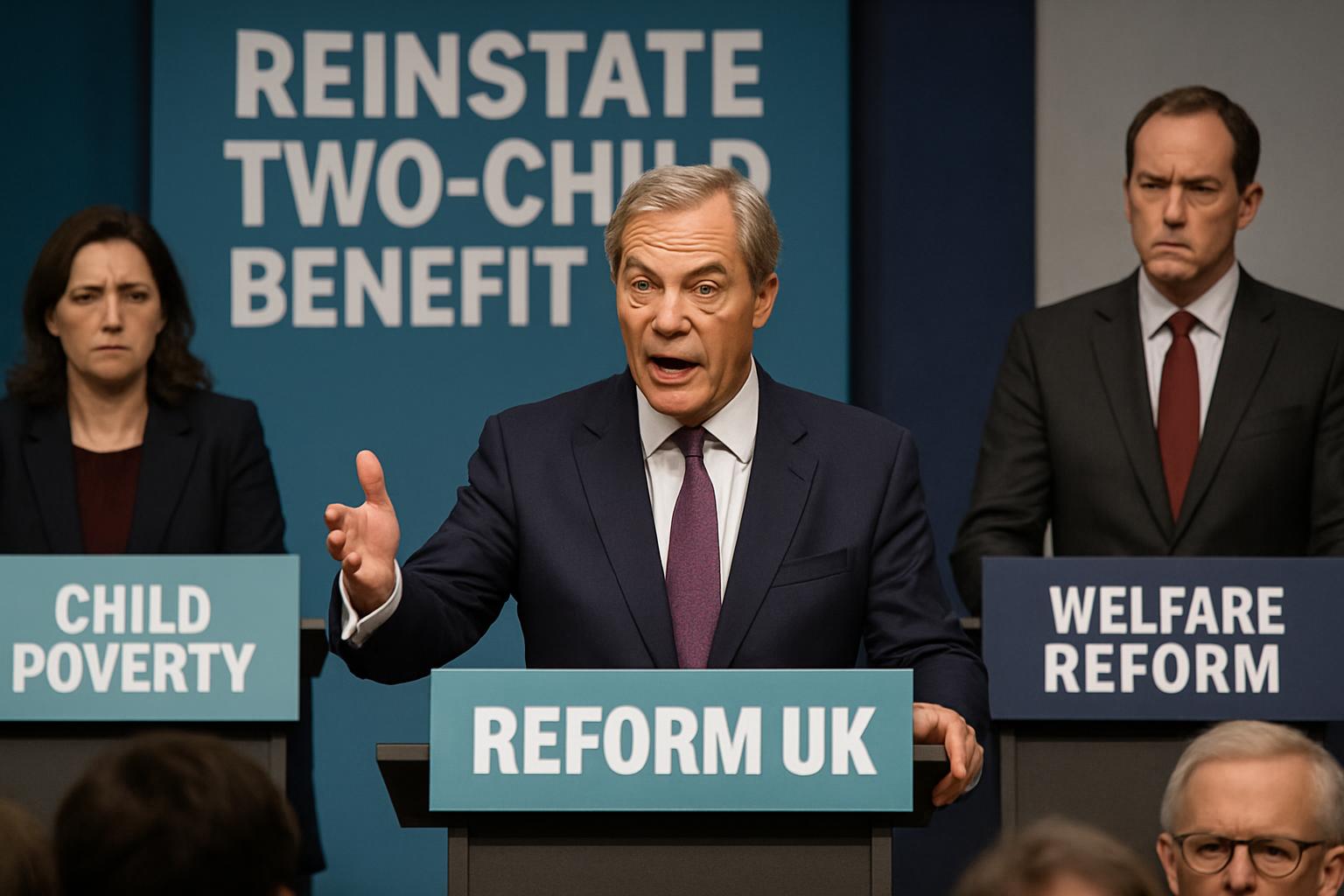
Reform UK to Reinstate Two-Child Benefit Cap Amidst Political Controversy

Middle East Conflict Drives UK Energy Prices to New Highs
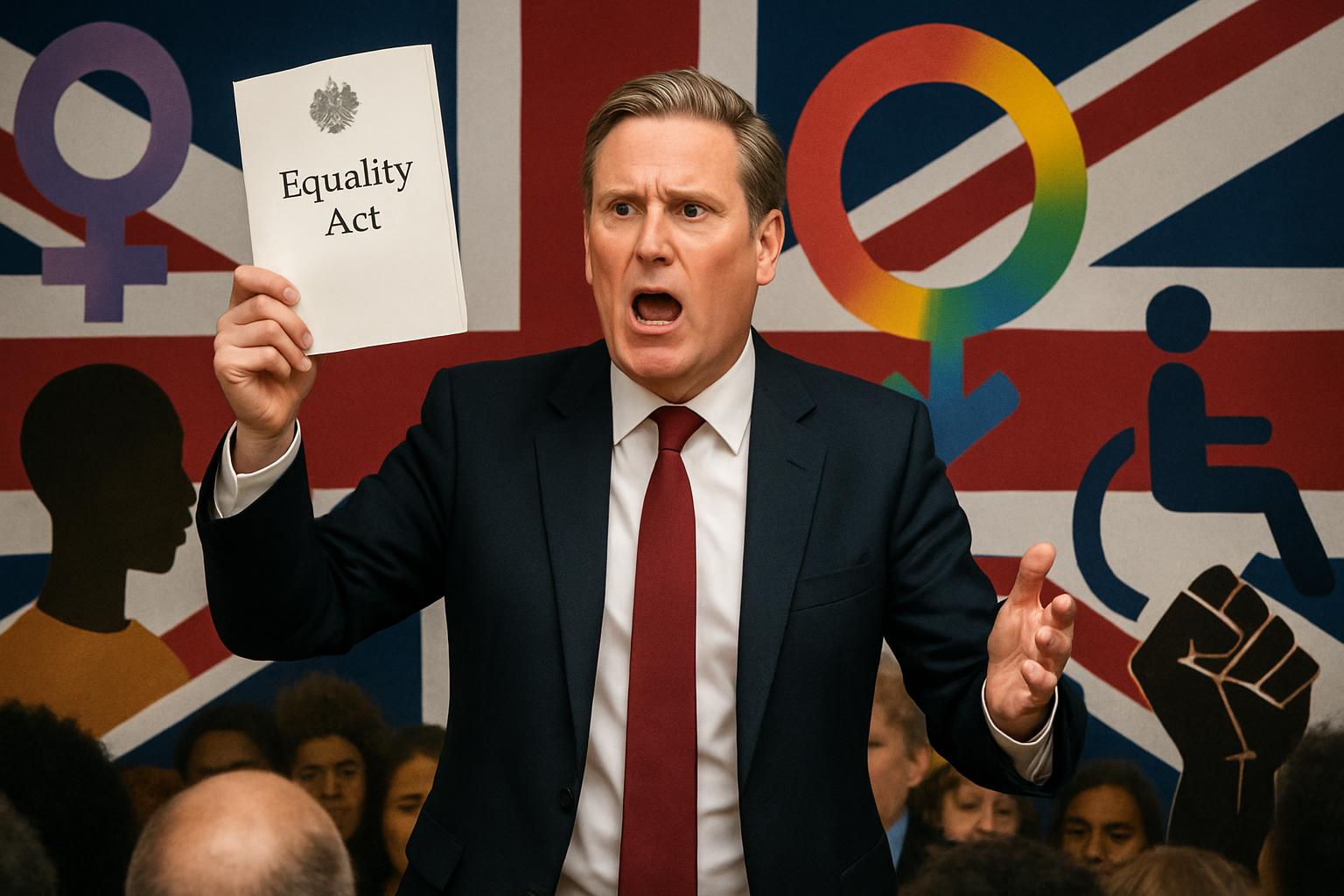
Starmer Condemns Reform UK's Plan to Repeal Equality Act as Un-British
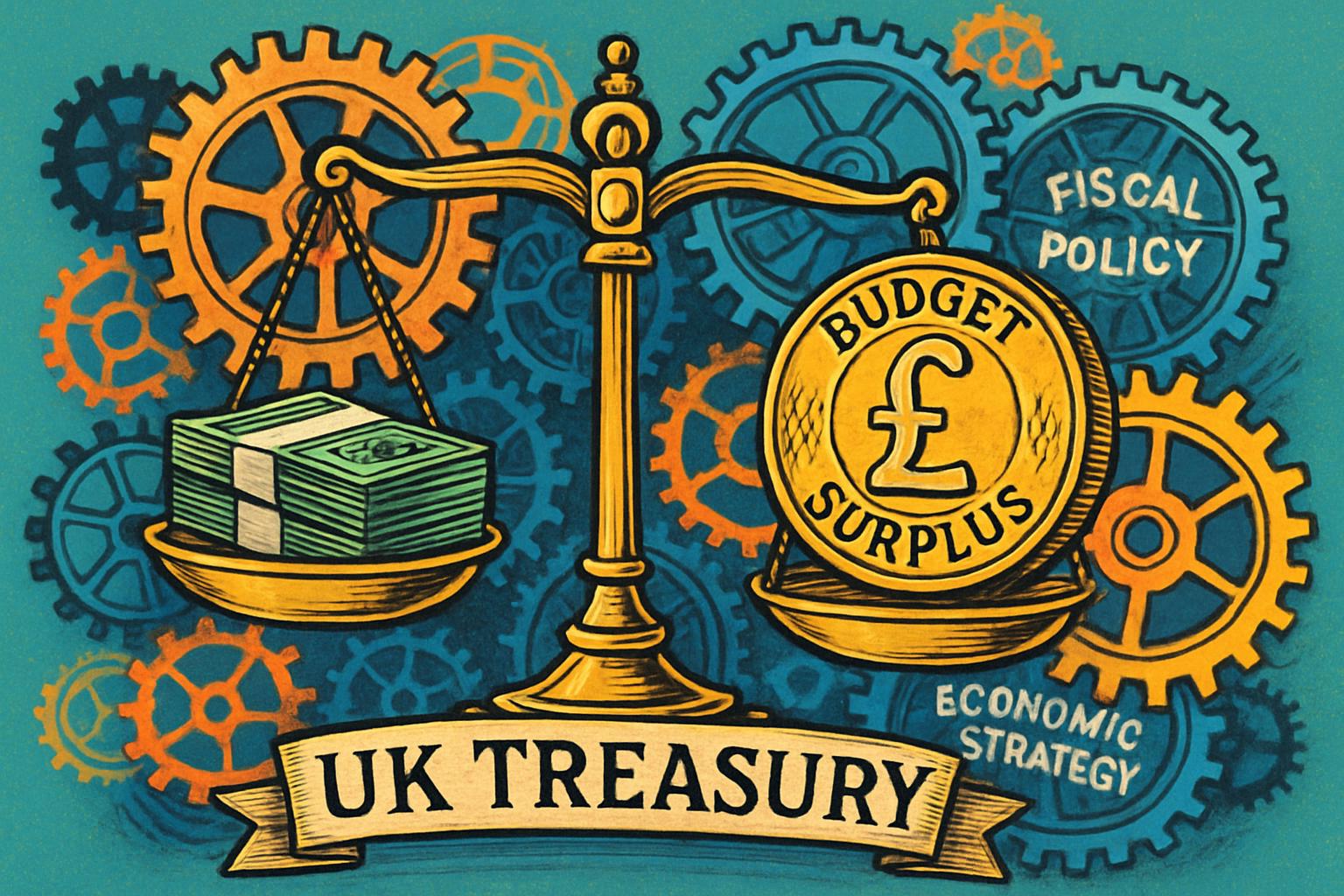
UK Achieves Record Budget Surplus Amid Calls for Fiscal Policy Reform
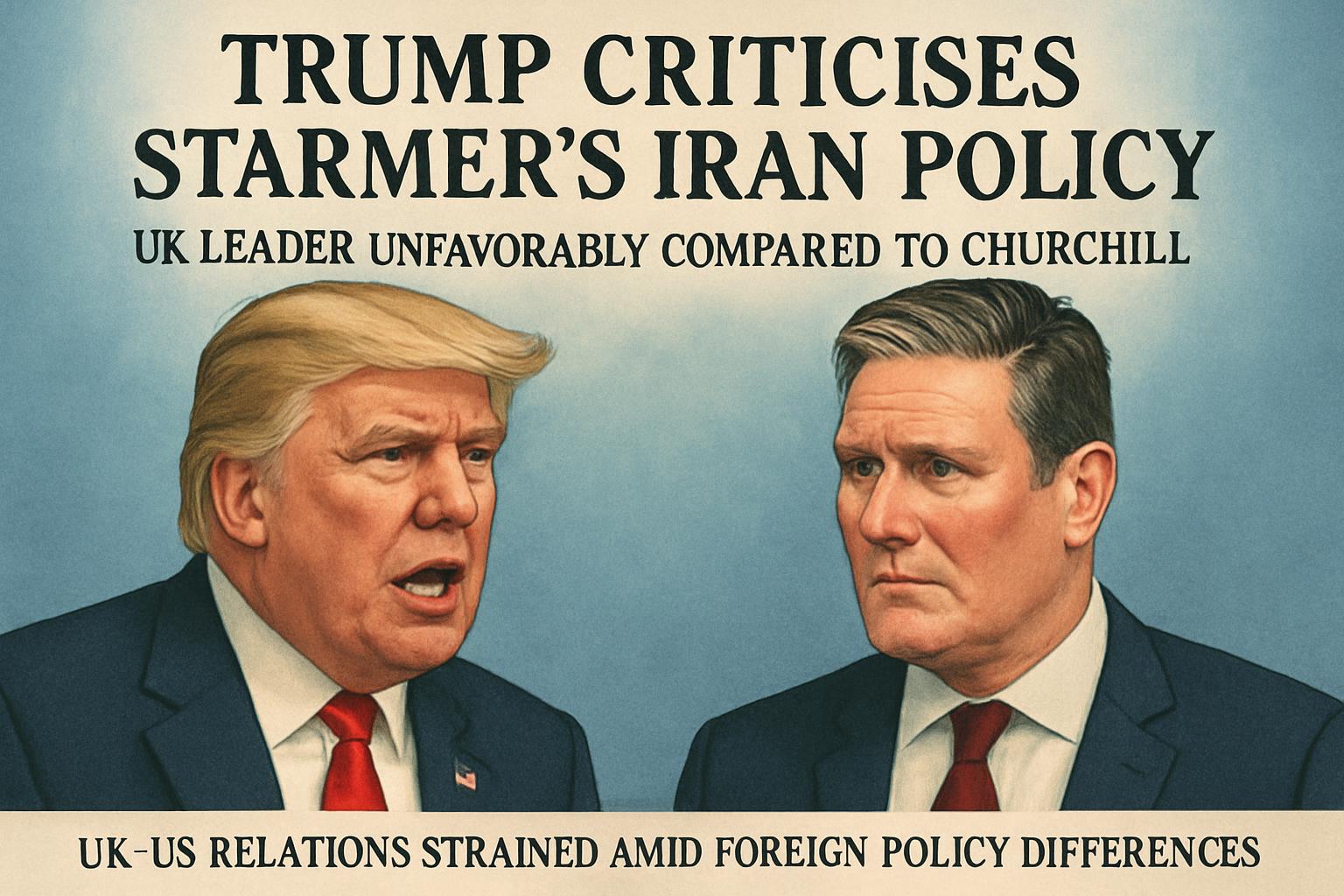
Diplomatic Tensions Rise as Trump Criticizes Starmer's Iran Policy
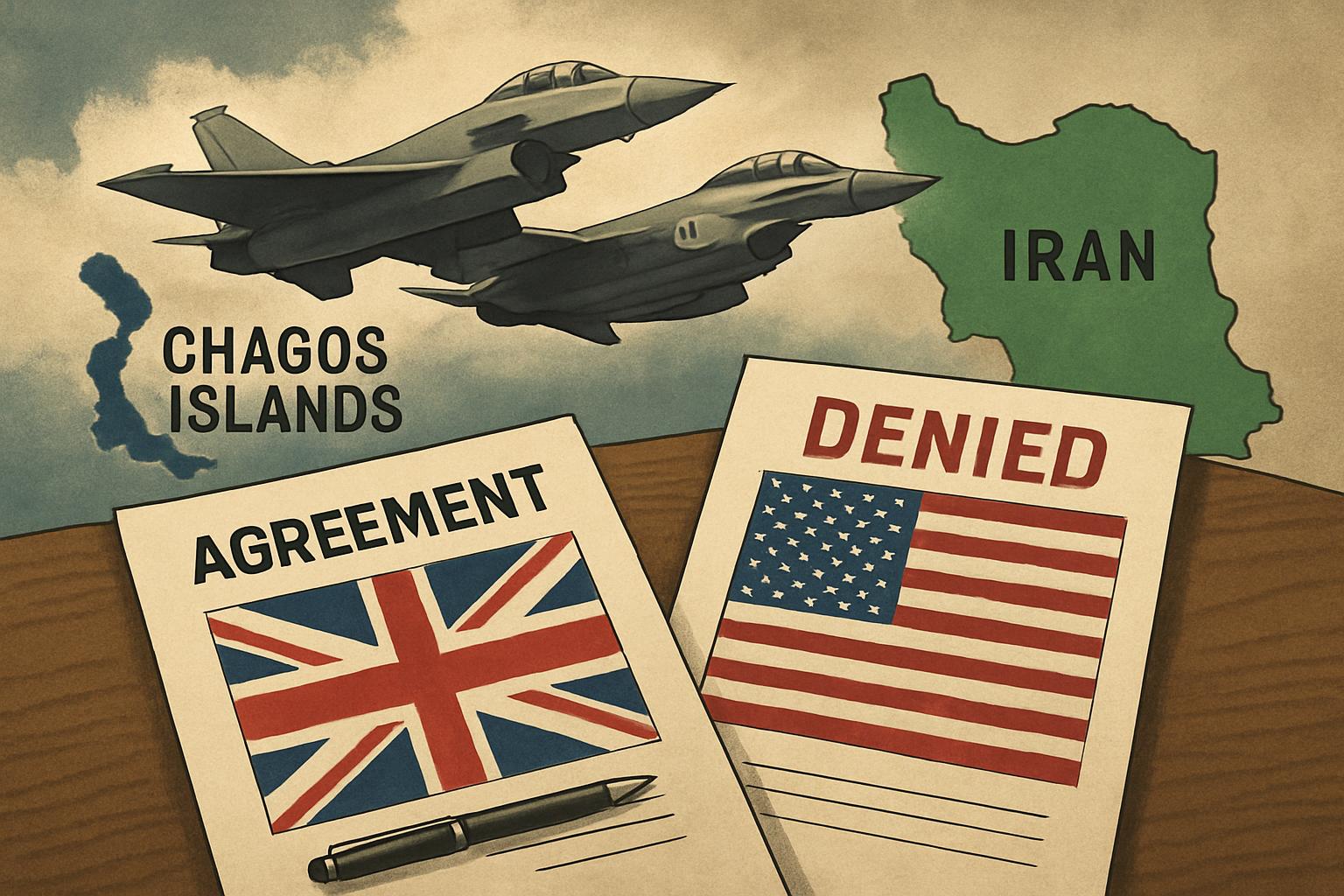
UK Denies US Use of Military Bases for Potential Iran Strikes Amid Chagos Islands Dispute
Starmer's Downing Street Shake-Up: A Bid to Reclaim Economic Control
In This Article
 Daniel Rivera| Published
 HIGHLIGHTS
- Keir Starmer has restructured his Downing Street team, creating new roles to strengthen economic policy control.
- Darren Jones and Minouche Shafik have been appointed to key positions, signaling a focus on economic expertise.
- The shake-up aims to address perceived failures in Starmer's first year and prepare for a challenging autumn Budget.
- The changes are seen as an attempt to regain control from the Treasury and improve Labour's poll standings.
- Starmer's leadership style is characterized by a willingness to make significant personnel changes to achieve his goals.
In a significant reshuffle at Downing Street, UK Labour leader Keir Starmer has introduced new senior roles to bolster his economic team, aiming to wrest control of policy from the Treasury. This strategic move comes as the government braces for a potentially tumultuous autumn, with the upcoming Budget set to be a defining moment for Starmer's administration.
New Appointments Signal Economic Focus
Darren Jones, previously second in command to Chancellor Rachel Reeves, has been appointed Chief Secretary, while Minouche Shafik, a former deputy governor of the Bank of England, takes on the role of Chief Economic Adviser. These appointments reflect Starmer's intent to inject economic expertise into his team, addressing criticisms of sluggishness and inefficiency within his administration.
Addressing Past Challenges and Preparing for the Future
The reshuffle is not just about personnel changes but also about establishing clearer structures within Downing Street. Previously, multiple individuals held overlapping roles, leading to inefficiencies. By streamlining his team, Starmer aims to enhance coordination and effectiveness, particularly in economic policy, which has been a point of contention.
Political Implications and Leadership Style
Starmer's decision to reorganize his team has sparked discussions about his leadership style. Known for his willingness to make tough decisions, Starmer has not hesitated to demote or replace close allies if it serves the broader goals of his administration. This shake-up is seen as a reflection of his determination to correct past missteps and assert greater control over government operations.
A Strategic Move Amidst Political Challenges
The reshuffle also comes at a time when Labour is facing challenges from Reform UK and other political forces. By strengthening his economic team, Starmer aims to regain momentum and improve Labour's standing in the polls. The changes are designed to give him a direct line of sight over key decisions, particularly those related to the economy and migration, which have dominated recent political discourse.
WHAT THIS MIGHT MEAN
As the UK approaches the autumn Budget, Starmer's reshuffle could have significant implications for both his leadership and the Labour Party's future. By asserting greater control over economic policy, he may be able to present a more unified and effective government, potentially boosting Labour's appeal to voters. However, the success of this strategy will depend on the ability of his new team to deliver tangible results in a challenging economic climate.
The reshuffle also raises questions about the balance of power between Downing Street and the Treasury. If successful, Starmer's approach could set a precedent for future administrations, emphasizing the importance of economic expertise and centralized control in government operations. However, any missteps could lead to further scrutiny and criticism, both from within his party and from political opponents.
Related Articles
Reform UK to Reinstate Two-Child Benefit Cap Amidst Political Controversy
Middle East Conflict Drives UK Energy Prices to New Highs
Starmer Condemns Reform UK's Plan to Repeal Equality Act as Un-British
UK Achieves Record Budget Surplus Amid Calls for Fiscal Policy Reform
Diplomatic Tensions Rise as Trump Criticizes Starmer's Iran Policy
UK Denies US Use of Military Bases for Potential Iran Strikes Amid Chagos Islands Dispute