
Stephen Colbert's 'The Late Show' to End Amid Financial and Political Turmoil
In This Article
HIGHLIGHTS
- CBS announced the cancellation of "The Late Show with Stephen Colbert" effective May 2026, citing financial reasons unrelated to the show's performance.
- The announcement follows a $16 million settlement between CBS's parent company, Paramount, and Donald Trump over a lawsuit concerning a CBS interview.
- Stephen Colbert expressed disappointment during a live taping, emphasizing that the show's end is not due to replacement but a complete cancellation.
- The cancellation coincides with Paramount's merger talks with Skydance Media, requiring federal approval.
- Colbert has been a vocal critic of Trump, recently addressing controversies like the Jeffrey Epstein files on his show.
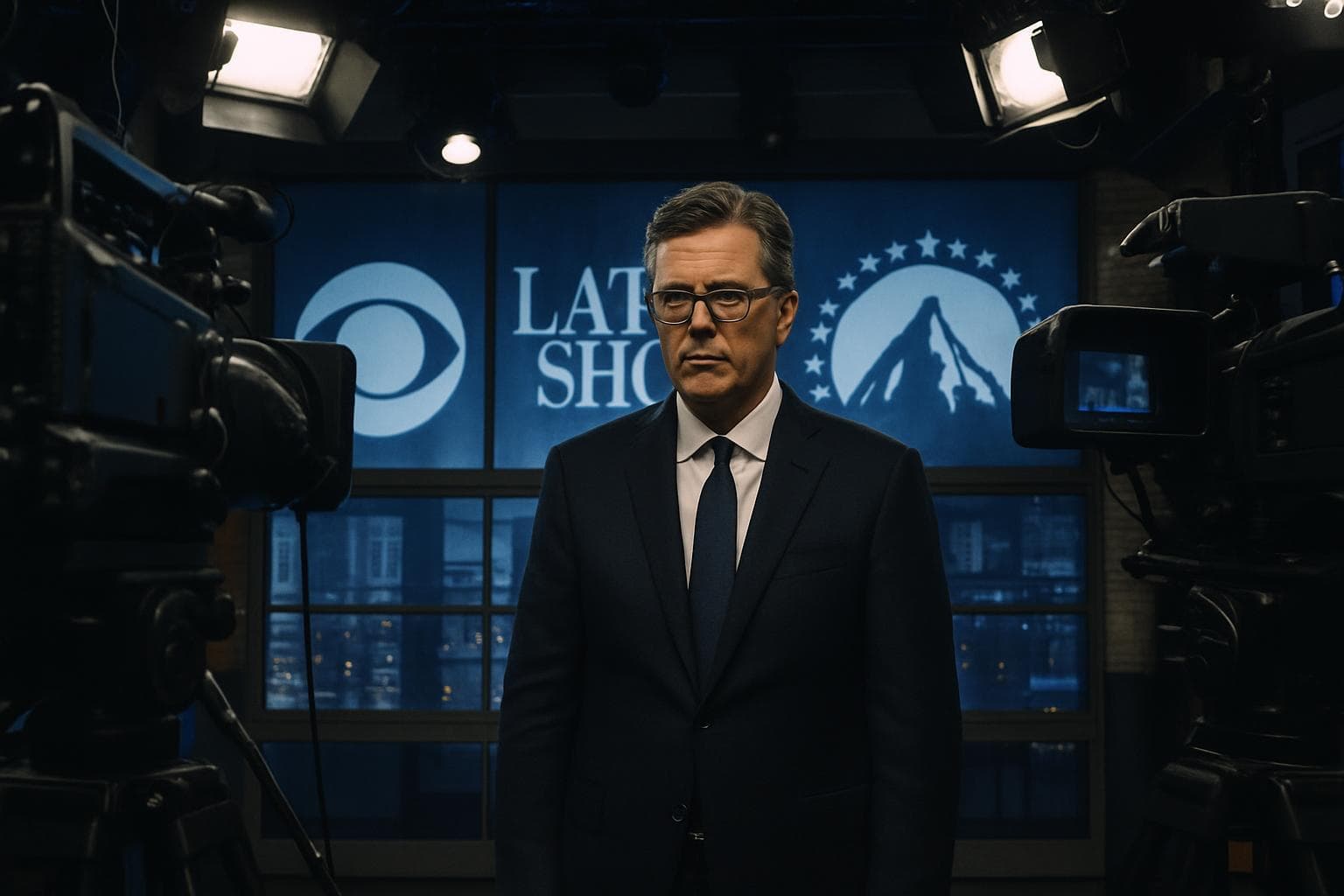
CBS has announced that "The Late Show with Stephen Colbert" will conclude in May 2026, marking the end of an era for the network's late-night programming. The decision, described as purely financial, comes at a time of significant upheaval within CBS's parent company, Paramount.
Financial Decisions and Legal Settlements
The unexpected announcement follows closely on the heels of a $16 million settlement between Paramount and former President Donald Trump. The lawsuit stemmed from allegations that CBS deceptively edited an interview with Trump's 2024 election rival, Kamala Harris, to favor the Democratic party. While Paramount maintains that the show's cancellation is unrelated to this settlement, the timing has raised eyebrows.
Stephen Colbert's Reaction
During a live taping, Stephen Colbert informed his audience of the show's impending end, eliciting boos and expressions of disbelief. "It's not just the end of our show, but it's the end of 'The Late Show' on CBS," Colbert remarked, emphasizing that he is not being replaced. Colbert, who took over the show in 2015, has been a prominent critic of Trump, often using his platform to address political controversies, including the recent Jeffrey Epstein files.
Corporate Mergers and Political Implications
The cancellation coincides with Paramount's ongoing merger discussions with Skydance Media, a deal requiring federal approval. The merger's timing, alongside the Trump settlement, has fueled speculation about potential political motivations behind the show's end. Democratic Senator Adam Schiff has publicly questioned whether political pressures influenced the decision.
A Legacy of Late-Night Television
"The Late Show" has been a staple of CBS's programming since its inception in 1993, originally created to compete with NBC's "Tonight Show." Colbert's tenure has been marked by sharp political commentary and a dedicated fanbase. As the show approaches its final months, Colbert expressed gratitude to his audience and colleagues, stating, "It is a fantastic job. I wish someone else was getting it."
WHAT THIS MIGHT MEAN
The cancellation of "The Late Show with Stephen Colbert" could signal a broader shift in late-night television, particularly as networks grapple with financial pressures and evolving viewer preferences. Paramount's merger with Skydance Media, if approved, may lead to further strategic realignments within the company, potentially impacting other programming decisions.
Politically, the timing of the show's end amid the Trump settlement and merger talks raises questions about the influence of political and corporate interests on media content. As the 2024 election approaches, media scrutiny and the role of late-night television in political discourse will likely intensify.
Experts suggest that Colbert's departure leaves a significant void in late-night television, particularly for audiences seeking sharp political satire. The landscape of late-night programming may evolve as networks explore new formats and voices to engage viewers in a rapidly changing media environment.
Images from the Web

Related Articles
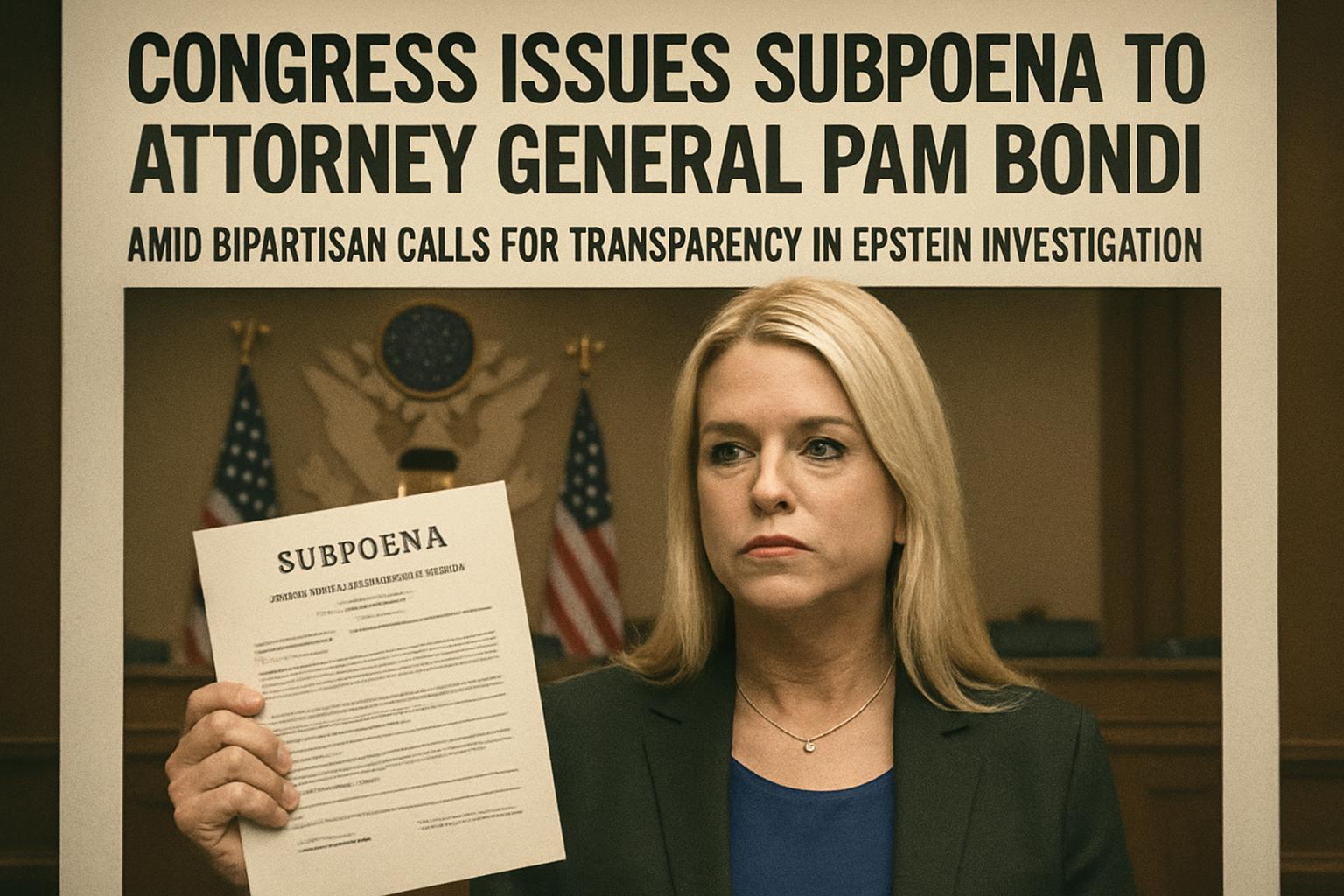
Congress Subpoenas Attorney General Bondi in Epstein Investigation
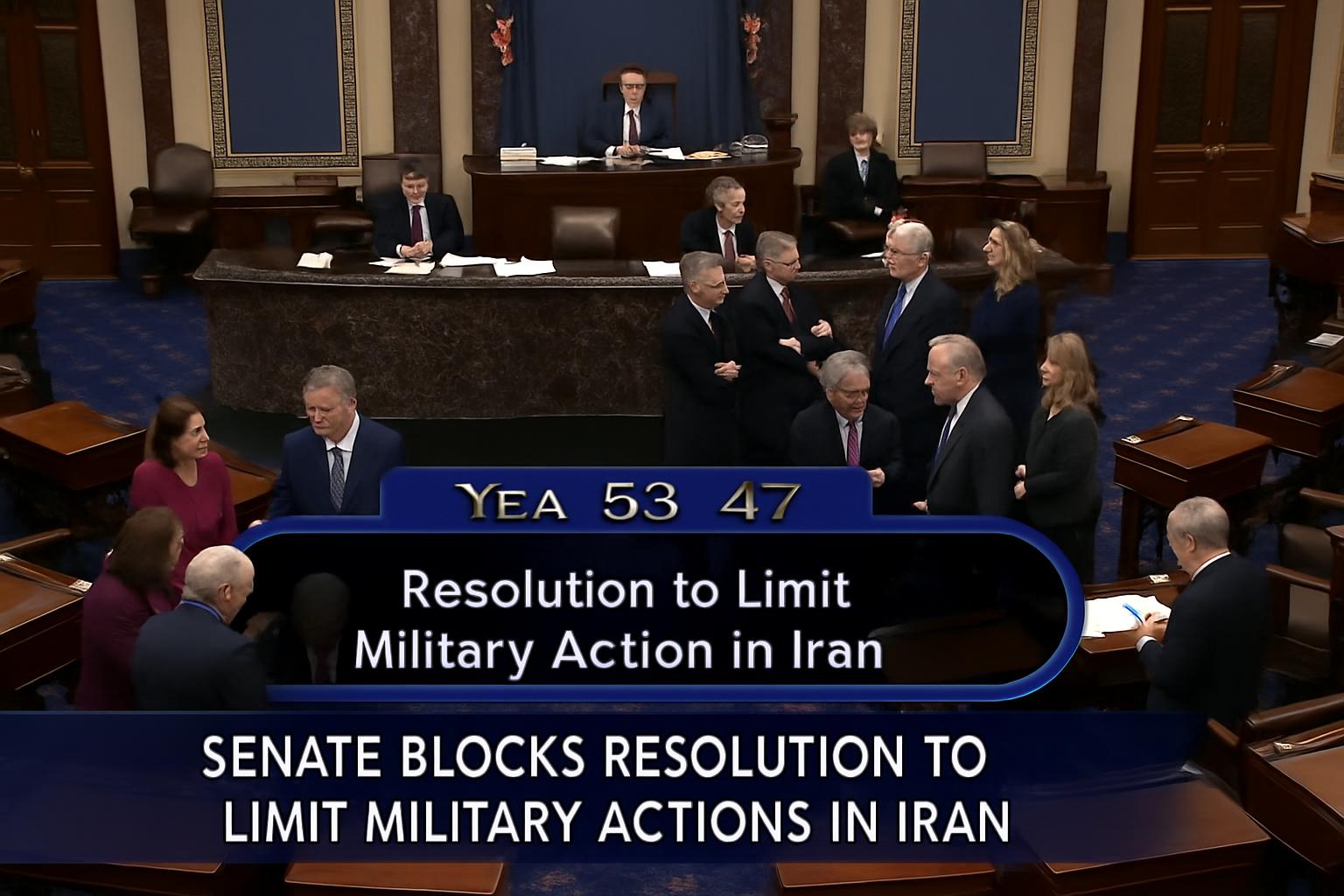
Senate Blocks Resolution to Limit Trump's Military Actions in Iran

Spain's Sánchez Stands Firm Against Trump's Trade Threat Over Iran Stance

US-Iran Tensions Escalate Amid Renewed Nuclear Talks and Protests

Greenland Politely Declines Trump's Hospital Ship Offer Amid Healthcare Debate

UK-Iran Tensions: Starmer Defends Cautious Approach Amid Trump Criticism
Stephen Colbert's 'The Late Show' to End Amid Financial and Political Turmoil
In This Article
 Ethan Brooks| Published
 HIGHLIGHTS
- CBS announced the cancellation of "The Late Show with Stephen Colbert" effective May 2026, citing financial reasons unrelated to the show's performance.
- The announcement follows a $16 million settlement between CBS's parent company, Paramount, and Donald Trump over a lawsuit concerning a CBS interview.
- Stephen Colbert expressed disappointment during a live taping, emphasizing that the show's end is not due to replacement but a complete cancellation.
- The cancellation coincides with Paramount's merger talks with Skydance Media, requiring federal approval.
- Colbert has been a vocal critic of Trump, recently addressing controversies like the Jeffrey Epstein files on his show.
CBS has announced that "The Late Show with Stephen Colbert" will conclude in May 2026, marking the end of an era for the network's late-night programming. The decision, described as purely financial, comes at a time of significant upheaval within CBS's parent company, Paramount.
Financial Decisions and Legal Settlements
The unexpected announcement follows closely on the heels of a $16 million settlement between Paramount and former President Donald Trump. The lawsuit stemmed from allegations that CBS deceptively edited an interview with Trump's 2024 election rival, Kamala Harris, to favor the Democratic party. While Paramount maintains that the show's cancellation is unrelated to this settlement, the timing has raised eyebrows.
Stephen Colbert's Reaction
During a live taping, Stephen Colbert informed his audience of the show's impending end, eliciting boos and expressions of disbelief. "It's not just the end of our show, but it's the end of 'The Late Show' on CBS," Colbert remarked, emphasizing that he is not being replaced. Colbert, who took over the show in 2015, has been a prominent critic of Trump, often using his platform to address political controversies, including the recent Jeffrey Epstein files.
Corporate Mergers and Political Implications
The cancellation coincides with Paramount's ongoing merger discussions with Skydance Media, a deal requiring federal approval. The merger's timing, alongside the Trump settlement, has fueled speculation about potential political motivations behind the show's end. Democratic Senator Adam Schiff has publicly questioned whether political pressures influenced the decision.
A Legacy of Late-Night Television
"The Late Show" has been a staple of CBS's programming since its inception in 1993, originally created to compete with NBC's "Tonight Show." Colbert's tenure has been marked by sharp political commentary and a dedicated fanbase. As the show approaches its final months, Colbert expressed gratitude to his audience and colleagues, stating, "It is a fantastic job. I wish someone else was getting it."
WHAT THIS MIGHT MEAN
The cancellation of "The Late Show with Stephen Colbert" could signal a broader shift in late-night television, particularly as networks grapple with financial pressures and evolving viewer preferences. Paramount's merger with Skydance Media, if approved, may lead to further strategic realignments within the company, potentially impacting other programming decisions.
Politically, the timing of the show's end amid the Trump settlement and merger talks raises questions about the influence of political and corporate interests on media content. As the 2024 election approaches, media scrutiny and the role of late-night television in political discourse will likely intensify.
Experts suggest that Colbert's departure leaves a significant void in late-night television, particularly for audiences seeking sharp political satire. The landscape of late-night programming may evolve as networks explore new formats and voices to engage viewers in a rapidly changing media environment.
Images from the Web
Related Articles
Congress Subpoenas Attorney General Bondi in Epstein Investigation
Senate Blocks Resolution to Limit Trump's Military Actions in Iran
Spain's Sánchez Stands Firm Against Trump's Trade Threat Over Iran Stance
US-Iran Tensions Escalate Amid Renewed Nuclear Talks and Protests
Greenland Politely Declines Trump's Hospital Ship Offer Amid Healthcare Debate
UK-Iran Tensions: Starmer Defends Cautious Approach Amid Trump Criticism