
Rising Tensions Over Strait of Hormuz Threaten Global Oil Supply and Economic Stability
In This Article
HIGHLIGHTS
- The US has urged China to prevent Iran from closing the Strait of Hormuz, a crucial oil shipping route, amid rising tensions following US strikes on Iranian nuclear sites.
- Iran's parliament has voted to close the Strait of Hormuz, but the final decision rests with the Supreme National Security Council, potentially disrupting 20% of global oil supply.
- Oil prices have surged, with Brent crude reaching $81.40 per barrel, as markets react to the potential closure of the Strait, a key energy trade route.
- Analysts warn that closing the Strait could lead to a global economic downturn, with significant impacts on major economies like China, India, and Japan.
- The International Monetary Fund has expressed concerns over the potential for increased oil prices to hinder global economic growth.
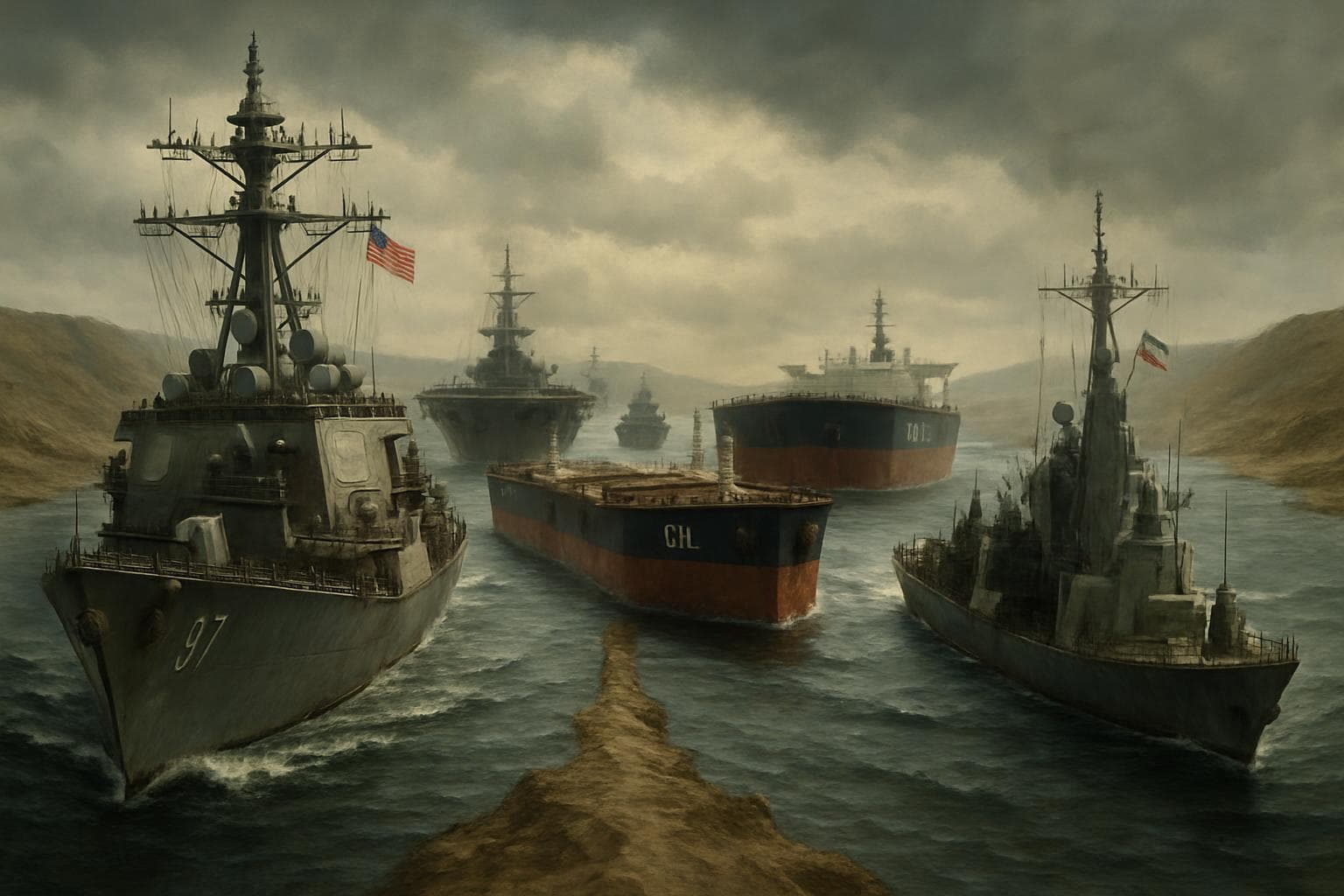
The Strait of Hormuz, a vital artery for global oil transportation, is at the center of escalating tensions between the United States and Iran. Following recent US strikes on Iranian nuclear facilities, Iran's parliament has voted to close the Strait, a move that could disrupt 20% of the world's oil supply. However, the ultimate decision lies with Iran's Supreme National Security Council.
US Secretary of State Marco Rubio has called on China, the largest importer of Iranian oil, to intervene and dissuade Iran from closing the Strait. "If they [Iran] close the Straits, it will be economic suicide for them," Rubio stated in a Fox News interview, emphasizing the potential global economic repercussions.
The Strait of Hormuz, bordered by Iran to the north and Oman and the UAE to the south, is a critical chokepoint for oil and gas exports from the Middle East. Analysts warn that any disruption could send oil prices soaring, with Brent crude already reaching $81.40 per barrel, its highest in five months. The International Monetary Fund has cautioned that a sustained increase in oil prices could dampen global economic growth.
Energy analysts highlight the strategic importance of the Strait, noting that a closure would not only impact Iran but also its Gulf neighbors and major Asian economies reliant on oil imports. "Iran risks turning its oil and gas producing neighbors in the Gulf into enemies," said energy analyst Vandana Hari.
The geopolitical implications of closing the Strait are profound. Former MI6 chief Sir Alex Younger described it as "uncharted terrain," with potential ripple effects on global markets. Bader Al-Saif, a geopolitics expert, warned of nervous reactions from stock markets and a possible uptick in oil prices.
As the situation unfolds, the world watches closely, aware that any Iranian retaliation could have far-reaching consequences for international trade and economic stability.
WHAT THIS MIGHT MEAN
The potential closure of the Strait of Hormuz by Iran could lead to a significant spike in global oil prices, with estimates suggesting prices could reach as high as $130 per barrel. Such a scenario would likely trigger inflationary pressures worldwide, affecting everything from transportation costs to consumer goods prices.
Politically, the closure could strain relations between Iran and its Gulf neighbors, as well as major oil-importing countries like China and India. The US, with its military presence in the region, may face pressure to ensure the security of this critical shipping route.
Experts suggest that diplomatic efforts, particularly involving key stakeholders like China, could be crucial in de-escalating tensions and preventing a full-blown crisis. However, the situation remains volatile, with the potential for further escalation if diplomatic channels fail to yield results.
Related Articles
Iran Postpones Khamenei Funeral Amid Escalating US-Israeli Strikes
Middle East Conflict Drives UK Energy Prices to New Highs

UK Faces Dilemmas Amid Iran Conflict and China Spying Allegations
China Sets Lowest GDP Growth Target in Decades Amid Economic Challenges

US and Israel Intensify Military Campaign as Iran's Capabilities Dwindle
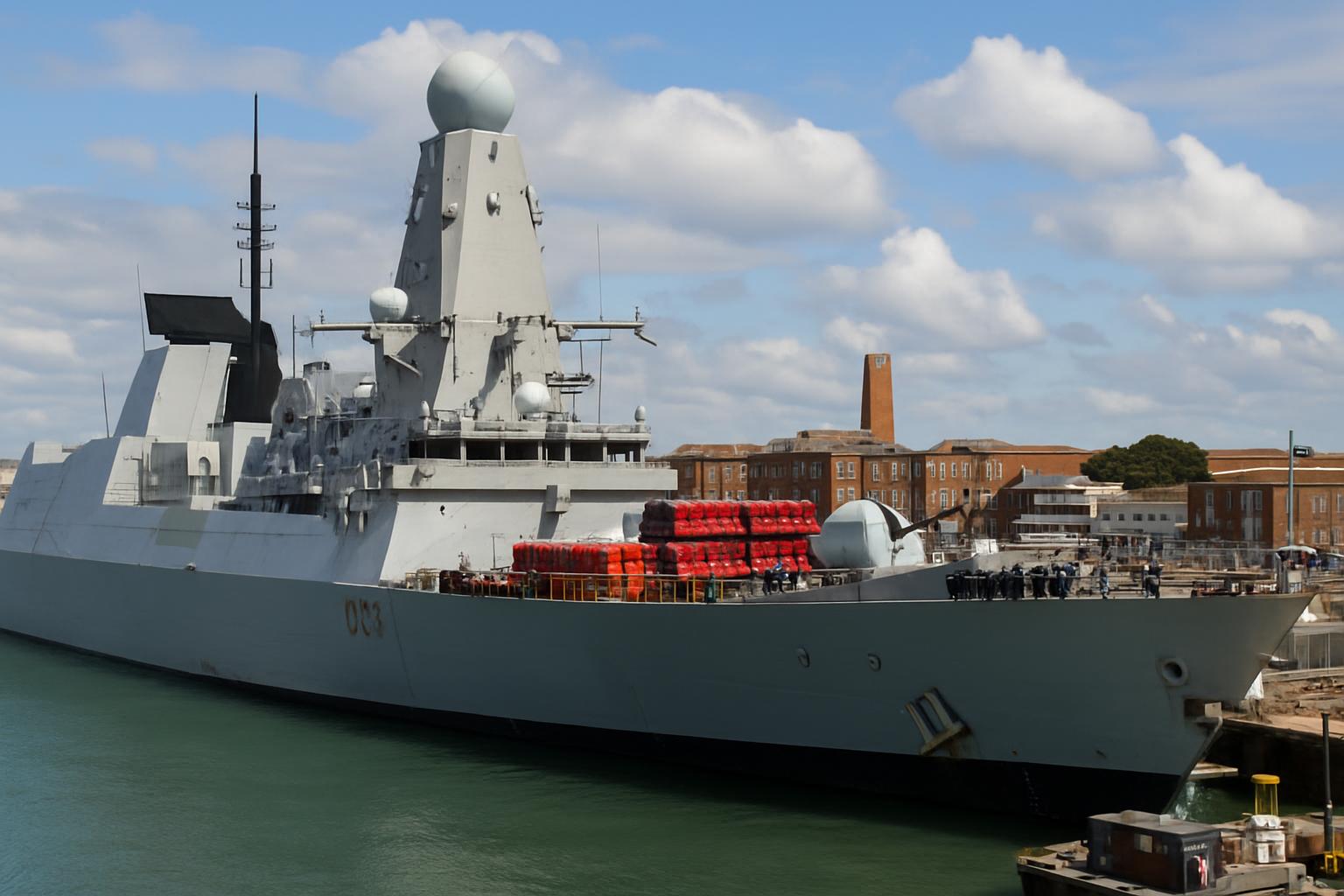
UK Reinforces Military Presence in Cyprus Amid Middle East Tensions
Rising Tensions Over Strait of Hormuz Threaten Global Oil Supply and Economic Stability
In This Article
 James Okoro| Published
 HIGHLIGHTS
- The US has urged China to prevent Iran from closing the Strait of Hormuz, a crucial oil shipping route, amid rising tensions following US strikes on Iranian nuclear sites.
- Iran's parliament has voted to close the Strait of Hormuz, but the final decision rests with the Supreme National Security Council, potentially disrupting 20% of global oil supply.
- Oil prices have surged, with Brent crude reaching $81.40 per barrel, as markets react to the potential closure of the Strait, a key energy trade route.
- Analysts warn that closing the Strait could lead to a global economic downturn, with significant impacts on major economies like China, India, and Japan.
- The International Monetary Fund has expressed concerns over the potential for increased oil prices to hinder global economic growth.
The Strait of Hormuz, a vital artery for global oil transportation, is at the center of escalating tensions between the United States and Iran. Following recent US strikes on Iranian nuclear facilities, Iran's parliament has voted to close the Strait, a move that could disrupt 20% of the world's oil supply. However, the ultimate decision lies with Iran's Supreme National Security Council.
US Secretary of State Marco Rubio has called on China, the largest importer of Iranian oil, to intervene and dissuade Iran from closing the Strait. "If they [Iran] close the Straits, it will be economic suicide for them," Rubio stated in a Fox News interview, emphasizing the potential global economic repercussions.
The Strait of Hormuz, bordered by Iran to the north and Oman and the UAE to the south, is a critical chokepoint for oil and gas exports from the Middle East. Analysts warn that any disruption could send oil prices soaring, with Brent crude already reaching $81.40 per barrel, its highest in five months. The International Monetary Fund has cautioned that a sustained increase in oil prices could dampen global economic growth.
Energy analysts highlight the strategic importance of the Strait, noting that a closure would not only impact Iran but also its Gulf neighbors and major Asian economies reliant on oil imports. "Iran risks turning its oil and gas producing neighbors in the Gulf into enemies," said energy analyst Vandana Hari.
The geopolitical implications of closing the Strait are profound. Former MI6 chief Sir Alex Younger described it as "uncharted terrain," with potential ripple effects on global markets. Bader Al-Saif, a geopolitics expert, warned of nervous reactions from stock markets and a possible uptick in oil prices.
As the situation unfolds, the world watches closely, aware that any Iranian retaliation could have far-reaching consequences for international trade and economic stability.
WHAT THIS MIGHT MEAN
The potential closure of the Strait of Hormuz by Iran could lead to a significant spike in global oil prices, with estimates suggesting prices could reach as high as $130 per barrel. Such a scenario would likely trigger inflationary pressures worldwide, affecting everything from transportation costs to consumer goods prices.
Politically, the closure could strain relations between Iran and its Gulf neighbors, as well as major oil-importing countries like China and India. The US, with its military presence in the region, may face pressure to ensure the security of this critical shipping route.
Experts suggest that diplomatic efforts, particularly involving key stakeholders like China, could be crucial in de-escalating tensions and preventing a full-blown crisis. However, the situation remains volatile, with the potential for further escalation if diplomatic channels fail to yield results.
Related Articles
Iran Postpones Khamenei Funeral Amid Escalating US-Israeli Strikes
Middle East Conflict Drives UK Energy Prices to New Highs
UK Faces Dilemmas Amid Iran Conflict and China Spying Allegations
China Sets Lowest GDP Growth Target in Decades Amid Economic Challenges
US and Israel Intensify Military Campaign as Iran's Capabilities Dwindle
UK Reinforces Military Presence in Cyprus Amid Middle East Tensions