
Stricter Regulations for Buy Now, Pay Later Loans to Protect Consumers
In This Article
HIGHLIGHTS
- New regulations will require stricter affordability checks for buy now, pay later (BNPL) loans starting July 2024.
- The Financial Conduct Authority (FCA) aims to regulate the £13bn BNPL market to prevent excessive debt accumulation.
- BNPL users, particularly those aged 25-34, will benefit from increased consumer protections and the ability to complain to the financial ombudsman.
- The FCA's proposals include creditworthiness checks for loans under £50 to prevent loan stacking and financial harm.
- Over 10 years, consumers are expected to save £1.8bn, while providers' profits may drop by £1.4bn due to fewer transactions.
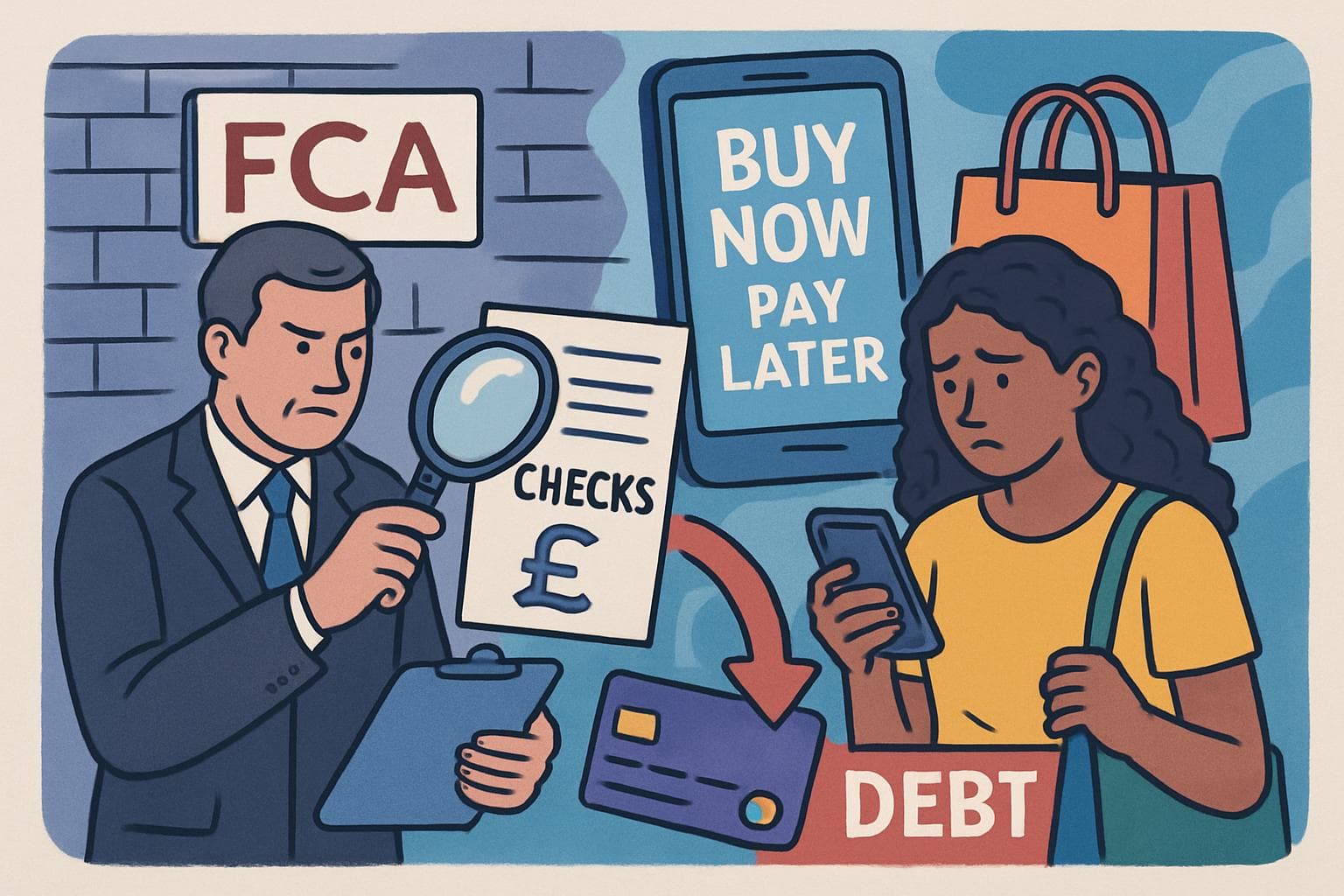
The Financial Conduct Authority (FCA) has unveiled plans to impose stricter affordability checks on the burgeoning buy now, pay later (BNPL) market, a move set to take effect in July 2024. This regulatory shift aims to curb the potential for excessive debt accumulation among consumers, particularly young adults who are the primary users of BNPL services.
Regulatory Changes and Consumer Protection
The FCA's initiative comes amid concerns about the rapid growth of the BNPL sector, which has expanded from £60 million in 2017 to over £13 billion in 2024. The new rules will require lenders to conduct affordability checks even on small loans, ensuring that consumers are not overextending their financial commitments. This regulatory framework will also allow borrowers to seek recourse with the financial ombudsman if issues arise, offering a safety net similar to other forms of consumer credit.
Impact on Consumers and Lenders
The FCA estimates that these changes will save consumers £1.8 billion over the next decade, although providers may see a £1.4 billion reduction in profits due to fewer transactions. The regulation will cover loans under £50, addressing the risk of "loan stacking," where consumers take multiple loans from different providers. Vikki Brownridge, CEO of StepChange Debt Charity, emphasized the importance of these protections, noting that BNPL is now as common as overdrafts among UK adults.
Voices from the Community
Julie Rowbottom, a nurse who has used BNPL services, highlighted the ease with which debt can accumulate, stressing the need for careful financial management. The FCA's interim director of consumer finance, Alison Walters, stated that while the new rules provide flexibility for lenders, they are crucial for consumer protection.
WHAT THIS MIGHT MEAN
As the FCA's regulations take effect, the BNPL sector may undergo significant transformation. Lenders will need to adapt to the new requirements, potentially leading to a more cautious approach in extending credit. This could result in a more sustainable lending environment, reducing the risk of debt spirals among consumers.
Politically, the move may garner support as it aligns with broader efforts to enhance consumer protection in financial markets. However, it could also face pushback from industry stakeholders concerned about profit margins. Experts suggest that the success of these regulations will depend on their implementation and the ability of lenders to balance compliance with business objectives.
Related Articles
WH Smith Faces FCA Probe Amid Efforts to Recover Executive Bonuses

UK Contactless Card Limit to be Scrapped, Allowing Banks to Set New Limits

Drax Power Station to Host New Data Centre Amid AI and Renewable Energy Push

Treasury Launches Inquiry into Budget Leaks Amid Market Concerns

Neil Woodford and Firm Hit with £46m Fine Over Fund Collapse
Supreme Court Ruling Spurs FCA to Launch Car Finance Compensation Scheme
Stricter Regulations for Buy Now, Pay Later Loans to Protect Consumers
In This Article
 Daniel Rivera| Published
 HIGHLIGHTS
- New regulations will require stricter affordability checks for buy now, pay later (BNPL) loans starting July 2024.
- The Financial Conduct Authority (FCA) aims to regulate the £13bn BNPL market to prevent excessive debt accumulation.
- BNPL users, particularly those aged 25-34, will benefit from increased consumer protections and the ability to complain to the financial ombudsman.
- The FCA's proposals include creditworthiness checks for loans under £50 to prevent loan stacking and financial harm.
- Over 10 years, consumers are expected to save £1.8bn, while providers' profits may drop by £1.4bn due to fewer transactions.
The Financial Conduct Authority (FCA) has unveiled plans to impose stricter affordability checks on the burgeoning buy now, pay later (BNPL) market, a move set to take effect in July 2024. This regulatory shift aims to curb the potential for excessive debt accumulation among consumers, particularly young adults who are the primary users of BNPL services.
Regulatory Changes and Consumer Protection
The FCA's initiative comes amid concerns about the rapid growth of the BNPL sector, which has expanded from £60 million in 2017 to over £13 billion in 2024. The new rules will require lenders to conduct affordability checks even on small loans, ensuring that consumers are not overextending their financial commitments. This regulatory framework will also allow borrowers to seek recourse with the financial ombudsman if issues arise, offering a safety net similar to other forms of consumer credit.
Impact on Consumers and Lenders
The FCA estimates that these changes will save consumers £1.8 billion over the next decade, although providers may see a £1.4 billion reduction in profits due to fewer transactions. The regulation will cover loans under £50, addressing the risk of "loan stacking," where consumers take multiple loans from different providers. Vikki Brownridge, CEO of StepChange Debt Charity, emphasized the importance of these protections, noting that BNPL is now as common as overdrafts among UK adults.
Voices from the Community
Julie Rowbottom, a nurse who has used BNPL services, highlighted the ease with which debt can accumulate, stressing the need for careful financial management. The FCA's interim director of consumer finance, Alison Walters, stated that while the new rules provide flexibility for lenders, they are crucial for consumer protection.
WHAT THIS MIGHT MEAN
As the FCA's regulations take effect, the BNPL sector may undergo significant transformation. Lenders will need to adapt to the new requirements, potentially leading to a more cautious approach in extending credit. This could result in a more sustainable lending environment, reducing the risk of debt spirals among consumers.
Politically, the move may garner support as it aligns with broader efforts to enhance consumer protection in financial markets. However, it could also face pushback from industry stakeholders concerned about profit margins. Experts suggest that the success of these regulations will depend on their implementation and the ability of lenders to balance compliance with business objectives.
Related Articles
WH Smith Faces FCA Probe Amid Efforts to Recover Executive Bonuses
UK Contactless Card Limit to be Scrapped, Allowing Banks to Set New Limits
Drax Power Station to Host New Data Centre Amid AI and Renewable Energy Push
Treasury Launches Inquiry into Budget Leaks Amid Market Concerns
Neil Woodford and Firm Hit with £46m Fine Over Fund Collapse
Supreme Court Ruling Spurs FCA to Launch Car Finance Compensation Scheme