
UK Contactless Card Limit to be Scrapped, Allowing Banks to Set New Limits
In This Article
HIGHLIGHTS
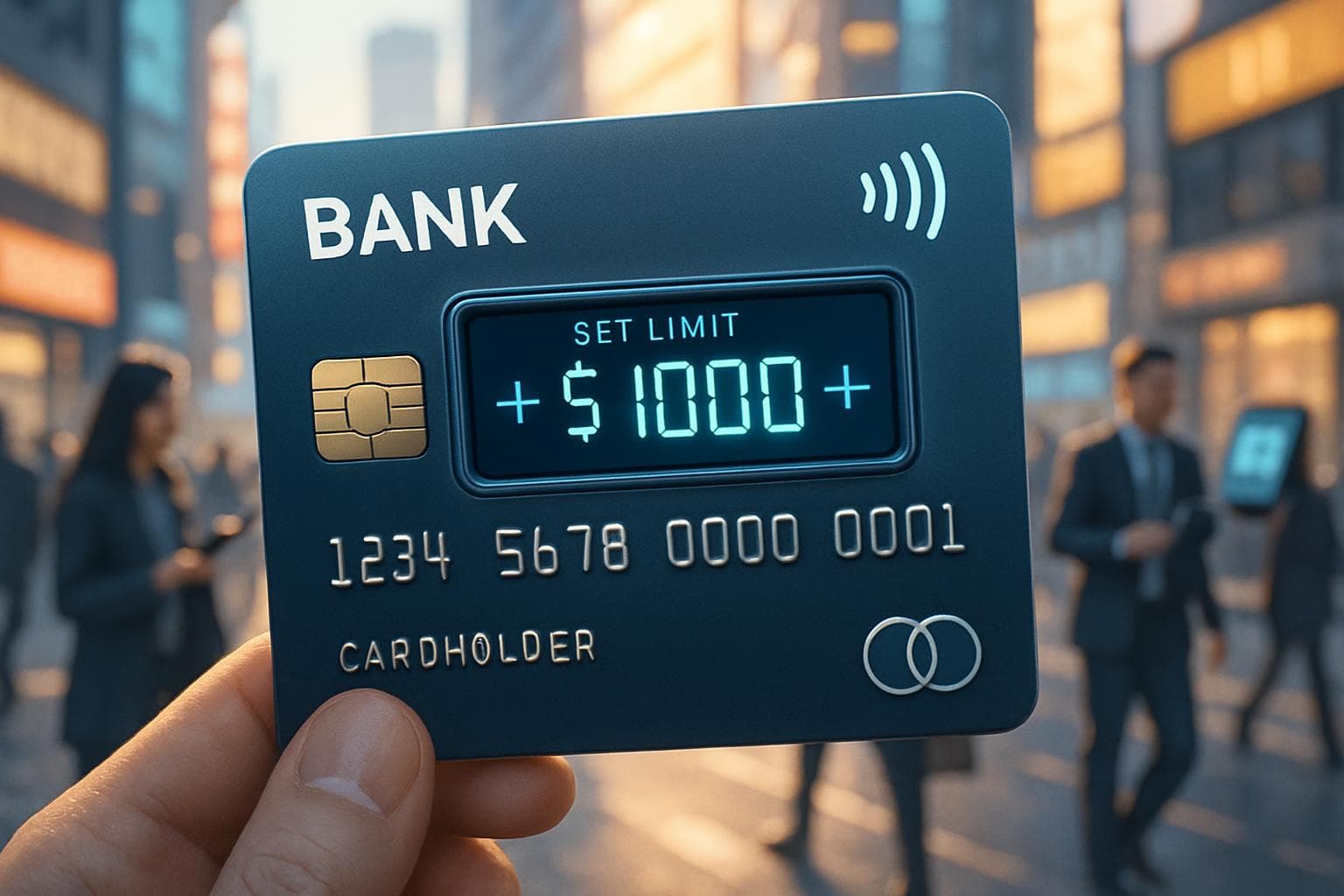
- The Financial Conduct Authority (FCA) will allow banks to set their own contactless payment limits from 19 March.
- Consumers can choose to set personal limits or disable contactless payments entirely for added security.
- Despite the flexibility, 78% of surveyed consumers prefer the current £100 limit, citing concerns over spending habits and fraud.
- Contactless fraud remains low, but increased limits could potentially raise fraud rates by 131% over three years.
- The FCA emphasizes maintaining strong fraud controls and consumer protection measures.
The Financial Conduct Authority (FCA) has announced a significant change in contactless payment regulations, allowing banks and card providers to set their own limits from 19 March. This move aims to provide flexibility in response to evolving consumer demands and technological advancements. Currently, contactless card payments are capped at £100 per transaction, a limit that has gradually increased since the introduction of contactless payments in 2007.
Consumer Choice and Security
Under the new rules, consumers will have the option to set personal limits or disable contactless payments entirely, enhancing security and control over their spending. Despite these changes, the FCA's survey revealed that 78% of consumers prefer to maintain the existing £100 limit, expressing concerns about potential overspending and fraud risks.
Fraud Concerns and Protections
While contactless fraud rates are currently low, with only 1.2p lost per £100 of transactions, the FCA acknowledges that increased limits could lead to a 131% rise in fraud over the next three years. To mitigate these risks, banks are expected to implement robust fraud detection measures. David Geale, FCA's executive director of payments and digital finance, reassures consumers that unauthorized transactions will be reimbursed, maintaining strong consumer protection.
Industry and Consumer Reactions
The decision has sparked mixed reactions. Jana Mackintosh of UK Finance supports the change, emphasizing the importance of security and fraud controls. Meanwhile, economist Richard Whittle warns that the convenience of higher limits could lead to impulsive spending, particularly with credit cards. Kate Nicholls from UKHospitality views the change positively, noting that it could enhance consumer experiences in retail environments.
WHAT THIS MIGHT MEAN
As banks begin to implement these changes, the financial landscape may see shifts in consumer behavior and spending patterns. The flexibility to set personal limits could empower consumers, but also requires them to be vigilant about their spending habits. The potential rise in fraud necessitates that banks enhance their security measures to maintain consumer trust. In the long term, these regulatory adjustments could influence the broader transition towards a cashless society, with digital wallets and contactless payments becoming increasingly prevalent.
Related Articles

UK Government Faces Backlash Over Business Rates Relief for Pubs and Music Venues
WH Smith Faces FCA Probe Amid Efforts to Recover Executive Bonuses

Drax Power Station to Host New Data Centre Amid AI and Renewable Energy Push

Treasury Launches Inquiry into Budget Leaks Amid Market Concerns

UK Deposit Protection Limit to Rise to £120,000 in December
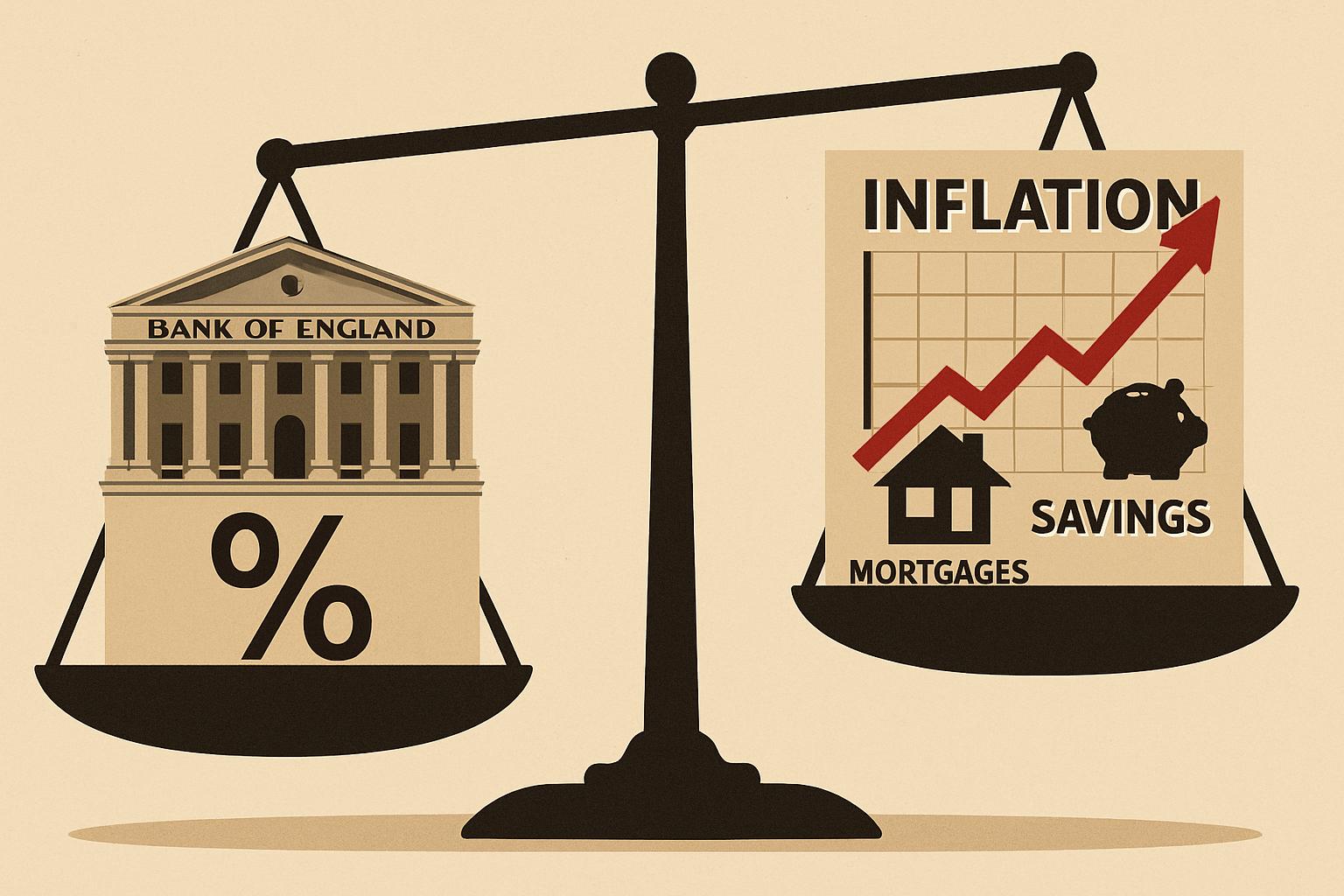
Bank of England Cuts Interest Rates: Implications for Mortgages and Savings
UK Contactless Card Limit to be Scrapped, Allowing Banks to Set New Limits
In This Article
 Daniel Rivera| Published
 HIGHLIGHTS
- The Financial Conduct Authority (FCA) will allow banks to set their own contactless payment limits from 19 March.
- Consumers can choose to set personal limits or disable contactless payments entirely for added security.
- Despite the flexibility, 78% of surveyed consumers prefer the current £100 limit, citing concerns over spending habits and fraud.
- Contactless fraud remains low, but increased limits could potentially raise fraud rates by 131% over three years.
- The FCA emphasizes maintaining strong fraud controls and consumer protection measures.
The Financial Conduct Authority (FCA) has announced a significant change in contactless payment regulations, allowing banks and card providers to set their own limits from 19 March. This move aims to provide flexibility in response to evolving consumer demands and technological advancements. Currently, contactless card payments are capped at £100 per transaction, a limit that has gradually increased since the introduction of contactless payments in 2007.
Consumer Choice and Security
Under the new rules, consumers will have the option to set personal limits or disable contactless payments entirely, enhancing security and control over their spending. Despite these changes, the FCA's survey revealed that 78% of consumers prefer to maintain the existing £100 limit, expressing concerns about potential overspending and fraud risks.
Fraud Concerns and Protections
While contactless fraud rates are currently low, with only 1.2p lost per £100 of transactions, the FCA acknowledges that increased limits could lead to a 131% rise in fraud over the next three years. To mitigate these risks, banks are expected to implement robust fraud detection measures. David Geale, FCA's executive director of payments and digital finance, reassures consumers that unauthorized transactions will be reimbursed, maintaining strong consumer protection.
Industry and Consumer Reactions
The decision has sparked mixed reactions. Jana Mackintosh of UK Finance supports the change, emphasizing the importance of security and fraud controls. Meanwhile, economist Richard Whittle warns that the convenience of higher limits could lead to impulsive spending, particularly with credit cards. Kate Nicholls from UKHospitality views the change positively, noting that it could enhance consumer experiences in retail environments.
WHAT THIS MIGHT MEAN
As banks begin to implement these changes, the financial landscape may see shifts in consumer behavior and spending patterns. The flexibility to set personal limits could empower consumers, but also requires them to be vigilant about their spending habits. The potential rise in fraud necessitates that banks enhance their security measures to maintain consumer trust. In the long term, these regulatory adjustments could influence the broader transition towards a cashless society, with digital wallets and contactless payments becoming increasingly prevalent.
Related Articles
UK Government Faces Backlash Over Business Rates Relief for Pubs and Music Venues
WH Smith Faces FCA Probe Amid Efforts to Recover Executive Bonuses
Drax Power Station to Host New Data Centre Amid AI and Renewable Energy Push
Treasury Launches Inquiry into Budget Leaks Amid Market Concerns
UK Deposit Protection Limit to Rise to £120,000 in December
Bank of England Cuts Interest Rates: Implications for Mortgages and Savings