
Treasury Launches Inquiry into Budget Leaks Amid Market Concerns
In This Article
HIGHLIGHTS
- An inquiry into UK budget leaks is underway, led by Treasury civil servant James Bowler, with full support from Chancellor Rachel Reeves.
- The leaks, which included policies like freezing income tax thresholds, have been criticized for affecting market confidence and delaying business investments.
- The Financial Conduct Authority (FCA) has decided not to investigate Rachel Reeves for market manipulation but will review the Treasury's inquiry findings.
- Speaker Sir Lindsay Hoyle and other officials have criticized the leaks, calling for budget announcements to be made first to the House of Commons.
- The Office for Budget Responsibility's premature document release has added to the controversy, leading to the resignation of its chair, Richard Hughes.
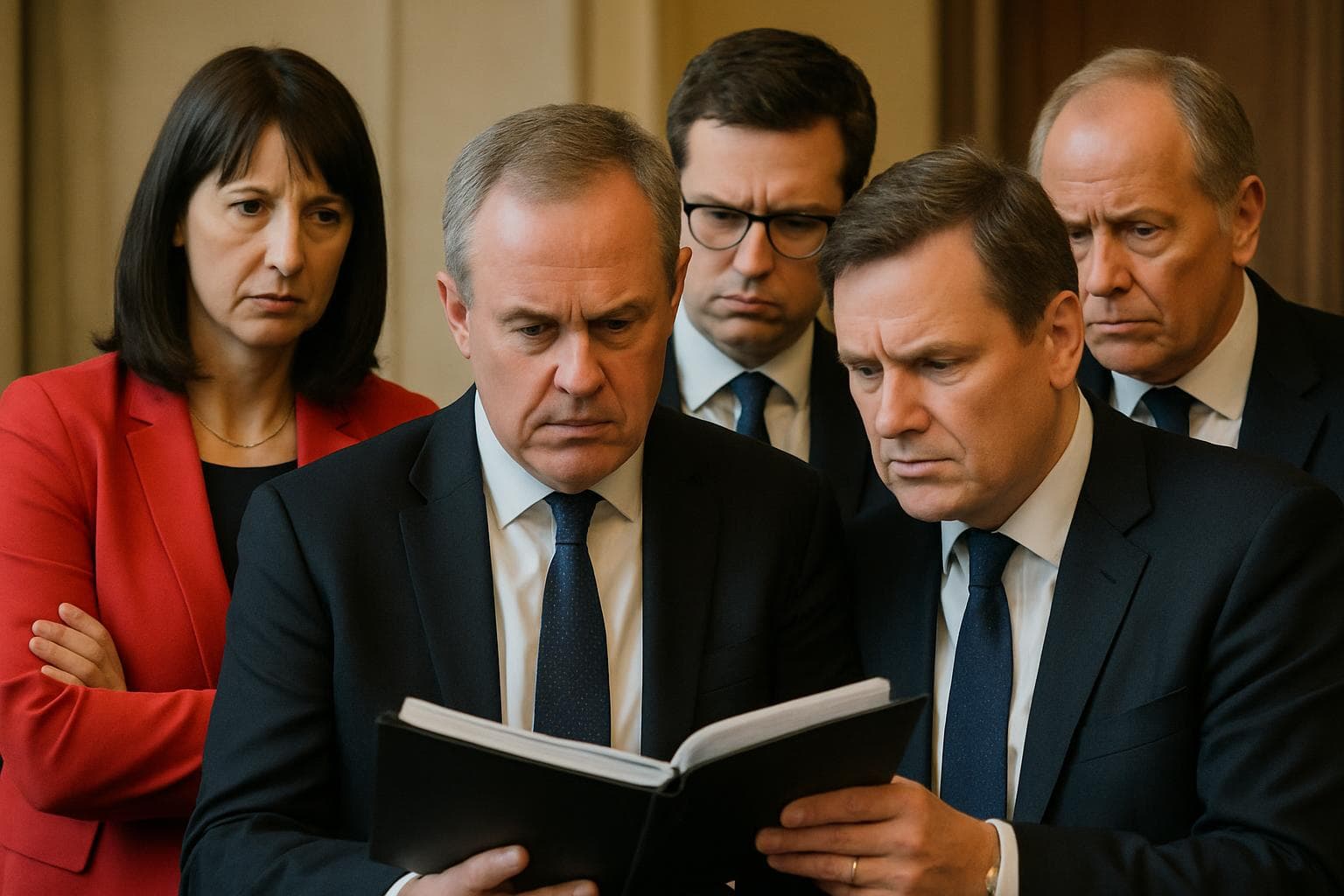
The UK Treasury has initiated an inquiry into a series of budget leaks that have stirred controversy and impacted market confidence. The investigation, led by top Treasury civil servant James Bowler, has the full backing of Chancellor Rachel Reeves and aims to scrutinize security processes to prevent future leaks. This move follows a tumultuous lead-up to the budget announcement on November 26, where key policies such as freezing income tax thresholds and a pay-per-mile levy on electric vehicles were prematurely disclosed.
Impact on Markets and Public Confidence
The leaks have drawn criticism from various quarters, including Speaker Sir Lindsay Hoyle, who labeled the situation the "hokey-cokey Budget." The premature release of information has been blamed for unsettling business leaders, with a Barclays survey indicating that over half of them delayed investment decisions. Additionally, the uncertainty prompted many individuals to withdraw pension savings prematurely, as noted by Mark FitzPatrick, CEO of St James's Place.
Political and Regulatory Reactions
The Financial Conduct Authority (FCA) has opted not to launch an immediate investigation into potential market manipulation by Rachel Reeves, despite accusations from Conservative leaders. However, the FCA has expressed interest in the Treasury's inquiry outcomes. Treasury Minister James Murray emphasized the government's commitment to budget security, stating that the inquiry has the full support of the Treasury team.
Controversy Surrounding the Office for Budget Responsibility
The Office for Budget Responsibility (OBR) has also been embroiled in the controversy, with its chair, Richard Hughes, resigning after a key document was published prematurely. This incident has fueled accusations of deliberate misinformation by Treasury officials to influence market perceptions. Prof. David Miles of the OBR highlighted the detrimental impact of these leaks on public understanding and market stability.
WHAT THIS MIGHT MEAN
The ongoing inquiry into the budget leaks could lead to significant changes in how fiscal information is handled by the UK government. If the investigation identifies responsible parties, it may result in stricter security protocols and potential resignations. Politically, the controversy could affect Chancellor Rachel Reeves's standing, especially if the inquiry uncovers any deliberate attempts to manipulate market perceptions. Economically, restoring confidence will be crucial, as continued uncertainty could deter investment and affect the UK's financial stability. The FCA's involvement suggests that regulatory scrutiny may increase, potentially leading to more robust oversight of fiscal communications in the future.
Related Articles
UK Achieves Record Budget Surplus Amid Calls for Fiscal Policy Reform

Middle East Conflict Drives UK Energy Prices to New Highs
Reform UK Pledges to Retain and Reform Budget Watchdog Amid Leadership Changes
Bank of England Holds Interest Rates Steady Amid Inflation and Economic Concerns

Global Counsel Faces Collapse Amidst Epstein Scandal Fallout
UK Inflation Drops to 3% in January, Sparking Interest Rate Cut Speculation
Treasury Launches Inquiry into Budget Leaks Amid Market Concerns
In This Article
 Daniel Rivera| Published
 HIGHLIGHTS
- An inquiry into UK budget leaks is underway, led by Treasury civil servant James Bowler, with full support from Chancellor Rachel Reeves.
- The leaks, which included policies like freezing income tax thresholds, have been criticized for affecting market confidence and delaying business investments.
- The Financial Conduct Authority (FCA) has decided not to investigate Rachel Reeves for market manipulation but will review the Treasury's inquiry findings.
- Speaker Sir Lindsay Hoyle and other officials have criticized the leaks, calling for budget announcements to be made first to the House of Commons.
- The Office for Budget Responsibility's premature document release has added to the controversy, leading to the resignation of its chair, Richard Hughes.
The UK Treasury has initiated an inquiry into a series of budget leaks that have stirred controversy and impacted market confidence. The investigation, led by top Treasury civil servant James Bowler, has the full backing of Chancellor Rachel Reeves and aims to scrutinize security processes to prevent future leaks. This move follows a tumultuous lead-up to the budget announcement on November 26, where key policies such as freezing income tax thresholds and a pay-per-mile levy on electric vehicles were prematurely disclosed.
Impact on Markets and Public Confidence
The leaks have drawn criticism from various quarters, including Speaker Sir Lindsay Hoyle, who labeled the situation the "hokey-cokey Budget." The premature release of information has been blamed for unsettling business leaders, with a Barclays survey indicating that over half of them delayed investment decisions. Additionally, the uncertainty prompted many individuals to withdraw pension savings prematurely, as noted by Mark FitzPatrick, CEO of St James's Place.
Political and Regulatory Reactions
The Financial Conduct Authority (FCA) has opted not to launch an immediate investigation into potential market manipulation by Rachel Reeves, despite accusations from Conservative leaders. However, the FCA has expressed interest in the Treasury's inquiry outcomes. Treasury Minister James Murray emphasized the government's commitment to budget security, stating that the inquiry has the full support of the Treasury team.
Controversy Surrounding the Office for Budget Responsibility
The Office for Budget Responsibility (OBR) has also been embroiled in the controversy, with its chair, Richard Hughes, resigning after a key document was published prematurely. This incident has fueled accusations of deliberate misinformation by Treasury officials to influence market perceptions. Prof. David Miles of the OBR highlighted the detrimental impact of these leaks on public understanding and market stability.
WHAT THIS MIGHT MEAN
The ongoing inquiry into the budget leaks could lead to significant changes in how fiscal information is handled by the UK government. If the investigation identifies responsible parties, it may result in stricter security protocols and potential resignations. Politically, the controversy could affect Chancellor Rachel Reeves's standing, especially if the inquiry uncovers any deliberate attempts to manipulate market perceptions. Economically, restoring confidence will be crucial, as continued uncertainty could deter investment and affect the UK's financial stability. The FCA's involvement suggests that regulatory scrutiny may increase, potentially leading to more robust oversight of fiscal communications in the future.
Related Articles
UK Achieves Record Budget Surplus Amid Calls for Fiscal Policy Reform
Middle East Conflict Drives UK Energy Prices to New Highs
Reform UK Pledges to Retain and Reform Budget Watchdog Amid Leadership Changes
Bank of England Holds Interest Rates Steady Amid Inflation and Economic Concerns
Global Counsel Faces Collapse Amidst Epstein Scandal Fallout
UK Inflation Drops to 3% in January, Sparking Interest Rate Cut Speculation