
Bank of England Holds Interest Rates Steady Amid Inflation and Economic Concerns

In This Article
HIGHLIGHTS
- The Bank of England has maintained interest rates at 3.75% amid expectations of falling inflation and subdued economic growth.
- Inflation is projected to decrease to around 2% by spring, influenced by cost-of-living measures in Rachel Reeves's budget.
- The unemployment rate is expected to rise to 5.3% this year, higher than previously forecasted.
- The Bank's monetary policy committee (MPC) was narrowly split, suggesting potential rate cuts in the near future.
- Governor Andrew Bailey highlighted the psychological impact of inflation and the cautious approach to rate adjustments.
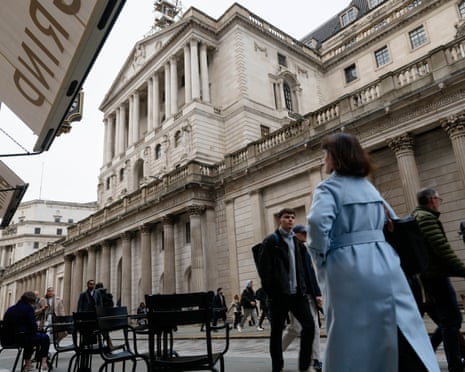
The Bank of England has decided to keep interest rates unchanged at 3.75%, as policymakers navigate a complex economic landscape marked by falling inflation and a weakening jobs market. This decision comes despite mounting pressure to lower borrowing costs to stimulate growth.
Inflation and Economic Outlook
The Bank's monetary policy committee (MPC) voted to maintain the current rate, with a narrow 5-4 split indicating potential rate cuts in the coming months. Governor Andrew Bailey expressed optimism that inflation would fall to around 2% by spring, aligning with the government's target. This anticipated decline is partly attributed to cost-of-living measures introduced in Rachel Reeves's budget, which include utility bill reductions and a rail-fare freeze.
Despite these positive inflation forecasts, the Bank projects a modest economic growth of 0.9% this year, down from previous estimates. The unemployment rate is expected to rise to 5.3%, reflecting a weaker jobs market than initially anticipated.
Monetary Policy Considerations
The MPC's decision to hold rates reflects a cautious approach, balancing the need to control inflation with the risk of stifling economic recovery. Andrew Bailey emphasized the psychological impact of inflation, noting that visible price increases in essentials like food and energy can shape public expectations and wage demands.
The Bank's report suggests that while inflation is expected to align with European averages, the UK economy faces challenges, including lower housing investment and export levels. The committee's decision underscores the complexity of the current economic environment and the need for careful policy calibration.
Future Rate Adjustments
Financial markets are speculating on the likelihood of rate cuts, with a 50/50 chance of a reduction at the MPC's next meeting in March. Economists, including Deutsche Bank's Sanjay Raja, predict at least two rate cuts this year, potentially bringing rates down to 3.25%.
Governor Bailey's statements indicate a willingness to adjust rates as necessary, but he remains cautious, highlighting the importance of data-driven decisions. The Bank's approach reflects a broader strategy to ensure economic stability while addressing inflationary pressures.
WHAT THIS MIGHT MEAN
Looking ahead, the Bank of England faces a delicate balancing act. If inflation continues to fall as projected, the MPC may opt for gradual rate cuts to support economic growth. However, any unexpected inflationary pressures could prompt a reassessment of this strategy.
Politically, the government's cost-of-living measures will be closely scrutinized for their effectiveness in easing household financial burdens. As the UK navigates post-pandemic recovery, the Bank's decisions will play a crucial role in shaping economic outcomes.
Experts suggest that while rate cuts could provide short-term relief, the underlying economic challenges, such as rising unemployment and subdued growth, require comprehensive policy responses beyond monetary adjustments.
Images from the Web
Related Articles
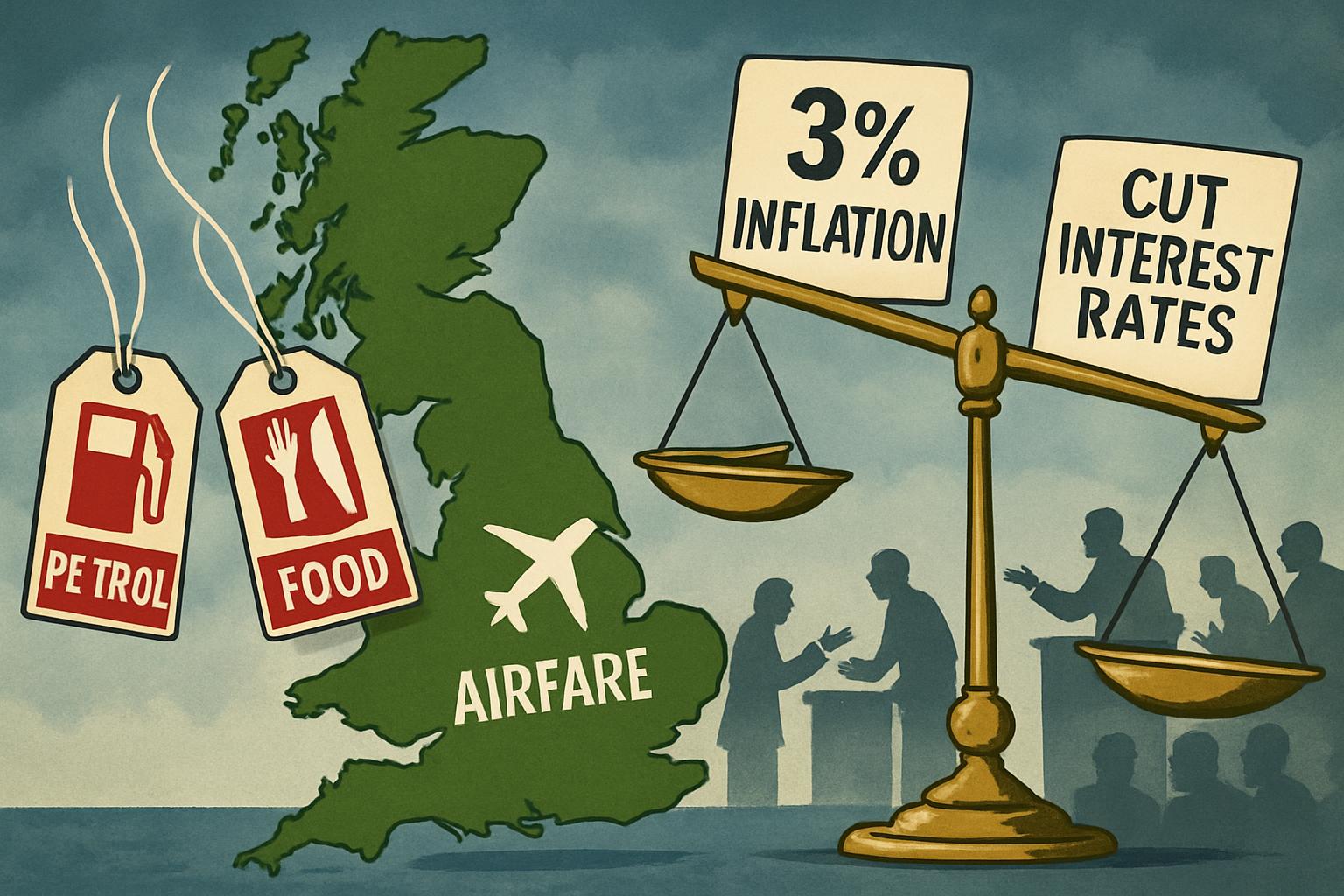
UK Inflation Drops to 3% in January, Sparking Interest Rate Cut Speculation

Trump Raises Import Tariffs to 15% After Supreme Court Setback
UK Achieves Record Budget Surplus Amid Calls for Fiscal Policy Reform
UK Faces Rising Youth Unemployment Amid Minimum Wage and Interest Rate Debates

Breakthrough Drug Offers Hope for Children with Severe Epilepsy

Middle East Conflict Drives UK Energy Prices to New Highs
Bank of England Holds Interest Rates Steady Amid Inflation and Economic Concerns
In This Article
 Daniel Rivera| Published
 HIGHLIGHTS
- The Bank of England has maintained interest rates at 3.75% amid expectations of falling inflation and subdued economic growth.
- Inflation is projected to decrease to around 2% by spring, influenced by cost-of-living measures in Rachel Reeves's budget.
- The unemployment rate is expected to rise to 5.3% this year, higher than previously forecasted.
- The Bank's monetary policy committee (MPC) was narrowly split, suggesting potential rate cuts in the near future.
- Governor Andrew Bailey highlighted the psychological impact of inflation and the cautious approach to rate adjustments.
The Bank of England has decided to keep interest rates unchanged at 3.75%, as policymakers navigate a complex economic landscape marked by falling inflation and a weakening jobs market. This decision comes despite mounting pressure to lower borrowing costs to stimulate growth.
Inflation and Economic Outlook
The Bank's monetary policy committee (MPC) voted to maintain the current rate, with a narrow 5-4 split indicating potential rate cuts in the coming months. Governor Andrew Bailey expressed optimism that inflation would fall to around 2% by spring, aligning with the government's target. This anticipated decline is partly attributed to cost-of-living measures introduced in Rachel Reeves's budget, which include utility bill reductions and a rail-fare freeze.
Despite these positive inflation forecasts, the Bank projects a modest economic growth of 0.9% this year, down from previous estimates. The unemployment rate is expected to rise to 5.3%, reflecting a weaker jobs market than initially anticipated.
Monetary Policy Considerations
The MPC's decision to hold rates reflects a cautious approach, balancing the need to control inflation with the risk of stifling economic recovery. Andrew Bailey emphasized the psychological impact of inflation, noting that visible price increases in essentials like food and energy can shape public expectations and wage demands.
The Bank's report suggests that while inflation is expected to align with European averages, the UK economy faces challenges, including lower housing investment and export levels. The committee's decision underscores the complexity of the current economic environment and the need for careful policy calibration.
Future Rate Adjustments
Financial markets are speculating on the likelihood of rate cuts, with a 50/50 chance of a reduction at the MPC's next meeting in March. Economists, including Deutsche Bank's Sanjay Raja, predict at least two rate cuts this year, potentially bringing rates down to 3.25%.
Governor Bailey's statements indicate a willingness to adjust rates as necessary, but he remains cautious, highlighting the importance of data-driven decisions. The Bank's approach reflects a broader strategy to ensure economic stability while addressing inflationary pressures.
WHAT THIS MIGHT MEAN
Looking ahead, the Bank of England faces a delicate balancing act. If inflation continues to fall as projected, the MPC may opt for gradual rate cuts to support economic growth. However, any unexpected inflationary pressures could prompt a reassessment of this strategy.
Politically, the government's cost-of-living measures will be closely scrutinized for their effectiveness in easing household financial burdens. As the UK navigates post-pandemic recovery, the Bank's decisions will play a crucial role in shaping economic outcomes.
Experts suggest that while rate cuts could provide short-term relief, the underlying economic challenges, such as rising unemployment and subdued growth, require comprehensive policy responses beyond monetary adjustments.
Images from the Web
Related Articles
UK Inflation Drops to 3% in January, Sparking Interest Rate Cut Speculation
Trump Raises Import Tariffs to 15% After Supreme Court Setback
UK Achieves Record Budget Surplus Amid Calls for Fiscal Policy Reform
UK Faces Rising Youth Unemployment Amid Minimum Wage and Interest Rate Debates
Breakthrough Drug Offers Hope for Children with Severe Epilepsy
Middle East Conflict Drives UK Energy Prices to New Highs