
Paracetamol Deemed Safe for Pregnant Women, Study Refutes Autism Claims
In This Article
HIGHLIGHTS
- A comprehensive review in The Lancet confirms paracetamol is safe during pregnancy, refuting claims it causes autism or ADHD.
- The study analyzed 43 robust studies involving hundreds of thousands of women, finding no evidence linking paracetamol to developmental issues.
- Experts emphasize paracetamol remains a recommended pain relief option for pregnant women, countering previous controversial statements by Donald Trump.
- Medical professionals worldwide welcome the findings, which aim to alleviate concerns among expectant mothers.
- The review suggests familial and genetic factors are more likely explanations for developmental disorders than paracetamol use.
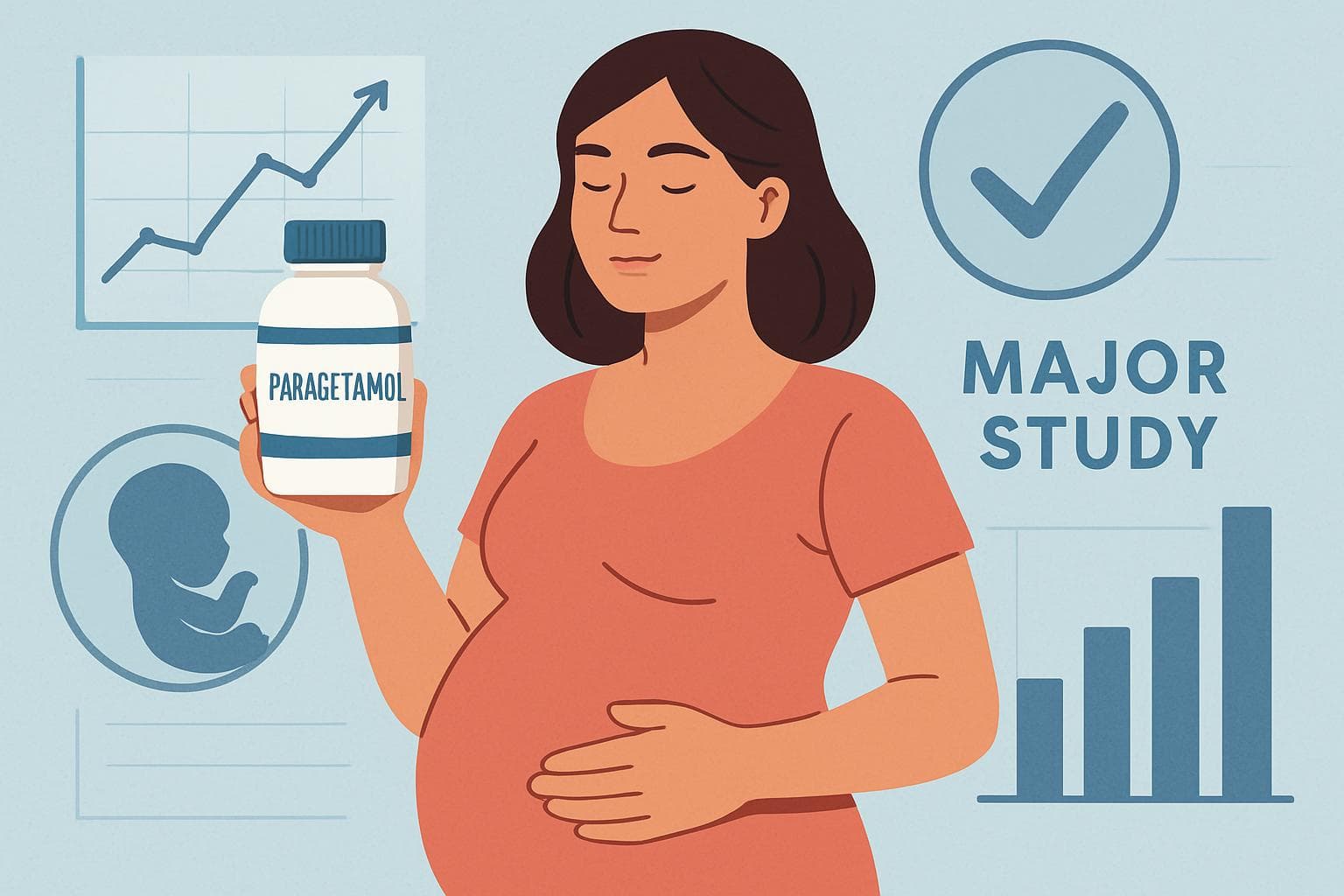
A major new study published in The Lancet has reaffirmed the safety of paracetamol use during pregnancy, countering previous claims by former US President Donald Trump that the common painkiller could lead to autism and ADHD in children. This comprehensive review, led by Professor Asma Khalil from City St George's, University of London, analyzed 43 high-quality studies involving hundreds of thousands of women and found no evidence linking paracetamol to developmental disorders.
Study Details and Findings
The research, described as "gold-standard," examined studies that compared health outcomes among children born to mothers who used paracetamol during pregnancy and those who did not. It included assessments of 262,852 children for autism, 335,255 for ADHD, and 406,681 for intellectual disabilities. The findings revealed no association between prenatal exposure to paracetamol and these conditions, reinforcing its status as a safe option for pain relief during pregnancy.
Reactions from the Medical Community
The study's conclusions have been welcomed by medical professionals worldwide, who hope it will alleviate concerns among pregnant women. Professor Khalil emphasized the importance of paracetamol as a first-line medication for managing pain and fever during pregnancy, noting that untreated symptoms could pose risks to both mother and baby. The review also highlighted that familial and genetic factors are more plausible explanations for developmental disorders than paracetamol use.
Controversial Claims and Clarifications
The study directly challenges statements made by Donald Trump in September, where he suggested that paracetamol, known as Tylenol in the US, could be harmful during pregnancy. His remarks, made during a White House press conference, were widely criticized by health organizations and led to confusion among expectant mothers. The Lancet review aims to put an end to such skepticism, providing reassurance based on rigorous scientific evidence.
WHAT THIS MIGHT MEAN
The findings of this study are likely to influence public health guidelines and reassure pregnant women about the safety of using paracetamol. Medical professionals may use this evidence to counter misinformation and emphasize the importance of managing pain and fever during pregnancy. However, the debate over medication safety in pregnancy could persist, especially if new studies emerge. Experts may continue to investigate the complex interplay of genetic and environmental factors in developmental disorders, further refining our understanding of maternal health.
Related Articles

Tech Giants Pledge to Cover AI Data Center Energy Costs Amid Rising Electricity Concerns

Spain's Sánchez Stands Firm Against Trump's Trade Threat Over Iran Stance

Greenland Politely Declines Trump's Hospital Ship Offer Amid Healthcare Debate
Congress Subpoenas Attorney General Bondi in Epstein Investigation

Cuba Faces Widespread Blackout Amid Deepening Fuel Crisis

UK Faces Dilemmas Amid Iran Conflict and China Spying Allegations
Paracetamol Deemed Safe for Pregnant Women, Study Refutes Autism Claims
In This Article
 Maya Singh| Published
 HIGHLIGHTS
- A comprehensive review in The Lancet confirms paracetamol is safe during pregnancy, refuting claims it causes autism or ADHD.
- The study analyzed 43 robust studies involving hundreds of thousands of women, finding no evidence linking paracetamol to developmental issues.
- Experts emphasize paracetamol remains a recommended pain relief option for pregnant women, countering previous controversial statements by Donald Trump.
- Medical professionals worldwide welcome the findings, which aim to alleviate concerns among expectant mothers.
- The review suggests familial and genetic factors are more likely explanations for developmental disorders than paracetamol use.
A major new study published in The Lancet has reaffirmed the safety of paracetamol use during pregnancy, countering previous claims by former US President Donald Trump that the common painkiller could lead to autism and ADHD in children. This comprehensive review, led by Professor Asma Khalil from City St George's, University of London, analyzed 43 high-quality studies involving hundreds of thousands of women and found no evidence linking paracetamol to developmental disorders.
Study Details and Findings
The research, described as "gold-standard," examined studies that compared health outcomes among children born to mothers who used paracetamol during pregnancy and those who did not. It included assessments of 262,852 children for autism, 335,255 for ADHD, and 406,681 for intellectual disabilities. The findings revealed no association between prenatal exposure to paracetamol and these conditions, reinforcing its status as a safe option for pain relief during pregnancy.
Reactions from the Medical Community
The study's conclusions have been welcomed by medical professionals worldwide, who hope it will alleviate concerns among pregnant women. Professor Khalil emphasized the importance of paracetamol as a first-line medication for managing pain and fever during pregnancy, noting that untreated symptoms could pose risks to both mother and baby. The review also highlighted that familial and genetic factors are more plausible explanations for developmental disorders than paracetamol use.
Controversial Claims and Clarifications
The study directly challenges statements made by Donald Trump in September, where he suggested that paracetamol, known as Tylenol in the US, could be harmful during pregnancy. His remarks, made during a White House press conference, were widely criticized by health organizations and led to confusion among expectant mothers. The Lancet review aims to put an end to such skepticism, providing reassurance based on rigorous scientific evidence.
WHAT THIS MIGHT MEAN
The findings of this study are likely to influence public health guidelines and reassure pregnant women about the safety of using paracetamol. Medical professionals may use this evidence to counter misinformation and emphasize the importance of managing pain and fever during pregnancy. However, the debate over medication safety in pregnancy could persist, especially if new studies emerge. Experts may continue to investigate the complex interplay of genetic and environmental factors in developmental disorders, further refining our understanding of maternal health.
Related Articles
Tech Giants Pledge to Cover AI Data Center Energy Costs Amid Rising Electricity Concerns
Spain's Sánchez Stands Firm Against Trump's Trade Threat Over Iran Stance
Greenland Politely Declines Trump's Hospital Ship Offer Amid Healthcare Debate
Congress Subpoenas Attorney General Bondi in Epstein Investigation
Cuba Faces Widespread Blackout Amid Deepening Fuel Crisis
UK Faces Dilemmas Amid Iran Conflict and China Spying Allegations