
Supreme Court Ruling Empowers Trump, Limits Judicial Oversight
In This Article
HIGHLIGHTS
- The Supreme Court ruled 6-3 to limit lower courts' power to issue nationwide injunctions, a decision seen as a victory for President Trump.
- The ruling allows Trump's executive order to end birthright citizenship to proceed, though its legality remains undecided.
- Justice Amy Coney Barrett authored the majority opinion, emphasizing the need for courts to resolve cases within their jurisdiction.
- The decision has sparked concerns among liberal justices about the potential erosion of judicial oversight and constitutional rights.
- Immigrant advocacy groups are preparing new legal strategies to challenge the birthright citizenship order.
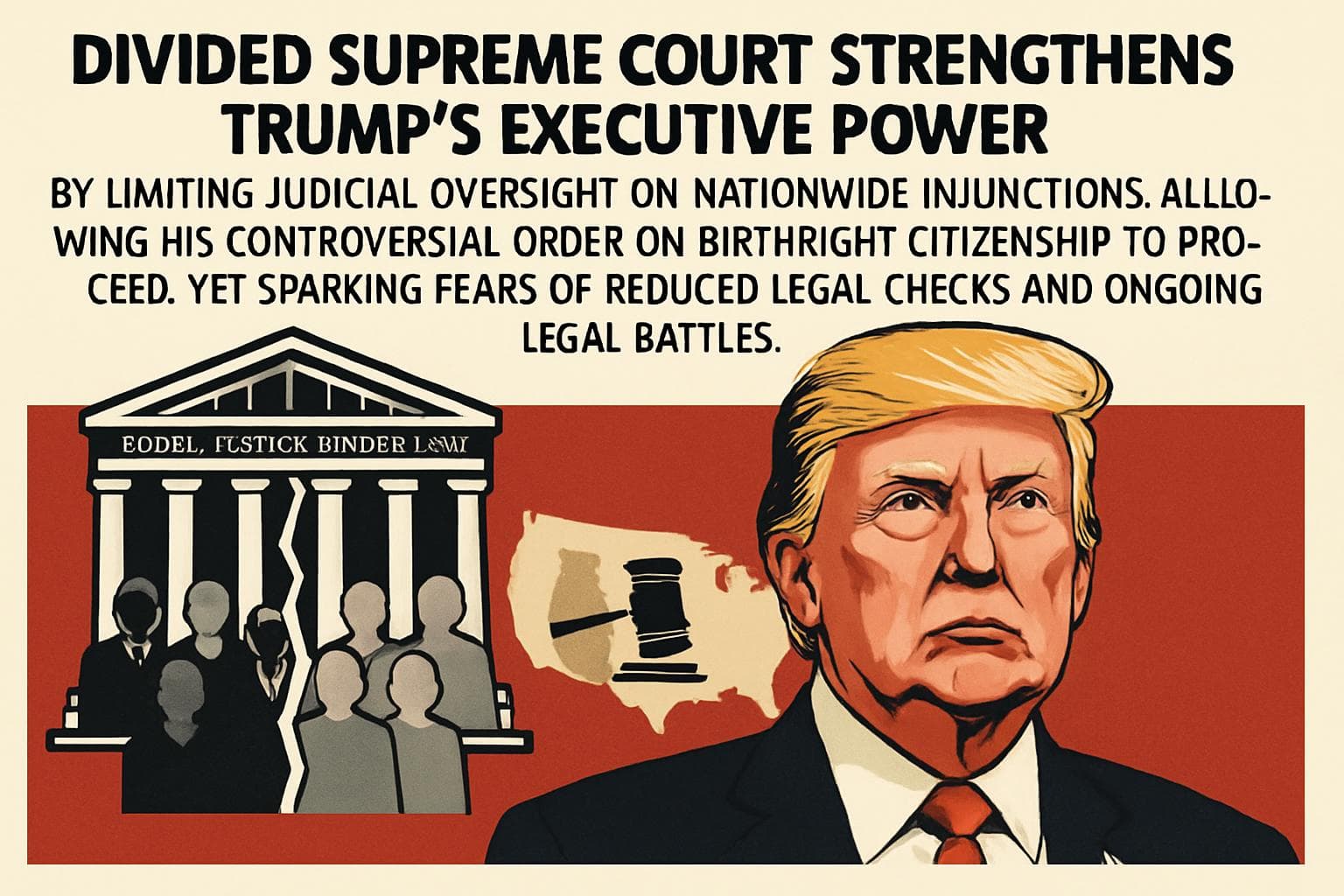
In a landmark decision, the U.S. Supreme Court has curtailed the power of lower courts to issue nationwide injunctions, a move that bolsters President Donald Trump's executive authority. The 6-3 ruling, delivered on Friday, is seen as a significant victory for the Trump administration, allowing the president's controversial executive order to end birthright citizenship to proceed, albeit with legal challenges still looming.
Judicial Power and Executive Orders
The Supreme Court's decision, authored by Justice Amy Coney Barrett, restricts the ability of federal judges to block presidential orders across the nation. This ruling comes in response to multiple injunctions that had previously halted Trump's attempt to end automatic citizenship for children born on U.S. soil to non-citizens and undocumented migrants. The court's conservative majority argued that such injunctions exceeded the equitable authority granted to federal courts by Congress.
Implications for Birthright Citizenship
While the ruling permits Trump's executive order to take effect in 30 days, it does not address the order's constitutionality. The legality of ending birthright citizenship, a right enshrined in the 14th Amendment, remains undecided. The Trump administration contends that the amendment's clause "subject to the jurisdiction thereof" excludes children of individuals not lawfully present in the country.
Liberal Justices' Concerns
The court's liberal justices, including Sonia Sotomayor, expressed deep concerns about the decision's implications for judicial oversight and constitutional rights. In a dissenting opinion, Sotomayor warned that the ruling could pave the way for future administrations to bypass legal checks on executive power. Justice Ketanji Brown-Jackson echoed these sentiments, describing the decision as an "existential threat to the rule of law."
Legal Challenges Ahead
In response to the ruling, immigrant advocacy groups are recalibrating their legal strategies. Organizations like CASA and the Asylum Seeker Advocacy Project are seeking emergency blocks on the executive order and pursuing class-action lawsuits to protect affected individuals. George Escobar of CASA emphasized the importance of continued legal resistance, stating, "These are scary times, but we are not powerless."
WHAT THIS MIGHT MEAN
The Supreme Court's ruling marks a pivotal shift in the balance of power between the executive branch and the judiciary. By limiting the scope of nationwide injunctions, the decision could embolden future presidents to pursue controversial policies with fewer legal hurdles. However, the unresolved question of birthright citizenship's constitutionality ensures that legal battles will continue, potentially reaching the Supreme Court again in the future.
The ruling also highlights the ideological divide within the court, with liberal justices voicing concerns about the erosion of judicial checks on executive power. As the Trump administration moves forward with its agenda, the decision may prompt increased scrutiny of executive actions and their alignment with constitutional principles. Legal experts and advocacy groups will likely play a crucial role in shaping the ongoing discourse around executive authority and individual rights.
Related Articles
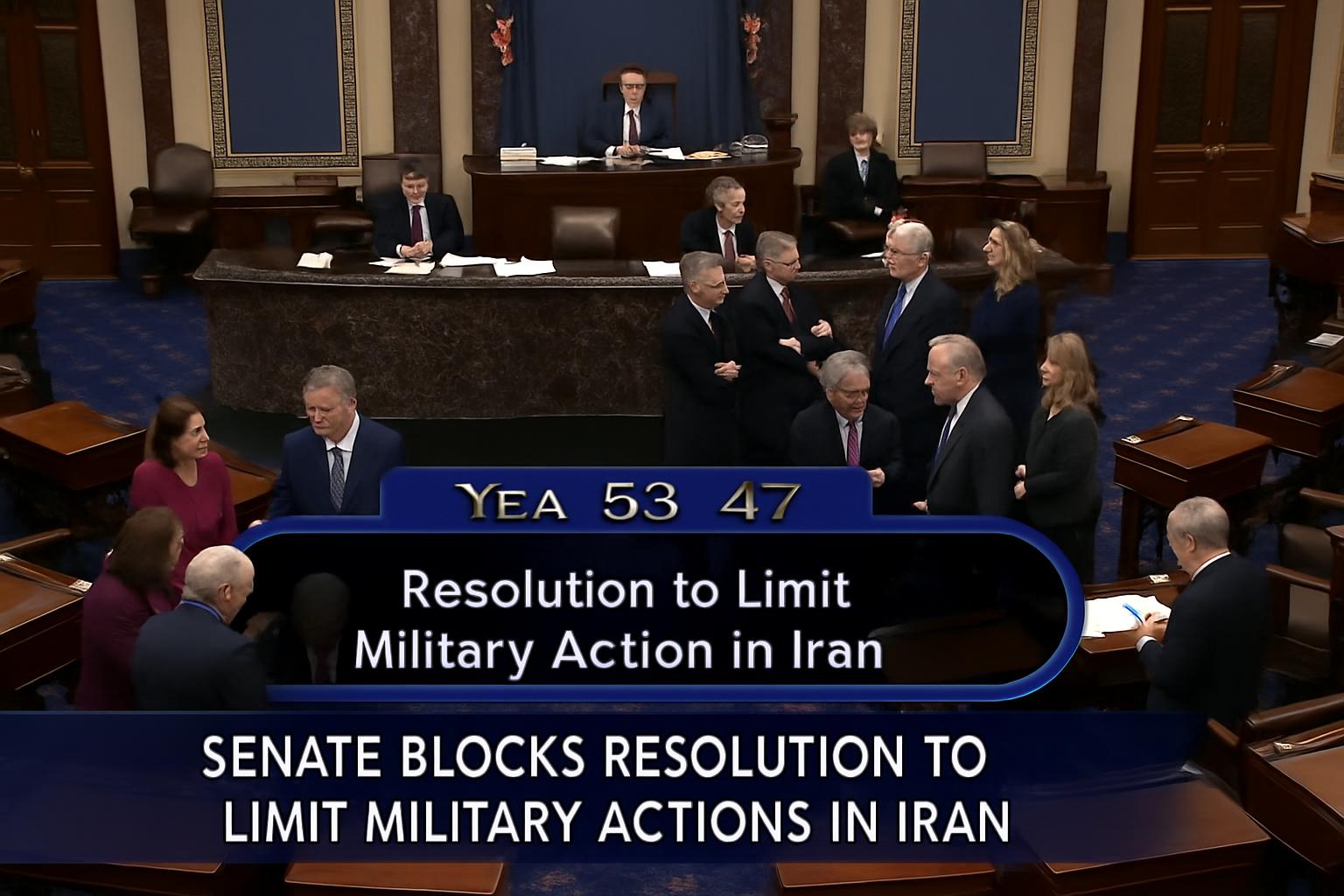
Senate Blocks Resolution to Limit Trump's Military Actions in Iran
Spain's Sánchez Stands Firm Against Trump's Trade Threat Over Iran Stance

US-Iran Tensions Escalate Amid Renewed Nuclear Talks and Protests

Greenland Politely Declines Trump's Hospital Ship Offer Amid Healthcare Debate

Tech Giants Pledge to Cover AI Data Center Energy Costs Amid Rising Electricity Concerns
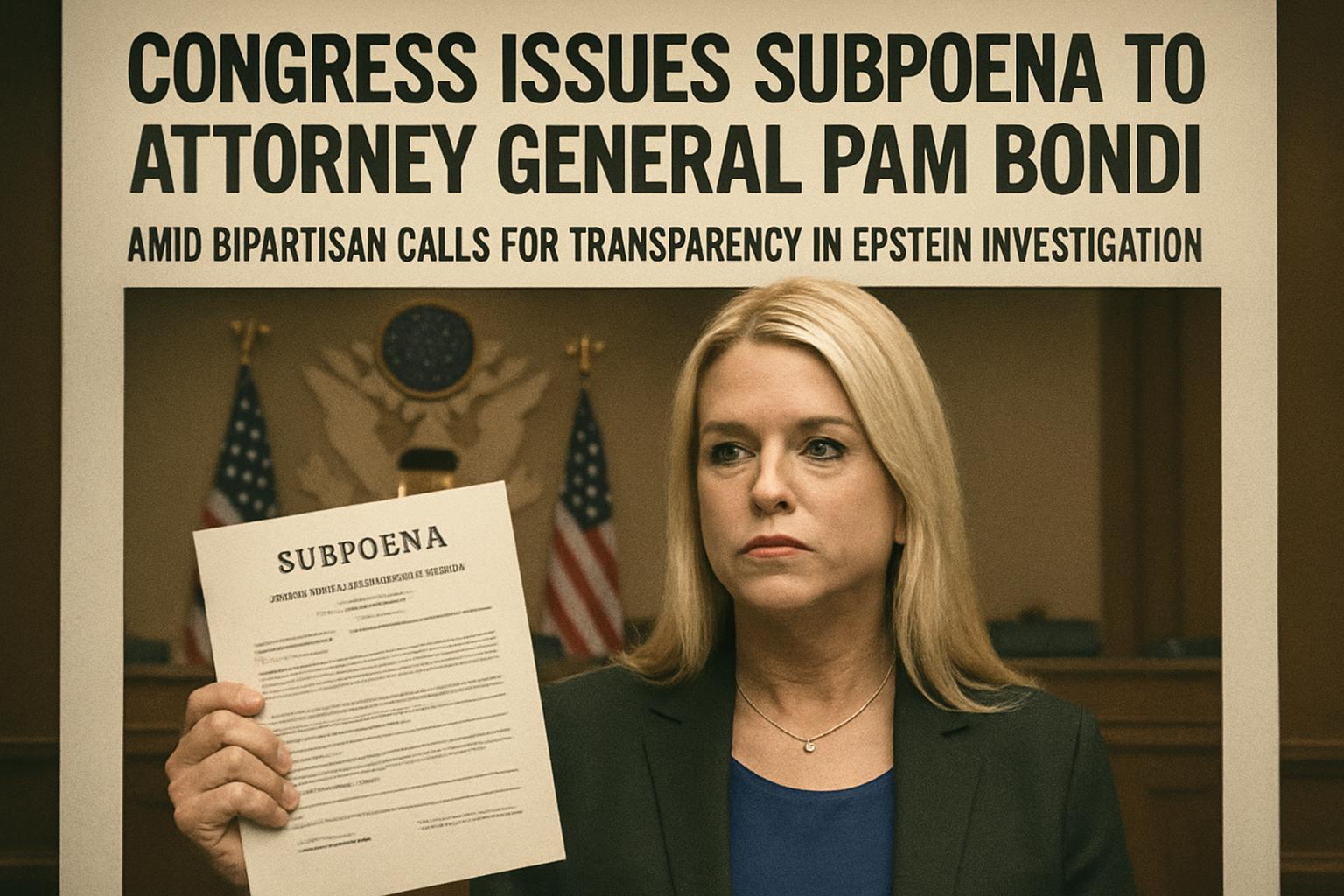
Congress Subpoenas Attorney General Bondi in Epstein Investigation
Supreme Court Ruling Empowers Trump, Limits Judicial Oversight
In This Article
 Ethan Brooks| Published
 HIGHLIGHTS
- The Supreme Court ruled 6-3 to limit lower courts' power to issue nationwide injunctions, a decision seen as a victory for President Trump.
- The ruling allows Trump's executive order to end birthright citizenship to proceed, though its legality remains undecided.
- Justice Amy Coney Barrett authored the majority opinion, emphasizing the need for courts to resolve cases within their jurisdiction.
- The decision has sparked concerns among liberal justices about the potential erosion of judicial oversight and constitutional rights.
- Immigrant advocacy groups are preparing new legal strategies to challenge the birthright citizenship order.
In a landmark decision, the U.S. Supreme Court has curtailed the power of lower courts to issue nationwide injunctions, a move that bolsters President Donald Trump's executive authority. The 6-3 ruling, delivered on Friday, is seen as a significant victory for the Trump administration, allowing the president's controversial executive order to end birthright citizenship to proceed, albeit with legal challenges still looming.
Judicial Power and Executive Orders
The Supreme Court's decision, authored by Justice Amy Coney Barrett, restricts the ability of federal judges to block presidential orders across the nation. This ruling comes in response to multiple injunctions that had previously halted Trump's attempt to end automatic citizenship for children born on U.S. soil to non-citizens and undocumented migrants. The court's conservative majority argued that such injunctions exceeded the equitable authority granted to federal courts by Congress.
Implications for Birthright Citizenship
While the ruling permits Trump's executive order to take effect in 30 days, it does not address the order's constitutionality. The legality of ending birthright citizenship, a right enshrined in the 14th Amendment, remains undecided. The Trump administration contends that the amendment's clause "subject to the jurisdiction thereof" excludes children of individuals not lawfully present in the country.
Liberal Justices' Concerns
The court's liberal justices, including Sonia Sotomayor, expressed deep concerns about the decision's implications for judicial oversight and constitutional rights. In a dissenting opinion, Sotomayor warned that the ruling could pave the way for future administrations to bypass legal checks on executive power. Justice Ketanji Brown-Jackson echoed these sentiments, describing the decision as an "existential threat to the rule of law."
Legal Challenges Ahead
In response to the ruling, immigrant advocacy groups are recalibrating their legal strategies. Organizations like CASA and the Asylum Seeker Advocacy Project are seeking emergency blocks on the executive order and pursuing class-action lawsuits to protect affected individuals. George Escobar of CASA emphasized the importance of continued legal resistance, stating, "These are scary times, but we are not powerless."
WHAT THIS MIGHT MEAN
The Supreme Court's ruling marks a pivotal shift in the balance of power between the executive branch and the judiciary. By limiting the scope of nationwide injunctions, the decision could embolden future presidents to pursue controversial policies with fewer legal hurdles. However, the unresolved question of birthright citizenship's constitutionality ensures that legal battles will continue, potentially reaching the Supreme Court again in the future.
The ruling also highlights the ideological divide within the court, with liberal justices voicing concerns about the erosion of judicial checks on executive power. As the Trump administration moves forward with its agenda, the decision may prompt increased scrutiny of executive actions and their alignment with constitutional principles. Legal experts and advocacy groups will likely play a crucial role in shaping the ongoing discourse around executive authority and individual rights.
Related Articles
Senate Blocks Resolution to Limit Trump's Military Actions in Iran
Spain's Sánchez Stands Firm Against Trump's Trade Threat Over Iran Stance
US-Iran Tensions Escalate Amid Renewed Nuclear Talks and Protests
Greenland Politely Declines Trump's Hospital Ship Offer Amid Healthcare Debate
Tech Giants Pledge to Cover AI Data Center Energy Costs Amid Rising Electricity Concerns
Congress Subpoenas Attorney General Bondi in Epstein Investigation